
Unlocking Plant Potential: The Power of Trichoderma for Plants
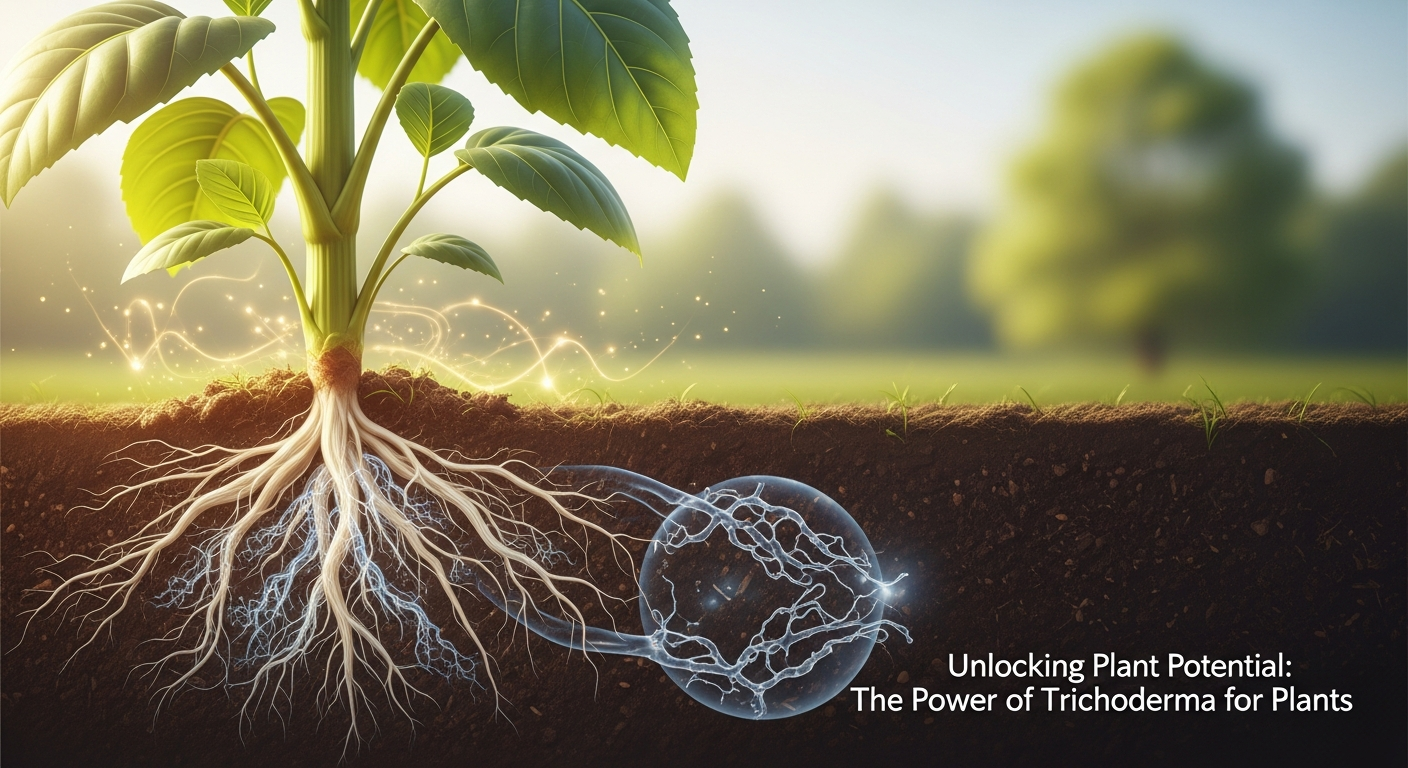
Trichoderma is one of the most powerful, beneficial soil fungi used by gardeners and farmers for over 30 years. Trichoderma, as an organic amendment to the soil, improves plant health, provides essential nutrients, and increases the quantity of microorganisms in the growing medium that benefit the plant. Trichoderma’s effectiveness as a natural substance for improving plant growth lies in its ability to support the root system (through better root development), increase the nutrient uptake (through better absorption) of crops from the soil, and protect crops from diseases caused by soil-borne pathogens.
Just as essential nutrients are essential for developing a growing body, so too does Trichoderma support and strengthen plants. Trichoderma acts as a natural stimulator of the plant’s defense mechanism, enhances the plant’s immune system, and inhibits disease through enhanced root development to produce faster-growing and healthier plants. The answer to “Is Trichoderma good for plants?” is yes; it has demonstrated its efficacy by improving the soil structure and protecting the roots of plants, thus, it is a reliable choice to grow plants at home and on a large scale.
Trichoderma also promotes plant growth, not only by enhancing the growth of the soil and protecting the roots from soil pathogens, but also by providing a higher yield of crops. No matter if you are growing vegetables, flowers, fruits or houseplants, every application will bring an additional source of natural strength and long-term vitality.
Introduction: Why Trichoderma is Revolutionizing Plant Care
Trichoderma is revolutionizing the way that gardeners and farmers care for their plants. As a natural fungus that thrives in the soil, Trichoderma helps to strengthen the roots of plants, enhance the absorption of nutrients by plants, and protect plants from the adverse effects of soil-borne pathogens. As such, it has quickly developed into one of the most trusted biological products utilized throughout agriculture today. As more and more consumers are moving away from chemical-intensive agricultural practices, Trichoderma for plants is emerging as one of the cornerstones of sustainable gardening solutions. The positive effects of Trichoderma include improved soil health, better quality crops, and consistently greater growth rates, making it a truly novel solution for all types of gardeners.
Growing Interest in Natural Plant Protection
Key Concepts
- As a result of damage caused to soil and other harmful long-term effects; more and more gardeners are shying away from the use of chemical controls over their plants.
- Growers are interested in using natural substitutes to control disease and pests, such as using natural microbials (like Trichoderma) to stimulate the immune systems of plants, so that they can resist disease on their own without chemical intervention.
- Biological treatments not only improve the overall health of the plants, but they also do not damage beneficial insects, earthworms, or any other components of the soil's ecology.
Safe and natural plant care is becoming more popular, and one example of that is the use of Trichoderma. Many growers are looking for more sustainable methods to protect their crops from pests and diseases, and many believe that pesticides and fungicides are the only way to accomplish this. Trichoderma provides an alternative option, as it is a living organism that occurs naturally in the soil and is beneficial to most plants. The reason why many growers have become increasingly confident in Trichoderma's ability to build healthier, stronger, and more resilient gardens is due to their experience with it and the increasing awareness of its benefits for gardeners around the world.
Why Gardeners Prefer Microbial Solutions
Microorganisms improve soil aeration and structure;
- In addition to improving nutrient availability (making fertilisers work better)
- Microbial solutions will help develop the plants' natural defences and reduce disease incidence.
- Additionally, they help improve root growth and recovery from stress.
Microbial products, such as Trichoderma, are preferred by gardeners because they interact with nature rather than oppose it. Beneficial fungi form a balanced microbial environment within the root zone of plants and support their natural defence mechanisms. The enhancement of organic and chemical fertilisers is accomplished as Trichoderma convert nutrients to forms that are readily available to plants. Therefore, both commercial growers and home gardeners have reported observable improvements in plant growth, yield, and soil quality within several weeks of using Trichoderma as a soil amendment.
The Rise of Trichoderma for Plants in Sustainable Gardening
Key Takeaways
- Ideal for organic agriculture and produce free of residues;
- Reduces reliance on chemical fungicides;
- Safe for soil, pets, humans, and beneficial insects;
- Increases soil fertility and microbial diversity in the long run.
With the focus on sustainable agricultural practices, Trichoderma is now considered essential by gardeners looking to reduce their chemical inputs. Not only does Trichoderma protect the natural ecosystem of your soil, but it also nurtures and grows healthier crops without leaving behind toxic residues. Whether you grow vegetables at home or own a commercial farm, you will find Trichoderma to be both an economical and eco-friendly answer to the question of whether Trichoderma is beneficial to your plants. Trichoderma's long-term benefits include protection for plants and improvements in growth throughout your entire plant's life cycle.

What is Trichoderma? Understanding the Beneficial Fungus
richoderma is a beneficial soil fungus that is found naturally in healthy soils that have a high organic content. Trichoderma is important for natural ecosystems because it helps to recycle nutrients from dead plant materials through decay, and provides a balanced habitat and increasing food for beneficial bacteria. When appropriately used, trichoderma can help keep your plants healthy and strong by providing protection from soil diseases and increasing your plant's ability to access nutrients more efficiently. One of the most common questions growers have about trichoderma is whether it will work with their plant types. The answer is yes! Trichoderma is good for all crops. Regularly colonizing your root zone with trichoderma will enhance the growth of your plants and is therefore considered a very reliable biological method of creating sustainable agricultural practices.
Trichoderma Fungus Explained
Trichoderma is a fast-growing beneficial fungus that grows around plant roots and in the soil surrounding plants. What makes Trichoderma such a powerful organism is its ability to multiply quickly and outcompete other pathogens that are harmful to plants.
Highlighted Features:
1. Rapid Growth:Establishes itself quickly in a root zone.
2. Natural Defense:Enzymes released by Trichoderma destroy plant pathogens.
3. Soil Enhancer:Trichoderma will degrade organic waste to create nutrients that are available for plants.
4. Root Booster:Trichoderma will increase length, branching, and strength of roots.
Why Is This Important?
Just like babies require gentle nutrient-rich foods for growth, plants require gentle microbe-rich soil. Trichoderma supplies both of these elements, without the use of chemicals and in a safe manner.
Role of Rhizosphere Fungi in Soil Health
The rhizosphere, or the region close to plant roots, is an active biological habitat filled with various forms of microorganisms. One species of fungi found in this area, Trichoderma, helps enhance soil quality.
Trichoderma benefits soil health in these ways:
1. It assists in the breakdown of organic materials into simpler, more useable forms of nutrient.
2. It helps maintain a healthy balance of the various types of organisms in the rhizosphere by inhibiting pathogenic fungi.
3. It helps to retain moisture in the root system.
4. It improves the natural process by increasing the amount of nutrients that are absorbed by the plant's roots.

This demonstrates why Trichoderma for plants is a preferred choice in organic farming.
Beneficial Microorganisms and Plant Symbiosis
Plants and Trichoderma interact mutually positively (i.e. as equals). Both gain from their interaction.
How the symbiosis functions:
- Trichoderma attaches to the plant's rooting systems;
- Trichoderma protects the root systems of plants from disease-causing fungi.
- The plant roots supply nutrients for Trichoderma to use.
- Over time, the relationship between separating Trichoderma from plant roots continues cyclically.
The benefits Trichoderma imparts to the growth of plants include:
Stable root structures;
- Trichoderma increases a plant's ability to absorb water more efficiently;
- Trichoderma increases the number of nutrients that trap a plant can use;
- Trichoderma protects a plant's root systems from pathogens found in the soil.
- The enhancement of growth will be visible to the gardener over time.
Why Gardeners Value Trichoderma
By working hand-in-hand with their plants, gardeners can achieve better health, more lush or vibrant-looking plants with improved resistance to disease without needing to resort to the habitual use of chemical fungicides.
The Science Behind Trichoderma’s Benefits for Plant Health
Trichoderma is one of the most studied benefit-producing fungi within the agricultural industry. The effects of Trichoderma on plant health are holistic and very powerful in nature. Trichoderma is a natural protector of plants, a healer for soils, and a stimulator for growth by creating balance within the rhizosphere (the root zone of plants). By colonizing the soil, Trichoderma breaks down organic matter, helps control pathogenic microbes, and strengthens the roots, resulting in healthier and more resilient plants.
As a result of enhancing nutrient cycling, suppressing disease, and improving the physical structure of soils, many growers are often left wondering if Trichoderma really does benefit plants? The answer is yes! Scientific evidence indicates that Trichoderma enhances the ability of seeds to germinate rapidly, promotes root growth, provides a natural method of immunity for plants, and increases crop yields for a wide range of crops, including vegetables, fruits, cereals, ornamentals, and indoor plants
Trichoderma Mode of Action in the Soil
1. Rapid Root Colonization.
Once in contact with the plant, Trichoderma will attach itself to the plant's roots and completely cover them to provide protection against disease-causing organisms.
Its rapid multiplication creates a protective shield around the root zone and helps to create more extensive rooting (root architecture), as well as preventing diseases from infecting the plant from the soil.
2. Enzyme Production for Organic Matter Breakdown.
The Trichoderma fungus releases enzymes such as cellulase and chitinase. These enzyme types are responsible for breaking down organic waste to form plant-available nutrients.
It increases the nutrient density of the soil, resulting in Trichoderma-enhanced growth of plants in low-nutrient soils.
3. Mycoparasitism (Attacking of Harmful Fungi) .
The Trichoderma fungus traps, penetrates, and subsequently kills harmful fungi.
Trichoderma feeds on pathogenic fungi (e.g., Fusarium and Rhizoctonia), thereby keeping the soil clean and preventing disease development.
4. Improving Soil Structure and Soil Aggregate Porosity .
The Trichoderma fungus improves soil structure and reduces soil compaction.
Soil that is less densely packed allows increased aeration, resulting in more extensive roots and better anchoring of the plant to the soil. Therefore, root depth enhances stability and absorption efficiency of nutrients.

How It Boosts Immunity and Disease Resistance
1. Stimulating Plant's Defense Mechanism
Systemic Resistance
The end result of Trichoderma is a natural vaccination of the plant, which will enable it to fight off any pathogen before it is able to invade.
2. Competitive Exclusion of Pathogens
Trichoderma's growth is faster than that of the fungi that cause plant diseases (commonly referred to as "disease fungi"), and as a result, the faster Trichoderma grows, the more quickly it removes food and space from these pathogens.
3. Production Of Antibiotics
Trichoderma secretes antibiotic compounds that suppress certain organisms which produce plant diseases.
These antibiotic substances, suppress many of the disease types such as root rot, wilt diseases and soil
borne pathogens.
4. Providing Structural Strength and Integrity to Plant Cells
Trichoderma improves the structural integrity of the plant cell walls.
When the plant cell walls are stronger, they are less likely to be attacked by fungi and be subject to environmental
stresses.
Why Trichoderma Plant Growth Promotion is Highly Effective
1. Increased Absorption of Nutrients
Trichoderma stimulates the absorption of nitrogen, phosphorus, and micronutrients.
Explanation: This promotes the development of greener leaves, stronger stems, and healthier looking plants.
2. Stimulation of Hormone Production
Promotes auxin and growth hormone production.
Explanation: The plant's root system grows better, flowers and fruits grow more efficiently, and overall growth is accelerated.
3. Reducing Drought and Heat Stress
Trichoderma aids in plant tolerance of extreme weather conditions.
Explanation: Trichoderma increases the ability of plants to use water more efficiently, allowing them to survive and continue to grow during periods of drought or high heat.
4. Increased Biomass and Yield
Trichoderma helps produce larger plants, increased amounts of fruit and flowers.
Explanation: Studies consistently show that Trichoderma increases yields of 10–35% when used consistently.

Benefits of Using Trichoderma for Plants
Trichoderma is among the best natural products available to enhance the health of the plant and promote healthy soil and root systems, while providing protection from harmful fungi, enhancing plant immune responses and supporting healthy plant growth in both small home gardens and large commercial farms. With each of the above benefits, Trichoderma helps promote overall plant performance, as well as their ability to withstand environmental stress.
Improved Nutrient Uptake and Root Development
Trichoderma’s connection with roots allows it to be a facilitator in plant nutrient absorption, so it helps improve the plant’s overall growth and health.
How Trichoderma Supports Optimized Plant Function
- Stimulating the growth of roots (length) by giving them the ability to branch off, which enhances plant access to water and nutrients.
- Contributing to the release of natural enzymes that release/solubilize nutrient elements (zinc, phosphorus, and iron) available to plants.
- Contributing to microbial populations’ activity, thus assisting in the improvement of soil structure/quality and contributing to higher soil fertility.
- -Supporting rapid recovery (growth) of seedlings that have been transplanted.
Why This Is Important
By stimulating the growth of roots, plants are able to survive more effectively, have stronger stems, and grow healthier/greener. Because of this, Trichoderma is one of the most popular questions gardeners ask—“Is Trichoderma good for plants?” Yes. Trichoderma’s ability to strengthen roots is unmatched by any other type of formative system.

Natural Disease Suppression and Soil Protection
Trichoderma functions as a natural protective agent for plants by providing protection against pathogenic fungi.
Advantages Of Trichoderma
- It protects the plant from the impact of harmful fungi such as Fusarium, Pythium, Rhizoctonia and other root-rotting pathogens.
- It is a biological control that does not harm the plant and is safe for the environment.
- It creates a protective barrier around the roots that prevents pathogens from entering.
- The Trichoderma fungus creates natural substances that can kill harmful microorganisms but do not harm the plant itself.
How Trichoderma Works
Trichoderma competes with harmful microbial populations for nutrients and space within the root environment and destroys them before they can infect the plant.
Eco-Friendly Growth Enhancement and Stress Tolerance
Trichoderma enhances how well a plant performs and how well it performs under environmental stress conditions.
- By providing increased tolerance to drought, high salinity, and heat stress, Trichoderma improves how tolerant and hardy your plant will be in these harsh environments.
- These benefits are enhanced by Trichoderma’s ability to boost the plant’s immune system through the activation of natural herbivore defence pathways.
- Trichoderma can stimulate increased chlorophyll synthesis in your plants, thus creating a deep green colouration to your plants.
- Trichoderma can promote more rapid recovery from damage caused by pruning, insects, and being transplanted, or off root.
Environmental Benefits
- Trichoderma is 100% natural and biodegradable.
- Trichoderma will eliminate or significantly decrease the need to use chemicals such as chemical fungicides.
- This product is safe for all plants, humans, soils, and beneficial insects.
Trichoderma is a great product for organic gardening as well as sustainable agriculture.

How to Use Trichoderma for Maximum Plant Growth and Protection
Trichoderma (Trichoderma spp.) is an effective natural pesticide for protecting plant roots, improving soil health, and promoting optimal growth. By colonising the root zone, Trichoderma protects against many pathogens while also increasing nutrient uptake by the plant. Regardless of how you are applying Trichoderma, whether as a soil amendment, seed treatment or by foliar spray, all application methods are useful in enhancing Plant immunity and Supporting Trichoderma’s ability to enhance the growth of plants over time.
In the following sections, we will explain all the above methods in detail.
Soil Application Methods
Using Trichoderma by adding it into the soil is the most widely accepted method. This allows for the earliest possible time for Trichoderma to colonize young roots and continue protecting them as they grow.
In addition, it provides numerous benefits to your plants and soils, including:
• Improving soil structure and the balance of the microbes in your soil.
• Protecting newly forming roots from soil-borne pathogens.
• Allowing for an increase in nutrient absorption from fertilizers.
• For extended periods of time after the initial application, there will be Trichoderma growth around the roots.
How to Apply Trichoderma (step-by-step)
- Container gardens (pots) - Mix Trichoderma powder at a rate of 2–5 g/1 L of compost/soil.
- Large agricultural fields - 2–4 kg/acre mixed with compost or vermicompost that has been thoroughly decomposed.
- New Transplanting - Put a pinch of Trichoderma-treated soil in the planting holes.
When to Apply Trichoderma - Prior to planting, during soil preparation, and/or after heavy rains (to replenish microbacteria in the soil).

Seed Treatment and Nursery Dip
Seed treatment provides the necessary protection to seeds before they germinate and ensures that they have a good start to development.
Why Seed Treatment Works
- Protection against fungal pathogens that will attack seeds
- Allows roots to grow quicker and with greater strength
- Provides for better germination rates
- Promotes increased early growth of trichoderma on the plant
How to Treat Seeds with Trichoderma
- Mix 5-10g of trichoderma powder with one kilogram of seeds.
- Apply a uniform coat of trichoderma and allow to dry for about 30 minutes.
- Plant the seeds as soon as possible for best results.
How to Use Trichoderma to Soak Seedlings in a Nursery
- Mix 10g of trichoderma powder with one liter of water.
- Soak the roots of the seedlings for five to ten minutes.
- Transplant the seedlings to the soil immediately.
Benefits of Using Trichoderma on Young Plants
- Improved immunity right from the start
- Greater resistance to root rot
- Faster establishment of roots
Foliar Spray Use and Best Timing
Trichoderma, although it is primarily used in soil, is effectively utilized through foliar sprays to stimulate plant immunity and reduce the risk of foliar disease.
The Benefits of Foliar Spray
-Reducing the number of leaf infections
-Enhancing the plant's natural defense systems
-Creating a protective micro-layer on the surface of the leaves
-Complementing Plant Growth Promotion of Trichoderma in the soil.
How to Make and Apply Foliar Spray:
-Foliar spray solutions need to be made by adding 2–4 ml of Trichoderma liquid to 1 L of water.
-The best method to use is with a fine mist sprayer, to ensure it gets full coverage on your plants.
-Spray your plants during the early morning or late evening, to avoid any excess sunlight on your plants while they are being sprayed.
-Apply the foliar sprays every 15 to 20 days, while your plants are in active growth and mature.
-Use the foliar sprays after a period of high humidity (which indicates an increased risk of fungal disease).
Best Practices for Foliar Spray:
-Do not mix the foliar sprays with any chemical fungicides.
-Ensure that the leaf surface is clean and dust-free.
-For optimal absorption, try to spray the underside or lower side of the leaves.
Trichoderma vs Chemical Solutions: A Safer Alternative
Because of Trichoderma's method of protecting roots from diseases, improving soil health, and increasing plant immunity without the need for synthetic fungicides, many growers are beginning to adopt Trichoderma as a successful environmentally-friendly alternative to synthetic fungicides. Trichoderma protects plants through its ability to strengthen the rhizosphere of plants. Gardeners frequently request if Trichoderma is suitable for their plants. The answer is yes; it promotes soil health via its method of disease control from the underground.
Problems with Chemical Fungicides
Using chemical fungicides to treat fungal diseases in the short term, has many disadvantages that will affect plant health over time. These disadvantages include:
- The use of chemical fungicides kills off beneficial fungi as well as the pathogens causing the disease. This causes a decrease in soil diversity and the natural ability of plants to resist disease.
- When you continue using chemical fungicides, residues build up in the soil. This decreases the overall health of the soil and may limit any later increases from introducing Trichoderma into the soil.
- As fungal pathogens continue to evolve, they will become resistant to the fungicides used against them. Farmers will then need to apply even stronger/ more toxic chemicals to treat them.
- Some commercial fungicides contain carcinogenic or toxic chemicals; therefore, gardeners using them or living near where these chemicals are applied and anyone else impacted will be at risk. So will the surrounding ecosystems.
- Chemical fungicides will protect your plants only for a short period, and they will not help improve the overall health of the soil. Therefore, your plants will still rely on chemical fungicides every growing season.
Benefits of Organic and Eco-Friendly Gardening
The philosophy of organic gardening is to build up the soil as opposed to simply providing nutrients to the plant. Trichoderma supports the organic philosophy by improving the natural microflora of the soil, creating a better root structure and strengthening the plant. Using Trichoderma for Plants in combination with organic gardening methods will create sustainable long-term soil fertility, increase plant health and enable the production of safer produce.
The Benefits of Organic Methods for Sustainable Long-Term Soil Health
• Support for Natural Microbial Activity in Soil
Organic methods create soil that is alive with beneficial microbes, earthworms, and natural fungi like Trichoderma.
• Improved Root System Quality
The root system of plants is healthier and has better developed roots because of the natural microbial interactions.
• Reduced Exposure to Toxins
Without chemical residue on the soil, a healthier environment is created for children, pets, and pollinators.
• Lower Overall Cost of Organic Inputs
Using organic inputs on the soil builds and maintains soil structure, allowing you to reduce your dependence on expensive chemical inputs for the long-term.
How Trichoderma Can Help When Growing Organically
• Provides Natural Disease Control
Trichoderma controls root rot, wilting, damping-off and a variety of other diseases caused by fungi.
• Increases Plant Resistance to Disease
Having Trichoderma stimulates plant defense enzymes, which allows plants to develop greater resilience to stress and disease.
• Increases Availability of Nutrients for Plant Growth
By breaking down organic matter, Trichoderma provides plants with the nutrients they need to grow.
• Aids Recovery of Damaged or Stressed Plants
Trichoderma is an excellent tool for helping to regenerate plants that have suffered damage or high levels of stress.
Environmental Impact Reduction Using Trichoderma
Significant Ecological Advantages
• No Chemical Residue
Trichoderma produces no residuals in soil or crops, nor does it contaminate underground water supplies.
• Supports Beneficial Microbial Populations
Trichoderma promotes a healthy population of beneficial bacteria, earthworms, and other beneficial organisms, as opposed to synthetic pesticide products.
• Less Water Pollution
Fungicide application results in significant withdrawal of chemical inputs entering lakes/rivers; e.g., Trichoderma does not leave chemical residue.
• Soil Sustainability Over Time
By creating healthy soils, Trichoderma will increase yields and reduce reliance on synthetic inputs.
Why Trichoderma Provides an Effective Future for Sustainable
Home-Horticulture/Garden Systems
• Naturally Edifies Plant-Supporting Roots
Creates a robust rhizosphere without impacting surrounding organisms.
• Provides for Resilient Climate-Agriculture Systems
As a method to develop drought-, heat-, and stress-tolerant crops.
• Creates Continuous Trichoderma Root Colonization Support
Provides plant-growth stimulation and dynamic Trichoderma plant growth support without chemical products.

Troubleshooting & Best Practices for Using Trichoderma
The advantages of employing Trichoderma in your garden and farm environment are vast: Trichoderma increases the life of the soil, strengthens root systems, improves plant immunity, and provides long term benefits for Trichoderma plant growth. However, to achieve optimal results, you need to apply it properly. When applied properly, Trichoderma works as a natural defense against environmental stresses and enhances plant growth by providing better environmental conditions.
The following are the most common challenges encountered by gardeners when applying Trichoderma and solutions that will enable you to get the most benefit from Trichoderma.
Common Mistakes That Reduce Effectiveness
Improper Timing of Chemical Fungicides and Trichoderma Applications
- Chemical fungicides kill beneficial fungus along with pathogens, inhibiting Trichoderma's effectiveness for colonization of plant roots.
- Trichoderma does not survive in soil upon contact with a copper fungicide, or strong chemical fungicides.
- A minimum of 10–15 should elapse between the application of fungicide and the application of the Trichoderma.
This allows the Trichoderma to establish and grow normally.
- Improper Timing of Trichoderma Applications on Hot Days or Full Sunlight
- The sun's UV rays will cause Trichoderma spores to die and delay colonization.
- During full sun, it is best to apply Trichoderma early in the morning or late in the evening.
- Light, cool, damp soil is conducive to fast colonization by Trichoderma.
Therefore, Trichoderma applied to such conditions generates more vigorous growth and better plant growth promoting effects.
Mixing Trichoderma with Water at High Temperatures or via Chlorination
- Water mixed with high-temperature water, or water that has been treated with chlorine, will cause the instant death of Trichoderma spores.
- Always use cold water to mix with Trichoderma, preferably at ambient temperatures.
- Do not use water from reverse osmosis (RO) waste streams, or use chlorinated water of high concentrations.
This will allow Trichoderma to thrive and remain active in the soil.
Improper Timing of Trichoderma Applications to Dry Soil
Applications of Trichoderma made on dry soil will slow the colonization of Trichoderma on plant roots and limit the ability for the Trichoderma to remain active.
Therefore, lightly water the soil before the application of Trichoderma spores, and to activate the spores, water again after the application of Trichoderma.
Moistened soil will permit faster colonization of Trichoderma and will result in improved health of the root system.
Compatibility with Fertilizers and Pesticides
Finding Out What Works Best for Your Plants
Trichoderma is an excellent addition to many products, although there are certain products that, when applied together with Trichoderma, can inhibit the effectiveness of Trichoderma. Learning what is compatible with Trichoderma and what is not, will allow you to maximize plant protection/growth.
Why Compatibility Is Important
- Using incompatible products will reduce the level of activity of Trichoderma and therefore, reduce Trichoderma's ability to colonize and suppress plant pathogens.
- The utilization of organic fertilizer promotes increased populations of Trichoderma in the soil.
- The use of chemical fungicides eliminates all beneficial fungi.

Storage, Shelf Life & Optimal Conditions for Growth
Trichoderma spores are alive, so they need to be stored properly.
- Trichoderma should always be kept in a dark, dry, cool place.
- Never place Trichoderma in the sun or in a humid area.
- Make sure to always close the bag tightly after each time it is used.
If Trichoderma products are stored properly, they will have the best results when applied to promote plant growth.
Shelf Life of Trichoderma Products
- Most Trichoderma liquids are guaranteed to stay viable for at least 6-12 months after the date of production indicated on the package.
- It is important to always check the production date before purchasing any Trichoderma product.
- If a Trichoderma product is over 3 months old, it is likely that the number of viable spores has decreased significantly.
- When using opened packages of Trichoderma products, they should be used within three months after opening.
Optimal Soil Environment for Trichoderma
- Trichoderma will colonize plant roots faster in optimal soil conditions.
- Soil pH for Trichoderma colonization is 5.5-7.5.
- Soil moisture content should be kept moist (but not waterlogged), and temperature for optimal results is between 20°C-32°C.
- Adding organic matter (such as compost) to soil will assist with Trichoderma colonization.
The Best Trichoderma Products on the Market Today
There are numerous types of Trichoderma products available. These products come as powders, liquids or granules, each helping to support a strong root system, combat soil-born pathogens and improve overall health of the plant. Selecting the best option from the dozens on the market will result in maximized Trichoderma plant growth enhancement and increased vitality of your soil. Selecting the appropriate product will give you consistent and effective results, whether you are a home gardener or a commercial grower.
Top-Rated Trichoderma Powders and Liquid Concentrates
Trichoderma is available in powdered or liquid form. Powdered and liquid forms are very popular products due to their fast establishment and high spore concentration when applied to the root of a plant. They are beneficial in creating a physical barrier to protect against pathogenic fungi as well as increasing nutrient uptake.
Top 3 Powders for Trichoderma
High Spore Count
Most Trichoderma powders typically contain 2X10^6 to 2X10^9 CFU/g, providing fast establishment of root-colonised plants.
Longer Shelf Life
- A properly stored powdered form of Trichoderma will have longer viability than the equivalent liquid form.
- The best Uses of Powdered Trichoderma: Seed treatment, Soil mixing and Compost activation.
- Top 3 Liquid Concentrates of Trichoderma
Quick Action Formula
Liquid forms of Trichoderma will begin to work quickly after the application of product to soil/roots.
Ease of Use
Liquid forms are great products for home gardeners. A simple mix with water will work.
The best Uses of Liquid Concentrated Trichoderma: Soil drenching, Foliar spraying, Drip irrigation.
Choosing a High-Quality Biofertilizer
Trichoderma biofertilizers are not all equal. As a major factor in determining the efficacy of trichoderma on plants, the purity, strain type, and spore count of the product selected is the determining factor for how effective the biofertilizer will be.
Characteristics to Look For in a Quality Trichoderma Biofertilize
1. Strain Types
Different T. Strains Have Different Effectiveness:
- T. Harzianum = Disease Control
- T.Viride = Root Colonization
- T.Apsellerum = Stress Tolerance
2. Purity & Absence of Harmful Additives
- A high quality biofertilizer has the following ingredients:
- No Heavy Metals
- No Chemical Fungicides
- No Synthetic Fillers
3. Good Shelf Lives
- These products should have a clear shelf life of:
- Powder Form: 1 to 2 Years
- Liquid Form: 6 to 12 Months
5. Verified Labels
Products with the following features can be verified
- Certification Logos
- Batch Numbers
- Strain Identification
- Manufacturing and Expiration Dates
Importance of Quality Trichoderma Biofertilizers
A quality product provides
- Greater Root Protection
- Increased Nutrient Absorption
- Enhanced Growth Rates of Trichoderma.

Where to Buy Trusted Trichoderma Brands
Many online agricultural/product suppliers and garden retailers offer high-quality Trichoderma products. To ensure the use of viable and potent spores, seek out reliable suppliers.
Where To Purchase Reliable Trichoderma
Online Suppliers:
- Amazon
- Flipkart
- BigHaat
- Ugaoo
- KrishiMitra
These websites offer:
- Verified consumer reviews
- Comparisons made easy
- Authorized suppliers of leading brands
Agricultural Input Stores
- Most local agri-stores sell:
- Registered organic fertilizers
- Recent production runs of Trichoderma
- Available in bulk sizes suitable for commercial farms
Manufacturers Websites - Purchasing directly from manufacturers will assure you the highest quality and enable a direct connection to technical support, including access to lab-tested Strains.

FAQs
Q1. Is Trichoderma Good for Plants?
Yes, Trichoderma is excellent for plants—it strengthens roots, enhances growth, and naturally protects against soil-borne diseases.
Q2. How Does Trichoderma Promote Plant Growth?
It improves nutrient absorption, boosts root development, and creates a healthy soil environment that encourages strong plant growth.
Q3. Can Trichoderma Control Plant Diseases?
Yes, Trichoderma suppresses harmful fungi like Fusarium, Pythium, and Rhizoctonia, acting as a powerful natural disease control agent.
Q4. What Is the Best Way to Apply Trichoderma?
Use it through soil drenching, seed treatment, root dip, or compost mixing depending on plant stage and requirement.
Q5. Is Trichoderma Safe for Organic Gardening?
Absolutely—Trichoderma is 100% natural, eco-friendly, and widely approved for organic farming and gardening.
Q6. How Long Does Trichoderma Take to Work?
Plants typically show improvement within 7–14 days as Trichoderma colonizes roots and enhances plant defense.
Q7. What Are the Best Trichoderma Products Available?
Top choices include high-quality powders or liquids containing T. harzianum, T. viride, or T. asperellum from trusted brands.
Conclusion: Embrace Trichoderma for Thriving Plants and Sustainable Gardening Success!
In the recent years, Trichoderma has become an extremely popular choice to build healthier, stronger and more resilient plants without any negative impact on the environment. In today's world chemical inputs used to fertilize and maintain soil are often harmful to soil life and soil's long-term fertility. Trichoderma offers an alternative that operates in harmony with nature rather than in opposition to it. In addition to increasing plant root health, controlling disease-causing organisms and creating porous soil, Trichoderma is also very important in building a healthy, productive Garden ecosystem.
Gardeners often ask, "Is Trichoderma good for plants?" The clear answer is yes. Trichoderma not only protects plants from damaging fungi, it also enhances root growth, increases the uptake of nutrients and provides the plant with increased vitality. Whether you're growing vegetables, flowers, trees or houseplants, Trichoderma has much to offer. Plus, it will multiply naturally in your soil, so even if you just use it once, it can continue to help your plants for a long time.
What makes Trichoderma remarkable is not merely its effect on the growth of Trichoderma plants but rather its profound effect upon how these plants grow well, with improved root systems, increased immune resistance to disease, and greater production potential than all other types of plants. Plants treated with Trichoderma become less susceptible to drought, pests, and nutrient deficiencies when treated on a regular basis. This enables plants to not only survive but thrive in adverse environments.
For both farmers and gardeners who are interested in sustainable gardening success, Trichoderma represents much more than a chemical product; Trichoderma provides a total solution for achieving optimal plant health and productivity for life without having to rely on synthetic chemicals.
Use Trichoderma now and see how it changes the way that your plants, your soil and all aspects of your gardening experience grow into stronger, more beautiful gardens. Your plants and your soil will love it! They'll produce far more than they could do without any artificial chemical input.