
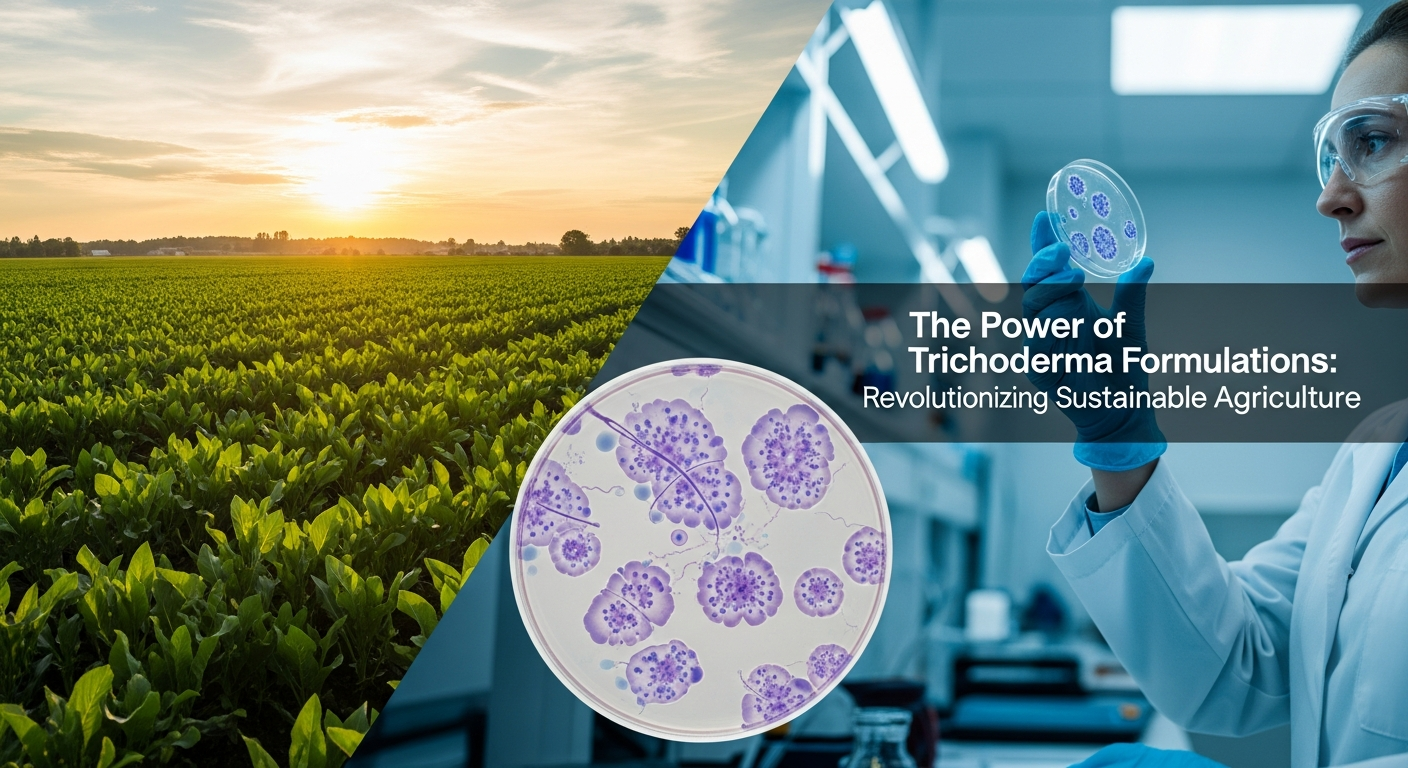
The Power of Trichoderma Formulations: Revolutionizing Sustainable Agriculture
These products are referred to as biological fungus-based formulations and are the most widely used and advanced of all biocontrol products in agriculture markets today; therefore helping farmers improve soil quality, reducing pathogens, and providing healthy and sustainable plant growth through the use of this form of biological product.
The Trichoderma will benefit the plant by promoting root growth, controlling pathogens, improving nutrient uptake by the plant and maintaining a healthy (balanced) living community of soil organisms. Trichoderma will provide healthier root zone conditions leading to improved plant strength, production, and resilience.
Trichoderma products are available in a wide range of formulations that are simple to apply as well as environmentally safe. The use of Trichoderma will reduce the reliance on chemical fungicides while improving soil health over time, thereby ultimately improving agricultural production.
Each of the different types of Trichoderma formulations has been shown to promote plant growth and protect many types of crops, including but not limited to: vegetables, fruits, grains and plantation crops. It is believed that the use of Trichoderma products are vital components of both existing sustainable agricultural systems as well as the development of future sustainable agricultural systems.
Understanding Trichoderma Formulations and Their Role in Agriculture
Agricultural products that utilize Trichoderma fungi offer many benefits to plants. Not only do they help develop and maintain healthy plants, but they also help to control disease and improve fertility in the soil naturally. These products are commonly used for sustainable/organic agriculture due to their ability to provide environmentally safe protection for crops.
Trichoderma formulations come in many different forms including powders, liquids and granular and are designed to make them easy to use on all types of crops. Trichoderma will assist a plant in developing roots, establishing a healthy balance of micro-organisms in the soil, while at the same time improving productivity.
What Are Trichoderma Formulations?
Trichoderma formulations are biological agricultural products that contain living, beneficial Trichoderma fungi, which have been proven to help control diseases and enhance plant development.
Key attributes of Trichoderma formulations are:
- Manufactured using beneficial Strains of Trichoderma fungi
- Can also be applied as both bio-fungicides and as bio-fertilizers
- Are an excellent option for organic and sustainable agriculture
- Available in numerous application forms

How Trichoderma for Plants Works
Trichoderma works in the plant environment by colonising the root zone and forming a living biological protective barrier around the roots of the plants.
Major features of trichoderma:
- Suppresses damaging soil pathogens
- Increases nutrient and water absorption
- Encourages the roots of plants to develop and branch
- Stimulates the natural defence systems of the plant

Importance of Trichoderma in Soil Health
Soils are critical to the sustainability of agriculture. The role of trichoderma is essential in maintaining the quality and balance of the soil and its microorganisms.
Benefits of healthy soils:
- Increases populations of beneficial microorganisms
- Increases the rate of decomposition of organic matter
- Increases the availability of nutrients in the soil
- Improves long-term fertility of soils
Benefits of Using Trichoderma Formulations in Agriculture
Trichoderma Formulations Improve Plant Vigor, Suppression of Plant Diseases, Soil Fertility = Multiple Benefits to Sustainable Agriculture Boasting Use of Natural Microorganisms That Provide Benefit to the Environment and Support the Healthier Crop While Reducing the Need for Chemical Fungicides and Pesticides; The Ability Of Trichoderma To Function In The Root Zone of the Plant Provides:
Long Term Health (Wellness) in Crop and Long-Term Productivity (Output)
Trichoderma has become an Essential Element of Eco-Friendly Agricultural Practices By Improving Both Plant Health and Soil Biology.
Plant Growth Promotion and Root Development
The Ability of Trichoderma Formulations to Enhance Root Growth & Promote Plant Development Provides Major Advantages.
Key Benefits as it Relates to Plant Growth:
- Enhancement of Roots By Strengthening and Increasing the Length & Number of Branch
- Improve Nutrient & Water Absorption
- Stimulate The Growth of Independent Plant Growth Hormones
- Improve Strength of Plants To Maintain Good Establishment.

Disease Suppression and Crop Protection
Trichoderma is a natural biological control agent used to help control soil pathogens.
Methods of Disease Suppression Mechanisms:
- Compete with pathogens for nutrients and space
- Produce antifungal enzymes and chemicals
- Suppresses root rot, wilt, and damping off
- Create a protective barrier around the roots of plants

Sustainable and Eco-Friendly Farming Benefits
Today, more and more farmers are moving to sustainability, and Trichoderma is an important building block for sustainable agriculture.
Some of the benefits of sustainability include:
- Reduce chemical use with natural alternatives
- Support organic farming without chemical residues
- Increase soil microbial populations
- Create healthier soils through long-term benefits

Types of Trichoderma Formulations Available in the Market
There are many formulations of the trichoderma fungi that are available for different types of crops, different types of soils and different ways to apply them. The purpose of these formulations is to effectively deliver the beneficial fungi, trichoderma, to the root zone of plants. Trichoderma gives benefits such as improving plant health, suppressing disease, and enhancing soil fertility. When deciding which formulation you would like to use with trichoderma, the right formulation will maximize the benefits that you receive from using trichoderma to support your plants.
There are many different types of formulations for trichoderma (i.e., powders, liquids and granules). Each of the formulations has particular advantages associated with agricultural needs.
Powder and Carrier-Based Formulations
Powder-based formulation products are one of the most common types of trichoderma formulations that are used in agriculture.
The following are the key features of powdered trichoderma formulations:
- easy to apply
- easy to store
- seed treated and soil mixed with a carrier type material (e.g.,totally or organically based)
The major benefits of these products are:
- improve protection of seedlings
- promote strong colonization of roots
- promote early stage growth of plants
Liquid Trichoderma Formulations
Liquid trichoderma formulations usually have viable fungal spores that are suspended in a liquid medium for easy application.
Advantages of liquid formulations:
- Faster microbial activation
- Suitable for drip irrigation and soil drenching
- Uniform application across large expanses

Granular Formulations and Biofertilizers
These formulations and products are biofertilizers that provide extended benefits for soils.
Some advantages include:
- Slow and sustained release of beneficial fungi
- Improves soil microbial activity
- Enhances nutrient availability close to the roots
How to Apply Trichoderma Formulations for Maximum Effectiveness
To gain optimal disease protection, root growth, and overall crop growth with trichoderma formulations, you need to apply them at an optimal stage of growth (in the early stages) and under ideal conditions (soil properties/supporting variables). The various application methods allow trichoderma's benefit to the plants to be established around the root zone and create long-term farm benefits by establishing the fungi in the soil around the roots of the crop.
Using the correct Application Rate (Volume), Application Timing, and Application Technique will maximize the benefits you receive from the application of trichoderma in sustainable farming systems.
Seed Treatment and Seed Coating Methods
Seed treatment is one of the best methods to apply trichoderma formulations in the early growth stages of a crop.
Benefits of the Seed Treatment Method:
- Protects seed and seedlings from soil-borne pathogens
- Promotes seed germination and root growth
- Increases the vigor of the plant in the early stages of the crop's growth.
Basic Application Method:
- Mix trichoderma formulation with water/adhesive.
- evenly apply the trichoderma formulation to all seeds before sowing.
- Shade dry all treated seeds before you plant them.
Soil Application and Foliar Spray Techniques
Soil applications and foliar sprays are considered to be the most efficient ways of distributing trichoderma spores throughout crops.
Soil application methods:
- Fresh compost or FYM can be mixed with dry trichoderma formulations.
- Soil applications can be applied in close proximity to the root zone, or can be made while preparing the land for a new planting (before the planting).
- Drip irrigation and soil drenches can also be used as a means of applying trichoderma.
Benefits of foliar sprays:
- Supports the immunity of plants Aids in decreasing the presence of fungal diseases
- Improves plant strength during periods of stress

Dosage Recommendations and Application Timing
In order to achieve optimal results with trichoderma formulations, proper dosage and timing of applications are both essential.
Best practices:
- Apply trichoderma at time of sowing or transplanting
- Reapply during periods of active growth if needed
- Maintain enough moisture in the soil after application
- Do not mix with fungicides that contain harsh chemicals.

Challenges and Solutions When Using Trichoderma Formulations
Trichoderma formulations are valuable tools for sustainable agricultural production. However, there are occasions when these formulations do not provide the same benefits because of various factors, including storage conditions, climate conditions, and the manner in which they were applied. Because trichoderma formulations use living beneficial fungi, it is essential to store and apply the product properly to protect the fungi's viability and ensure maximum crop protection and plant growth benefits.
By understanding the challenges associated with using trichoderma formulations and using proper management techniques, growers can maximize the efficacy of trichoderma formulations for their crops under different growing conditions.
Shelf Life and Formulation Stability
The most common problem associated with the use of trichoderma formulations is the ability of the fungi to remain alive during storage.
Factors that affect the shelf life of trichoderma formulations:
- Excessive heat and direct sunlight
- Moisture that has been introduced during storage
- Poor packaging
Solutions to these problems:
- Storing products at low temperatures and in a dry environment
- Using properly sealed, airtight containers
- Always following the storage and expiration date of trichoderma formulations

Environmental Factors Affecting Performance
Trichoderma's effect on plants is dependent on a number of environmental factors that need to be favourable.
Major environmental impacts include:
- Soil moisture and irrigation
- Soil pH and temperature
- Organic matter

Compatibility With Agrochemicals and Fertilizers
Compatibility of trichoderma with fertilisers and other chemicals is an important consideration.
Challenges:
- Chemical fungicides can inhibit fungal activity
- Excessive use of pesticide will reduce numbers of beneficial microorganisms.
Solutions:
- Do not combine harsh fungicides from the start
- Biological formulations should be applied at separate times where possible
- Use only organic fertilisers and organic biological inputs that are compatible.
Choosing the Right Trichoderma Formulation for Your Crop and Soil
To protect your plants from disease, improve the growing conditions for roots and increase the overall production levels of your crops; you will need to choose the correct type of Trichoderma formulation based on the following factors: Similar types of crops will utilize Trichoderma as a Type of Treatment and have Similar Farming Practice / climatic zone etc. This is important for farmers to understand in order to get the best use of Trichoderma on their crops resulting in improved long term agricultural results.
Choosing Trichoderma Products Wisely Will Provide for Better Root Colonization, Stronger Disease Suppression, and Higher Levels of Microbial Activity Within the Soil.
Crop-Specific Trichoderma Formulations
Different types of crops respond differently to Trichoderma depending on their growth habits as well as the type of disease pressure that they may encounter throughout their lifecycle.
Examples of some of the Crop Specific Forms of Benefits that Can be Provided by Trichoderma Include
- Vegetable Crops Require Strong Disease Suppression from Trichoderma, T
- Fruit Crops Require Formulations That Enhance Root Growth And Vigor
- Cereal And Pulse Crops Require Stress Resistant Strain of Fungal Pathogens to Promote Plant Resilience
Soil Health and Environmental Considerations
In order to have maximum success with trichoderma, environmental and soil quality must be considered.
Considerations of environmental and soil quality include:
- Management of soil moisture and irrigation
- Soil pH and organic matter
- Temperature and soil micro-organisms

Commercial Product Selection Tips
Using quality trichoderma products will provide consistent crop performance.
You can use the following advice when selecting products:
- Verify that the amount of viable fungi (CFU) is listed on the label.
- Check for manufacture and expiration dates.
- Purchase from reputable agricultural companies.
- Base your choice of product on what type of crop/application is desired.

Future Prospects of Trichoderma Formulations in Sustainable Farming
Agriculture is heading in the direction of environmentally friendly, safer, & biologically based agricultural solutions so thus, Trichoderma formulations will be key components of that transition, as they provide natural means to improve the health of plants, reduce the incidence of disease and increase the fertility of soil; therefore, Trichoderma products will become highly useful additions to sustainable farming systems on a global scale.
With increasing numbers of farmers looking for alternatives to high levels of chemical pesticide use, Trichoderma for crops is becoming an increasing priority within modern farming practices, which include organic farming & integrated crop management.
Role in Integrated Pest Management (IPM)
Trichoderma products are now being used increasingly by IPM Programs to help achieve their Program Goals.
Benefits of Using Trichoderma in Integrated Pest Management (IPM) Programs:
- Reduces use of chemical Fungicides
- Supports Biological Control Strategies
- Works In Combination with Beneficial Microorganisms and/or Organic Fertilizers
- Increases Long-Term Sustainability of Crop Protection

Innovations in Trichoderma Bioformulations
New research developments are aiding in the continued improvement of trichoderma bioformulation efficacy and quality.
Some of the newest developments include:
- New shelf-life extension technologies
- Liquid and granular formulations which are superior to previous formulations
- Strain selection for individual crops, which are more closely suited than ever before.
- Compatibility with biofertilizer

Expanding Role in Organic Agriculture
Organic farming represents a fast-growing global market, and there is now a growing need for trichoderma bioformulations.
Reasons that trichoderma should be considered essential to the organic farming community include:
- Residue-free disease management
- Enhancing the natural ability of the soil to produce healthy crops
- Increasing the health of crops grown in a natural environment
- Increasing the diversity of microorganisms in agricultural soils.
FAQs
Q1. What are trichoderma formulations?
Trichoderma formulations are biological products containing beneficial trichoderma fungi used for plant growth promotion and disease control.
Q2. How does trichoderma for plants work?
Trichoderma for plants works by colonizing roots, suppressing harmful pathogens, and improving nutrient uptake naturally.
Q3. What types of trichoderma formulations are available?
Powder, liquid, granular, and carrier-based trichoderma formulations are commonly available in the market.
Q4. Can trichoderma replace chemical fungicides?
Trichoderma can reduce the need for chemical fungicides and support sustainable disease management practices.
Q5. How are trichoderma formulations applied?
They are applied through seed treatment, soil application, compost mixing, drip irrigation, and foliar sprays.
Conclusion: Embrace Trichoderma Formulations to Enhance Sustainable Agriculture
Trichoderma formulations are changing the face of agriculture by providing natural/biodegradably derived ways to help grow plants successfully, minimize the possibility of disease occurrence, and favorably affect soil structures for healthy crops throughout their entire lifecycles. The best way to achieve the above-mentioned benefits is for agricultural producers to enhance their root system development with greater nutrient acquisition and eliminate potential pathogens through the utilization of Trichoderma products.
As sustainability in agricultural production practices continues to be enhanced by introducing more environmentally conscientious strategies, there is growing interest in utilizing biological methods or alternatives in lieu of excessive reliance on synthetic chemicals such as pesticides and fungicides to promote the successful production of healthy crops; as a result of which, Trichoderma formulations provide a means for agricultural producers to grow crops with healthy root systems while supporting long-term sustainable soil management and enhancing the quantity and quality of organic agricultural products.
Throughout this era of rapid advancements in sustainable agriculture, it is critical that agricultural producers incorporate Trichoderma products into their day-to-day agricultural operation in order to substantially increase the effectiveness of the agricultural products that are developed or produced, support the growth of organic agricultural products and build permanent and long-term agricultural based sustainability practices that benefit everyone. As the development of sustainable agricultural procedures continues to progress, it is important to develop additional biological solutions that will lead to ongoing success in producing healthy crops and improving quality of life for all.


