
Unlocking the Power of Trichoderma koningii: Nature’s Solution for Plant Health and Growth
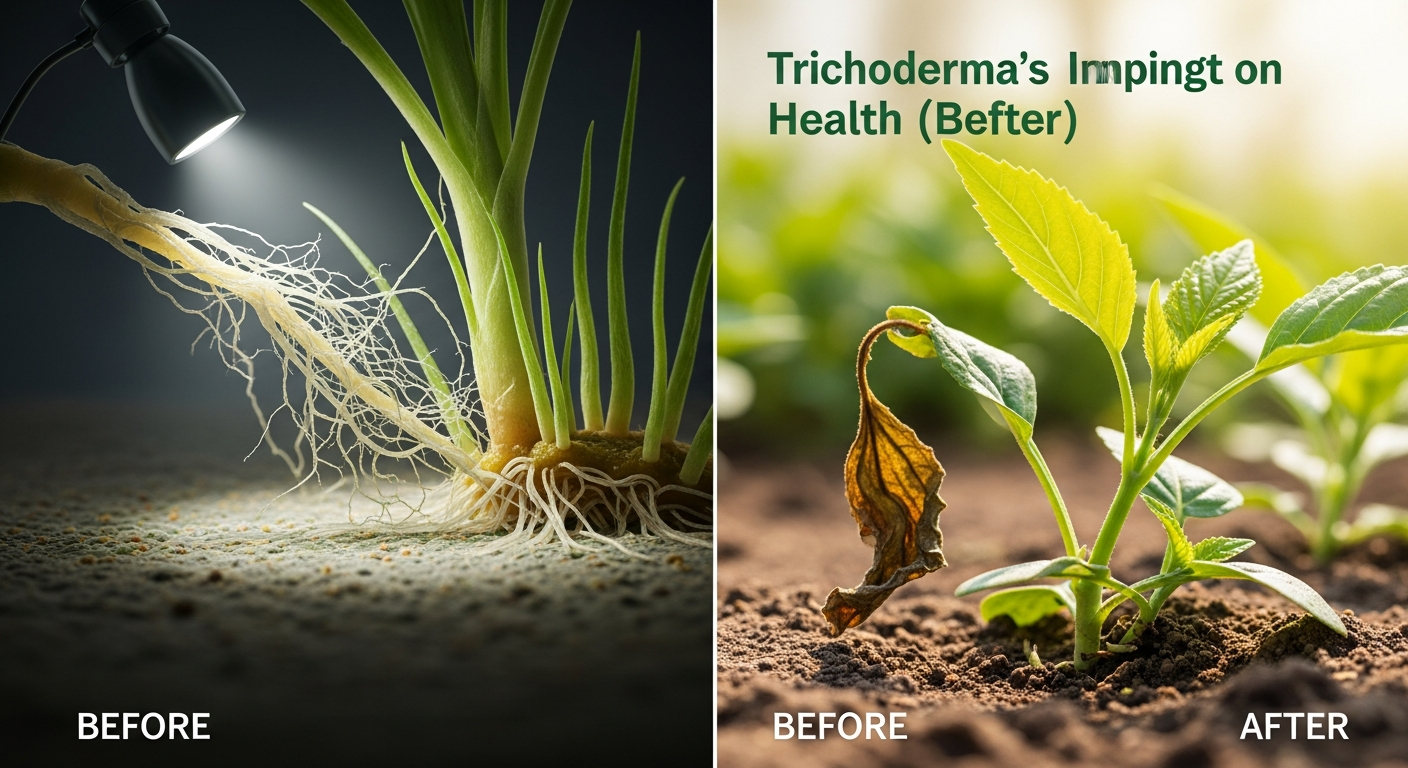
Trichoderma koningii belongs to a group of fungi called Trichoderma. These fungi are naturally occurring beneficial organisms that occur naturally in soils. Trichoderma fungus has been used in agriculture for many years as a: b) beneficial fungus by farmers to improve soil quality and provide protection to crops.
At the root zone of the plant, Trichoderma koningii plays a very important role in many respects. First, it has the ability to inhibit the growth of harmful soil-borne pathogens, while promoting the development of healthy, vigorous roots. It increases the available amount of nutrients for the plant, it improves the microbial balance in the soil, and it allows for a controlled and consistent level of growth to be achieved by the plant, without negatively impacting the environment.
Trichoderma can be used alone or in combination with numerous other natural remedies and/or biological control agents. Trichoderma works in concert with other beneficial organisms, enabling it to provide an environmentally safe and effective remedy for the growth of plants and their protection from pest and disease pressures.
Trichoderma for plants is a natural mushroom/fungi fungus, therefore it is user-friendly, environmentally safe, and can be used as a sustainable, organic application for both home gardeners and commercial farmers. Trichoderma koningii will strengthen and enhance your plants' growth, as well as allow the plant to better tolerate disease and environmental stressors.
In short, Trichoderma koningii is a natural solution to enhance and protect the health of all types of crops, including vegetables, fruits, and grains. Trichoderma is Mother Nature's trusted solution for providing long-term health and productivity for all crops.
Introduction: What Is Trichoderma koningii and Why Is It Important?
Trichoderma koningii is a naturally occurring beneficial Fungus of the Trichoderma family that has been widely used to promote plant health and improve soil quality. Trichoderma works at the root zone protecting plants from soil borne diseases as well as enhancing root development and nutrient acquisition. It is considered an important element of sustainable and organic agriculture due to its non-toxic, environmentally friendly and residue free nature.
By providing below ground support of plants, Trichoderma for Plants can create long-lasting protection and growth support for plants; thereby providing a natural alternative to chemical-based crop protection.
Definition and Classification of Trichoderma koningii
Trichoderma koningii is a type of fungus belonging to the Trichoderma genus. There are many different types T. koningii but this specific type is classified as a ‘beneficial’ fungus and will have an antagonistic relationship with pathogenic fungi on plants.
Some key points to its classification will be:
- Class – beneficial soil or ecological fungi
- Group – Trichoderma
- Function – bio-fungicide/will promote growth of plants
- Use – seeds, soil/ground, and root zones

Role of Trichoderma Fungus in Soil Health
Trichoderma fungus is important in maintaining soil fertility and microbial balance.
The health benefits of trichoderma fungus include:
- Suppressing damaging soil fungi
- Increasing the number of good bacteria
- Decomposing organic material quickly
- Increasing nutrients available to the roots
By creating healthy soil, trichoderma koningii promotes continued productiveness of crops and sustainability of the soil.
Importance of Trichoderma for Plants in Sustainable Agriculture
Trichoderma is a key player in the sustainable agriculture industry because it helps farmers become less dependent on chemical applications while also creating an environmentally friendly product.
The following are examples of how trichoderma contributes to sustainability:
- Roots are more stable and able to combat disease with a stronger immune system
- Higher levels of nutrients can be absorbed by the plant for better growth (and can reduce fertilizer application)
- Reduces the amount of chemicals needed for disease control
- Safe for use in food crops and environmentally friendly.
Trichoderma koningii's ability to not only control diseases but also promote plant growth has made it a very important component of sustainable agriculture .
The Science Behind Trichoderma koningii: How This Beneficial Fungus Works
Trichoderma koningii is a potent member of the genus Trichoderma, capable of developing multiple ways to impact plant health, such as protecting roots; enhancing soil microbe populations; and enhancing plant defenses against disease. This multi-faceted action renders Trichoderma for Plant an exceptionally dependable and sustainable product.
Trichoderma koningii associates closely with plant roots to create a protective and growth-enhancing environment in plant roots that enhances plant performance regardless of whether they are being subjected to normal or stressful conditions.
Mechanism of Action and Fungal Antagonism
Trichoderma koningii actively inhibits the growth of destructive fungi via strong competition.
Important mechanisms of T. koningii's antifungal capacity include:
- Production of antifungal metabolites and enzymes
- Suppressing the growth of pathogens
- Competing for space and nutrient resources in soil

Root Colonization and Plant–Microbe Interaction
The ability of Trichoderma fungi to efficiently colonise the root zone is one of its many benefits to plants.
What are the benefits of colonising the root system of a plant?
- Forms a Barrier Around Plant Roots to Protect Them
- Increases Nutrient & Water Absorption by the Roots
- Stimulates Roots to Grow Longer and More Branching Roots
- Increases the Triggering of Plant Immune Responses
Trichoderma koningii provides plants with a stronger and healthier growth pattern by enhancing the interaction between the plant root and the Trichoderma fungi.
Mycoparasitism and Suppression of Soil-Borne Pathogens
Mycoparasitism is the ability of a fungus to feed on another fungus and Trichoderma koningii (often referred to simply as Trichoderma) is a plant beneficial fungus exhibiting this ability providing mycoparasitic control of pathogenic fungi.
How mycoparasitism works:
- Trichoderma detects the presence of pathogenic fungi present in soil.
- Trichoderma coils around the hyphal growth of pathogens.
- Trichoderma penetrates into and degrades the pathogen.
- By doing so, Trichoderma provides direct suppression of soil-borne pathogen sources.
Due to this mycoparasitic activity of Trichoderma, it is an effective biological control agent against root rot, wilt, and damping-off diseases, and provides long-term protection of healthy plants.
Agricultural Benefits of Using Trichoderma koningii
Using Trichoderma Kiningii has many advantages for agriculture. T. Kiningii is a beneficial fungus that helps protect crops from diseases caused by pathogens (including fungi), strengthen their roots, and improve soil quality through natural and safe methods.
Trichoderma koningii is commonly used as a biocontrol agent in sustainable, organic, and integrated farming systems because of its ability to naturally and successfully control harmful organisms.Trichoderma koningii’s action at the root level provides durability and reliability during the entire growing season for producing crops.
Natural Disease Suppression and Crop Protection
TNK (Trichoderma koningii) provides a bioprotective barrier against soil borne disease.
Key protective features:
- suppression of cotton root rot, wilt conditions, and damping off.
- competing against pathogenic fungi for both space and nutrients.
- producing antifungal enzymes and other metabolites.
- decreasing dependency on chemical fungicides.

Plant Growth Promotion and Yield Improvement
Trichoderma is not just used as a disease control agent for plants, it also improves plant growth through its use as a promoter of plant development.
Advantages of using trichoderma to enhance growth and yield include:
- Stronger roots systems
- Improved nutrient/water uptake
- Increased plant hormones (growth/defense)
- Better flowering & fruit production
Using trichoderma koningii on a regular basis, will produce healthier plants with improved yields quality and overall higher production than if no trichoderma had been applied to those plants.
Soil Health Enhancement and Microbial Balance
Trichoderma koningii as a contributor to enhancing and supporting good, sustainable - productive soil.
Benefits of Healthy Soil:
- The multiplication of beneficial microbes.
- Break down organic materials much faster
- Improved soil structure, airflow/definition of , and aeration through improved soil spacing.
- Increased Long-Term availability of nutrients (long-term use).
Using Trichoderma fungi in addition to other soil microorganisms will promote a balanced microbial environment, improve soil vitality, and promote continuous agrarian practices leading to sustainable agriculture and agricultural sustainability.
How to Apply Trichoderma koningii in Your Garden or Farm
Applying Trichoderma koningii to your garden or farm is an effective way to control disease and promote healthy plant growth at every stage of production. Properly applying the fungus to establish itself in the crop's root zone will protect plants from pathogens and improve the health of the soil. When used correctly, trichoderma provides long-term reliable and stable results for both plant and soil.
Applying trichoderma early in the crop's production cycle and following recommended practices will allow you to achieve optimal root colonization and the fullest benefits from using trichoderma on your plants.
Seed Treatment With Trichoderma koningii
Using trichoderma koningii as a means of treatment for seed introduction is one of the most effective methods for doing so at the early growth stage.
Benefits of using trichoderma koningii on seed treatments:
- Protects seeds and seedlings from diseases caused by soil
- Encourages good germination rates and promotes fast root development.
- Provides an even establishment of all crops.
How to apply trichoderma koningii:
- Combine with water or organic adhesive
- Evenly coat seed and shade dry before sowing

Soil Application and Compost Inoculation
The Trichoderma fungi will be able to live in the soil where these pathogens have the highest concentration because of soil inoculation.
Soil and Compost Inoculation Methods:
- By mixing well-dissolved FYM/Compost with Trichoderma koningii
- Adding Trichoderma to the location where the soil will be prepared (during land preparation or close to the root system)
- Using FYM/Compost as a wetting agent will increase soil microbe activity.
Key Benefits:
- Effective control of root disease.
- Improved Microbial Soil Balance.
- Increased availability of nutrients.
Dosage, Timing, and Application Best Practices
When you follow the correct dosage and timing of trichoderma the benefits of the product for your plant(s) will be maximized.
Best Practices
- Apply at early crop stages or when transplanting.
- Do not mix the product with any chemical fungicides.
- Ensure that there is adequate soil moisture after application.
- Reapply the Product every 20 to 30 days, as necessary.

Differentiating Trichoderma koningii From Other Biocontrol Agents
Trichoderma koningii is an excellent species of trichoderma fungus that has been shown to suppress diseases in a significant way and provide benefits to the growth of plants. There are a large number of different biocontrol agents available today; however, they have been developed using different methods and will produce varying long-term benefits. Understanding how they differ from each other can assist farmers in selecting the proper trichoderma species for their specific needs related to the crop type and soil type.
Trichoderma koningii is unique because of its ability to perform multiple actions at the same time when compared to either fungal or bacterial biocontrol agents.
Trichoderma koningii vs Trichoderma harzianum
Both species belong to the trichoderma fungus group, but they differ slightly in performance and adaptability.

Fungal Biocontrol Agents vs Bacterial Solutions
Trichoderma (fungal) biological controls for plants vs. Bacterial Biological Controls work very differently when it comes to the soil environment.

Based on the ability of Trichoderma's durability and effective colonization of the root, the Trichoderma fungus type Koningii provides greater protection over a longer period of time.
Unique Strengths of Trichoderma koningii
Trichoderma koningii has many unique features that can enhance its reliability.
- Great at Suppressing Soil-Borne Diseases
- Great At Promoting Strong Plant-Microbe Interaction
- Great At Enhancing Nutrient Uptake/Root Growth
- Great At Improving Soil Microbial Balance
- Great For Organic/Sustainable Farming
Because of these properties, Trichoderma koningii will be the preferred biological control option for farmers who would like to grow strong, resilient crops in our healthy, sustainable soils.
FAQs
Q1. What is Trichoderma koningii used for in agriculture?
Trichoderma koningii is used to control soil-borne plant diseases, improve root growth, and enhance soil health naturally.
Q2. Is Trichoderma koningii safe for food crops?
Yes, trichoderma koningii is completely safe, residue-free, and suitable for vegetables, fruits, and food crops.
Q3. How does Trichoderma fungus protect plants?
The trichoderma fungus protects plants by suppressing harmful pathogens, colonizing roots, and strengthening plant defense systems.
Q4. Can Trichoderma koningii replace chemical fungicides?
It can significantly reduce or replace chemical fungicides when used preventively and as part of an integrated crop program.
Q5. How often should Trichoderma koningii be applied?
It is usually applied at sowing or transplanting and repeated every 20–30 days if needed, depending on crop and disease pressure.
Conclusion: Harness the Potential of Trichoderma koningii for Healthier Plants and a Greener Future
Trichoderma koningii is a powerful, naturally occurring, biological agent that has been shown to improve plant health and protect crops against harmful, soil-borne pathogens. Trichoderma works primarily at the root level by suppressing pathogens, building plant defence mechanisms and supporting healthy root growth. Its many modes of action make it an effective, environmentally friendly and sustainable substitute for chemical fungi.
Trichoderma is a key player in improving soil fertility and maintaining microbial balance. Its benefits to the plant are derived from increasing populations of beneficial microorganisms and enhancing nutrient availability, making plants stronger, more tolerant of extreme environmental conditions, and able to withstand periods of stress. The net effect of these benefits is that crops produce higher yields than they would otherwise produce consistently over time.
Farmers can utilize trichoderma koningii in their normal crop management practices to decrease their dependence on chemical products, enhance food safety and help maintain the environment. The adoption of the trichoderma fungus will be a significant step toward a more sustainable agricultural industry, healthier plants, and a more sustainable future.