

The Ultimate Guide to Using Dried Seaweed for Fertilizer: Boost Your Garden Naturally
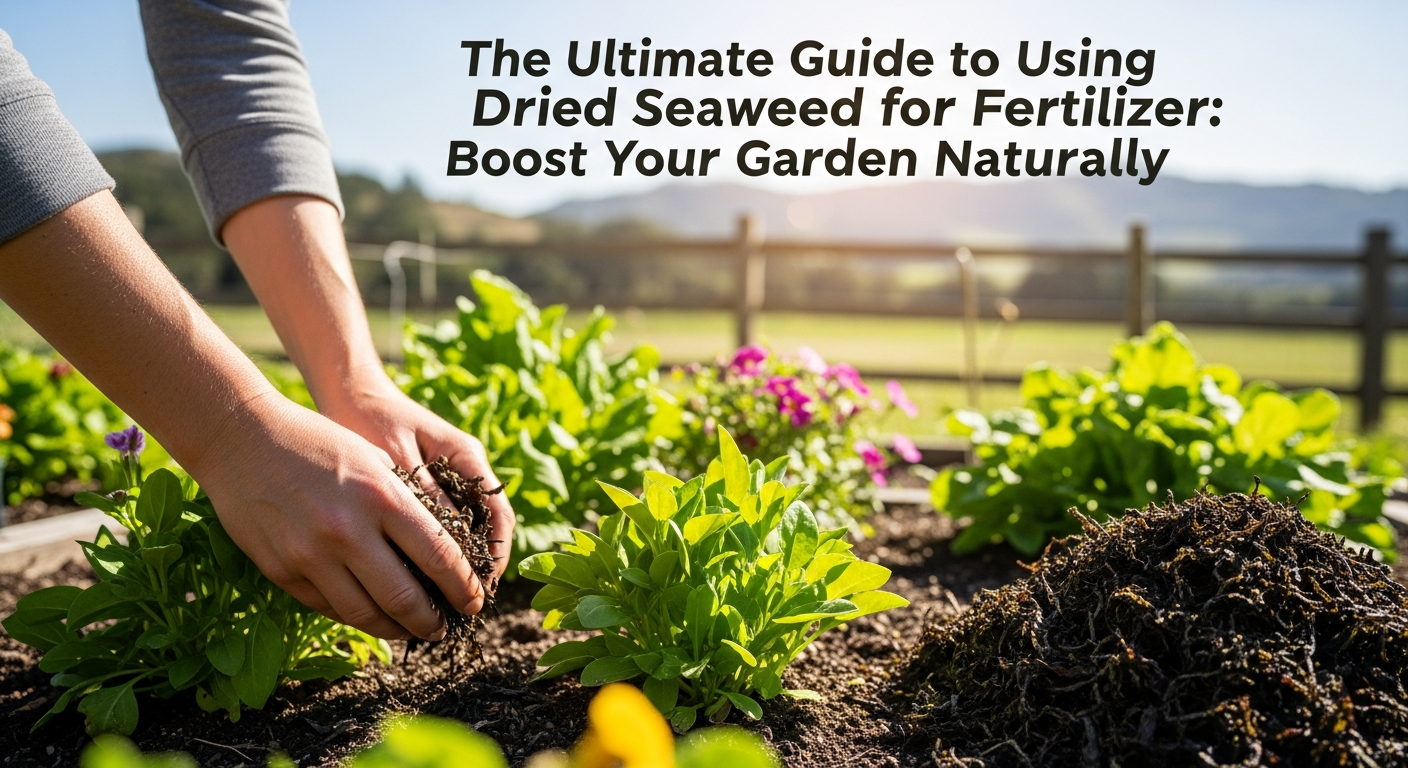
Natural, nutrient-rich fertilizer from dried seaweed has helped to increase soil fertility and grow healthy plants for centuries. Harvested from ocean waters then dried, seaweed offers a sustainable source of organic nutrition for your garden, lawn, vegetable garden and crops.
Seaweed fertilizers are loaded with Potassium, Calcium, amino acids, and trace minerals along with natural stimulants that promote plant growth. By using Seaweed fertilizers, plants are able to absorb nutrients much more efficiently and will develop a stronger root system and a healthier top.
Seaweed fertilizers improve soil microbial activity and soil biology by providing improved soil health over synthetic fertilizers. Soil structure, moisture retention and plant ability to withstand drought and heat will improve by using Dried Seaweed as a fertilizer.
Adding Dried Seaweed to your soil can provide long lasting benefits by improving flowering and fruiting as well as providing greener, better quality plants. For the most part each application of Dried Seaweed will provide for a more sustainable growing practice.
Why Choose Dried Seaweed for Fertilizer? Understanding Its Natural Advantages
Fertilizing our plants has become increasingly popular with gardeners, farmers and those who want to grow their own food. As a more sustainable option than chemical or synthetic fertilizers, many gardeners and farmers choose to use dried seaweed as a source of plant nutrition.
Providing your plants with dried seaweed, or seaweed based plant nutrition can provide your plants with a lot of nutrients derived from Natural Minerals, Bioactive Compounds, Organic Nutrients, and other needed minerals to grow a healthy plant and what’s more is that you can build healthy soil. Dried seaweed provides these nutrients much slower than Chemical Fertilizers can therefore provide a steady nutrient supply throughout the growing season.
What Makes Dried Seaweed a Powerful Natural Fertilizer?
Most dried seaweeds are loaded with nutrients and Natural Plant Growth Stimulating Compounds. These are some of the Key Nutritional Components Found in Dried Seaweeds;
The major components that make dried seaweed a strong source of organic fertilizer include:
- Potassium, Calcium, Magnesium, and Iron
- Natural Plant Growth Hormones Such As Auxins and Cytokinins
- Amino Acids and Organic Compounds
- Trace Elements that are essential for Plant Metabolism
How the above components in Dried Seaweeds work:
- They are higher in Nutrient Absorption Capability
- Stimulate Natural Root Growth of Plant
- Improve the Resistance of Plants to Environmental Stress
The Nutritional Content in Dried Seaweeds will provide gentle nourishment for your plants while increasing their long-term Soil Fertility.
How Seaweed as Fertilizer Supports Sustainable Gardening
The use of seaweed fertiliser contributes to sustainable garden practices by decreasing reliance on chemical fertilisers.
There are many benefits to using seaweed for sustainability:
- It is a source of renewable nutrients that are biodegradable.
- It will help to build soil structure.
- It will result in reduced chemical run-off and pollution of the soil.
- It helps to support organic or regenerative agricultural systems.
By using seaweed-based fertilisers, you will help to ensure a more balanced relationship between plant development and the environment.

Benefits of Organic Seaweed Fertilizer for Plants
By increasing the biological activity of soil and the metabolic functioning of plants, organic seaweed fertilisers can result in improved plant growth.
Some of the advantages that organic seaweed fertilisers can offer your plants are:
- Development of stronger roots plus better uptake of fertiliser (nutrients)
- Improvement of your flowers and fruit
- Increasing resistance to drought and stress
- Improving levels of microbial activity in soil.

Nutrient Composition of Dried Seaweed and How It Enhances Soil Health
Due mainly to the extensive list of vital nutrients contained within dried seaweed, this product is frequently used by farmers and gardeners as a fertiliser or conditioner for their soils. For example, dried seaweeds contain a variety of organic compounds, natural stimulators for growth, and trace minerals; all these things aid in promoting healthy, vigorous growth of plants, while simultaneously promoting increased levels of biological activity in the soil.
Unlike most commercially manufactured synthetic fertiliser products, which have been specifically engineered to provide a quick source of nitrogen (N) and phosphorus (P) for plant growth, nutrition derived from dried seaweed nourishes plants and soils on an ecosystem basis simultaneously.
Essential Nutrients and Trace Minerals in Seaweed
Dried seaweed has many key macro and micronutrients for balanced plant growth.
Key Nutrients Found In Dried Seaweed:
- Potassium - helps with flowering and stress tolerance
- Calcium - helps with the structural strength of plant cell walls
- Magnesium - helps with chlorophyll production
- Iron & Zn - help improve plant metabolism and growth.
Beneficial Nutritional Components in Dried Seaweed:
- Amino acids
- Natural plant hormones
- Vitamins
- Antioxidant Compounds
These nutrient-rich compounds found in dried seaweed enhance the efficiency of nutrients from it and help create stronger & healthier plants through their ability to withstand environmental stressors.

Improving Soil Structure and Moisture Retention
Soil is improved using seaweed as a fertilizer (fertilizer improves the physical properties of the soil and helps the soil to be better able to support plant roots and manage water).
Benefits of improving soil structure include:
- Greater aeration and root penetration
- Increased ability of the soil to hold water
- Reducing the compaction of soils
- Improved retention of nutrients
These improvements will enable plants to endure times of drought and reduce their stress due to heat.
Enhancing Microbial Activity in Soil
Beneficial microorganisms are an essential part of a healthy ecosystem and dried seaweed, when used as a fertilizer, is a natural source of food for these microorganisms.
The advantages of enhancing microbial activity in the soil include:
- Faster degradation of organic materials
- Enhanced cycling of nutrients
- Healthier root zones
- Increased natural fertility of the soil
Beneficial microbes convert nutrients into available forms that plants are better able to assimilate.

Different Types of Dried Seaweed Suitable for Fertilizer Use
A variety of different kinds of Dried Seaweed is available for use as a fertilizer. Each type offers its own set of unique features and benefits that can be helpful in improving the health of your garden or farm. One way these Benefits can differ is in how they contain different levels of nutrients, organic matter, and plant Growth stimulants. By learning about the various options in Dried Seaweed you will be better equipped to choose the right type to meet your needs.
Kelp and Brown Seaweed Fertilizers
Kelp and other varieties of Brown Seaweeds make up a Majority of the Dried Seaweed types that are currently used, due to their high level of Nutritional value and Plant Growth stimulating compounds.
Basic Features:
- Rich in Potassium and Trace Elements
- Contains Plant Hormones such as Auxin and Cytokinin
- Enhances Root and Nutrient Development
- Increases Tolerance of Plants to Environmental Stresses
Best Uses:
- Vegetable Gardens
- Fruit Raising
- Lawns & Ornamental Plants
Kelp Fertilizers are used extensively for all aspects of promoting Balanced Growth and Improving Soil health.

Red Seaweed and Seaweed Meal Options
Red Seaweed and Seaweed meal have been popular options for moisture retention and long-term soil improvements.
Why Do Gardeners Use Red Seaweed?
- Adds Extra Minerals and Organic Matter
- Supports Beneficial Soil Microbes
- Improves Soil Texture and Fertility
Benefits of Seaweed Meal
- Nutrient Source With Slow-Release Capability
- Easy To Incorporate in Compost or Garden Beds
- Increases Moisture Retention in Sandy Soils
The use of seaweed meal is ideal for use in organic gardening systems that desire a gradual nutrient release.
Powdered Seaweed Fertilizer Products
Preparation for using a natural potash source by pulverising the dried seaweed provides many options for application due to the concentrated product available.
Powdered Seaweed Fertiliser Benefits:
- Can be easily mixed with water for either foliar or liquid application
- Very suitable for use when mixing with compost material to enhance & supplement nutrients
- Provides a higher nutrient concentration versus lower quantities used.
- Convenient for transporting and storing.
Typical applications of Seaweed Fertiliser Products Include:
- Liquid fertiliser solutions for the treatment of Seeds
- Foliar Fertiliser Applications on Leaf Surfaces
- Pilot Projects with Amending Soil Nutrients
How to Prepare and Apply Dried Seaweed Fertilizer in Your Garden
When used correctly, dried seaweed as a fertilizer allows plants to absorb nutrients more efficiently while at the same time improving both the health of the soil and the microbial action in the soil. Dried seaweed provides several different forms of seaweed nutrition, with seaweed tea, foliar sprays, and soil incorporation being the most popular methods of applying this form of plant food.
Correct preparation and application of dried seaweed will lead to stronger plants, more vigorous root systems, as well as enhanced crop production naturally.
Preparing Seaweed Tea for Plants
One of the best uses for seaweed as an organic fertilizer is to make seaweed tea, which provides nutrients to plants quickly.
Steps for Making Seaweed Tea:
- Rinse any dried seaweed to remove as much excess salt as possible.
- Soak the seaweed in a bucket of water for 1-2 weeks.
- Stir the seaweed every couple of days while it soaks (this helps in the fermentation process).
- Strain off the liquid before using it.
How to Use Seaweed Tea:
- Dilute the concentrate before applying it to your plants.
- Face the diluted solution as a foliar spray or drench into the soil.
Benefits of Using Seaweed Tea:
- Quick absorption of nutrients by plants.
- Vigorous plant.
- Better stress resistance in plants.
Foliar Spray and Soil Incorporation Methods
Using different ways to apply seaweed fertilizer helps growers provide their plants with the best possible benefit from seaweed fertilizer according to what's best for their plants.
Foliar Spray Application
Spraying diluted (1-15% seaweed in water) seaweed solution on the leaves of plants provides a very fast means for the leaf to absorb nutrients provided in the form of seaweed fertilizer.
Pros:
- Fast response from the plants
- Improved flower development, leaf development and overall plant growth
- Fast recovery from stress to the plant
Soil Incorporation Method
Dried seaweed may either be incorporated into the soil or compost, prior to planting, or may also be worked into the soil or compost after planting.
Pros:
- Long-lasting nutrient supply
- Improved soil structure
- Increased biological activity of microorganisms

Application Timing and Frequency Tips
Applying dried seaweed fertilizer at the appropriate time and in the correct amounts will increase the nutritional use efficiency of the soil and promote vegetative growth of the plant.
Best Time to Apply:
- In the early morning or late afternoon
- During the vegetative development phase of growth
- Before the flowering and fruiting phases of growth
Recommended Frequency:
- Foliar sprays every 2 to 3 weeks
- Soil applications every 4 to 6 weeks
Important Recommendations:
- Do not apply too much
- Lightly water after soil application
- Follow the careful dilution recommendation detailed on the container
How Dried Seaweed Fertilizer Promotes Stronger Plants and Higher Yields
When used as a fertilizing agent, using dried seaweed to achieve a higher yield or for stronger, healthier plants will help your plants grow better and increase the overall productivity of your crops.
The three main components of seaweed nutrition are trace minerals, amino acids, and natural plant hormones/stimulants. Each of these components supplies a fertilizer nutrient that works in conjunction with the others to promote strong and healthy goals for your plants.
Boosting Root Development Naturally
Seaweed fertilizer promotes healthy root establishment and strengthening.
Some of the ways that seaweed helps to promote healthy root development:
- Seaweed encourages deeper root growth
- Seaweed increases water and nutrient uptake by the roots
- Seaweed promotes more branching and a greater density of roots
- Seaweed promotes quicker establishment of transplants into the field.
The benefits of having stronger and healthier roots include:
- Increased drought resistance
- Improved nutrient use efficiency
- Increased stability and vigor of the plant.

Improving Flowering, Fruiting, and Crop Yield
Using dried seaweed as a fertilizer has the primary advantage of improving flower and crop production.
The Impact of Seaweed Fertilizer on Yield
- Increased Flower Buds
- Increased Setting/Development of Fruit
- Better Cycling & Transporting of Nutrients in the Plant
- Increased Healthy Balanced Vegetative Growth
Types of crops best suited for seaweed fertilizer:
- Vegetables
- Fruits
- Non-veggie ornamental plants
- Plantation crops
Plants fed with seaweed nutrition typically produce healthier flowers, larger fruits and improved crop yields overall.
Increasing Plant Resistance to Stress and Disease
Plants often experience different stresses from their environment. These would include drought, heat, salinity, and nutrient stress. Utilizing seaweed fertilizers will help plants build up their resistance to these types of stressors.
The benefits of increasing resistance to stress may include:
- Improved drought and heat tolerance
- Faster recovery after transplanting
- Stronger natural defences
- Greater ability to adapt to environmental changes
The natural compounds found within seaweed can assist with injury repair and aid the plants in becoming metabolically active so that they are better prepared to withstand many different types of stress.

Environmental Benefits of Using Dried Seaweed Over Chemical Fertilizers
As gardeners and farmers become aware of sustainable growing methods, a natural method for fertilizer has emerged as dried seaweed. Seaweed-based plant nutrients will feed your plants while preserving soil quality, water quality and surrounding ecosystems.
The use of synthetic fertilisers, which have been shown to create long-term damage to the environment, is solved naturally by using seaweed fertiliser to improve soil health and to develop balanced agricultural systems.
Reducing Chemical Runoff and Soil Pollution
The most considerable benefit from an Environmental point of view regarding using seaweed as a fertilizer is that it lowers the dependence on synthetic chemical additives.
The ways seaweed reduces Pollution.
- Decreased nutrients run off into our rivers and groundwater.
- Reduced salts that build up and degrade soil.
- Reduction of harmful chemical build-up in the soil.
- Creating healthier long-term soil biology.
Delayed Release Nutrients from seaweed products allow for more efficient uptake by plants and less nutrient loss to the environment.

Supporting Eco-Friendly and Organic Gardening
Seaweed fertilizer has been widely adopted as a natural growing medium in organic and regenerative agricultural systems
Benefits of using organic seaweed:
- Safe for use by many types of valuable insects and pollinators
- Compatible with organic agricultural practices
- Promotes and stimulates the natural growth of beneficial micro-organisms in soils
- Enhances soil fertility without the use of synthetic chemicals
Using dry seaweed as your growing medium has many benefits, creating more healthy environments for plants, other creatures, and beneficial microorganisms within the soil.
Renewable and Sustainable Fertilizer Source
Seaweed Is A Renewable Marine Resource That Can Be Harvested Sustainably When Managed Properly.
Reasons Why Seaweed Is Sustainable:
- Naturally Replenishing In Marine Ecosystems
- Biodegradable And Environmentally Friendly
- Less Requires Industrial Processing Than Chemical Fertilizers
- Will Support Long-Term Sustainable Agricultural Development.
Potential Challenges and How to Overcome Them When Using Seaweed Fertilizer
Even though using dry seaweed as a fertilizer can help with plant growth and healthy soil, for you to get the best results from using it, you need to use it correctly. While using any type of organic material, the application of seaweed-based products must be done properly to avoid problems such as too much salt accumulation, poor storage of the product and imbalance of nutrients.
Consideration of the potential challenges with using seaweed fertilizer is important in maximizing the benefits of using seaweed fertilizer by gardeners and farmers.
Managing Salt Content in Seaweed
Salt is a natural part of the makeup of many marine plants, which is one of the reasons so many people have concerns about using seaweed as fertilizer. If the amount of salt is not managed properly, it can cause stress to sensitive plants and/or soil.
Readable Information on How To Reduce Salt Content of Seaweed Fertilizers:
- Rinse dry seaweed thoroughly prior to use.
- Soak seaweed in fresh water prior to making seaweed tea.
- Do not apply too much seaweed in containerised plants or on salt sensitive crops.
Major Benefits of Managing Salt With Seaweed Fertilizers:
- To reduce root and leaf burn.
- To maintain a good balance of the soil.
- To protect the beneficial soil microorganisms.

Proper Storage and Application Practices
Properly storing and handling seaweed fertilizer will keep the material in good shape and working properly after being used for an extended time.
Storage tips
- Keep dried seaweed in a cool, dry area.
- Store out of direct sunlight and moisture.
- Use airtight containers for powders.
Best practices for fertilizing
- Use recommended rates of dilution.
- Apply when it is cooler outside.
- Mix in your soil until evenly mixed or spray on the leaves evenly.
Proper handling of seaweed minimizes breakdown and enhances the use of nutrients from seaweed-based fertiliser.
Avoiding Over-Fertilization
Even though using a dried seaweed fertilizer may be considered to be a "gentle" playing surface for plants, over-fertilizing may cause an imbalance in the nutrients available to the plants.
Indicators of over-fertilization:
- Excessive growth only in regards to leaves (no flowers or fruits)
- Soil that is unbalanced with regard to nutrients
- Flowers and fruits that do not seem to be developing properly
Ways to avoid problems:
- Fertilize as the directed intervals
- Use balanced nutrition programs along with seaweed fertilizer
- Paying attention to how the plant is responding and modify the frequency of application

Where to Source High-Quality Dried Seaweed for Fertilizer
Getting dried seaweed to use as a fertilizer is critical to achieving consistent plant growth and supporting long-term soil health. The higher the quality of the seaweed you choose, the higher level of nutrients and lesser contaminates will be found in the seaweed as well as the greater the amount of effective bioactive compounds will be contained in those products.
Whether you plan on getting your dry seaweed fertilizer from your local provider or purchasing through an online provider, it is helpful to understand how to assess the quality of the seaweed you are purchasing so that you can make informed and sustainable purchasing decisions.
Choosing Reliable Seaweed Fertilizer Suppliers
Trusted seaweed fertilizer suppliers play an important part in ensuring that the seaweeds used in fertilizers meet quality specifications and have been properly processed and packaged.
Reliable suppliers will tipically provide:
- Transparency about ingredient composition
- Consistency in nutrient composition
- Proper processing and packaging methods
- Clarity about the intended usage and applications of their products
The importance of a supplier's reputation:
- Assurance that their products are pure and safe
- Less likelihood of inferior quality fillers being used
- Access to better customer service and support
Responsible suppliers of seaweed fertilizer will generally source their products from sustainable sources and implement measures to ensure that the quality of those products meets quality assurance standards.
What to Check Before Buying Seaweed Fertilizer
When considering purchasing a dried product for fertilizer, you must evaluate the quality and label of the product.
Key things to look for on the product label:
- Type of seaweed used - Kelp, Brown Seaweed, or Red Seaweed
- Form of Product - Powder, Meal, Granular or Liquid Extract
- Active ingredient content and Nutrient concentration
- Total Salt & Total Contaminants

Organic and Sustainable Sourcing Considerations
Fertilizing with Sustainably Harvested Dried Seaweed Fertilizer can provide benefits for the environment and help sustain the high quality of the product over time.
The benefits of "sustainably sourced" products:
- Protecting Marine Ecosystems
- Renewable source of Seaweed
- Environmental Damage is Minimized
- Eco-Friendly Agriculture
Organic Considerations:
- Use of Certified Organic Processing Practices
- Low risk of Chemical Contamination
- Compatible with Organic Farming Systems
By purchasing sustainably sourced products, gardeners are supporting responsible farming practices.
FAQs
Q1. What is dried seaweed for fertilizer used for?
Dried seaweed for fertilizer is used to improve soil fertility, strengthen roots, and promote healthier plant growth naturally.
Q2. Is seaweed as fertilizer safe for all plants?
Yes, seaweed fertilizer is generally safe for vegetables, flowers, lawns, fruit trees, and most garden plants.
Q3. How often should seaweed fertilizer be applied?
Seaweed fertilizer is usually applied every 2–4 weeks during active plant growth stages.
Q4. Can dried seaweed improve soil health?
Yes, dried seaweed helps improve soil structure, moisture retention, and beneficial microbial activity.
Q5. How do you make seaweed tea fertilizer?
Seaweed tea is made by soaking rinsed dried seaweed in water for several days, then straining and diluting the liquid before application.
Conclusion: Transform Your Garden’s Health with Dried Seaweed Fertilizer Today – A Natural and Effective Solution
Seaweed contains many nutrients and can help your garden grow and improve the health of your garden soil when used as a soil amendment. Seaweed has many benefits for your plants, including trace minerals, organic compounds created through the growth of seaweed and growth hormones, which help improve root development, increase the amount of nutrient uptake by the plant, and also assist the plant in flowering, and fruiting.
Unlike synthetic fertilizers, which are generally harsh and destructive to soil, seaweed-based fertilizers provide a holistic method of improving your plant's health while increasing the microbiological activity in the soil.
Regular applications of seaweed-based fertilizers will promote the true definition of soil health; improved soil structure, increased microbial activity, and improved moisture-retaining capacity to provide a sustainable environment for plant growth in the long term. Seaweed as a soil amendment can be utilized in a variety of ways, including as seaweed tea, as a soil amendment, foliar feeding, or as a compost additive to produce stronger and healthier plants.
With the increasing number of gardeners/farmers implementing eco-friendly techniques and organic composting in order to reduce environmental impact, seaweed as a fertilizer will continue to be viewed as a renewable/eco-friendly solution for gardeners and farmers. In using dried seaweed as a soil amendment, you can provide your garden(s) with healthier soils and gardens, increased plant growth, and support sustainable agricultural methods for the future.


