

Unlocking the Power of Seaweed for Vegetables: A Game-Changer for Your Garden
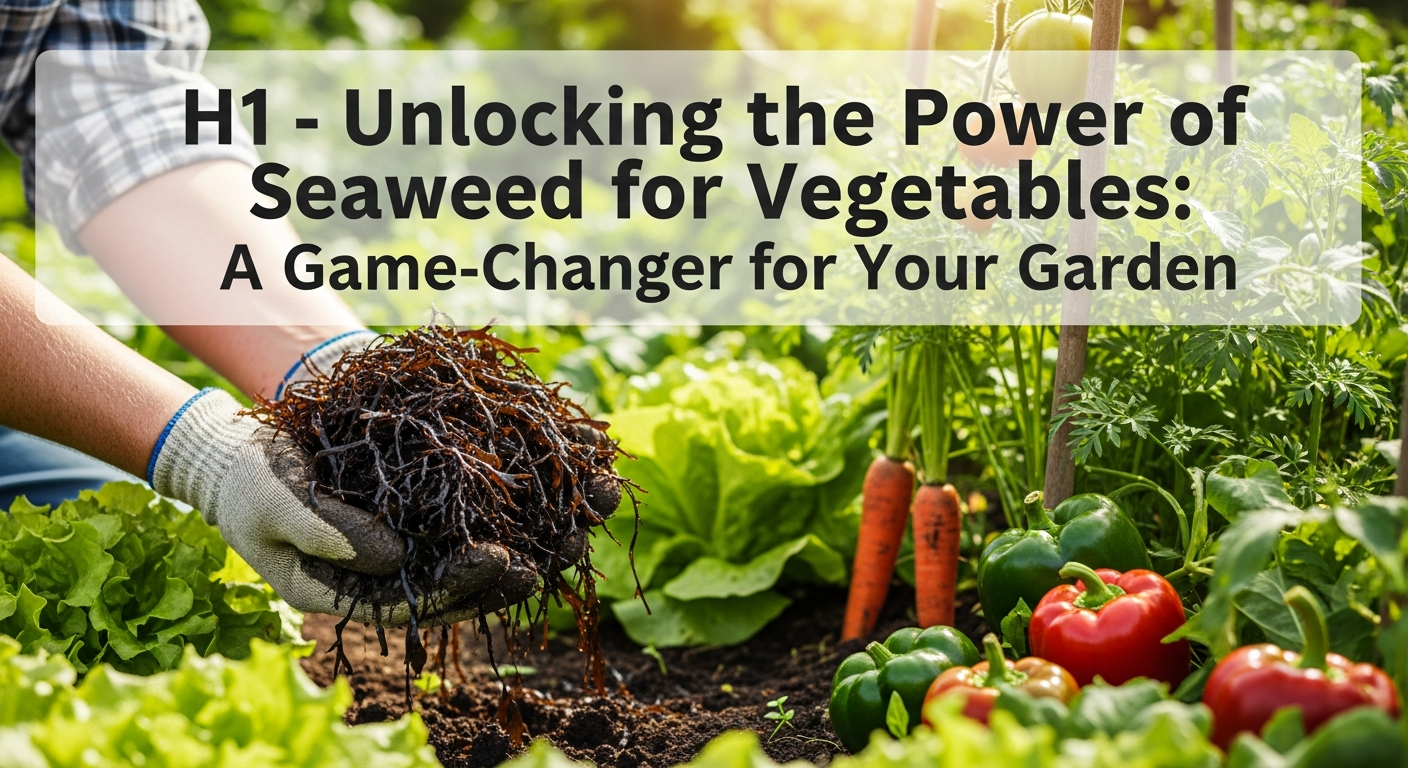
Throughout history, farmers have depended on seaweed to enhance every type of crop by improving soil conditions and providing nutrients.
Due to the large amounts of vital nutrients, organic minerals, and highly successful bioregulators contained in this natural product, it helps grow strong, vibrant, productive plants.
Seaweed contains the highest concentrations of natural hormones that promote growth, trace elements, and amino acids which produce healthy roots and support the uptake of nutrients and improve your plants’ ability to withstand environmental stress. The nutrients can be absorbed through the roots or leaves, making it one of the most forgiving and best performing fertilizers for all varieties of vegetables from leafy greens to fruits.
As either a liquid or soil application, the same basic nutrients are available to benefit your vegetable crops as applying seaweed in either of these methods. Each time seaweed is applied to your vegetable garden, it will improve the quality of the soil, help your plants grow, and enhance the nutritional qualities of your harvests.
Why Seaweed Is the Secret Ingredient Your Vegetable Garden Needs
Seaweed is a unique fertilizer that has an exceptionally high level of nutrients, and thus is invaluable to small gardeners and large commercial vegetable production farms alike. It contains not only significant levels of minerals, but also contains natural plant hormones and organic compounds that promote healthy development from the bottom of the root system through all the plant's lifecycle stages.
When applied to your vegetables, seaweed provides additional support by promoting strong and healthy growth, allowing the plants to withstand environmental stresses, and promoting a fast recovery from any negative environmental impact; therefore, using seaweed will assure you of better quality vegetable harvests.
Seaweed can be applied both as a foliar measure (sprayed onto the leaves) and mixed into the soil as an effective booster for your plants' health. You may use it successfully on any vegetable type.
Nutrient-Rich Benefits of Seaweed Fertilizer for Vegetables
The complete range of nutrients found in seaweed are very easy for vegetables to absorb and accordingly provide optimum support to the full life cycle. The seaweed nutrient profile is extremely conducive to root development, leaf vitality, blooming as well as fruit retention.
1. Some Key Uses for Seaweed Fertilizer in Growing Vegetables
Contain ample trace elements such as iodine, potassium, zinc and magnesium which are important to the proper development of vegetables.
2. Secondly, it increases a plants' ability to convert nutrients faster to produce healthier leaves.
Thirdly, seaweed has many growth stimulating hormones that promote the development of a larger, more vigorous root actually by providing deeper root drainage.
3. Thirdly , it aids in improving the plant's ability to protect itself from fungal diseases and reduce stress.
Fifthly, it is completely safe for all vegetable crops; being organic and gentle enough for leafy greens, root crops and fruiting crops.

How Seaweed Enhances Soil Health Naturally
In addition to promoting vegetable growth, seaweeds provide nutrients to the soil. Seaweed fertilizers include organic compounds that provide nutrient sources for beneficial microorganisms in the soil, improve the soil’s physical structure, and increase the ability of the soil to retain water. This combination leads to the development of healthy soil that enables healthy vegetable crops to be produced over the course of multiple seasons.
1. Seaweed improves soil health in several ways
Seaweed is a complete soil conditioner. It enables farmers and gardeners to create fertile and resilient soils without having to use synthetic chemical fertilizers.
2. Use of seaweed fertilizers to improve soil health for vegetables includes the following:
- Increased microbe activity, because seaweeds provide nutrients to beneficial soil bacteria that help plants grow
- Improved soil structure for improved moisture retention in sandy soils and easier to loosen compacted soils
- Increased nutrient availability; seaweed polysaccharides allow nutrients to be bound together in a form that is more readily available for roots to take in.
- Natural balancing of soil pH levels, allowing for a more stable and neutral environment for plant growth.
Increased amount of organic matter in the soil over time, leading to richer and healthier soils.
Seaweed’s Role in Organic Vegetable Gardening
Seaweed is a natural input that allows gardeners to grow organic vegetables while maintaining the integrity of their soil environment by not using synthetic fertilizers. When seaweed is used as a fertilizer for vegetables, it allows organic vegetable producers to grow healthy and nutritious crops while supporting their local soil environment.species by Nutrient Cycling, hydrating the soil with seaweed's water-soluble nutrients. This is achieved through the direct application of seaweed to the soil surface or by mixing seaweed with composted organic material.
Seaweed also has many great Advantages and benefits that make it perfect for organic vegetable farmers. Seaweed is 100% natural and contains No Harmful Chemicals that may harm the Soil, Plants, Bugs, and the Environment.
Other Seaweed Organic Vegetable Fertilizer Advantages
- Seaweed Organic Vegetable Fertilizers Are:
- 100% Natural Products
- Have No Harmful Chemicals
Don't Require Any Other Chemical or Synthetic Inputs To Grow A Good Quality Vegetable Crop, Thus Reducing The Amount Of Chemical Products That Farmers Would Have To Purchase.
- Improve the Taste and Quality of the Crop
- Afford Long-Term Soil Regeneration or the Recycling of Nutrients Back into The Soil
- Meet Organic Certification Standards
The Science Behind Seaweed: Nutrients and Growth Boosters for Vegetables
“Seaweed is one of the most potent natural enhancement products used in contemporary agriculture for vegetable production. As a source of many nutrients, natural plant growth stimulants, and unique bioactive compounds that include marine plant chemistry, seaweed improves soil quality; increases plant growth and productivity; and ensures the constant production of vegetables that are healthy and robust. With the ability to quickly be absorbed into the growing medium, seaweed is an organic input that strengthens and nourishes vegetables throughout their entire growing cycle, from their roots to their leaves. When it comes to the growing of leafy greens, the production of root crops, and the culture of fruiting plants, seaweed is a complete nutrient source that will enhance all forms of vegetable production naturally.”
Natural Hormones in Seaweed for Vegetables
Seaweed has a number of naturally occurring plant hormones that have been shown to assist in vegetable growth and increase vegetable productivity. Seaweed-derived hormones are safe, organic and promote vegetable growth throughout all stages of growth without causing any stress to the plants.
The Primary Hormones in Seaweed Fertilizers and Their Effects on Vegetables
1. Cytokinins:
Increase leaf development and increase chlorophyll in the leaves of the plant
2. Auxins:
Stimulate the growth of roots and provide additional strength to the plants during the early stages of growth.
3. Gibberellins:
Assist with flowering and flowering maturity, elongation of the plant's stems, and the production of fruit.
4. Betaines:
- Increase the plants' tolerance to heat stress and water stress.
- Reasons for the Importance of the Growth Hormones in Seaweed Fertilizers for Vegetables
Seaweed fertilizers for vegetables contain naturally occurring growth hormones that promote faster cell division, stimulate an increase in metabolic rate, and aid in the development of stronger, healthier vegetables.
Trace Minerals and Bioactive Compounds in Seaweed Fertilizers
Seaweed is a natural source of many minerals, vitamins and other unique marine compounds that cannot be supplied by synthetic fertilizers. Seaweed contains trace elements that improve the growth of vegetables and correct deficiencies in the soil.
- Potassium helps to produce higher quality vegetables and improves resistance to disease.
Magnesium is necessary for producing chlorophyll.
- Calcium strengthens cell walls to prevent blossom end rot.
Iron, zinc, and boron increase the absorption of nutrients and metabolic activity in plants.
- Seaweed also contains polysaccharides (alginate, laminarin, fucoidan) which help retain moisture in the soil and strengthen the immune system of plants.
These compounds improve the fertility of soil, and provide a source of balanced nutrition for vegetables grown using organic farming methods.

How Seaweed Improves Vegetable Yield and Nutrient Uptake
Using seaweed fertilizer increases the quantity and quality of vegetable yields when used in both the soil and on the vegetable plant itself. Seaweed fertilizer will help increase the vegetable plant's ability to take on more nutrients and water, which equals greater yield potential.
Here are the Top 5 Reasons Why Seaweed Fertilizer for Your Vegetable Garden Will Increase Your Vegetable Yields.
- Promotes root development, so that your vegetable plant will absorb greater amounts of nutrients and water from the surrounding area.
- Encourages more chlorophyll production by your vegetable plant, making your vegetable plant's leaves healthier, greener and more vegetative looking.
- Reduces dropping of flowers and fruits, which results in better yields from flowers/fruits when the flowers/fruits are produced.
- Promotes greater microbial activity in the soil and adds to long-term soil health.
Improves the immune response of your vegetable plant and reduces its susceptibility to pest and disease damage.
As stated earlier, seaweed fertilizer will enhance your vegetable plants' ability to grow and produce and provide resistance to stress, both naturally and sustainably; therefore, providing you with a greater chance of enjoying a successful gardening or farming career.
Types of Seaweed Products for Vegetable Gardens
There are many different types of seaweed products available for vegetable gardeners. Each type of seaweed product provides multiple benefits for different categories of vegetables, and they can be used to fertilize all types of vegetable gardens, including leafy greens, roots, herbs, trees, and fruiting plants. All of the seaweed fertilizers for vegetables contain nutrition, natural plant growth stimulants, and increased soil quality. Seaweed products are easy to apply, safe for the environment, and work well in both small home gardens and large commercial organic farms. Here are some of the types of seaweed-based amendments that can help you get the most out of your vegetable garden.
Liquid Seaweed Fertilizer for Vegetables
Liquid seaweed for vegetables is very fast acting and versatile. It can be applied either as a soil drench or foliar spray, and most users will see results within days.
Why Liquid Seaweed Fertilizer is Effective
- Due to their high concentration of natural plant hormones (cytokinins, auxins, gibberellins), liquid seaweed fertilizers are an effective method of promoting plant growth.
Benefits of Using Liquid Seaweed Fertilizers:
- Liquid seaweed promotes root growth by helping to stimulate root cells to divide and multiply.
- It improves leaf green color and increases the ability of the plant to absorb nutrients from the soil.
- Liquid seaweed increases the amount of flowering and fruit set produced by all types of vegetable plants.
- Liquid seaweed helps protect vegetable plants from stress caused by excessive heat, drought or insect damage.
- Liquid seaweed can be used with all vegetables such as tomatoes, spinach, peppers, cucumbers, and beans.
Dried Seaweed Meal and Flakes
Seaweed is a great option for long-term soil conditioning. As slow-release organic fertilizers go, they add nutrients to your soil that help create a better environment for growing vegetables.
How Dried Seaweeds Benefit Your Soil-Based Vegetable Gardening
Dried seaweed provides structure and nutrients as well as adding organic matter that is beneficial to the soil. Seaweed makes an excellent addition to raised beds, planting trays, and garden pots.
Improves the ability of the soil to absorb and hold moisture, making it more prepared for growing vegetables.
- Creates habitat for helpful microbes in the soil.
- Continually releases nutrients during the growth cycle of vegetables.
- Decreases soil compaction; this helps root vegetables grow better.
- Can be added directly to soil prior to planting in the garden.

Kelp Extract and Powdered Seaweed Fertilizers
Kelp Extract and powdered seaweed fertilizers are nutrient-rich and highly concentrated products that allow farmers to deliver the most nutrient-rich product with the least amount of product possible for each crop. Furthermore, kelp extracts and powdered seaweed fertilizers dissolve easily when mixed with water and are consistently available.
Why Does Kelp Extract Improve Vegetable Production?
Kelp extract has more natural plant growth hormones and supports more polysaccharides than any of the seaweed fertilizers we currently have, therefore it is considered one of the best-performing seaweed fertilizers for vegetables to use for increasing yields and vitality in plants.
- Promotes rapid vegetative growth
- Produces larger, healthier vegetable fruit
- Increases root development and capacity for nutrient absorption
- Provides an excellent application method for drip irrigation and foliar spray applications
Ideal for use on fast-growing crops such as Tomatoes, Capsicum, Gourd Family members and Cabbage.
How to Use Seaweed Effectively on Your Vegetables
When seaweed is applied correctly to enhance vegetable plants, it will provide maximum benefit to your vegetable garden as both a foliage spray, soil drenching, or as a compost.
All of these methods of application will aid with strengthening the root system of the plant, enhancing soil fertility, and increasing yield potential. Seaweed fertilizer will provide many benefits based on the type of vegetable, and growth stage of the plant.
When you apply seaweed correctly, it has a tremendous enhancing effect on your vegetable plants as they develop into bigger, healthier, eco-friendly and productive plants.
Foliar Spray Application for Quick Growth Boosts
The fastest way to get nutrients to plants is via foliar sprayed liquid seaweed on leaves. Liquid seaweed is quickly absorbed through leaf pores and gives plants immediate energy to grow, as well as making them more resistant to stress.
Foliar Spray Benefits for Your Vegetable Garden
- Provides nutrients directly to the leaf, Therefore Fast Response
- Improves Chlorophyll Production And Will Cause Plants To Turn Green
- Increases Flowering And Fruit Production In Vegetables
- Allows Plants To Recover From Heat Drought, And Inadequate Nutrients.
- Can Be Used On Leafy Greens, Tomatoes, Peppers, Cucumbers, Herbs
Foliar Spray Best Practices
- Apply In The Morning Or Evening
- Use The Correct Dilution Of Seaweed Fertilizer For Vegetables
- Spray Both Sides Of The Leaves Including The Undersides
- Do Not Apply While Under Strong Direct Sunlight Or While Rain Is Falling
Soil Drench and Root Feeding Methods
The method of soil drenches ensures that liquid seaweed is delivered at the root zone of crops, allowing for a constant nutrient flow as your crops grow. Soil drench application also increases beneficial microbes in the soil, improves soil structure and strengthens roots for a long-term harvest.
Soil Drench Benefits for Vegetables
- Provides continual nutrient flow to the crop roots
- Increases soil water-holding capacity
- Strengthens the root system and promotes branching
- Provides drought protection to plants
- Encourages healthy vegetable production from seedling through harvest
Directions for Applying Seaweed Soil Drench
- Mix liquid seaweed with adequate water for the specific crop
- Carefully apply to the base of each plant
- Apply the drench in the early morning for maximum absorption
- Reapply every 15 - 20 days for the best results

Using Seaweed in Compost and Garden Beds
Utilizing seaweed as an amendment for compost or planting area is considered one of the oldest methods of enriching soil through natural means. Both fresh and dried seaweed decompose into nutrient dense organic matter that increases fertility over time.
Seaweed provides many beneficial properties that enhance the effectiveness of compost and planting area.
- Provides essential minerals to the compost
- Decomposes faster because of the presence of natural compost activators
- Improves the structure of both clay and sandy soils
- Increases the number of microbes living within the soil
- Increases the moisture retention capabilities of vegetable crops
There are several ways to utilize seaweed as an amendment in the garden beds.
- Incorporate the dried seaweed into the top layers of soil. Once there is no visible seaweed visible on the surface of the soil, the seaweed becomes an integral part of the soil.
- As a mulch. Wash and rinse fresh seaweed and place on the surface of soil.
- Sprinkle seaweed flakes between layers of compost.
Follow the same procedure but use seaweed flakes along with chicken or other livestock manure or kitchen waste to create a very rich compost product.
Environmental & Economic Benefits of Using Seaweed Fertilizer Vegetables
Using seaweed fertilizers allows vegetable producers to profit from an environmentally sustainable method of production, as well as offering them a financially viable approach to growing their crops. Because seaweed is an organic material, it is biodegradable, renewable and an excellent source of naturally occurring nutrients; thus allowing for vegetable crops that are less dependent upon synthetic fertilizers and pesticides. In addition to creating more hearty and healthier plants, seaweed also helps to build better soil structure, increase the amount of microbial life in the soil and create a healthier ecological environment for growing vegetables. From a financial standpoint, the long-term impact of using seaweed fertilizers is a decrease in the amount of money used by farmers for purchasing chemical fertilizers, irrigation sources and methods of controlling pests; while simultaneously improving crop quality.
Sustainable and Eco-Friendly Fertilizer Option
Seaweed, a marine-based agricultural resource, is one of the few agricultural inputs that are sustainable, being produced in large quantities and rapidly replenished. Unlike chemical fertilizers, which reduce soil quality, seaweed for vegetables builds up naturally within the environment.
1. Eco-Friendly Properties Of Seaweed As A Fertiliser
- A renewable source of aurally grown marine organisms, this product does not require land to produce
- Does not have any chemical residuals in the soil, water, or crops
- Creates a beneficial microbe population in soil, responsible for organic agriculture
- Reduces market reliance on manufactured nitrogen and phosphorus fertilizers
- Biodegradable in its natural form; no “toxic” effects in its processed form
2. Advantages Of Seaweed As A Fertiliser To Vegetable Producers
- Healthier Soil Ecosystems
- Reduced Carbon Footprint
- Lower Risk Of Groundwater Contamination
- Promotes Biodiverse Crop Diversity & Natural Pest Prevention

Long-Term Soil Improvement and Regeneration
Seaweed fertilizer is superior to traditional fertilizers; it can revitalize exhausted and diminished nutrient soils due to its capacity for stimulating new growth in crops with depleted soil nutrients. The polysaccharides such as alginate and laminarin that are present in seaweed create adhesion between different types of soil aggregate particles, thereby enhancing water retention and improving soil structure.
- Restructures the Soil Using Seaweed Fertilizer
- Increases soil airspaces for the faster growth of the crop root system.
- Increases soil microbial activity, thereby increasing the rate of natural nutrient cycling.
- Allows soils to conserve moisture for longer periods, hence reducing the frequency of irrigation.
Provides missing minerals that have naturally been removed from the soil by continuous cropping.
- Creates Healthy and Fertile Soil.
- Healthy and robust crop root systems.
- Improved tolerance of droughts and increased resistance to heat stress.
- More nutrient-rich vegetable crops.
- Yearly improvements in vegetable yield.
Cost-Effective Fertilizer for Vegetable Farmers
Because seaweed fertilizer is a natural biostimulant, it has the ability to increase the speed, health, and productivity of vegetables with lesser amounts of added chemicals.
1. Economic Benefits of Using Seaweed Fertilizer For Farmers
- Seaweed can reduce your dependence on multiple chemical fertilizers
- By reducing the occurrence of pests and diseases, this product also reduces the cost of using pesticides.
- Better retention capability of soil moisture, thus lower costs of irrigation.
- Increased crop survivability in times of extreme stress means that there will be fewer losses.
- Higher yields equal higher quality crops and increased value for those crops.
2. Economic Benefits of Using Seaweed Fertilizer For Gardeners
- Better return on investment
- Lower costs of maintenance
- More consistent yield from year to year
- Works for both small home gardens and large scale production
Troubleshooting Common Questions About Seaweed for Vegetables
Seaweed is great for vegetable gardens but must be used appropriately to avoid problems, just like any naturally occurring fertilizer. All forms of seaweed, liquid, dried flakes, and kelp extract, have to be properly used for the best results, as they affect the soil, plant, and growing conditions in many different ways. Below are the most common concerns that gardeners will face when using seaweed for vegetable gardening.
Safety of Seaweed Fertilizer for All Vegetable Types
Seaweed is one of the most versatile organic fertilizers available and extremely safe for use on vegetable crops. Seaweed has a very mild nutritional component and provides vegetable crops with the natural plant growth-enhancing benefits of nutrition without fear of chemical toxicity.
Why Is Seaweed Safe for Vegetable Plants?
1. Compatibility: Seaweed works extremely well when growing all types of vegetable crops including; Leafy Greens (Lettuce, Spinach, Kale, Collards, Mustard Greens), Root Vegetables (Carrots, Potatoes, Beets), Nightshades (Tomatoes, Peppers, Eggplant), Legumes (Beans, Peas, Lentils), and Gourds (Pumpkins, Squash, Zucchini).
2. High Concentration of Trace Minerals in Seaweed: Seaweed is rich in trace minerals and is thus able to safely supply missing trace minerals to vegetable crops that may otherwise be lacking in minerals.
3. Non- Toxic and Organic: Seaweed is safe to use in all types of edible gardens and contains no residual chemicals in the soil.
4. Improves Soil Structure: Seaweed improves soil structure - for example, sandy soils or clay soils or poor nutrient soils can all benefit from adding seaweed to them.
5. Boosts Immune Systems: Seaweed protects against environmental stresses, pests, and illnesses associated with vegetable crops.

Avoiding Overuse of Seaweed Fertilizer Vegetables
Seaweed is an excellent source of nutrients for vegetables, however, too much can create a mild nutrient deficiency. Applying seaweed fertilizer excessively can lead to slow plant growth and/or yellowing of leaves due to an accumulation of excess plant hormones (auxins) or minerals.
- 11 Signs of Overuse of Seaweed Fertilizer
- Leaves turning yellow due to excess hormones (auxins).
- Soft stem or overstretched stem.
If applied too frequently will have a slowed growth rate due to excessive amounts of growth hormones (auxins).
- Salt build-up when collected from the beach without rinsing.
- Use of Liquid Seaweed (safe usage guidelines):
- Liquid seaweed should only be applied every 10-15 days—not every day.
- Follow the instructions for dilution: 5-10 mls per litre.
If you use both Seaweed and other organic fertilizers, alternate the two products instead of depending solely on liquid seaweed for feeding your plants.
- For young seedlings, use a half-strength solution.
- Why Correct Dosage of Liquid Seaweed is Important
- Incorrect dosage will not allow vegetables to receive maximum advantages, including improved rooting strength, larger yields, and increased health.
Managing Concerns About Salt, pH, and Beach-Collected Seaweed
Beach-collected seaweeds are an abundant, available resource that can be beneficial if used correctly. The excess salt and pH (acidity, basicity) of seaweeds collected at the beach may negatively impact the health of some types of sensitive vegetable plants.
To properly use beach-collected seaside seaweeds:
- Remove the excess salt by thoroughly rinsing the seaweed of any sand and debris.
- After rinsing, soak seaweed in freshwater for at least 24 hours before using it as mulch, compost, or planting.
- Do not use raw/unprocessed seaweed with newly planted seeds or seedlings.
- To achieve maximum compatibility with the soil, only use well-composted seaweed.
- Understanding the Risks Associated with Salt and pH Levels in Beach-Captured Seaweeds
Salt can adversely affect the growth of a plant's root systems, causing either insufficient moisture intake (drying out roots) or limiting the ability of plants to absorb certain elements/nutrients.
If improperly rinsed, beach-collected seaweeds will result in temporary changes to soil pH levels. With the decomposition process, the pH levels of beach-collected seaweeds will stabilize and improve the overall quality of the soil.
- The Four Most Effective Ways to Incorporate Beach-Captured Seaweeds in Your Home Vegetable Garden
- I used to mulch around tomato and pepper plants.
- Use in your compost piles to provide mineral nutrients to your composted material.
- Create your own homemade liquid seaweed fertilizer.
FAQs
Q1. Is seaweed good for all types of vegetables?
Yes, seaweed is safe and beneficial for all vegetable crops, from leafy greens to root and fruiting vegetables.
Q2. How often should I apply seaweed fertilizer for vegetables?
Apply every 10–15 days during active growth for best results.
Q3. Can I use fresh beach seaweed directly on my vegetable garden?
Yes, but rinse it well to remove excess salt before applying.
Q4. Does seaweed fertilizer vegetables improve soil health?
Yes, it boosts microbial activity, organic matter, and overall soil structure.
Q5. Can seaweed fertilizer replace chemical fertilizers completely?
For many crops, seaweed can significantly reduce or fully replace chemical fertilizers when used consistently.
Conclusion: Transform Your Vegetable Garden by Embracing the Power of Seaweed Today!
Seaweed has gained popularity as one of the best sustainable and reliable fertilizers available today to assist with nurturing vegetable production without resorting to synthetic chemicals or other harmful inputs. Seaweed contains a variety of minerals, amino acids, natural growth regulators, and other bio-active components that enhance vegetable root development; therefore, producing better green foliage and improved quality yields. Seaweed is a safe and highly effective solution to plant stress during bloom and fruit set stages. Seaweed can assist your garden if you have problems with either unhealthy soil, fluctuating plant growth, or external environmental factors related to stressors.
In addition to providing support to plants in their immediate life cycle, seaweed fertilizer assists with developing a healthy soil ecosystem long-term. Seaweed will help to improve the environment by increasing microbial diversity, retentive organic matter contents (water graining) and improve moisture storage capacity. Together, these factors provide a strong basis for sustainable agricultural practices, and with long-term application of seaweed, the amount of organic material in the soil will improve.
While you may be improving the current harvest by using seaweed alone, you are also investing in future healthy gardens through the use of seaweed. Seaweed can be applied either as a foliar application, soil drench, or mulch.