

Unlock the Power of Seaweed for Gardening: The Ultimate Natural Booster for Your Plants
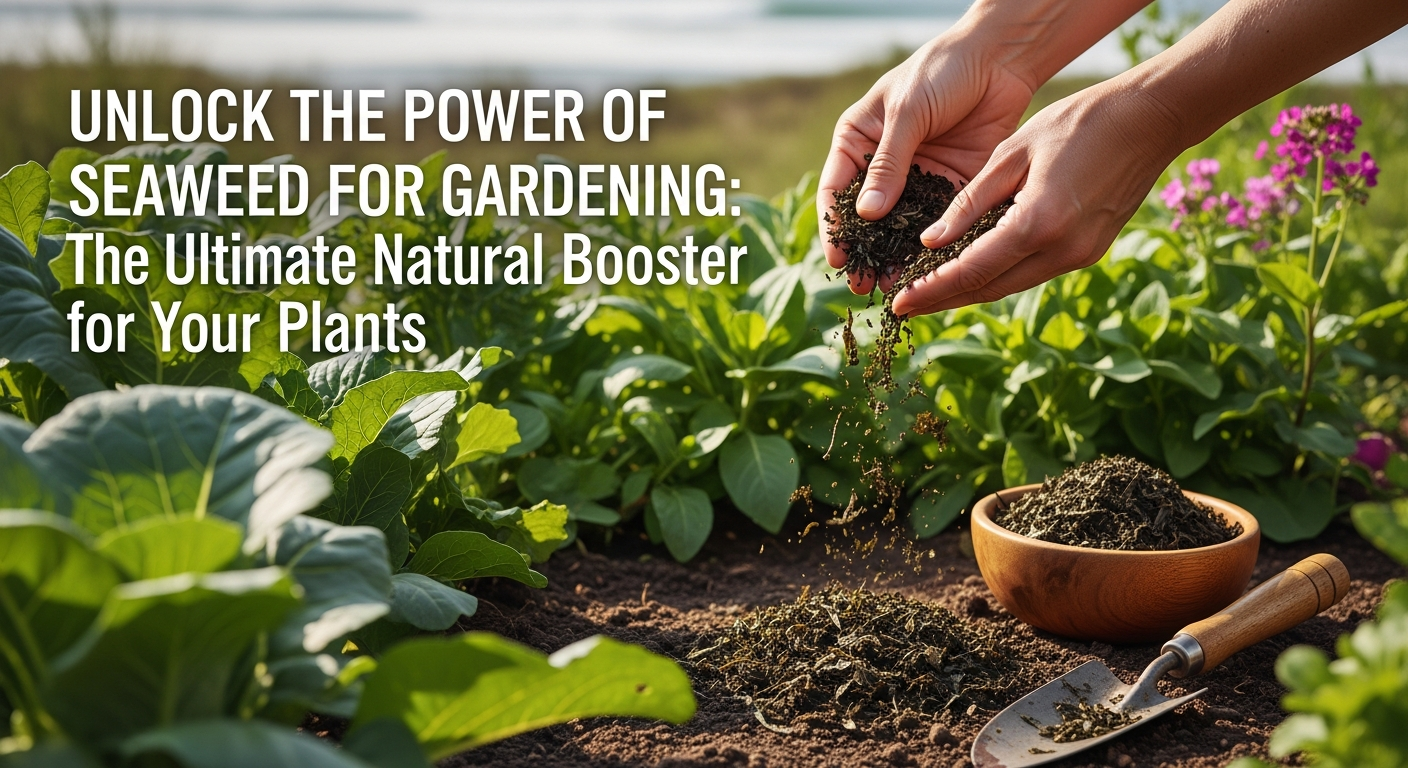
For centuries, more than anyone else, many gardeners and farmers have utilized and continue to utilize seaweeds/fish/sea plants as a natural, traditional, and effective marine resource to replenish the earth or enrich the soil and foster healthy plant growth. Seaweeds consistently have, and will continue to provide, an abundance of essential minerals, trace elements, and natural plant hormones (growth regulators) as well as numerous, diverse organic compounds that provide plants with the necessary nourishment to promote strong plants that possess a high degree of vitality and resiliency.When applied to the soil or plant through any method, whether in a liquid form (liquid seaweed extract) or as part of a mulch or compost blend (dried seaweed mulch), they allow for the fastest and most direct uptake of nutrients by the soil and plants. This promotes root establishment and promotes healthy leaves and growth of healthy plants.
What Makes Seaweed a Game-Changer in Gardening?
Seaweed is an incredibly effective, natural product used in modern gardening. It provides a complete spectrum of nutrients to the soil and beneficial effects from seaweed products on their growth and health. Unlike synthetic fertilizers that focus primarily on basic elements, seaweed works as a holistic biological stimulator, providing a wide range of vitamins, minerals, hormones and organic matter to stimulate plant growth throughout all life stages, from germination through flowering and fruiting stages, making it a great product for increasing the quality and quantity of crops in any garden.
Key Benefits of Using Seaweed for Gardens
Seaweed is not just beneficial for fertilizing plants; it offers a broad range of additional advantages for gardens; whether you grow vegetables, flowering plants or fruit trees, and even
ornamental gardens should use seaweed for many reasons:
- Contains a wide variety of trace elements, such as Magnesium, Potassium, Calcium, and Iron
- Contains multiple natural plant growth hormones that encourage better roots and shoots
- Becomes a better contributor to soil quality and water holding capacit
- Creates a better environment for plants by creating resistance to climates (drought, heat) and decrease shock after transplanting
- Use Organic & Safe as long-term treatment (this will be listed within the product specs)
Seaweed helps to produce more vigorous green plants healthier than healthy plants and reduces damage done by soil compaction and plant stress.
Why Gardeners Prefer Seaweed Over Chemical Fertilizers
The choice of using seaweed as a method for gardening is increasing among many gardeners due to its ability to provide an environmentally friendly option of feeding both the soil and the plants. Most chemical fertilizers are known traditionally to cause very quick growth with extreme chemical burns to the plant roots as well as long-term negative effects on the soil itself.
Seaweed provides:
- Nutrient burn-free; no chemical buildup (also referred to as no chemical residue)
- Support for beneficial soil microbes & earthworms
- Continuous improvement of soil fertility; rather than degradation of soil fertility
- Reduction in the amount of synthetic inputs used
- Ideal for use in organic and sustainable gardening practices
Provides a natural balance between plant growth and soil health as the plant grows naturally with the soil
How Seaweed Extract Enhances Growth Naturally
The most efficient and concentrated source of seaweed nutrients is the Extract from Seaweed, which allows for fast absorption of seaweed nutrients (through both leaves & roots) and efficient
use of those nutrients. Seaweed extract:
- Contains the plant hormones (cytokinins, auxins, gibberellins) that are required to stimulate plant growth
- Increases the root system's mass and also increases the amount of nutrients that a plant absorbs through its root system
- Encourages more healthy development of leaves and increases photosynthesis
- Increases the number of flowers and fruit set and overall plant health
- Easily absorbed as a foliar spray or soil drench.
Seaweed extract is gently yet powerfully effective, providing continuous stress-free growth of plants during the entire growing season.

The Nutritional Profile: What’s Inside Seaweed That Helps Your Garden Thrive?
When it comes to their nutritional value, seaweed is essentially a "superfood" for your garden! Through its unique minerals and hormones, seaweed is able to provide a vast array of benefits such as strengthening roots, improving leaf quality, and enhancing overall vitality of your plants. The unique qualities of Seaweed make it one of the most desirable organic sources of fertilizer available! Unlike chemical fertilizers, Seaweed To Grow Your Garden provides nutrients to both plants and the soil, making it an excellent source of sustainable growth for the future. The excellent qualities of the Nutritional Profile of Seaweed Extract allow for healthy plant growth from seedling to harvesting.
Essential Minerals and Micronutrients in Seaweed Extract
Seaweed extract is an abundant source of Essential Minerals and Micronutrients that we typically don't get from our garden soils.
- K (Potassium): K will promote the flowering and fruiting stages of the plant, thereby allowing for greater strength overall in the plant's system.
- Ca (Calcium): Ca will provide the plant with stronger cell walls, which will promote better root development.
- Mg (Magnesium): Mg is essential for producing chlorophyll, thus giving the plant its greener leaves.
- Fe (Iron): Fe will prevent yellowing and will help with the process of photosynthesis.
- Zinc, Boron and Manganese: All of these minerals aid in enzyme activity and help balance nutrients to best affect the plant.
The above minerals are in forms that allow for easy absorption into the plant's systems, allowing the plant in your garden to receive the nutrients from seaweed and be able to absorb them without stress & toxicity.
Natural Plant Hormones That Boost Growth
Seaweed contains powerful plant hormones called natural hormone products. These help to regulate plant growth and development without any chemicals being used.
- Cytokinin - This hormone helps to promote cell division, expand leaves, and delay how long a plant looks 'old.
- Auxin - This hormone assists with creating strong roots, stabilising young and establishing plants.
- Gibberellin - This hormone supports stem height, assists in bloom stage,, and assists in seed production.
These hormones enable a uniform growth response, to recover from environmental stress, and produce a greater yield compared to plants treated with synthetic chemicals. Hence, seaweed extracts are important for supporting plant growth during the transplanting process, during flowering periods, and whenever plants experience high levels of environmental damage.
Organic Compounds That Improve Soil Health
Seaweed has several organic compounds that are very beneficial to the soil, such as polysaccharides, amino acids, alginates, and natural enzymes.
- Polysaccharides provide better moisture retention and aggregation of the soil
- Amino Acids are components of plant metabolism and support plants in stressed conditions.
- Alginates help bind soil particles together and improve aeration
- Natural Enzymes stimulate beneficial microbial activity.
These organic compounds turn the soil into a living ecosystem. Use seaweed to feed plants, improve soil structure, and increase the fertility of the soil over the long term.

Types of Seaweed Products and How to Use Them Effectively
Seaweed is available to growers in many different forms, each created to meet different requirements of the gardener, and provide various application methods. Selecting the appropriate product provides the opportunity for gardeners to effectively deliver nutrients to the plants through the method that best suits their needs. There are different forms of seaweed that are fast acting to deliver nutrients, long-term soil amending options, and ways to create seaweed at home on a budget. As the needs of a given grower vary, knowing how and when to use each form provides many options to improve plant vitality, and soil health as well as increase overall garden productivity.
Liquid Seaweed Extract for Quick Plant Nutrition
Liquid seaweed extract is one of the most commonly utilized and effective types of seaweed available for gardening. As it quickly provides nutrients to both the leaves of your plants and roots, it makes it simple on the way to do it. Liquid Seaweed Extract also contains all the micronutrients, amino acids & naturally occurring hormones in plants, which are vital to plant development and have been proven to promote stronger root systems, make plants look better (due to more chlorophyll production), and to be more resistant to stress.
Best Applications:
- Spraying directly on foliage (for immediate absorption
- Pouring around the base of your plants (to encourage stronger root systems)
- Using it during the period of maximum growth, flowering, or fruit
- Assisting your plants recover from extreme heat, prolonged dryness, or transplant shock
Benefits:
- Fast Results
- Ease of use (mixing and application)
- Safe for use on vegetables, flowers, lawns, and fruit trees
Dried Seaweed Mulch & Flakes for Soil Conditioning
Long-term soil enhancement using dried seaweed is a great way to add nutrients to your soil without using chemicals. Dried seaweed will gradually release its nutrients back into your soil as it decays. Dried seaweed can be used to structure your soil, hold water, and provide food for many types of beneficial microorganisms in the soil, making it a very good mulch for garden beds and raised beds.
Dried seaweed mulch can be used as mulch around the base of plants by spreading a thin layer on top of the soil.
- Before planting, add dried seaweed to your garden soil.
- Use it as a mineral-rich activator in your compost bin.
- Dried seaweed mulch is great for vegetable gardens, flower gardens, and orchards.
Some of the main benefits of using dried seaweed on your soil are:
- Over time, it improves the overall health of the soil and its fertility.
- It prevents water loss through evaporation.
- It provides natural weed control.
Homemade Seaweed Tea for Affordable Gardening
Seaweed Tea is an inexpensive way for coastal gardeners to take advantage of seaweed (either fresh or dried) by providing low levels of nutrition and serving as a regular additive to the garden.
- Seaweed Tea can supply plant nutrients and also help to build good soil texture and structure.
- You can prepare seaweed tea and apply it to your plants in two simple steps.
- Rinse the seaweed well with clean water to get rid of all salt. (If using fresh seaweed, give it longer than 24 – 48 hours to soak).
- Dilute the seaweed tea in whatever ratio you want, depending on the type of mg nutrition needed by the plant.
- You can apply both of these potions either as foliar applications (splashing), drenching the base of the plants, or both.
Benefits:
- Affordable, environmentally friendly, and easy to use.
- Safe for repeated applications.
- Good for seedlings and younger plants.

The Science Behind Seaweed: How It Stimulates Plant Growth and Soil Health
The farming community has used seaweed crops for a long time to enhance crop production and soils. Unlike synthetic fertilizer which promotes plant growth mainly with nutrients, seaweed acts in a biological manner and promotes both the soil's structure/chemical balance as well as by stimulating the beneficial bacteria in the soil and by promoting plant growth by activating the natural mechanisms of the plants.
Whether the seaweed is applied to the garden as mulch, compost additive or as an extract, it provides long-term benefits to the soil's health and therefore promotes better performance of crops. As such, seaweed is a powerful tool for developing sustainable gardening practices with respect to the use of this seaweed. Seaweed Improves Microbial Life in Soils Seaweed improves the quality of soil which includes improving the plant's health and fertility.
Seaweed for Soil Structure & Microbial Activity
Seaweeds have polysaccharides (natural sugars) that promote good soil structure by causing the aggregation of sandy soils which helps retain moisture and loosen the compaction of clay soils.
- Seaweeds provide a food source for the beneficial microbes in soil to promote the increase of microbial diversity and activity.
- Increased microbial life also improves the ability for nutrients such as nitrogen, phosphorus, and micronutrients to be used by the plants.
- Using seaweed in your garden regularly builds organic matter within the soil and continues to promote good soil aeration and penetration by roots over a period of time.
The quality of the soil produced by seaweed provides the foundation for larger plants and greater yields in the future
Disease Resistance & Stress Tolerance Effects
From the inside out, the power in seaweed helps plants develop better resistance to their environment and the adverse effects from biological organisms.
- The bioactive components in seaweed stimulate the plants' own natural defense systems and thereby lower the plants' chance of developing any type of plant disease due to a fungus or bacteria.
- Seaweed provides improved drought, heat and salinity tolerance for plants, and can also aid in recovery from transplant shock, all areas of concern due to global climate change.
- Antioxidant and natural elicitor compounds found in seaweed aid in the recovery of stressed plants.
Using seaweed extract on a regular basis produces tougher plant tissues, increasing the overall resilience of the plant.
This makes seaweed a natural plant protector as well as an enhancer of plant growth.
Seaweed Extract as a Natural Root Growth Stimulator
One of the greatest benefits of seaweed is the ability to promote the development of a robust, healthy root structure.
- Seaweed extracts contain a number of plant hormones, such as phytohormones (auxins and cytokinins), that stimulate the initiation of roots from seedlings, which promotes root elongation.
- Through the creation of a strong root structure, seaweed extracts support superior absorption of water and nutrients, which translates to a healthier shoot system and increased productivity.
- Additionally, a robust root structure provides better anchorage capability as well as greater resistance to stress on the plant during drying or windy conditions.
- Seedlings, transplants and young plants can benefit greatly from early stage root development, as well as the effects of the hormones produced by seaweed extracts
Using seaweed extracts produces better root structure naturally and allows for quicker establishment and better performance by the plant during all stages of its life.

Sustainable Gardening: Harvesting and Using Seaweed Responsibly
While seaweed has been considered a natural soil enhancer for centuries, the secret to using this powerful product responsibly is through sustainable gardening. Sustainable gardening utilizes seaweed plus other environmental practices and also preserves the health of the ocean. When ethically collected and properly used, the use of seaweed in gardening results in long-term benefits including enhanced soil fertility, increased health of garden plants, and a reduced need for synthetic fertilizers. In addition, when seaweed is used responsibly, it enhances both plant growth and the balance of our environment.
Ethical Ways to Collect Fresh Seaweed for Gardening
The collection of fresh seaweed for plant growth can have a significant impact, but it is essential to collect the seaweed without damaging the coastal ecosystem. Ethical harvesting focuses primarily on the use of naturally occurring resources while avoiding unnecessary harm to marine organisms.
Best practices for Ethical Harvesting of Seaweed:
- Collect only seaweed that is found naturally washed up along the coastline.
- Do not remove seaweed that is actively growing (attached to rocks, etc.) from the ocean floor.
- Limit harvesting of seaweed to small amounts to allow for natural replenishment.
- Collect only from clean and unpolluted areas, preferably away from areas where industrial activities take place.
- Wash thoroughly prior to using seaweed as literal salt may have harmful effects on plants.
Using responsibly harvested seaweed means that the nutrients that are added to your soil, will be free of contaminants and safe for you and the environment.
Eco-Friendly Reasons to Use Seaweed for Gardens
Modern gardening is becoming more environmentally friendly every day. Seaweed is one of the most eco-friendly gardening inputs available! Unlike chemical fertilizers which kill soil organisms and work against the plant, seaweed is a friend to both the soil and the plant.
Seaweed is an environmentally conscious product for a number of reasons, such as:
- Being completely natural (no chemicals are added to the manufacturing process) and completely biodegradable;
- Reducing the need for chemical fertilizers
- Improving the soil structure without adding pollutants;
- Being completely safe for pollinators and non-target insects, pets and beneficial soil microbes
- Being a renewable marine resource when responsibly harvested.
How Seaweed Supports Long-Term Soil Regeneration
The use of products made from seaweed, like seaweed extract, help support sustainable agriculture by minimizing environmental impacts while maximizing plant health. Beyond providing short-term plant growth, seaweed has a long-term benefit to soil health by restoring and maintaining soil health over many years. The organic materials contained in the seaweed nourish the organisms that live in the soil while also improving several of the soils' physical properties.
Some long-term benefits of seaweed to the soil include:
- Increased microbial activity and diversity;
- Increased moisture retention of sandy soils; and
- Decreased compaction of clayey soils;
- Continual addition of organic matter for continual nutrient recycling;
- Improved interaction between roots and soil.
Regular use of seaweed products for gardening will help to rebuild degraded soils and create an environment that is conducive to growing resilient crops in the future.

Success Stories: Real Results from Gardeners Who Swear by Seaweed
In wild, community and individual homes, and all over the world, seaweed helps support healthy growth of plants on a daily basis through the way it's put to use as a natural fertilizer. Gardeners using seaweed report many of the same things, from a healthy plant population to excellent crop yield and even improvements in how well soils drain. While this has been well documented for many years, what was once an ancient ARMANDO has become a popular proven method supported by all of the information created through experimentation.
Increased Vegetable & Flower Yield After Using Seaweed
Those gardeners, who started using seaweed extract as part of their normal plant health routine, have seen an increase in their ability to produce both healthy vegetables as well as healthy flowering plants. Regular seaweed application has made these plants stronger, provide better flower production and yield, and produce higher quality fruit.
Examples of Results
- Greater Size and Uniformity in Vegetables
- An increased number of flowering plants
- Increased number of fruits set on plants such as tomatoes, peppers and gourds
- Reduced flower fall-off due to heat and other forms of stress
- An increase in plant survival following transplanting
Additionally, many gardeners have stated that even though they were growing on soils with very limited nutrients, they still experienced promising results from applying seaweed via foliar application or soil-drench method.
Before & After Soil Quality Transformations
Seaweed’s effect on garden soil is one of the most obvious benefits. Gardeners report that their soil becomes ‘softer,’ ‘darker,’ and retains more moisture following repeated applications.
General Soil Improvements Reported:
- Better retention of water in sandy soils.
- Improved aeration and structure of compacted soils
- Increased populations of earthworms and microbes.
- Less reliance on chemical soil amendments.
- Improved nutrient availability to plant roots

Testimonials on Seaweed Extract as a Growth Booster
Gardeners continually rave about the positive, gentle power of seaweed extract in boosting plant growth. Many gardeners describe it as the most valuable organic input in their garden system.
Examples of Common Comments from Gardeners:
- “My plants were greener a week after I sprayed them.”
- “My vegetables have been able to withstand higher temperatures.”
- “My roots developed more and larger roots with the consistent use of seaweed.”
- “I needed less fertilizer.”
- “My soil was healthier every year I used seaweed.”
Regardless of whether they were a beginner or an experienced grower, all of the gardeners agreed—seaweed works in conjunction with a plant, rather than against it.
FAQs
Q1. Is seaweed safe for all plants in home gardens?
Yes, seaweed is safe and beneficial for vegetables, flowers, shrubs, and fruit plants.
Q2. How often should I use seaweed extract on my garden plants?
Apply seaweed extract every 10–15 days during active plant growth.
Q3. Can I use fresh beach-collected seaweed directly in gardens?
Yes, but always rinse it thoroughly to remove excess salt before use.
Q4. Does seaweed improve long-term soil health?
Yes, it enhances soil structure, microbial activity, and moisture retention over time.
Q5. Can seaweed replace chemical fertilizers?
Seaweed can significantly reduce chemical fertilizer use and, in many cases, replace it when used consistently.
Conclusion: Start Using Seaweed in Your Garden Today for Healthier Plants and a Greener Planet!
Using seaweed is a natural, powerful way for gardeners to promote the growth of plants while caring for soil and the environment. Seaweed contains both essential minerals and natural plant hormones and has also proven to improve root development, increase nutrient absorption and promote healthier leaves and flowers – all with no adverse effects to the plant or the soil by comparison with synthetic fertilizers. Additionally, when used as an extract, mulch or compost, seaweeds will support the plant during all growth stages without the toxicity of commercial fertilizers.
The application of seaweeds within the garden not only provides the visible benefits we've discussed here, but also helps sustain a healthy soil long term through increased levels of beneficial microbes, improved soil structure and improved moisture retention, therefore there is less need for chemical inputs and less watering overall. By providing a seaweed-based option within your gardening routine, you are making a commitment to create a healthier ecosystem for your garden and the Earth.
As the growing season approaches, now is a great time to start using seaweed as an important tool in your garden – simple to use, environmentally friendly and very effective. Once you start to use seaweed in your garden, you will see immediate benefits from a healthier and stronger plant, a bountiful harvest and the responsible way to garden. Begin using seaweed now and see your garden thrive organically, year after year.