

Seaweed Extract Price: What You Need to Know Before Buying
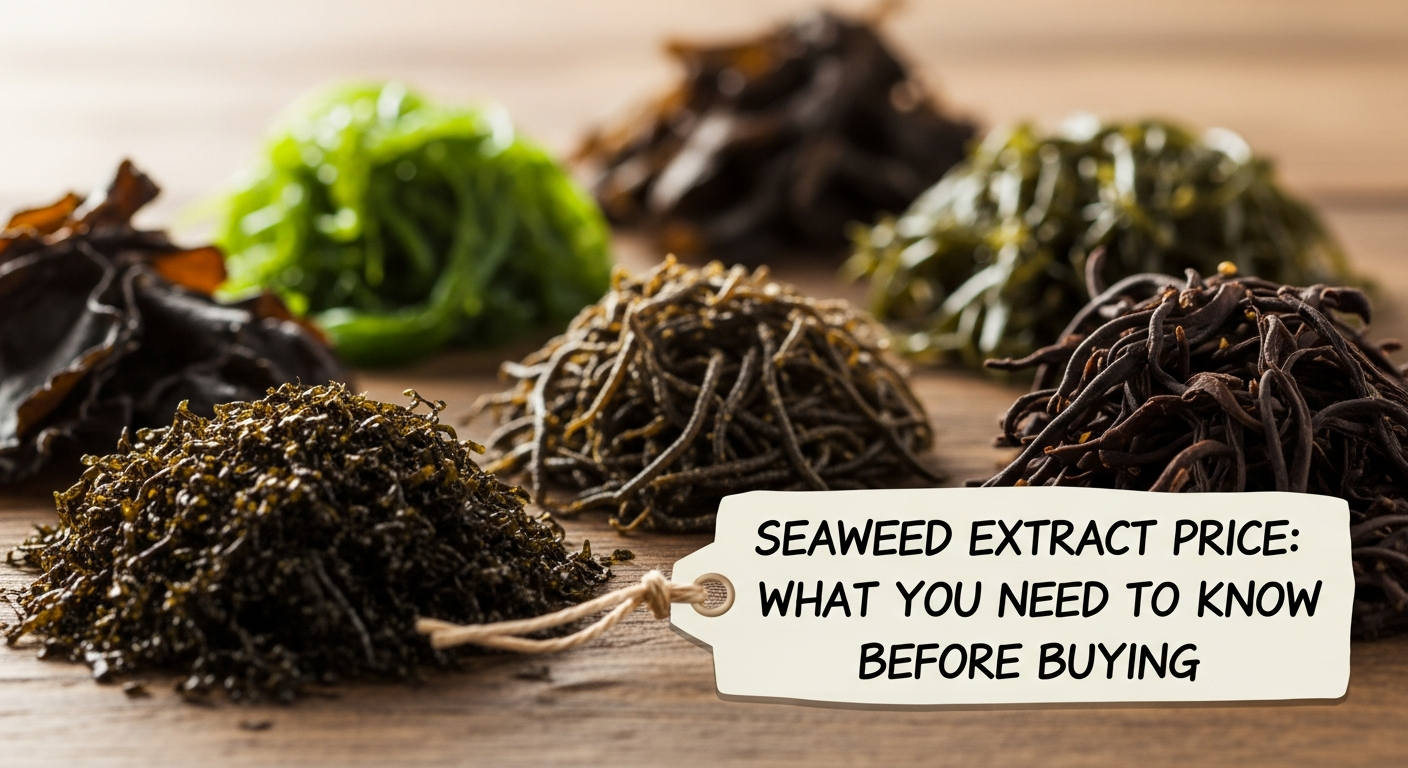
The price of seaweed extracts can range based on several factors; quality, concentration, and the type can all affect price. Understanding what makes up these factors will help you make a better purchasing decision. Both agriculture and gardening have embraced the use of seaweed as a means of providing natural nutrition for improved plant growth, as well as for improving soil health.
The price of seaweed extracts is mainly determined by the purity of the extract, the extraction method used, and the level of nutrients in the extract. High-grade seaweed extracts have high bio-stimulant content, trace minerals, and naturally-occurring growth hormones, which increase their effectiveness usually resulting in higher pricing.
Available forms of seaweed extracts include liquids, powders, and granules. All forms of extract will provide you with different benefits and pricing levels, so the best choice for you will depend on your crop, method of application and long-term plant nutritional goals.
Purchasing seaweed extract at a good price will ensure that you are investing in a product that produces value and also yields results.
Understanding Seaweed Extract and Its Market Value
Across the globe, seaweed extract is recognized as one of the top natural plant growth stimulants for use in both agriculture and horticulture. As demand for seaweed extracts increases, the price continues to fluctuate based on the quality of the seaweed, its source, how it is processed, and concentration levels. By having a clearer understanding of the factors that drive the market value of seaweed extract, buyers can make better informed decisions and obtain the lowest possible price point.
What Is Seaweed Extract and Why Is It in Demand?
Marine animals are the source of seaweed extracts as they are derived from seaweed, which contains a lot of trace minerals, amino acids, and other types of plant growth stimulants naturally found in plants. Seaweed is often considered a natural bio-stimulant and is a commonly used product in horticulture, farming, and lawn and landscape care.
The main reason why it is in huge demand is as follows:
- Increases root development and nutrient uptake.
- Improves flowering, fruiting, or yield of crops.
- Increases resistance to water and heat stress.
- Works in conjunction with organic or sustainable agriculture.
With heightened awareness of the environmental benefit of agricultural practices, the use and popularity of seaweed extract continues to increase on a worldwide basis.
Benefits That Drive the Cost of Seaweed Extract
The price of seaweed extract can be greatly affected by the efficacy and purity of the seaweed extract. Higher-quality products are usually produced through more sophisticated processing methods which allow for the retention of the highest number of bioactive compounds.
The key factors which contribute to the price of seaweed extracts include:
- Source of Raw Seaweeds (Clean Ocean Waters)
- The method of extraction (The Nutrients Will Be Maintained Better Due to Cold Processing)
- Concentration of Active Ingredients
- Formulation Type (Liquid, Powder, Granule)

How Global Demand Impacts Seaweed Extract Price
Sustainable agriculture around the world is becoming a priority; therefore, there is a significant impact on the pricing of seaweed extract.
The market influences include:
- Adoption of organic farming is on the rise.
- Increase in exports/imports.
- Regulations for harvesting raw materials.
- Seasonal variations in supply.
As demand continues to grow in all three segments of agriculture, horticulture, and home gardening, the price of seaweed extract will be determined by the availability and cost of producing it.
By understanding product quality, benefits, and market factors, buyers can better evaluate seaweed extract pricing. Investing in the right product ensures stronger plant growth, improved soil health, and long-term agricultural success—making seaweed extract a valuable addition to any plant nutrition program.
Factors That Influence Seaweed Extract Price
There are many variables impacting how much seaweed extracts will sell for in the marketplace. Price is determined by a combination of many influences, including where the seaweed is sourced (raw materials), how much product there is (supply), and how much demand there is for seaweed-based products (when produced). As many seaweed-based products are utilized in agriculture, horticulture, and lawn care, knowing what makes up the cost of seaweed will allow customers to evaluate values versus only costs.
Factors such as product quality, manufacturing processes, and current market demand all impact the price customers pay for seaweed-based products.
Raw Material Quality and Seaweed Source
The price of seaweed will rely on the method and area of its harvest location. When the harvest area is clean (away from pollution), the seaweed contains many natural minerals and active ingredients.
The key influences on pricing will be based on:
- Harvesting location
- Seasonal availability
- Method of harvesting (sustainable)
- Types of species are being harvested.
Higher quality source material will incur a greater production cost but will yield a better response from the plant when using the seaweed extract product.

Extraction Methods and Processing Costs
The processing technique used on seaweed has a big impact on product quality and the cost of a seaweed extract. Advanced extraction methods can help keep natural plant hormones and bio-stimulants intact.
Here are some common processing methods:
- A basic alkaline extraction (low-cost)
- Cold or enzymatic extraction (higher-cost, better at preserving)
- Concentration and drying technician for granules or powder
The importance of processing is as follows:
- Improved nutrient retention may improve product efficacy
- Advanced technology raises manufacturing costs
- Higher concentrations and/or extraction methods often justify higher prices
Overall products with better processing typically provide better long-term value but may cost more than comparable products with lesser processing.
Supply, Demand, and Market Trends
Global agricultural demand greatly impacts seaweed extract prices, especially as sustainable farming practices continue to gain traction across the globe. On the other hand, the demand for natural biostimulants has been steadily growing.
The following market factors contribute:
- Growth in organic farming.
- Export/import and freight costs.
- Seasonal fluctuations in production.
- Regulations on marine harvesting enacted by governments.

When purchasers comprehend how to obtain their basic materials, how these materials are obtained and how the market operates, they can more effectively assess the actual worth of seaweed extract price. Investing in superior quality seaweed extract will promote greater plant growth, enhance soil quality and provide sustainable long-term benefits to agriculture, thereby being a wise decision.
Comparing Seaweed Extract Prices Across Products
Pricing for seaweed extracts can differ by product format, package size, and brand of product. Although price ranges may appear low initially, it is important to look at the concentration and purity of the seaweed extract as well as its long-term value before making a purchasing decision. By comparing categories of products and their associated price structures, you can determine the actual costs associated with using seaweed-based solutions in gardening/agricultural applications.
Liquid vs Powder Seaweed Extract Price Comparison
There is a significant difference in how much products cost based on their form. Although powdered and liquid seaweed extracts are used for similar purposes, they differ in terms of their concentration, processing and transportation costs.
Liquid Seaweed Extracts:
- Can be diluted on-the-spot (ready to use or can be diluted with water)
- Absorbed by the plant faster than powdered seaweed extracts
- More expensive to ship due to weight
- Typically costs slightly more per liter than powdered seaweed extract
Powdered Seaweed Extracts:
- Very concentrated
- Longer shelf life (compared to liquid)
- Less expensive to transport and store than liquid
- Less expensive per application than liquid seaweed extract

Packaging Sizes and Bulk Pricing Differences
The size of the package of seaweed affects the final price paid per unit for extract. Therefore, larger packages tend to have a lower cost per liter or kg.
Common Packaging Options:
- Retail Small Packs - 250ml-1L
- Medium Packs - 5-10 L/KG
- Bulk Packs—20 L/KG and more.
Advantages of Buying in Bulk:
- Lower Cost per unit
- Less Cost of Packaging
- Increased Value to Commercial Farmers

Regular users can save a significant amount of money when they purchase seaweed products in bulk.
Brand Reputation and Pricing Variations
Seaweed extract costs are influenced by brand reliability, and reputable manufacturers can charge higher prices based on assurance of product quality, the effectiveness of their produce, and the investment they spend on researching their products.
Examples of how branded products are typically more expensive include the following:
- Testing and certification for product quality
- Sophisticated extraction processes
- Consistent nutrient concentration levels
- Reliable customer service
On the other hand, many of the lesser-known brands on the market may offer similar pricing but not provide the same consistency. Therefore, consumers should compare ingredient transparency, nutrient concentration levels, and customer reviews prior to making any purchasing decisions.
When selecting this product, buyers will look for ways to compare product forms, packaging sizes, and brand reputation, and therefore help determine if a given product is worth its price, based on factors other than cost. Evaluating concentration, performance, and long-term value can lead to a better investment in plant nutrition using seaweed extract than simply looking for the lowest initial price.
The Impact of Quality on Seaweed Extract Cost
The price of seaweed extract in the market is heavily influenced by its quality; otherwise, a product that looks cheap at first can actually be very expensive when you factor in the different sourcing methods of the raw material (e.g., types of seaweed used), extraction methods (e.g., water vs. solvents), and concentration level of nutrients contained in the final product. If a buyer has knowledge about how quality affects the pricing of seaweed products then they will be better able to make informed purchasing decisions.
High-Quality vs Low-Quality Seaweed Extract
There is a huge variance in the results that can be achieved from using seaweed extract. Generally speaking, premium grade seaweed extract has more bioactive compounds, natural plant hormones and trace minerals when compared with lower grade products.
Premium Quality Seaweed Extract:
- Extracted from clean, controlled marine sources
- Processed using superior extraction procedures
- Greater concentration of active ingredients
- Consistent performance between production batches
Low Quality Seaweed Extract:
- May contain fill material or diluted concentrations of seaweed
- Basic processing reduces nutrient retention
- Inconsistent response from plants
- Lower price per Unit cost for seaweed extract

Certifications and Their Role in Pricing
Certifying a product provides credibility and may impact the final cost of harvesting and manufacturing seaweeds. Certified products are typically manufactured to strict quality and safety standards.
Some common certification impacts may include:
- Approvals for organic farming
- Testing of product quality and lab verification
- Meeting compliance with environmental regulations
- Traceability of all raw materials used to produce the seaweed extract
While these certification processes may slightly increase the price of the seaweed extract itself, they will provide assurance that the product is authentic, safe and has been consistently manufactured to meet quality standards.
Why Cheaper Seaweed Extract Can Cost More Long-Term
While lower-priced products might seem like a good deal at first, they tend to cost you more money in the long run because they don't work as well.
Long-term costs of using less expensive products:
- Have to apply them more often
- Lower yields from crops or plants
- Imbalance in the soil
- May require other products to augment you what you are applying

By investing in quality, your plants will be healthier, your yields will be higher, and you'll be managing the soil more sustainably.
In summary, assessing price and quality gives buyers a better sense of the actual worth of seaweed extract at its current price point. Additionally, investing in quality seaweed extract initially will likely result in improved efficacy, reduced consumption rates, and ultimately provide more savings over the long term than purchasing cheaper seaweed extracts. Therefore it is more economical and environmentally responsible to choose a high-quality seaweed extract rather than purchasing lower-cost alternatives.
Sourcing Tips to Get the Best Seaweed Extract Price
Achieving the correct quantity and price of seaweed products, as well as supplying end users with the best prices possible are crucial when making a purchase. The price of seaweed extraction can fluctuate dramatically due to the type of source, the amount to be purchased, or the timing of the purchase. However, buyers who understand acceptable sourcing methods can save money on obtaining a high-quality seaweed product by taking those factors into account.
Buying in Bulk to Reduce Cost of Seaweed
Purchasing seaweed extract in bulk is one of the best ways to decrease the price. Larger volumes of product tend to have lower pricing.
Bulk purchasing has many advantages, including:
- Lower cost on a per-liter or per-kilogram basis
- Lower packaging and transportation costs
- Better ability to negotiate with suppliers
- A consistent supply for future use

Online vs Local Suppliers: Price Comparison
The decision to buy from either an online or a local supplier has an impact on pricing and convenience when buying seaweed extract.
Online Suppliers:
- Greater selection.
- More competitive prices are available due to a larger marketplace.
- Ability to easily compare prices across multiple sites.
- May incur shipping costs.
Local Suppliers:
- Immediate availability of product.
- No shipping delays.
- Ability to negotiate in person.
- Limited product selection in many areas.

Seasonal Buying and Supplier Negotiation Tips
Seasonal Factors And Global Market Driven Trends Will Have An Impact On Your Approximate Seaweed Product Price Trend.
Be Smart When Purchasing Seaweed Products By:
- Understanding The Producers Peak Harvesting Seasons For Each Type Of Seaweed.
- Conduct research to identify global sources of supply.
- Develop relationships with suppliers for multiple years.
- Take advantage of bulk and/or repeat volume pricing.
Negotiation strategies:
- Ask for discounts on reorders.
- Get quotes from several suppliers.
- Confirm the quality and concentration of the product before buying.
The buyer can successfully obtain the best possible pricing on seaweed extract by ensuring purchases are made strategically and negotiating effectively; thus ensuring that they will still have a reliable supply at any given time.
When utilizing an effective sourcing approach—bulk purchasing, vendor comparison and seasonality—you can improve upon your seaweed extract investment. Effectively purchasing gives you value, good availability and efficient long-term cost in your plant analytics program.
FAQs
Q1. What is the average seaweed extract price?
The average seaweed extract price varies by form and quality, typically ranging from budget-friendly options to premium concentrated products.
Q2. Why does the cost of seaweed differ so much between products?
The cost of seaweed depends on raw material quality, extraction method, concentration, certifications, and brand reputation.
Q3. Is liquid seaweed extract more expensive than powder?
Yes, liquid seaweed extract is often slightly more expensive due to higher shipping and packaging costs.
Q4. Does higher seaweed extract price mean better quality?
Not always, but premium-priced products usually offer higher concentration, better processing, and consistent performance.
Q5. Can buying in bulk reduce seaweed extract price?
Yes, purchasing in bulk typically lowers the per-unit seaweed extract price and reduces overall cost.
Conclusion: Make an Informed Choice to Maximize Value When Buying Seaweed Extract
Determining the factors that impact the price of seaweed extract will allow you to assess more than just the initial purchase price; you'll be using a full value assessment instead of just considering the initial investment. The quality of raw materials, methods of extraction, concentration levels, and certifications are all critical to determining both performance and long-term value. If you select the appropriate product, you will achieve optimal plant growth, improve soil health, and maximize returns.
Selecting the lowest price may be an appealing option but when assessing the actual cost of seaweed you should also take into consideration how well a product works, how frequently it is applied and its level of consistency. By spending more money upfront for a premium seaweed extract product, you will generally be able to use less frequently and have better results in growing crops/plant performance resulting in more savings over time.
To increase your buying power, compare product forms, purchase in volume and shop with reputable vendors. An informed decision will provide you with an excellent price-to-quality ratio for your seaweed extract investment, resulting in the highest amount of value received for long-term success.