

NPK for Broccoli: Unlocking Optimal Growth and Maximum Yield
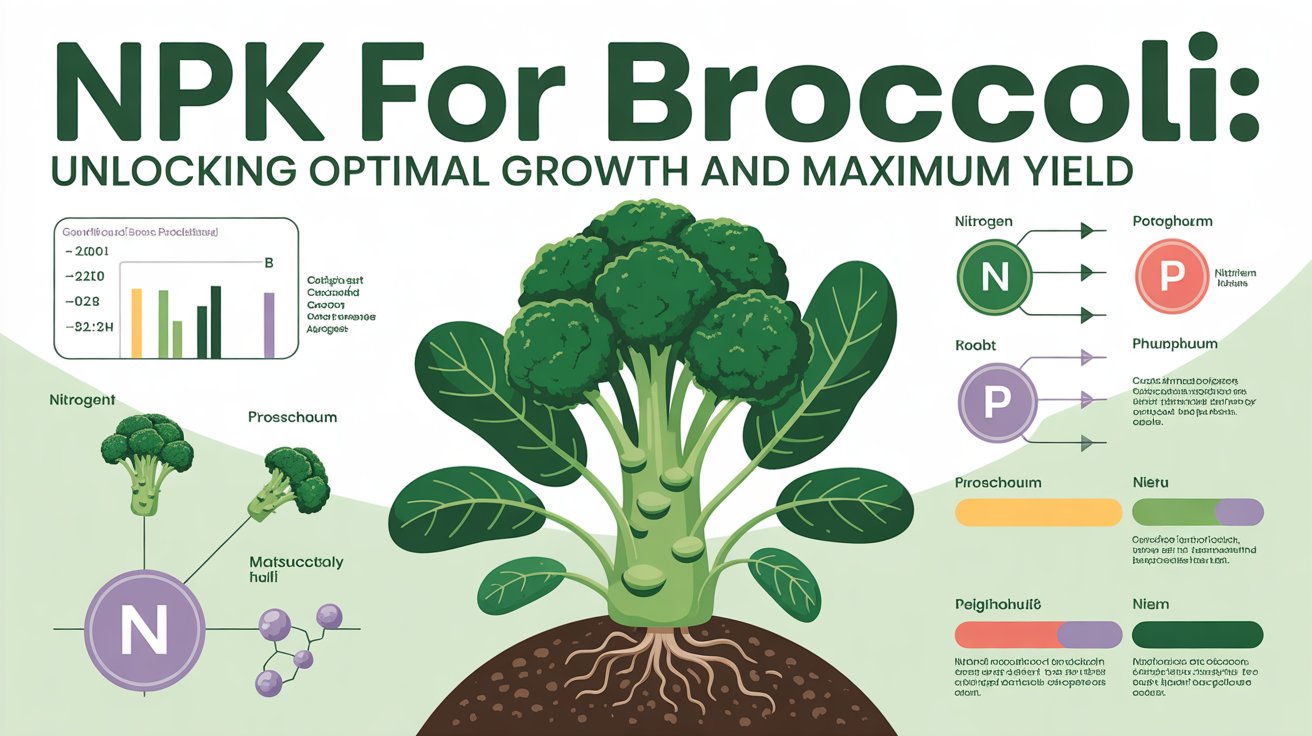
As a nutrient-rich veggie, broccoli needs a balanced feeding program in order to grow well and produce strong plants with healthy heads. By using the correct npk (nitrogen, phosphorus and potassium) when fertilizing broccoli, growers can provide the necessary nutrients for healthy, dense heads and steady growth throughout much of the growing season resulting in higher yields.
Achieving high-quality broccoli crops that are uniform in size and suitable for home gardening or commercial agriculture is dependent on the proper application of fertilizer.
There are three primary nutrients that directly affect broccoli plant growth: Nitrogen (N), Phosphorus (P), Potassium (K). By applying the correct mixture of these three cores to the broccoli plants, growers increase the amount of nitrogen (N) needed to create luscious leaves; phosphorus (P) needed for strong roots and plant establishment; and potassium (K) needed for larger, firmer heads, as compared to stress.
The proper use of these nutrients at the right ratio will maximize the productivity and resilience of the broccoli plant.
Understanding NPK and Its Importance for Broccoli Cultivation
Broccoli is a heavy-feeding crop that needs balanced amounts of nutrients in order to grow normally and develop heads. The use of proper NPK (N-P-K) for Broccoli throughout the plant's life cycle from early seedling to harvest will ensure the plant has proper nutrition at all times while growing; thus, applying the proper amount of NPK fertilizer to Broccoli will strengthen the plant, produce larger heads, and increase yield.
In addition, a blend of both chemical and organic nutrient sources for NPK will enhance soil health and improve the growing efficiency of the land in the future.
What Is NPK and Why It Matters for Broccoli
NPK = nitrogen, phosphorus, and potassium = primary nutrients needed for plant growth; each nutrient has a specific function in the growth of broccoli; deficiencies or excesses of any one nutrient will have a direct impact on the quantity and quality of broccoli produced.
Key Functions of Nutrients in the NPK Group:
- Nitrogen: to promote leafy growth and the formation of chlorophyll.
- Phosphorus: to promote root development, as well as the overall strength of young plants.
- Potassium: to enhance the formation of broccoli heads and resistance to stress.
- Balanced nutrients allow for equalized growth patterns and increased production per plant.

Key Nutrient Requirements for Broccoli Plants
Appropriate nutrient management at each stage of growth is necessary if you wish to produce high quality broccoli in large quantities.
Nutrients need to be applied according to their stage of development:
- Early stages of broccoli development (i.e., vegetative phase) require high levels of nitrogen
- Medium levels of phosphorus are required for establishment of root systems
- High levels of potassium are needed during head formation
- Nutrients should remain balanced throughout the entire life cycle of the plant

Role of Macronutrients in Plant Health
The application of Macronutrients is important to promote healthy and vigorous plant growth, improve plant yields, and increase a plant's ability to withstand stresses. Also, when using Nitrogen-Phosphorus-Potassium (NPK) through organic means and in conjunction with synthetic fertilizers, we maximize nutrient uptake and promote soil sustainability.
Benefits of Macronutrients:
1. Nitrogen aids in increasing photosynthesis, and promotes greenery and growth by producing chlorophyll.
2. Phosphorus assists in transferring energy, and gives roots their strength.
3. Potassium regulates water and helps plants fight diseases.
4. Organic materials increase soil microbial activity

The Ideal NPK Ratio for Healthy Broccoli Plants
In order for broccoli to grow well and produce compact, high-quality heads it needs a balanced supply of nutrients. The proper blend of NPK (nitrogen, phosphorus, potassium) is critical to the health and growth of broccoli seedlings; during each stage of its growth cycle from young sprouts through head formation.
Properly selecting the levels of NPK will result in an NPK fertilizer that is effective for broccoli regardless of the growing conditions (including amount of fertilization) experienced throughout the crop cycle. By additionally using organic forms of nitrogen, phosphorus and potassium, you can increase your crops' ability to utilize these nutrients for an extended period of time, thus extending the productive life of the soil.
Recommended NPK Ratios for Broccoli Growth
Regarding broccoli production, determining an appropriate NPK ratio is critical to ensuring maximum yield and maintaining the health of your broccoli plants. The ratio you use for broccoli varies depending on several factors; namely the type of broccoli you grow and the soil conditions where your crop is grown.
Recommended ratios for broccoli production include:
- A balanced ratio like 10-10-10 for general growth
- A higher nitrogen ratio like 20-10-10 during the vegetative stage
- A higher potassium ratio during head development
- Custom ratios based on soil testing

Stage-Wise NPK Requirements
Different stages of a broccoli plant's growth require different amounts of required nutrients; therefore, fertilizing at the correct time is crucial.
The Nutritional Requirements For The Various Stages Of Growth Are:
- Seedling Stage - Phosphorus to help roots develop.
- Vegetative Stage - Nitrogen for leaves to grow.
- Pre-Heading Stage - Balanced N-P-K.
- Stage Of Head Formation - Potassium to help with the development of heads.
Soil Fertility and Nutrient Management
Broccoli plants will absorb nutrients most efficiently when soil is fertile; therefore proper management of the soil contributes to long-term productivity and sustainable agriculture.
Soil Management Practices:
- Soil test prior to applying fertilizer
- Proper soil pH (6.0-7.0) is necessary for the availability of nutrients
- Use organic materials such as compost or manure as a source of NPK
- Avoid over-fertilization to prevent nutrient imbalances.

How Each NPK Nutrient Supports Broccoli Growth
Broccoli is one of the most highly sought-after vegetables, and it requires an adequate supply of all three key nutrients (N-P-K) for its complete growth. In order to maximize yields and promote optimal growth for farmers and gardeners, understanding how each of the components of npk for broccoli work is critical.
The proper amount of nitrogen, phosphorus and potassium applied at the right time will result in effective broccoli fertilizer NPK. Additionally, combining these nutrients with organic sources of NPK will enhance plant condition and soil health.
How Nitrogen Boosts Leafy Growth in Broccoli
During early growth stages, nitrogen is essential for positive broccoli growth since it helps with active leaf and stem growth.
Nitrogen has several benefits, including:
- High speed of leaf growth and canopy development
- Increased production of chlorophyll used to produce food for plants through photosynthesis
- Creates healthy/lush plant vegetation
- Provides energy for growth of plants

The Role of Phosphorus in Root and Head Development
Phosphorus is a key nutrient for growing plants, including how well broccoli heads form, as it plays an important part in rooting and how much energy can be passed through the plant.
Benefits associated with phosphorus:
- Encourages strong deep roots
- Aids plant establishment early on
- Promotes the transfer of energy needed for your plants to grow
- Aids head formation & promotes uniformity when several heads grow on one plant.

Potassium’s Influence on Quality and Resistance
Broccoli plants benefit greatly from potassium's contribution to enhancing their quality, durability, and ability to withstand various environmental stresses, particularly while forming heads.
The Key Benefits of Potassium Include:
- Increased Head Size, Firmness, & Quality
- Increased Resistance to Disease & Stress
- Regulation of Plant Water Balance
- Increased Shelf-Life of Broccoli After Harvesting
Best Application Methods for NPK Fertilizers
Using fertilizer correctly is equally as important as selecting the proper nutrient balance. Correct use of NPK for broccoli production will result in the highest levels of plant nutrition and maximum growth.
The effectiveness of broccoli fertilizer NPK (N-P-K) will be determined predominately by how it’s applied, the timing of the application and the type of fertilizer used. When organic NPKs are incorporated using sound techniques, soil will be healthier and crops will be productive over the long term.
Soil Application vs Foliar Feeding
There are various methods of applying fertilizer, each providing different benefits based on the stage of growth and nutrient requirements of the crop.
The various application methods include:
- Soil application, provides nutrients directly to the roots of your plants
- Foliar feeding allows for the rapid uptake of nutrients through the leaves.
Generally speaking, soil application provides for the long-term nutrition of your plants, while foliar feeding is a great way to address nutrient deficiencies quickly.
Timing and Frequency of Fertilization
The optimal growth and yield of broccoli depend upon adequate time intervals and frequency of fertilizer application, which are critical to achieving optimal broccoli growth and yield.
Best method(s) of fertilizing:
- Base dose should be applied at soil preparation
- Split application should be made during vegetative stage
- Increase application of potassium during head formation
- Do not over-applied, or there will be an imbalance of nutrients.

Organic vs Synthetic Fertilizer Options
Depending upon soil conditions, farming practices & crop requirements: choice of organic or synthetic fertiliser will depend on a variety of factors.
Differences Between Organic & Synthetic Fertiliser:
1. Organic fertilisers enhance the physical structure of soil and develop beneficial soils of microorganisms
2. Synthetic fertilisers produce a quick and exact nutrient source.
3. An Organic NPK is a slow-release nutrient that is sustainable
4. Synthetic fertilisers produce fast results, but must be used carefully.

Recognizing Nutrient Deficiencies in Broccoli
Nutrient deficiency has a substantial impact upon the size of broccoli, the formation of broccoli heads, and the entire yield of broccoli. Early identification of nutrient deficiency allows broccoli growers to make necessary adjustments with the use of fertilizer NPK (nitrogen phosphorus potassium) suitable for broccoli.
The success of broccoli fertilizer NPK is dependent upon when a grower makes his/her diagnosis of nutrient deficiencies in broccoli and the balanced supply of essential nutrients. Organic NPK soil production practices will also assist in preventing nutrient deficiency by improving soil health and increasing nutrient availability.
Signs of Nitrogen Deficiency
Nitrogen deficiency is one of the most common problems when growing broccoli, particularly in its vegetative phase.
The most apparent symptoms of nitrogen deficiency include:
- Chlorosis (yellowing of older leaves).
- Slow or stunted growth.
- Smaller and lighter green leaves.
- Poor plant structure and vigor.
Symptoms of Phosphorus and Potassium Deficiency
Deficiencies of phosphorus and potassium can impact root strength, head development, and the plant's ability to resist diseases.
Signs of phosphorus deficiency include:
- Poor root development
- delayed growth, and maturation
- Dark green or purple foliage
Signs of potassium deficiency include:
- Yellowing or drying on the leaf edges
- Weak and small-headed plants
- Increased susceptibility to disease
Correcting Deficiencies with Proper NPK Use
It Is Important To Have A Timely Nutrient Deficiency Correction For Broccoli Crops To Produce Healthy Broccoli Food Crops And Maximum Yield.
Some Recommendations For Correcting Broccoli Nutrient Deficiencies Are:
- NPK Fertilizers Should Be Used According To The Type Of Nutrient Deficiency.
- Quick Nutrient Correction Can Be Achieved With Foliar Feeding.
- Manure or Compost Can Be Used As Organic NPK Sources.
- Monitor Soil Health By Testing Soil Frequently.

Organic vs Synthetic NPK Fertilizers for Broccoli
Selecting the appropriate fertilizer type is crucial to growing healthy broccoli and achieving the highest yield possible. Organic and synthetic fertilizers supply Broccoli with NPK at different rates throughout their life cycle, depending on soil conditions, crop growth stage, and your farming methods.
Synthetic fertilizers will yield rapid results, while organic fertilizers improve the overall soil health and sustainability of broccoli in the long run. It is important for farmers to understand these differences to determine which fertilizer is appropriate for their crops.
Benefits of Organic NPK Fertilizers
Organic fertilizers have many benefits as they are derived from natural sources. They are widely used for sustainable agriculture, and provide many benefits to improve the soil's health and nutrient availability.
Some of the key benefits of using organic NPKs:
- Improve soil structure and retain more water
- Increase microbial activity in the soil
- Release nutrients at a slow but steady rate
- Minimize the risk of chemicals building up in the soil

Advantages of Synthetic Fertilizers
Synthetic fertilizer chemicals are used to provide plants with nutrients more quickly and with precise amounts than can be obtained from natural fertilizers.
Benefits to Synthetic Fertilizers:
- Provides an instant source of nutrients to plants
- Provides precise ratios of nutrients
- Promotes rapid growth and development of plants
- Corrects nutrient deficiencies quickly and effectively

Choosing the Best Option for Your Crop
Whether to choose organic or synthetic fertilizers is based on a producer's crop production targets (goals), soil type (short term soil health) and specific crop requirements (grow needs).
Decision Influencer:
- Use an organic based fertilizer to build long-term soil health
- Use a synthetic fertilizer to add immediate nutrient (short term)
- Utilize both organic and synthetic to achieve balanced nutrition
- Soil test prior to nutrient source selection
Common Mistakes to Avoid When Using NPK for Broccoli
Using an appropriate NPK fertilizer for broccoli is important to support healthy growth of the plant and maximum quality of the harvest. Unfortunately, there are many mistakes made by growers which will affect broccoli fertilizer NPK performance and lead to poor crop results.
In addition to making mistakes when applying synthetic fertilizers, the most important things to know to optimize nutrient application and increase the likelihood of getting good crop production will apply to both organically produced and synthetically produced NPK fertilizers. Knowing some of these mistakes is critical when applying NPK fertilizers to broccoli.
Over-Fertilization Risks
Many growers apply high rates of fertilizer to broccoli which commonly causes problems with broccoli growing successfully because if too many fertilisers are applied to broccoli plants they will not benefit from the extra fertilisers as they can be harmful to broccoli plants.
High Risks of Applying Too Much Fertiliser:
- Leaf burn and root injury due to excessive salt
- Nitrogen in excess creating excessive leafy vegetation and poor head formation
- Nutrient imbalance that will inhibit plant growth
- Increased risk of soil degradation and soil pollution

Under-Fertilization Issues
When using inadequate nutrients when fertilizing broccoli can cause growth to be stunted and have a lower yield potential.
Some of the main problems associated with under-fertilizing are as follows:
- Weak, slow plants that are poorly developed
- Tiny heads that are poorly formed
- Yellowing of the leaves from lack of nutrients
- Less resistant to diseases or pests
Incorrect Timing and Application Methods
Poor timing and Application can negate the effect of the best Fertilizers Ingredients.
Common Mistakes When Applying:
- Applying Fertilizer During the Wrong Growth Stage
- Applying Fertilizer Un-Equally across All Areas of Soil
- Not Irrigating After Applying Fertilizer
- Not Conducting a Soil Test Prior To Application

FAQs
Q1-What is the best NPK for broccoli?
A balanced ratio like 10-10-10 or slightly nitrogen-rich npk for broccoli works best for healthy growth.
Q2-How often should broccoli be fertilized?
Broccoli should be fertilized every 2–3 weeks using broccoli fertilizer NPK depending on growth stage.
Q3-Can I use organic NPK for broccoli?
Yes, organic NPK is highly beneficial for broccoli as it improves soil health and provides slow-release nutrients.
Q4-What happens if nitrogen is low in broccoli?
Low nitrogen leads to yellow leaves, stunted growth, and smaller broccoli heads.
Q5-Is potassium important for broccoli quality?
Yes, potassium improves head firmness, size, and overall crop quality in broccoli.
Conclusion: Optimize Your Broccoli Growth by Using the Right NPK Strategy Today
Selecting the proper NPK for broccoli is crucial for strong plant growth, producing healthy heads, and optimum yields. A thoughtful application of proper nutrient ratios, correct timing of application, and appropriate methods of application will permit broccoli plants to receive the necessary nutrients and fertilizers during the various stages of growth.
Farmers can improve soil fertility; enhance crop quality; and achieve sustainable long-cycle production by applying a suitable fertilizer mix containing NPK that is appropriate for broccoli with the inclusion of organic forms of NPK whenever possible. An effective NPK program increases yield and provides consistent and profitable crops of broccoli.