

Is Seaweed Good for Roses? The Natural Way to Healthier Blooms
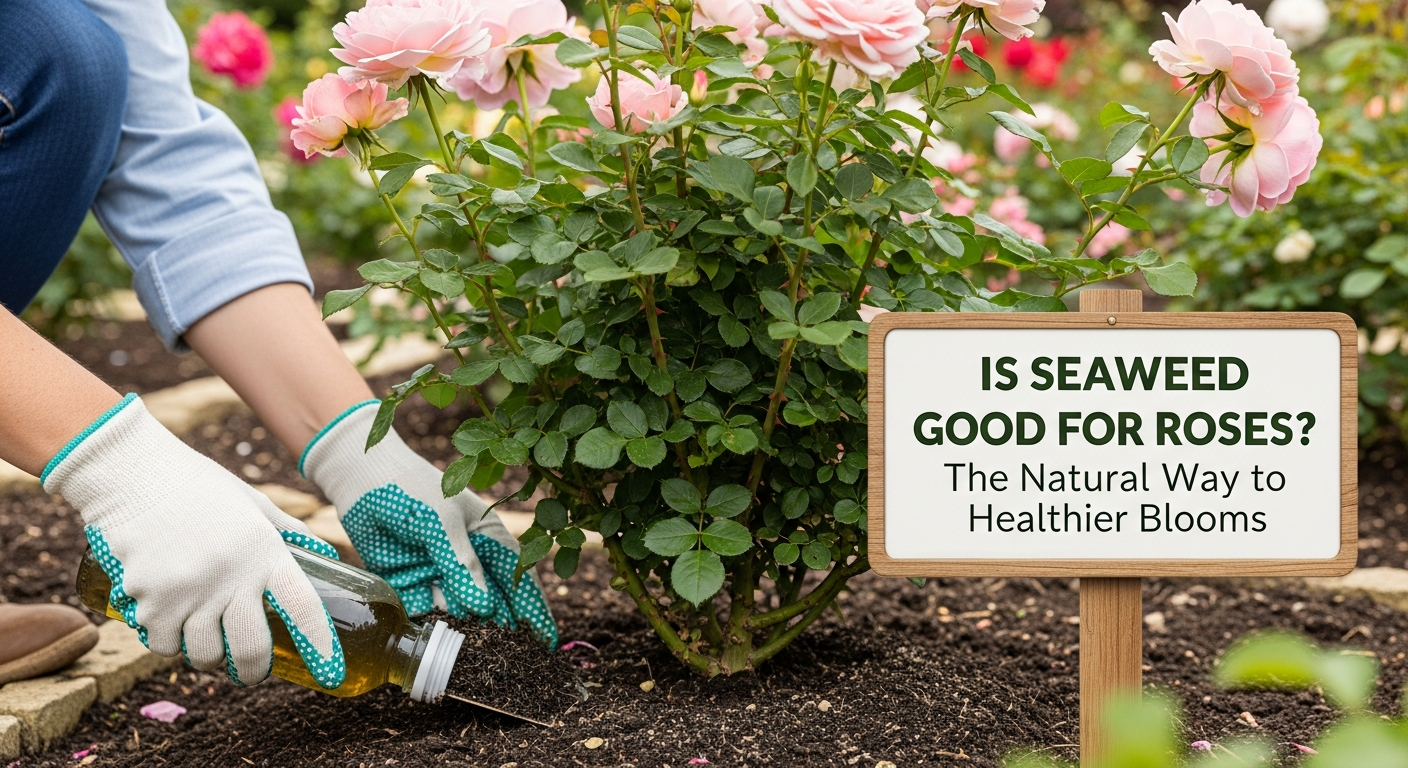
Humanity has been using seaweed, one of the oldest plant fertilizers used by, for thousands of years to promote the growth of ornamental plants and support healthy soils. The question that most people have regarding the application of seaweed to roses is whether seaweed is beneficial for roses. The short answer is a resounding yes. Not only does seaweed provide many essential nutrients to roses, it also provides numerous other nutrients that support rose growth. In addition to providing many of the essential nutrients for roses, seaweed extract is also very rich in trace vitamins (boron, copper, manganese, zinc, etc.) and natural plant growth hormones. These nutrients help develop a robust root system, create strong plant growth, and produce bright flowers. Most of these nutrients can be used by roses through soil as well as through their foliage; therefore, they are a safe and effective addition to the growth of nearly all types of roses, including the more delicate varieties.
Another reason that many gardeners inquire about the benefits of liquid seaweed for roses is due to the fact that liquid seaweed supports the gradual rate of growth of roses rather than forcing them to bloom quickly or at a high rate of speed. Liquid seaweed has several additional advantages to roses. Liquid seaweed supports improved tolerance to stress and it produces more buds, in addition to producing longer-lasting flowers. Therefore, all types of rose plants, both mature and young, will benefit from liquid seaweed as a source of nutrients to sustain their growth and contribute to the ongoing creation of beautiful, healthy roses.
Understanding Seaweed as an Agricultural Input
For generations, seaweed has proven to be an effective natural plant enhancer in agriculture. And while many gardeners ask if the use of seaweed will help improve the health of their roses, it has been shown that using seaweed as an enhancer or soil conditioner provides gentle nourishment to plants and improves soil health. Seaweed acts as a biostimulant, rather than a harsh, chemical fertilizer; thus, its application results in improved soil quality, balanced plant growth, strong root systems, and healthy blooms. Plus, because seaweed is organic, it provides a sustainable method of growing roses, whether in your backyard or as part of an ornamental landscape.
What Is Seaweed Extract in Agriculture
Seaweed extract is a concentrated form of algae that is harvested from various marine sources and processed for use in agriculture. Commonly used as a soil drench or foliar (plant canopy) spray, the application of seaweed extract is common among many different types of ornamental plants, including roses.
- Seaweed Extract Characteristics
- From brown, red, or green seaweeds
- Liquid, powdered, or granular forms available
- Plant biostimulator, not a chemical fertilizer
- Improves nutrient absorption, not replacement of nutrients
Rose growers who are curious about whether or not the use of liquid seaweed will benefit their roses should know that the quick absorption of liquid seaweed extracts provides the fastest and most visible results from applying seaweed extract to their plants via the leaves and roots.
Nutritional Profile of Seaweed
Seaweed's ability to grow roses is primarily due to its nutrient-rich composition and the myriad of nutrients provided to the rose plant.
Nutrients In Seaweed Extract Include:
- Macronutrients: calcium (Ca), Magnesium (Mg), Potassium (K).
- Micronutrients: Boron (B), Iron (Fe), Manganese (Mn), Zinc (Zn).
- Natural hormones of the plant: Cytokines (Cyt), Auxins (AUX), Gibberellins (Gibs).
- Organic compounds: Antioxidants, Amino Acids (AA), Polysaccharides.
The above nutrients promote:
- Deeper roots for roses,
- Darker green leaves,
- More buds being formed,
- Longer-lived, colourfully developing flowers.

Why Seaweed Is Used in Sustainable Farming
Seaweed is essential for eco-friendly and sustainable agriculture for both commercial and ornamental growers, including those who home garden for roses; therefore, the use of seaweed as
a source of nutrition for roses plays an important role by:
1) Decreasing the need for synthetic fertilisers.
2) Increasing the natural activity of microbes in the soil.
3) Increasing the ability to survive heat and drought.
4) Safe for maintaining your soil and plants long-term.
5) Environmentally friendly and biodegradable.
The use of Seaweed Extract allows the rose grower to produce a healthy bloom and maintain the sustainability of both the soil and the planet. Therefore, Seaweed is an excellent solution for those looking to grow healthy roses using sustainable, natural means.
Is Seaweed Good for Roses? Key Benefits Explained
You may have heard about the positive effects that seaweed can have on roses, but you may be wondering if it's really true that seaweed has benefits for roses. The answer is a resounding "YES!" Seaweed will provide the rose with a slow, balanced source of nutrition to enhance root development, foliage health, and flower production, while not overstimulating the plant. Seaweed can also promote healthy, steady growth throughout a rose's life; this will allow a rose to withstand environmental stressors better and produce more beautiful blooms.
Improved Root Development
A rose's roots are the foundation of a healthy rose plant, which is why using seaweed extract will encourage the development of deep, healthy roots. Seaweed contains naturally occurring auxins and organic compounds that promote the growth and division of root cells. This means that a rose will be able to draw up nutrients and water more effectively (especially during the plant's early developmental stage or after being transplanted).
Benefits of seaweed to a rose's roots include:
- Encouragement of deeper root development and spread
- Enhancement of nutrient and water uptake of roses
- Encouraging faster recovery for roses after pruning and/or transplanting
- Increasing roses' ability to tolerate drought and heat
- Encouragement of healthier soil/roots interaction

As a result, the stronger the root system, the more resilient the rose will be throughout the growing season.
Healthier Foliage and Stronger Stems
Having healthy leaves and strong stems provides roses the foundation to produce many flowers. A common question from Rose Gardeners is will Liquid Seaweed help my roses?; therefore, we know Liquid applications are great for improving foliage health. Liquid Seaweed contains trace minerals, magnesium and natural Cytokinin, which can be applied right to the leaves, improving the photosynthetic and stem strength of the rose plant. Some visible improvements that can be
seen from using Liquid Seaweed to support healthy foliage include:
- Deep green glossy leaves
- Thick, strong stems
- Yellowing and stressed leaves reduced
- Improved pest and disease resistance
- Improved overall structure of the Plant
Using Liquid Seaweed consistently provides roses with lush foliage, which supports continuous bloom.
Enhanced Flowering and Bloom Quality
One of the most easily recognizable benefits of applying Seaweed is the improvement in flowers. Seaweed encourages plants to grow at a balanced rate, instead of forcing a rapid bloom, producing healthier and longer lasting flowers. In addition, Seaweed Extract helps control Plant Hormones responsible for producing and developing flower buds, leading to fuller and more vibrant flowers.
The flowering benefits to Roses include:
- Increased number of flower buds
- Larger, well-shaped blooms
- A deeper and richer Colour of flowers
- Longer life of blooms
- Less bud drop due to stress

Is Liquid Seaweed Good for Roses Compared to Other Forms?
When a gardener asks: is seaweed a good option for roses? The type of seaweed used will determine how effective the use of it will be. Seaweed comes in several forms, including (1) liquid seaweed, (2) powdered seaweed extract, and (3) solid kelp (laurocerasus angustifolia). Of these options the liquid form is preferred by many rose growers due to its quick delivery of nutrients in an easy and gentle manner. In order for growers to choose the right option for their rose bushes to promote the best bloom possible, they need to understand how the liquid form of seaweed compares with the other two forms.
Liquid Seaweed for Faster Absorption
Liquid Seaweed allows roses to absorb nutrients faster than the powdered or solid forms. Many gardeners are confident that liquid seaweed is a good option for roses, particularly when the plant is actively growing and flowering.
Why is Liquid Seaweed able to Supply Nutrients to Roses at Such a Rapid Rate?
- Nutrients in the liquid form have already been dissolved into solution and therefore are readily available to the rose.
- Liquid form of seaweed can be absorbed by both the leaves and the roots of the rose.
- Liquid form of seaweed is suitable for foliar sprays and soil drench.
- Rapidly reduces transplant shock and stress to a rose after it is transplanted.
- Rapidly encourages the formation of new buds and increases the greenness of the foliage.
Because roses require a high amount of nutrients throughout their active growing and blooming periods, the fast delivery of nutrients from liquid seaweed makes it an excellent choice for rose growers in early spring and during the blooming season
Seaweed Extract vs Kelp Meal
Because both are derived from seaweed, they can function differently in the home garden depending on the goals of the gardener (see graphic).
Seaweed Extract:
- Liquid or powdered concentrated form.\
- Fast acting
- Ideal for foliar applications, and provides immediate results.
- Provides benefits like improved flowering, stress tolerance, and improved leaf health.
Kelp Meal:
- Solid form that is slow-releasing.
- Acts gradually over time from the soil.
- Provides a long term improvement to the soil.
- More for soil enrichment than as an immediate food source.
- Liquid Seaweed for Roses Provides Maximum Support.

Best Situations to Use Liquid Seaweed
Liquid seaweed can provide gardeners with gentle but very effective assistance for flowering roses in a variety of critical growth stages.
Most Effective Times to Apply Liquid Seaweed For Roses:
- Right After Pruning
- During Flower Bud Formation and Flowering Phase
- After Transplant or Potting Rose
- During Excessive Heat/Drought Conditions
- Whenever Roses Show Signs of Nutrient Deficiency
When liquid seaweed is consistently applied, it answers the question "Is seaweed beneficial to my roses?" by providing gardeners with visible results such as stronger stems, healthier leaves, and longer blooming periods.
How Seaweed Extract Supports Rose Growth Scientifically
Roses need a lot of input to develop flowers, but their nutritional requirements and root strength have to be right and the plants must be protected from stress to provide roses with the best possible chance of flowering. So is seaweed beneficial to roses? The answer is definitely yes from a scientific perspective, as seaweed has a specific chemistry that affects the plant on a molecular level. Seaweed extracts promote roses' ability to grow new growth, absorb nutrients more effectively, resist diseases and react to environmental stress by increasing hormone levels and improving the ability of the plant to use nutrients.
Natural Plant Hormones in Seaweed
One of the most significant reasons liquid seaweed is beneficial to roses is that it naturally contains growth-promoting hormones to which roses respond extremely favorably.
Examples of Hormones Found in Seaweed Extract Include:
- Cytokinins stimulate cell division and are associated with the proliferation of buds and flowers.
- Auxins help to promote root growth and therefore nutrient uptake.
- Gibberellins assist with stem elongation and flower development.
The Value of Seaweed Extract Forms for Roses
The use of liquid seaweed will promote the growth of more flower buds; improve the size and colour of blooms; help maintain the growth of roses to a balanced state without forcing excessive vegetative growth; and will help reduce very much excessive leafy growth. Seaweed contains hormones that are found in a low-level, allowing the use of seaweed extract on sensitive rose varieties.
Improved Nutrient Uptake
- Nutritional Deficiency Caused by Poor Root System and Soil Condition Rose Nutritional Deficiency.
- By using the seaweed extract to enhance the nutritional uptake of the nutrients by the rose plant from the soil, a rose plant will improve its ability to obtain the nutrients from the soil.
Ways that Seaweed Improves the Nutrient Uptake of Roses:
- Drives the growth of roots which enables the plant to penetrate the soil deep into the ground.
- Increases the microbial activity of the soil surrounding the root system of the rose.
- Allows for better absorption of the nutrients: nitrogen, potassium, iron and magnesium.
- Allows the rose plant to correct deficiencies in micro nutrients naturally.
Improvements that You Will See in Your Roses, with the Use of Seaweed Extract:
- Leaves that are dark green and healthy.
- Stronger stems and branches.
- Less yellowing and leaf loss.
- More vigorous plants overall.

Increased Disease and Stress Resistance
Yet another reason that many people ask gardeners about using seaweed for their roses, is that it protects plants from the damaging effects of stress and diseases. Seaweed extract promotes the internal strength of roses, in turn, allowing them to cope with both biotic and abiotic stressors.
Some Examples of Stress Causing Conditions in Which Seaweed Extract Can Assist Roses Manage:
- Heat and drought stress
- Transplant shock
- Pest pressure
- Fungal diseases (i.e., black spot and powdery mildew)*
How Does Seaweed Extract Provide Protection for Roses?
- Seaweed Extract Provides a Boost in Plant Immunity Due to its Bioactive Compounds
- Provides an Increase in Cell Wall Strength
- Provides an Increase in the Activity of Antioxidants
- Allows Roses to Recover More Rapidly Following Pruning or Stress
With Regular Use, Roses Will Be Stronger, Healthier and More Resilient Without The Use of Toxic Chemicals.
How to Apply Seaweed to Roses Correctly
Mareweed, sometimes referred to as walruse, is one of the most gentle and easiest ways to increase the health, flower, and resilience of life to stress. The question of whether mareweed is beneficial for rose bushes is answered in the positive, as mareweed provides gentler nutrition, natural growth hormones, and trace minerals to rose bushes in a manner that roses have no difficulty absorbing. The trick to using mareweed effectively is selecting the proper time and process of application so that rose bushes can be fertilized without causing problems from overfeeding.
Foliar Spray Method
Foliar is one of the quickest methods to see results in rose bushes. The question of whether liquid mareweed is beneficial for roses is typically answered in the positive by using the foliar method of application. When applying liquid mareweed to rose bushes as a foliar spray, the nutrients are readily absorbed through the rose bush foliage. This method of application is also helpful when the rose bushes are newly planted, actively growing, budding, or blooming.
Advantages of Foliar Application of Mareweed to Rose Bushes:
- Greener, healthier rose bush foliage;
- Increased bud formation and stronger blossoms;
- Increased resistance to heat, pest, and disease;
- Improved recovery from pruning and transplanting.

How to Prepare for Foliar Application of Mareweed to Rose Bushes:
- Always dilute liquid mareweed according to the instructions on the label.
- The best times to apply foliar sprays are early in the morning or late in the evening.
- Lightly coat both the upper and lower surfaces of the foliage.
- Avoid spraying when it is sunny or raining.
Soil Application Method
The purpose of applying seaweed directly to the soil is to establish long-lasting health for roses through increased root strength and soil improvement. The answer to your question, "Can roses benefit from seaweed at their roots?" is YES. Seaweed extracts feed beneficial microbes in the soil, increase the ability of the soil to retain moisture and provide support to the roots of the rose plant. Healthy roots will develop larger canes and produce more and larger flowers.
Soil Treatment for Roses Provides:
- Deep and healthy root development
- Nutrient accessibility and improved soil structure
- Support for the activity of beneficial microbes in the root zone
- Reduction in the amount of stress on newly planted roses by reducing transplanting shock
How Do You Apply Seaweed Extracts to the Soil?
- Dilute seaweed extract with water.
- Apply a diluted solution of seaweed extract around the base of the rose plant.
- The treated soil must not be allowed to dry out until after it has been watered lightly after seaweed application.
- The treated area must be moist at the time of application to achieve the desired results
Recommended Frequency for Roses
While seaweed extracts are mild in their composition and therefore safe for most plants, it is important that you adhere to the recommended application frequency established for the rose plants. Over-applying seaweed can result in reduced effectiveness; an ongoing program of regular applications creates the greatest benefits. Seaweed extracts should be considered a supplement to your normal sources of plant nutrients, i.e., compost and organic manures and not a substitute for them.
Guidelines for Recommended Frequencies: For Roses
- When Rose plants are actively growing: every 10 to 15 days
- When Roses are in bloom: every 15 days
- Newly planted Roses: to be treated with a solution diluted to half-strength
- During the dormant period: to either discontinue or significantly reduce the amount of seaweed extracts being used.

Seaweed vs Traditional Rose Fertilizers
Growers should select the best feeding strategy for their roses based on the differences between the two methods of feeding (Seaweed and Chemical) and also take into consideration the benefits of each approach for both the plant and the soil. One of the biggest differences is how Nutrients Get Delivered to the Plant. The Seaweed Product delivers nutrients over a longer period of time by Using the Organic Matter Found in The Seaweed to Enrich the Soil.
Chemical Fertilizers provide Nutrients immediately but do not Enhance the Quality of Soil as Seaweed does. Because of These Differences, Rose Growers Would Be Well Advised to Choose Seaweed over Chemical Fertilisers, Because it Provides the Long Term Benefits Needed for Good Rose Production.
Organic vs Chemical Fertilizers
Compared to seaweed-based fertilizers that are organic, chemical rose fertilizers, while made from chemically synthetically created substances, have the least amount of long-term effects on plants compared to the seaweed alternative.
The seaweed option has the following benefits:
- Contains naturally occurring plants from the sea for nutrient supply
- Provides micro-nutrients, amino acids, & growth enhancers (natural hormones)
- Adds to the overall health of the plant over many seasons
- Is non-toxic to beneficial microorganisms found in the soil
- Reduces the chance of "fertilizer burn"
The chemical rose fertilizers:
- Provide nutrients at a higher rate, usually through nitrogen-phosphorous-potassium (N-P-K)
- Provide quick greens, blooms, etc
- Can create salt build-up and damage roots when used excessively
- Can deplete beneficial microorganisms living in the soil over time

This comparison shows why there are many gardeners who believe that seaweed extracts will feed roses while supporting and not harming the plant or the environment.
Long-Term Soil Benefits
The most significant advantage of using seaweed extract to grow roses is the improvement to the health of the soil, which affects the growth and success of the roses for years to come.
Seaweed Improves Soil and Its Health
1) Increase in Beneficial Microbial Activity in Soil
2) Improved Structure and Aeration of Soil
3) Increase in Moisture Retention
4) Balanced Soil pH (balanced naturally)
5) Creation of Organic Matter over Time
Repeated usage of chemical fertilizers results in:
- Compaction of Soil, Loss of Beneficial Microbial Diversity, Need for Larger Doses Every Year.
- For people who are interested in maintaining sustainable roses, this illustration shows the advantages of using seaweed over chemical fertilizers.
Combining Seaweed with Other Inputs
Seaweed is a valuable addition to the toolbox of organic fertilizers, but it does not have to replace every other organic fertilizer—seaweed has been shown to perform well when combined in the right ways with other organic fertilizers.
The best ways to combine seaweed with other materials:
- Use seaweed extract in conjunction with a compost or vermicompost.
- Use liquid seaweed in conjunction with your regular feeding schedule.
- Combine seaweed with organic manure to achieve a balanced source of nutrients.
- As a foliar application during stressful times (heat, pruning, or transplanting).
- Avoid mixing liquid seaweed with strong chemical fertilizers at the same time in the same tank.
This flexible option enables gardeners to experience the best of both worlds while still being able to confidently answer the question, "Is seaweed good for roses?"—Yes! Especially when it is a supplementary boost for plant health, as well as soil health.

Common Mistakes to Avoid When Using Seaweed on Roses
While seaweed provides roses maximum growth potential quickly through natural organic plant compounds, it has been found that the amount of seaweed used and the method used to apply it can adversely affect the health of a rose. The benefits a rose will receive from the use of seaweed depend upon the way that seaweed is applied.
Overusing Seaweed Extract
Certainly, one of the most prevalent mistakes that Rose growers will make when using seaweed is to apply it too often, or to apply too much, believing that if one applies more nutrition to a plant that it would lead to more blooms.
Why is this a problem?
- Too much Applied Nutrients Stimulation
- Soft, weak stems will develop instead of strong canes
- Leaves will yellow or curl due to an improper ratio of nutrients
- Flower production will decrease, rather than increase
Best Practices
- Both Liquid Seaweed should be applied every 10 to 15 day
- Always follow the application instructions to dilute
- For young/newly planted roses, use 50% strength
When the liquid seaweed is applied as indicated above, it is safe to say that yes, the answer is yes! But moderation must be maintained.
Incorrect Mixing with Chemicals
Combining seaweed with other products that are not compatible with the seaweed can also present another problem. Even though seaweed is typically safe and does not harm roses, it can cause roses to become less productive and/or harm rose plants when combined improperly.
Some of the most often made mistakes when mixing seaweed are:
- Using a seaweed extract in conjunction with a highly chemical based fertiliser
- Mixing with fungicides that are copper-based.
- Tank mixing without testing the compatibility.
- The application of seaweed and other products on the same day.

The following are safe practices when mixing seaweed:
- Perform a jar test to verify the capability of your seaweed and other products to be mixed.
- Prior to applying, apply chemical treatments, and then wait at least three to five days before applying seaweed.
- If at all possible, use seaweed products in conjunction with organic based products.
Using Non-Agricultural Seaweed Products
Seaweed is not appropriate for rose use. There are many gardeners who use seaweed products that are designed for non-agricultural use, such as cosmetics, food, or aquarium seaweed products.
Why This Is Dangerous
- The risk of soil imbalance caused by non-agricultural products that may contain unacceptable levels of salts or additives
- When using non-agricultural products, there is the potential for the nutrient composition to not meet the needs of the rose plants.
- The risk of leaf burn from using non-agricultural seaweed products.
- What to Look For When Purchasing Seaweed
Certified agricultural seaweed extracts. Products that are specifically labelled for soil application or foliar applications. Cold-processed liquid seaweed products for use on roses.

FAQs
Q1. Is seaweed good for roses in all seasons?
Yes, seaweed is beneficial year-round, especially during active growth and flowering seasons.
Q2. Is liquid seaweed good for roses compared to granular fertilizers?
Yes, liquid seaweed is absorbed faster and works more gently than granular fertilizers.
Q3. How often should seaweed extract be used on roses?
Apply seaweed extract every 10–15 days for best results.
Q4. Can seaweed extract replace rose fertilizer completely?
Seaweed can reduce fertilizer needs but works best as a supplement to balanced rose fertilizers.
Q5. Is seaweed extract safe for organic rose gardening?
Yes, seaweed extract is natural, non-toxic, and ideal for organic rose gardening.
Conclusion: Why Seaweed Is a Smart Choice for Growing Roses
The use of seaweed for growing roses is a smart, natural choice because it feeds the plant, not to overwhelm it with nutrients but only what it needs (and some extra) to grow and flourish. Seaweed contains many trace minerals, natural plant hormones and bioactive substances, all which will aid in root establishment/growth of the plant, the growth of lush foliage and the speed of flower production on your roses. Seaweed will NOT FORCIBLY push the plant to grow quickly as some synthetic fertilizers do, but rather will gently assist the plant or encourage it to follow its natural growth cycle (after the time of planting), so that the plant then has the ability to withstand some of the environmental stresses associated with growing roses (i.e. cold temperatures, droughts, fungal and insect infestations).
One of the other biggest advantages of using seaweed for roses is that it improves the health of soil. When used on rose vegetation as a foliar spray or soil drench, it will help to stimulate the growth of beneficial bacteria in the soil, which will make nutrients in the soil available to the roots, and allow for water to be retained longer in the soil, providing the ideal growth environment for rose root systems. When used regularly, either as a foliar spray or drench, seaweed will continue to develop and support the plant, meaning that over the years, the dependency on synthetic/nutritional inputs will be reduced.
In recent years, the idea of sustainability has become increasingly more common within the gardening community, and for many gardeners, seaweed is one of their most viable options for locating environmentally-friendly, sustainable, and rose-friendly solutions. Seaweed is safe to apply regularly throughout a rose's life cycle and will work for organic gardening as well. By using seaweed when growing roses, you not only are growing beautiful plants; you are also promoting healthier soil, and eco-friendly gardening practices, with the ultimate goal of producing long-lasting, beautiful roses every year.