

Unlocking the Power of Humic Acid for Tomatoes: Boost Growth, Yield, and Flavor
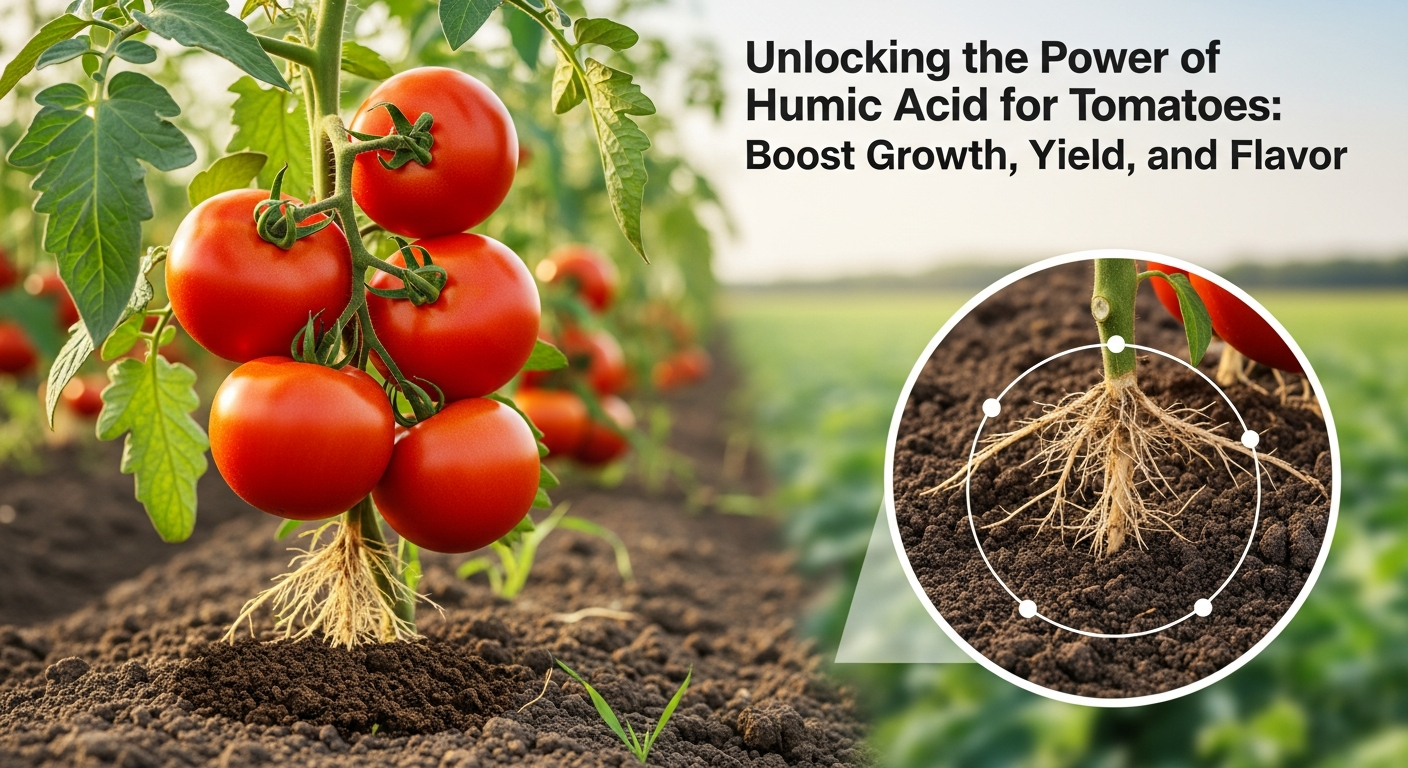
Humic acid is a natural soil supplement that can help tomatoes grow with increased strength, health, and productivity. Farmers and backyard gardeners alike use humic acid to enhance their soils, improve the soil structure and help the tomato plant to absorb more nutrients such as nitrogen, phosphorus, potassium, and micro-nutrients.
Improved ability for the tomato to absorb these nutrients creates deeper root growth, greener leaves and increased flowering and fruit-setting throughout the tomato-growing season.
Using humic acid in rich soils improves the capability for tomatoes to hold water better and gives the tomatoes the ability to grow better during times of heat or drought due to assisting with stimulating beneficial soil microorganisms. Since humic acid is gentle and plant-friendly, it's a perfect choice for both organic and conventional agriculture.
Through assisting in the enhancement of tomato plant growing, increase productivity, and increase quality of the tomato fruit produced will result from using humic acid with tomatoes - both naturally and sustainably.
Understanding Humic Acid: Nature’s Plant Booster
Humic acid is a naturally occurring organic compound that forms as a result of decomposing plant and animal material over time. As a soil conditioner for agriculture or gardening, humic acid is valued for its ability to increase nutrients available to plants, help build strong root systems in plants, and increase plant health. When applied properly, humic acid can increase the growth and flowering of tomato plants, as well as their ability to produce fruit.
Humic acids differ from synthetic plant growth enhancers in that they work with the natural biology of soil to create a healthier growing environment than would normally exist without these products.
What Is Humic Acid and How It Works in Soil
Humic acid enhances soil structure and improves its water and nutrient retention capabilities. It works by acting as a natural chelator and binding key minerals, thus making these essential minerals readily available for absorption by plant roots.
Humic acid works in the soil by: Increasing nutrient uptake (N, P, K, and micronutrients)
- Enhancing soil aeration and structure
- Increasing microbial activity
- Reducing nutrient leaching

This is why humic acid can add tremendous value when growing tomatoes in poor quality soil.
Humic Acid as an Organic Soil Amendment for Tomatoes
Humic acid is an organic soil amendment that can help improve the root zone environment without negatively impacting any beneficial microorganisms present in the soil. Humic acid also promotes healthy long-term soil fertility and will decrease your need to use an excessive amount of chemical fertilizers.

Tomates are required to have a balanced nutrient supply through the use of humic acid during the complete growth cycle.
Why Humic Acid Is a Natural Growth Stimulant for Plants
By improving the metabolic rate of plants and the efficiency with which they use nutrients, humic acids will enhance their growth. Fast-growing roots will lead to increased plant vigor and production.

If you’re a gardener or farmer looking for a natural product to help grow tomato plants, consider using some form of Humics in conjunction with the usual fertilizers or chemical sprays you normally use. Humics will promote healthy seedling roots which will translate into healthier plants and larger quantities of tomatoes per acre harvested than you would have without this product.
The Science Behind Humic Acid and Tomato Plant Health
Tomatoes are heavy feeders that need balanced nutrition & dirt biological health to grow properly. The science behind the benefits that using Humic Acid gives plants is by (a) Providing an enhanced availability of nutrients; (b) Promoting stronger root systems; & (c) Increasing beneficial microbial operations in the soil. Applying Humic Acid on tomato plants creates a root zone that is biologically healthy, allowing vigorous plant growth, & produces fruit at a constant rate.
Humic Acid for Plants, when properly applied, assists tomato growers in growing tomatoes more productively and sustainably than using only conventional fertilizer. Humic Acid assists in how you will take your nutrients up and utilize them in your plants.
Improved Nutrient Uptake and Fertilizer Efficiency
Nutrient chelation is one of the most important roles of humic acid as a scientific function. Humic acid attaches to some of the types of nutrients that are necessary for the growth of tomatoes and retains them in a form that can be more easily taken up by the roots of tomatoes.
Some benefits of the availability of nutrients include the following:
- Increased uptake of nitrogen, phosphorus and potassium from soil.
- Improved availability of calcium, magnesium and micronutrients to plants.
- Reduced losses of fertilizers due to leaching from the soil.
- Increased total efficiency of fertilizers.

Therefore, humic acid for tomatoes is particularly effective during periods of rapid growth and fruiting.
Root Development and Stronger Tomato Plants
The foundation of healthy tomato plants is built with healthy roots, and using humic acid for plants promotes root development by stimulating root lengthening and branching, which ultimately gives plants an increased opportunity to take up more soil nutrients and water.
Effects of humic acid on the soil and roots will:
- Promote deeper root penetration
- Improve the density and branching of roots
- Enhance transplant establishment
- Increase plant stability and vigor
Stronger root systems translate directly into healthier stems, greener leaves and increased fruit yield in tomato plants.
How Humic Acid Improves Soil Structure and Microbial Activity
Humic acids improve soil texture and biological well-being of soils in addition to helping with roots from plants. Humic acid aids with the soil's structure by aiding in soil aggregation; therefore, it aids in aerating and supporting moisture retention of the soil.
The following are benefits to soil health when using humic acid:
- Loosens packed clay soils
- Improves moisture retention of sandy soils
- Stimulates useful microorganisms, including bacteria and fungi
- Promotes long-term soil productivity
By utilizing humic acids on your tomatoes you will not only increase their immediate health, but also strengthen the whole soil ecosystem, making them suitable for future seasons while also increasing their harvest quality from season to season.
How to Apply Humic Acid for Maximum Tomato Yield
To maximize the yield from your tomato plant, you must apply humic acid in the right way to reap all the benefits. Proper dosage, timing, and application of humic acid will determine how much benefit your tomato plant will get from this natural soil health and nutrient efficiency enhancer. No matter where you grow your tomatoes - whether in an open field, behind glass in a greenhouse, or at home - if you learn how to use humic acid in your tomato plants, you will produce stronger roots, as well as a higher quality fruit.
How to Use Humic Acid for Tomatoes (Soil & Foliar Methods)
Tomatoes can be grown with humic acid using either soil applications or by applying a foliar spray.
Soil Application (Recommended Method)
- Humic acid can be mixed in with irrigation water and applied directly to the root zone of the plant
- this will allow for maximum root development and nutrient absorption
- as it often will assist in better establishing the root system.
Foliar Spray (Supplemental Method)
- Humic acid will be applied in a diluted mixture as a foliar spray directly to the leaves of the plant during vegetative development
- This will aid in nutrient absorption and recovery from periods of stress.

As indicated, the application of humic acid to the soil will provide optimum results for tomatoes.
Dosage, Timing, and Frequency for Tomato Crops
To achieve optimal yields without exceeding the appropriate use of products, you need to apply the right amount of product.
Amount to apply:
- For liquid humic acid, use 1-2 ml/litre of water (ground).
- For field crops, apply 500-1000 ml per acre using drip irrigation.
- For granular form, apply 1-2 kg per acre.
When to apply:
- At the time of transplanting
- Early in the vegetative growth stage
- Prior to flowering and setting fruit.
How often to apply:
- Every 15-20 days throughout the growing season
- 2-3 applications are recommended for each crop cycle.
By consistently using humic acids on your plants, they will receive a consistent supply of nutrients and an improved set of fruit.
Liquid vs Granular Humic Acid for Tomato Gardens
There are two types of humic acid that will be effective, but each will be used differently to grow tomatoes.
Liquid Humic Acid:
- Quickly producing benefits
- Easy to use with a drip system or watering
- Best for Plants that are still growing
Granular Humic Acid:
- Slowly producing benefits
- Best for conditioning soil before planting
- Improving long-term development of the soil

By using both types of humic acid together at home, you can obtain the maximum benefits from them when growing tomatoes. If your tomatoes receive the proper amount of humic acid, you will produce larger and stronger plants, more flowers on your plants, and better quality, tastier fruit at harvest.
The Benefits of Using Humic Acid on Tomatoes
Tomato plants require a high level of nutrients to thrive and benefit greatly from improved soil quality and proper nutrition. Adding humic acid to tomato plants will increase the efficiency of absorbing nutrients, improve the overall strength of the plant, and promote uniform production of tomatoes through the use of humic acid as a soil conditioner. In addition to providing an improved growing environment above ground level, humic acids will also work to create a suitable growing environment below ground level by improving soil structure and permeability. When applied appropriately, using humic acid for tomatoes can be an effective method for improving both productivity and quality of your tomato crop.
Higher Tomato Yields and Better Fruit Set
Tomatoes benefit significantly from the use of humic acid, especially through increased flowering and fruiting rates. The addition of humic acid enhances the availability of certain nutrients (phosphorus and potassium are the most critical) to the plant. Consequently, this helps produce more flowers that can all be turned into fruit.
From a yield perspective:
- Increasing the number of flower clusters.
- Improving fruit retention.
- Reducing the number of flowers falling off.
- Improving nutrient flow to immature fruit.

For these reasons, humic acids' beneficial effects on plants are especially important at flowering and fruiting stages.
Improved Flavor, Color, and Fruit Quality
When you have healthy soil, your plants' produce will also be healthy. Humic acid helps with nutrient uptake in your crops giving plants more sugar in their fruits, developing better colour, and improving the overall quality of the fruits they produce.
The quality benefits that can be expected from humic acid use on tomatoes are as follows:
- Producing deeper red tomatoes.
- Producing sweeter/better-tasting tomatoes.
- Producing uniform-sized tomatoes.
- Producing firm tomatoes that have a longer shelf life than when they were produced without humic acid.
By creating a stronger root system and helping your crops be more efficient at receiving nutrients, using humic acid on tomatoes creates a premium-quality tomato that will meet the marketplace's requirements.
Increased Disease Resistance and Stress Tolerance
Environmental stressors such as heat, drought, and diseases transmitted through soil can affect Tomato crops as they grow well throughout all climates. Humic acid in agriculture has been shown to enhance the ability of crops to withstand these types of stresses by providing additional strength to their root systems and improving the ratio of beneficial bacteria to harmful bacteria within the soil.

In summary, applying humic acid to tomato plants not only increases yields and fruit quality, but also helps to develop plant resilience to the stresses they experience, guaranteeing sustainable production and healthier harvests will occur season after season.
Common Mistakes to Avoid When Using Humic Acid on Tomatoes
Although there are many advantages that tomatoes receive from using humic acidity, applying it improperly should lead to reduced yield and fruit quality. The main application of humus as a soil enhancer is not meant to be used in place of traditional fertilizer, knowing how it can be used will allow you to produce maximum amounts of tomatoes while having the best quality of fruit. By avoiding frequent mistakes made by growers, you will allow your plants to benefit from using humic acid as well as avoid wasting your inputs or disturbing the balance of your plants.
Overuse and Incorrect Application Rates
A very frequent error is to think that by using more humic acid, faster and/or better results can be achieved; using too much will not give better results and can also create nutrient imbalances as well as additional costs.
Consequences of the excessive use of Humic Acid:
- Nutrient imbalance (temporary)
- Less effective fertilizers
- Higher input costs
- Greater time before visible results are seen
Recommended application method:
- Liquid: 1 - 2 ml per litre of water
- Field rates: 500 - 1000 ml per acre
- Do not use a heavy one-time application;use split applications instead

By applying Humic Acid (tomatoes) at the proper level, a greater degree of effectiveness will be obtained than by applying them too liberally.
Mixing Humic Acid Improperly with Other Inputs
A very common issue regarding humic acid is when it is mixed incorrectly with fertilizers and/or pesticides. Humic acids and fertilizers are compatible with most inputs, however, incorrect combinations of these acids (in particular) may cause a reduction of performance.
Some examples of bad mixing include:
- Mixing humic acid with highly acidic (un)diluted solutions
- Mixing (incompatible) chemicals with humic acids
- Not performing compatibility tests for new mixtures
Best Mixing Practices:
- Always dilute humic acid
- Conduct a small jar test before mixing
- Use with Compatible NPK Fertilizers to Maximize Nutrient Uptake
If you mix humic acid properly, then they will help improve the efficiency of the fertilizer and not hinder it.
Applying at the Wrong Growth Stage
To get the best results from applying humic acid to your tomato plants, it's important to consider when you are going to apply it.
The best times to use humic acid when growing tomatoes are:
- When transplanting
- During the early growth stages
- At flowering and fruit set
The times that you will get limited results from using humic acid when growing tomatoes are:
- When the fruit is about to be harvested
- When the plant is dormant
Using humic acid on your tomato plants when they are actively growing will provide the maximum amount of root development, nutrient uptake (from soil), and fruit development.
By avoiding these common errors, humic acid can provide you with consistent plant growth, increased yield, and improved quality of fruit throughout the season.
FAQs
Q1. What is humic acid for tomatoes used for?
Humic acid for tomatoes is used to improve soil health, enhance nutrient uptake, and promote stronger growth and higher yields.
Q2. Can humic acid be used on all tomato varieties?
Yes, humic acid is suitable for all tomato varieties, including hybrid and heirloom types.
Q3. How often should humic acid be applied to tomatoes?
Humic acid should typically be applied every 15–20 days during the active growing season.
Q4. Is humic acid safe for edible plants like tomatoes?
Yes, humic acid is natural and safe for edible plants when used at recommended dosages.
Q5. Does humic acid improve tomato flavor?
Yes, by improving nutrient absorption, humic acid can enhance sugar development and overall tomato flavor.
Conclusion: Transform Your Tomato Harvest—Start Using Humic Acid Today!
The basis for a successful tomato crop starts with healthy soil, and using humic acid for tomatoes will naturally and effectively help build that soil base. In addition to increasing the availability of nutrients, helping develop root systems, and strengthening the structure of soil, humic acid promotes vigorous plant growth from transplanting through harvest. Stronger roots also mean more nutrient uptake which produces healthier plants that yield more consistently.
When used properly, humic acid for plants will improve fertilizer efficiency, reduce nutrient loss, and help tomatoes perform better in periods of stress such as heat or drought. Humic acid will not only increase the amount of tomatoes produced but also improve the quality, color, and taste of the fruit, providing you with an abundant yield of great-tasting produce.
Integrating humic acid into your tomato-growing practices allows you to create long-term soil health and sustain your productivity. Start using humic acid today and enjoy your tomato plants' continuous, strong growth, increased yields, and superior-tasting and larger harvests season after season.