

The Power of Humic Acid for Potato Growth and Higher Yields
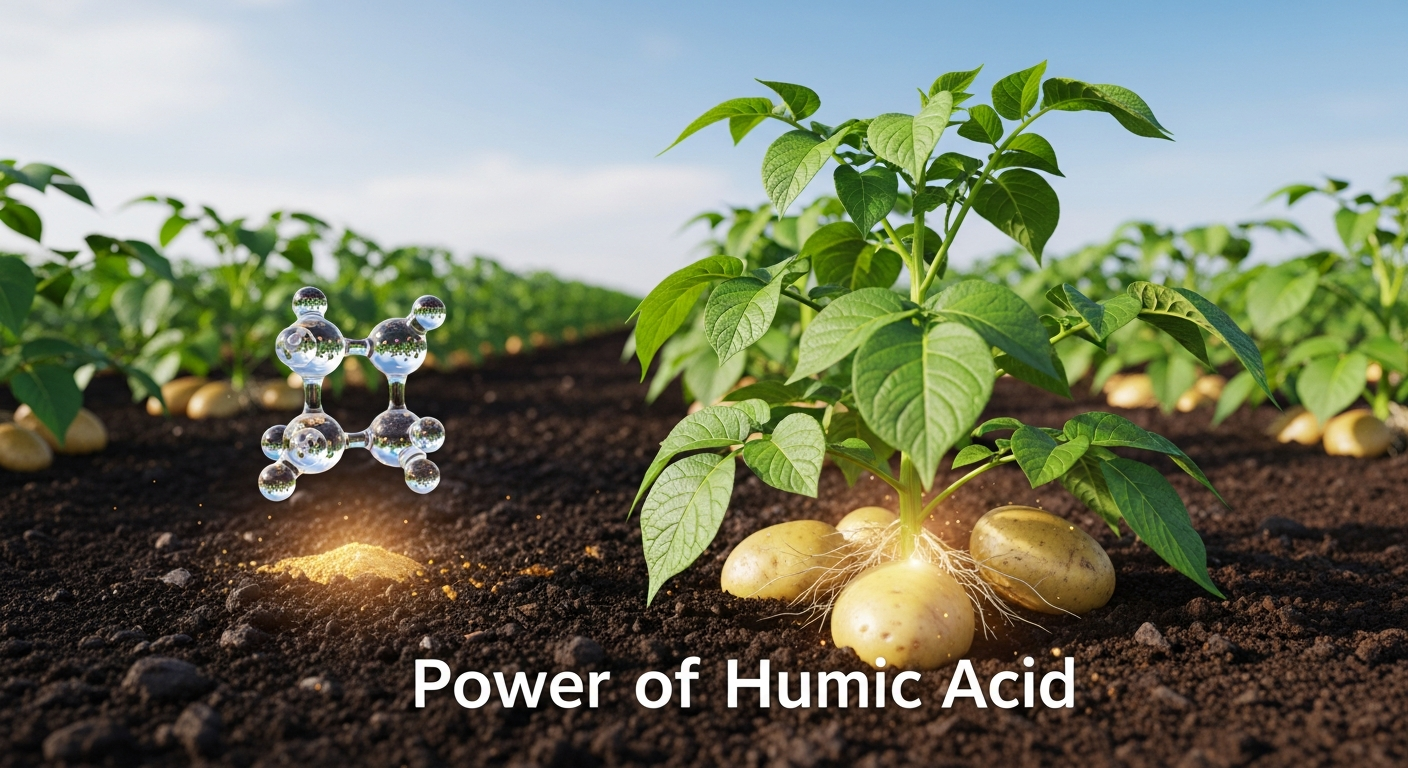
Humic acid is a naturally occurring organic enhancer of agricultural soils. It's produced over many years from breaking down decaying plant material, particularly from the soil, and has been used for thousands of years to increase the yield of crop and improve the health of the agricultural soil. Humic acid contains many essential nutrients and organic compounds that are critical in growing potatoes, including carbon, potassium, trace minerals, and bioactive compounds. These nutrients and organic materials are readily taken up by the potato's roots, enhancing formation of tubers, enhancing uptake of nutrients by the potato plant, and enhancing the overall health of the potato plant, especially to potato farms where there is significant loss of the soil's nutrients. From the very initial sprouting stage, through the full growth and development of the tuber stage, to producing high-quality and uniform potato crops, humic acid has proven to be an outstanding enhancer for improved yields of potatoes.
Understanding Humic Acid and Its Importance in Potato Farming
A potato is one of the highest nutrient demand crops grown worldwide. The main components that enable potatoes to produce good quality and high yields come from the use of healthy soils, strong rooting, and efficient nutrient uptake. This all relates back to Humic Acid for Potatoes. Humic Acid provides improved soil structure, increases nutrient availability, and promotes greater levels of Microbial Activity. At all phases of potato development, Humic Acid can provide the environmental optimum for potato When applied properly, Humic Acid will enhance the productivity of crops while improving the long-term fertility of soils.
What Is Humic Acid?
Humic acid is produced as a byproduct of the breakdown of dead plant and animal remains by microbes for hundreds of years, resulting in an accumulation of these materials beneath the Earth’s surface.
- It contains high levels of Carbon, Organic Acids, and Trace Minerals.
- Its primary use is for conditioning soil - it does not provide direct nutrients to plants.
- Increases the retention and availability of nutrients in the soil.
- Increases the activity of beneficial microorganisms, thus enhancing root zone health.

Why Potatoes Respond Well to Humic Acid
Because potatoes are shallow-rooted and require high quantities of nutrients, they respond positively to using soil conditioners such as Humic Acid in your grow operation. Humic Acid
provides many benefits to potato plants, including:
- Enhanced development of root systems and branching
- Promotes the ability for nutrient uptake of K, P, and Micro Nutrients
- Creates a more uniform tuber formation
- Reduces stress from poor soil structure and moisture imbalance
The reason that potatoes need high quantities of nutrients and rely so heavily on healthy soils for tuber initiation and bulking is due to their reliance upon Humic Acid throughout the entire growth cycle. A major benefit of using Humic Acid for potatoes is the enhancement of surface area of the root systems, which allows increased access to nutrients and water. Improved access to nutrients and moisture results in stronger, healthier potatoes, improved uniformity of tuber size, and improved overall yield quality especially where potatoes are being grown in sandy or otherwise degraded soils.
Role of Humic Acid in Soil Fertility
The use of Humic Acid is a long-term benefit to potato farmers as it improves the fertility of the soil and maintains productive potato farmland.
The use of Humic Acid in soil will produce:
- An increase in organic matter in soil
- Improvements in soil Cation Exchange Capacity (CEC)
- An increase in moisture retention ability of soil
- A decrease in nutrient leaching losses
- More activity of beneficial soil microorganisms
A healthy soil is vital to the success of potato farming, and the use of Humic Acid can help restore and preserve that health. Through the addition of organic matter and improving the structure of the soil, the use of Humic Acid increases nutrient-holding capacity and water retention ability of soil. Additionally, utilizing Humic Acid over time builds soil fertility, while decreasing the amount of chemical inputs required.

How Humic Acid Improves Potato Plant Development
Potatoes are shallow-rooting and nutrient-hungry crops that need proper soil structure, consistent moisture and efficient uptake of nutrients in order to form tubers properly. Humic acid for potatoes plays an important part in strengthening root systems, enhancing soil structure and producing a uniform tuber structure. When applied correctly, humic acid will promote the growth of both the plant above ground and the quality of the tuber formation below ground resulting in an increase in yield and better marketable product.
Enhanced Root Growth and Tuber Initiation
Strong root systems are essential for producing healthy potato plants and producing tubers early in the season.
- Stimulates development of lateral roots and root hairs
- Aid in the production of stolons and tubers in early growth stages
- Assists in achieving a uniform tuber formation.
- Promotes a better anchor for the plant and better absorption of nutrients.
- Prevents excessive stress on the plants during the early stages of growth.
Humic acid improves soil aeration, increases biological activity in the root zone and promotes root growth in potatoes, which is important during the early vegetative stage when potatoes are formed. Strong and healthy roots allow the plant to absorb nutrients effectively and help produce tubers of uniform size while reducing the number of misshapen potatoes. Applying humic acid-based fertilizers to potatoes during the early stages of plant development will create a strong foundation for maximum yield potential later in the growing season.

Improved Nutrient Uptake Efficiency
Potatoes need a nutritionally balanced and appropriate amount of nutrients, and the introduction of humic acid enhances the potato plant’s ability to effectively utilize applied fertilizer.
- Potassium, Phosphorus, and micronutrients are chelated into a chemically stable compound that is available for plant use.
- Humic acid minimizes the loss of fertilizers in sandy/light soils due to leaching.
- Adds to the effectiveness of applying fertilizer and decreases overall input costs.
- Leads to an increase in the efficiency of applying NPK fertilizers to potato crops and ultimately increases the efficiency of using NPK fertilizers.
Additionally, the introduction of humic acid maintains adequate nutritional levels for the entire duration of potato crop growth.
The chelation of nutrients with humic acid is the most important benefit to potato. The binding of humic acid to soil nutrients allows for slow release of said nutrients to plant roots (thereby ensuring nutrient availability) instead of allowing nutrients to be washed away through irrigation or rainfall. A potato plant supplied consistently with adequate nutrition displays better foliage growth, tuber bulking and a more uniform shaped tuber. Farmers that apply humic acid typically observe a higher level of plant health when compared to potato plants fertilized with a similar rate of fertilizer without the inclusion of humic acid.
Better Soil Structure and Moisture Retention
- To grow quality tubers and produce a uniform potato crop, potatoes need a well-eboleated soil structure.
- Humic acid improves the structure of soil by increasing soil aggregation and decreasing compactness.
- Humic acid also adds to the ability of light soils to retain water. (Both of these benefits add/contribute to the ability of light soils to hold moisture.)
- Humic acid is also a means to improve the ability of heavier or clay soils to drain effectively.
Humic acid maintains adequate moisture levels around developing tubers enabling/encouraging tuber development during dry weather and reducing the likelihood of any negative effects on tubers.

Key Benefits of Using Humic Acid for Potato Crops
One crop requiring more nutrients than any other is the potato, and the health of the soil is necessary to produce quality tubers. The use of humic acid is beneficial to the potato grower because the benefits are seen throughout the life cycle of the potato plant— during sprouting through the tuber bulking stages— and it permits the farmer to grow potatoes sustainably and profitably while providing farmers with a way to grow healthier potatoes with increased yield.
Increased Potato Yield
Potatoes are produced in higher amounts with the application of humic acid due to:
1) Increased ability to take up nitrogen, phosphorus, and potassium through humic acid;
2) Strengthened root system during growth allowing enhanced uptake of nutrients;
3) Increased soil aeration and moisture retention;
4) Increased uniformity of plant growth across the entire farm;
5) Increased initiation and bulking of tubers.
By using humic acid correctly, potato growers will be able to utilize nutrients currently in the soil more efficiently. As a result, potato plants will have an improved rate of absorption, thereby promoting strong vegetative growth and tuber formation. Increased numbers of tubers will also lead to the development of higher uniformity of size, resulting in greater yields of marketable potatoes per acre.
Improved Tuber Quality
Humic substances not only significantly increase the quantity produced but also greatly enhance the quality of the physical and nutritional aspects of the tubers of potatoes.
- Increased Uniformity of Size and Shape of Tubers
- Increased Dry Matter Found in the Tubers
- Decreased Incidence of Hollow Heart and Other Internal Defects
- Smoother Skin and Longer Shelf-Life for Tubers
- Increased Nutrient Density of the Tubers
The presence of humic acid in healthy soils allows for greater efficiency and uniformity of potato tuber development when combined with greater availability of nutrients and increased water. The unique quality of humic acid allows for the production of potatoes with better texture, more durable skins, and greater post-harvest storage quality, which aids farmers and producers who supply processing and the fresh potato market, where quality is critically important.
Stress and Disease Resistance
Humic substances are beneficial to potato plant health by enhancing the ability of potato plants to withstand both environmental stresses and pathogen stresses.
- Increased Resistance to Drought and Heat Stress
- Improved Root Resistance to Soil Borne Diseases
- Greater Beneficial Microbial Activity in the Soil
- Reduced Stress on Plants from the Use of Fertilizers or Pesticides
- Enhanced Ability to Recover More Quickly from Adverse Weather Conditions
The improvement in biological activity of the soil and health of the roots associated with humic substances contributes to potato plant health and resilience to adverse growing conditions. The improved root structure and better capacity for water retention associated with the presence of humic substances improve the ability of potato plants to withstand drought stress, while the enhanced microbial activity supports the suppression of pathogenic microorganisms. This results in healthier potato plants that have less exposure to disease pressure and are more capable of recovering from stressful adverse environmental conditions.

Application Methods and Timing for Best Results
As it relates to potatoes (Solanum tuberosum), the timing and method of humic acid applications need to be performed at the appropriate growth stage of the crop for maximum benefits. The ability of humic acid to improve soil structure, increase nutrient uptake and promote tuber growth depends upon when and by what method it is used. Below are several of the most effective methods of applying humic acid to potatoes along with a brief discussion on how to achieve optimal results.
Soil Application
Soil Applications - The most common and effective method of applying humic acid for potatoes is as a soil application.
Benefits of Soil Applications of Humic Acid for Potatoes
1. Helps to create a better soil structure and increase the amount of organic matter in the potato bed.
2. Helps promote healthy root growth and rapid development of potato sprouts in the early stages of growth.
3. Helps increase the amount of nutrients available to the potatoes within their root zone.
4. Helps prevent nutrients from leaching out of sandy or light-textured soils.
5. Helps to produce more uniform tuber size and shape.

When humic acid is applied in a soil application, it conditions the potato bed. Humic acid will improve the soil’s oxygen and water retention capabilities within the potato bed; this is particularly important just before planting or immediately following planting, as humic acid is an important factor to prepare the soil for optimum root and stolon growth. Soil applications allow humic acid to be continuously available to the potatoes for the entire growing season making it an excellent option to create long term soil fertility and improved potato yield and quality.
Foliar Spray
Foliar applications of humic acid provide humic acid directly through the potato leaf allowing for a quicker response from potato plants with the following benefits:
- Stimulates the plant's ability to quickly uptake nutrients
- Enhances the level of chlorophyll in the potato leaf
- Increases a potato plant's tolerance to environmental stresses caused by heat or moisture
- Encourages positive vegetative growth and canopy development
- Should be applied predominantly during periods of active growth
Since foliar applications allow boric acid absorption directly through the potato leaf, the application will likely result in prompt responses in potatoes during periods of rapid growth. This method can be very helpful for potatoes when they experience loss of nutrients or slower growth compared to how they would have developed in healthy soil conditions. Foliar applications DO NOT REPLACE traditional soil applications of boric acid; they are, however, excellent FOR boosting the level of vigor and enhancing the efficiency of photosystem processes.
Fertigation or Drip Irrigation
For fertigation systems modern potato farming systems are one of the most effective ways of applying boric acid to the potato plant;
- Delivers boric acid directly to the root zone of the potato
- Increases the use efficiency of other fertility sources applied to potatoes.
- Decreases the level of nutrient losses from water runoff
- Is ideal for precision farming as well as drip fertigation applications.
- Ensures an even distribution of boric acid is placed on every viable acre of crop.

Humic Acid vs Conventional Fertilizers in Potato Farming
Potatoes are a very demanding plant that requires an even balance of nutrients as well as well-maintained soil to support uniform growth of tuber and provide the greatest possible yield per acre. Unlike traditional fertilisers, which provide an immediate supply of nutrients, Humic Acid works as a natural soil conditioner and improves the utilisation of nutrients, thus enabling Humic to produce greater yields on the same amount of land by increasing efficiencies in the use of fertilisers. The key to unlocking the full potential of potatoes for farmers is to understand how to leverage both Humic Acids and traditional fertilisers effectively to create more profitable ways of taking care of their crops and their farm.
Nutrient Efficiency Comparison
Humic Acid fertiliser offers potato plants a number of advantages over traditional fertilisers
regarding nutrient uptake and utilisation:
- Helps increase how effective potato roots are at taking in nutrients.
- Decreases the amount of nitrogen and potassium that can be leached away from roots.
- Enhances access to phosphorus and other essential micronutrients.
- Decreases the amount of nutrients that are fixed to the soil.
- Makes applied fertilisers much more productive.
Traditional fertilisers are very effective at providing nutrients to potatoes, but a lot of their benefit is wasted because of the potential for leaching or volatilisation of nutrients from them, especially with lighter or sandy soils. On the other hand, Humic Acid binds nutrients directly in the root zone and slowly releases them over an extended period of time, allowing potatoes to absorb nutrients more effectively. Therefore, a greater volume of canopy growth, bulkier tubers, and greater efficiency of fertiliser use can be achieved without having to add more fertilisers.

Long-Term Soil Health Benefits
Unlike chemical fertilizers, Humic Acid demonstrates an increase in soil quality in each growing season.
Humic Acid provides:
- An increase in Organic Matter in Soil
- Improved Soil Structure and Aeration
- Improved Soil Water Holding Capacity
- Increased Beneficial Microbial Activity
- Prevention of Soil Compaction
Continual applications of chemical fertilizers will result in an eventual decline of Soil Structure (Soil Compaction) as well as a reduction of Biological Activity (i.e., Microorganisms). On the other hand, Humic Acid applications will provide a permanent improvement in Soil Structure, Microbial Population, and Organic Carbon Levels in the Soil. The "Improved" condition of the Soils will allow the Potato roots to have better access to Moisture, thereby enabling the Potato plant to form a more uniform set of tubers over the course of several growing seasons.
Cost-Effectiveness for Farmers
Though humic acid may be installed by the grower as an additional input into their growing practices, the savings in the overall costs of farming will be great.
- Humic acid can reduce total fertilizer amounts used by 15-30%
- Humic acid allows the grower to produce a greater yield per acre without adding additional nutrient sources.
- Humic Acid improves the growers' ability to retain moisture that allows them to irrigate less frequently.
- Humic Acid improves the size and quality of potatoes produced and, therefore, improves the ROI that farmers achieve.
Farmers report that, through the use of humic acid fertilizers, they lower their total costs of fertilizers and increase their yields. Farmers are able to minimize the frequency of their fertilizer applications by using humic acid because humic acid enhances the efficiency of the nutrients they apply and maximizes the health of their soils. Also, potatoes produced with better uniformity and larger sizes, and therefore more valuable in the marketplace, result in a more sustainable method of farming potatoes.

Farmer Experiences and Field-Level Results
Farmers in all major growing areas of potato crops are seeing improvements in potato yield, soil health, and uniformity as a result of using humic acid for potato production in their growing programs. Humic acid takes time to create improvements, but over time, it continues to strengthen soil structure and increase nutrient uptake efficiency. The responses from farmers in agronomic studies support that humic acid will help to produce better-quality potatoes and will also build the health and productivity of the soil for a more sustainable long-term potato production system.
Yield Improvements Observed
Farmers are consistently reporting increased potato tuber counts, better tuber size uniformity, and higher marketable yields when they are utilizing humic acid.
- Improvement in the initiation of potato tuber formation and bulking
- Better nutrient uptake during potato growth stages critical for bulking and for the production of larger tuber
- Less stress due to heat or moisture fluctuations
- Increased weight of average potato tubers
- More uniform crop growth in each field.
Many farmers who used humic acid fertilizers during the early vegetative growth stage of the potato crop and tuber formation stages of the potato crop noted that their plants were more vigorous and the roots healthier than when they used standard potato fertilizers. The impact on tuber formation and bulking was most pronounced in fields where the soil contained less than or equal to 3% organic matter. In many cases, the farmers observed increased yields of between 10 and 20%, particularly when they used humic acids in combination with a balanced fertilization program.
Improved Soil Condition Over Seasons
The ability of humic acid to improve long-term soil health is one of its many benefits to soil.
The following improvements to soil via humic acid's addition are
- Soil Organic Carbon Increase
- Soil Aggregation/Aeration Improvement
- Water Holding Capacity improvement
- Improvement of Microbial Activity
- Nutrient Leaching Reduction

Practical Insights from Growers
In learning the best practices from Potato Growers who use humic acid, we discover the best practices for maximizing their benefits.
- Use Humic Acid during early establishment of roots
- Apply in Combination with basal fertilizer (for maximum efficiency)
- Apply Limited Consistent Amounts rather than High Amounts
- Use Increased Application Rates as your soil type & crop stage determines
- Spend multiple seasons using this product in order to experience all possible cumulative benefits.
FAQs:
Q1. What is the best stage to apply humic acid for potato crops?
The best stages to apply humic acid for potatoes are during planting, early vegetative growth, and tuber initiation for maximum root and tuber development.
Q2. Can humic acid be mixed with fertilizers?
Yes, humic acid fertilizer mixes well with most fertilizers and improves nutrient availability and uptake by potato plants.
Q3. Is humic acid safe for organic potato farming?
Yes, humic acid is a natural soil amendment and is widely used in organic potato farming systems.
Q4. Does humic acid improve potato size?
Yes, humic acid improves nutrient absorption and root health, which helps produce larger and more uniform potato tubers.
Q5. How often should humic acid be applied?
Apply humic acid every 20–30 days during active growth stages for best results.
Conclusion: Why Humic Acid Is Essential for Better Potato Harvests
Humus is an essential ingredient in creating healthy soils and strong potatoes from planting to harvest. Soils enhanced by humic acid improve the soil's structure, increase the availability of nutrients for plants, and contribute to improved root growth. As such, potatoes grown in soil enriched with humic acid can absorb the nutrients more efficiently and can grow better developed tubers. In addition, potatoes grown in humic-rich soil tend to show increased vigor, increased resistance to stress, and more uniform growth patterns, all of which lead to greater yields and improved quality harvests.
In addition, the use of humic acid fertilizer helps farmers to utilize their existing fertilizers more efficiently while decreasing nutrient leaching (losses) from their fields. In addition, improved soil moisture retention and improved microbial activity in the root zone will reduce input costs to farmers and help improve their profitability. Regular application of humic acid will improve the overall fertility of the soil year after year, thus creating productive and resilient fields in the future.
Incorporating humic acid into your potato farming program is not only a yield-enhancing tool—it is an investment in the long-term health of the soil and the sustainability of the production system. Stronger roots, greater tuber size, and improved soil conditions contribute to the production of consistently high-quality and profitable potato harvests. For growers looking to improve both productivity and soil quality, the addition of humic acid is essential to modern potato growing.