

The Ultimate Guide to Dragon Fruit Fertilizer for Healthy Yields
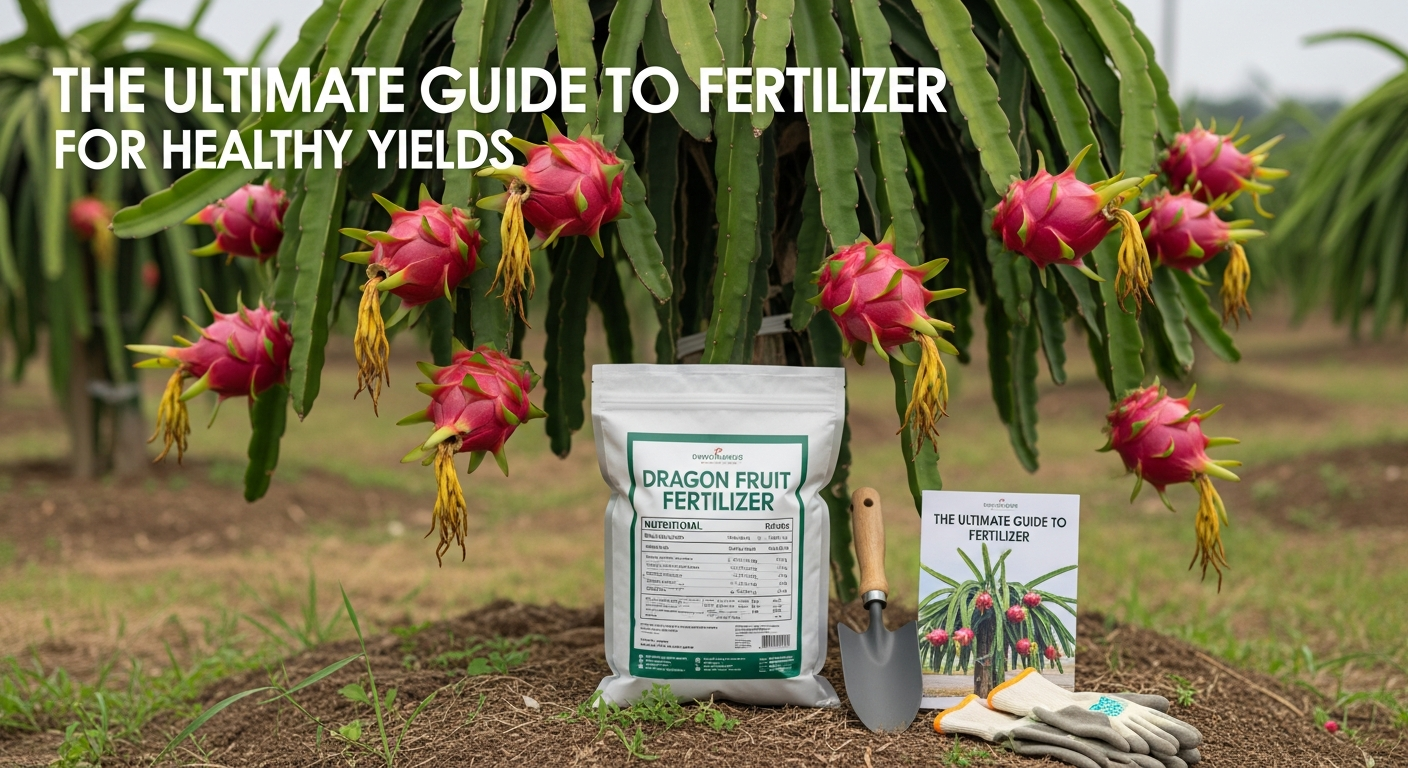
The Ultimate Guide to Dragon Fruit Fertilizer for Healthy Yields
Farmers and growers love to grow dragonfruit in their horticulture enterprises because of the unique appearance of the fruit, the high nutritional value and the market demand for the fruits. To support the growing dragonfruit vines, as well as the growing, flowering cycle, it is very important to have an appropriate fertilization program for the growing plants.
Applying the appropriate fertilization for the growing Dragonfruit plants helps the plants grow strong roots, grow healthy cladodes and enable the plants to produce healthy and productive crops throughout the growth cycle of the plant. Nitrogen, phosphorus, potassium and other vital micronutrients are essential components of the production of fresh Dragonfruit.
These nutrients will allow the Dragonfruit plants to flower and produce healthy fruit and develop healthy fruit, as well as to support the overall health of the plants when applied appropriately. When the fertilization for the growing Dragonfruit plants is applied correctly, the Dragonfruit plants will absorb the fertilization easily, which enables better use of the fertilization and higher yields and quality of the Dragonfruit produced, even under high intensity agricultural production.
Understanding Dragon Fruit Nutrition – Why Fertilizer Matters
To produce healthy and productive dragon fruit crops (Hades, Cactaceae), growers must provide their crop with the right balance of nutrients during every phase of crop growth. Dragon fruit crops are seed germination, seedling establishment, flowering, and fruit development, all requiring a direct relationship between the presence of essential nutrients and the strength and size of the plant.
Properly formulated dragon fruit fertilizers promote healthy vine growth, promote better flowering of the flowers, and sustain a consistent increase in yield production.
Essential Nutrients for Dragon Fruit Plants
The combination of all these macro and micro nutrients makes up the proper mix that dragon fruit plants should have to enable them to produce high-producing, quality fruit.
Important Nutrients and What They Do:
Nitrogen (N) - Helps to produce vegetative growth and grow healthy plant stem
- Phosphorous (P) - Provides strength to roots when flowering to create fruit
- Potassium (K) - Makes the fruits larger, whiter in color, sweeter in taste, and more resistant to diseases
- Calcium - Makes the plant cell stronger so that fruits fracture, less due to weight
- Magnesium - Utilized during chlorophyll production and photosynthesis

Micro Nutrients (Iron, Zinc, Boron) - Assist in the functioning of several enzymes, can induce flowering, and transport other nutrients. Using a complete fertilizer that provides these same macro and micronutrients will produce a well-maintained dragon fruit with quality fruit.
Soil Health and Nutrient Absorption
Healthy soil determines how well dragon fruit plants absorb nutrients from the soil. You can apply only the best fertiliser, however, if the soil is not healthy then you will not see any results from it.
Factors Affecting Nutrient Absorption:
- Well-Drained Soil (avoids root rot) - absorbs all nutrients without keeping them.
- Soil pH (slightly acidic to neutral) - determines how well the nutrients are available in the soil for the dragon fruit plants.
- Organic Matter - Increases microbial activity and holds additional nutrients in the soil (creating a food web in soil).
- Moisture - Enables the nutrients to dissolve and transfer to the roots of dragon fruit plants.
Using dragon fruit fertilizer together with organic additions (compost) will provide a better soil structure and provide dragon fruit plants with maximized nutrient absorption compared to using dragon fruit fertilizer only.
Impact of Proper Fertilization on Yield
A properly fertilized crop will have a greater number of flowers, produce more fruits, maintain them better, and provide the grower with a quality product.
The benefits of proper fertilization include:
- An increase in the number of flowers and fruit set.
- Larger-sized fruit with improved taste and color.
- A more vigorous plant with greater ability to withstand stress and disease.
- A greater yield consistency from one season to the next.
By fertilizing with the correct fertilizer and at the appropriate times, growers of Dragon Fruit are providing for the long-term sustainable production and higher profitability of their agricultural business.

Types of Dragon Fruit Fertilizer – Organic vs. Synthetic Options
Dragon fruit plants grow quickly so they need regular balanced nutrition in order to flourish. In order to produce quality fruit, the type of fertilizer that is applied will depend on the conditions in the soil, the climate where the plant is growing, and the growing methods that are used. Since organic and synthetic fertilizers differ from one another, growers will be able to create an efficient nutrient management plan that is sustainable and that will allow for high yields while maintaining the health of the soil within the growing operation over time.
There are two main types of fertilizers which are used on dragon fruit plants; each type has advantages and disadvantages.
Organic Fertilizer for Dragon Fruit Plants
Organic fertilizers enhance the structure of the soil as they provide slow gradual nutrition to dragon fruit plants.
- Increased Microbial Activity In The Soil
- Increased Moisture Retention And The Health Of The Roots
- Slow Release Of Nutrients Over A Long Time

The most common organic fertilizers are farmyard manure; vermicompost; compost; neem cake;
and biofertilizer. These products promote the health of the plant and contribute to a more environmentally sustainable growing system. Organic fertilizer should be applied during the time when the dragon fruit plant is in its early stage of development and when the soil is being prepared before planting. Benefits of Organic Fertilizer Are: Long Term Improvement Of The Fertility Of The Soil, there is less chance of burning the plant due to applying excessive amounts of nutrients, as well as organic fertilizers being environmentally safe.
Synthetic and Chemical Fertilizers
Fertilizers that are synthetic have fast nutrient availability, therefore synthetic fertilizers have been popularised in dragon fruit production.
- The exact N-P-K ratio/type of nutrients supplied can be measured from synthetic fertilizers.
- As such synthetic fertilizers are used when growers want rapid vegetative growth and flowering, especially at peak fruiting time.
- Common synthetic fertilisers used include urea, DAP (Diammonium Phosphate), potassium chloride (MOP = Muriate of Potash), and Water soluble NPK blends.
- High volume of nutrients is consumed during peak fruiting time, therefore these fertilizers will help address nutrient demand with optimal usage to avoid over-fertilisation.
Some advantages of using synthetic fertilisers are:
- Quick results
- Easy to apply
- High Concentration of Nutrient
Slow-Release and Integrated Approaches
Slow Release Fertilisers (SRF) include slow-release and Integrated Nutrient Management systems which utilises the advantages of both organic-based and synthetic-based fertilisers.
Slow-release fertiliser and Integrated Nutrient Management systems work together in the following ways:
- Allows nutrients to be available to the plant for longer
- Reduces the loss of nutrients through leaching
- Increase the efficiency of fertilisers utilised
Integrated/Natural systems use Natural Manures (i.e. compost) as part of the soil health system, along with applying targeted chemical fertiliser when required during critical growth cycles. That means that there is an additional source of fertiliser, but there is a high level of fertiliser utilisation in a manner that benefits both the plant and soil.
The main reasons that Integrated Fertilisation is more effective per unit of fertiliser than using individual segments of fertilisation are:

The Perfect Fertilization Schedule for Dragon Fruit Plants
Dragon fruit is a quickly growing plant with high nutritional needs, and it grows quickly and heavily at each growth stage. Unlike some other fruit crops, dragon fruit flowers flower several times over a growing season.
Therefore, growers need to establish a fertilization schedule for dragon fruit that supports both healthy dragon fruit vines and provides consistent dragon fruit yields.
Fertilizing the dragon fruit plant at each growth stage with the appropriate fertilizer can result in stronger roots, more robust stems, more flowers, and better quality fruits.
Fertilizer Schedule for Young Dragon Fruit Plants
Young Dragon Fruit Plants spend all their time developing roots and stems. During these early stages, having the right balance of nutrients is critical in order to ensure a good strong start.
There are several key elements that will assist in establishing healthy young plants:
- Fertilise the young plants with nitrogen-rich fertiliser, such as fruit plant fertiliser, to promote the growth of the stems/shoots.
- Fertilise soil with organic compost or farmyard manure to improve soil structure.
- Fertilise the young plants with small quantities every 30–45 days.
- Excess phosphorus should be avoided as it may cause root stress.
Recommended Nutrients for Young Dragon Fruit Plants:
- Nitrogen (N): Assists with rapid vegetative growth;
- Calcium and magnesium improve cell structure and root system firmness.

Fertilization During Flowering and Fruiting
When the Dragon Fruit Plants start flowering and fruiting, the need for nutrients will rise significantly. Proper fertilising during this period has a direct effect on flower retention, fruiting setting, and size of fruit.
Best practices for flowering/fruiting:
- Lower nitrogen levels to prevent unnecessary vegetative growth;
- Increase potassium levels to improve fruit quality and sweetness
Use an increased amount of the following micronutrients: Boron and Zinc for improved flowering.
- Use a liquid Dragon Fruit Fertiliser to help with rapid nutrient absorption.\
- Key Nutrients for Flowering & Fruiting:
- Potassium (K): Increases size and colour of the fruit;
- Phosphorus (P): Effects of flower and energy transfer.
Seasonal Feeding Best Practices
An overview of how nutrients are taken up and metabolized by Dragon Fruit Plants throughout the seasons. Using appropriate amounts of fertilizer for the specific season maximizes nutrient use efficiency and allows for the least amount of stress on the plant.
Fertilization by season:
- Spring - Increase nitrogen levels to support the development of new plant growth.
- Summer - Use a well-balanced fertiliser to support the flowering cycle of the Dragon Fruit Plant.
- Monsoon - Decrease application frequency to prevent nutrient leaching out of the soil
- Winter - Feed the plant only minimally and place more emphasis on building up the soil.

Nutrient Requirements at Each Growth Stage
Different stages of dragon fruit (Hylocereus sps.) growth have varying nutrient requirements. Supplying specific amounts of nutrients during specific growth stages helps with improved structural support, flowering intensity, and fruit quality. Plans that provide dragon fruits with proper nutrient timings allow their plants to uptake nutrients most effectively and result in maximum yield under agricultural production situations.
Vegetative Stage Nutrient Needs
The vegetative phase of the plant concentrates on root and stem (cladode) development and plant structure growth. Nutrient supplies during this stage should allow quick development of the plant, but not too quickly so that tender, inadequate roots, stems and cladodes are formed.
The primary nutrients required for development of dragon fruit plants in the vegetative stage are:
- Nitrogen (N): to support stem/cladode growth
- Phosphorus (P): to strengthen root development
- Calcium & Magnesium: to support plant structure and chlorophyll production
Utilising a balanced fertilizer type designed for dragon fruit plants during the vegetative stage creates a good foundation from which healthy flowers and fruits will appear.

Flowering Stage Fertilizer Requirements
The flowering stage is very important for determining how much fruit a plant produces. If there is an imbalance of nutrients during this stage, either the flowers will not be formed properly or the fruit will not become properly formed, which will affect the overall amount of fruit produced.
During the flowering stage there are several important nutrients:
- Phosphorus (P) supports flower formation, Potassium (K) increases flower strength and flower retention, and Boron and Zinc aid in flower development and pollination.
- Reducing excess nitrogen and increasing the quantity of potassium during the flowering stage can help improve flowering efficiency and pollination success.
Best Practices are as follows:
- Fertilize prior to bud initiation
- Do not use excessive nitrogen
- Have an adequate supply of micronutrients
Fruiting Stage Nutrition
During the fruiting stage, the nutrient needs are changed in a way that focuses on increasing fruit size, sweetness, colour, and shelf life. The nutrition received during the fruiting stage directly impacts the quality of the fruit on the market.
Nutrients that are vital during the fruiting stage are:
- Potassium (K) increases fruit size, sugar concentration, and firmness;
- Calcium prevents cracking and extends shelf life;
- Magnesium is responsible for energy transfer and filling of fruit.
A fruit plants fertilizer that is high in potassium will produce larger fruit with uniform shape and a better quality harvests

Avoiding Common Fertilization Mistakes in Dragon Fruit Farming
Like other plants, Dragon fruit responds to fertilizing quickly, but poor management of fertilizer will lower the yield of your crops, delay the flowering process, and damage the health of your plants. Since Dragon fruit is a heavy feeder and grows rapidly, mistakes made during application or selection of fertilizer can result in long-term problems. By knowing the most frequently made fertilization mistakes, growers can increase their efficiency when using fertilizers on Dragon fruit crops and help to sustain healthy, productive Dragon fruit farms.
Selecting the Correct Fertilizer at the Proper Stage of Growth for Dragon Fruit Plants Choosing the correct fertilizer for your Dragon fruit plants at the right time ensures that your Dragon fruit plants will receive a balanced supply of nutrients
Symptoms of Over-Fertilized Dragon Fruit
Over-fertilization is one of the biggest problems that occurs with Dragon fruit production because of the over application of nitrogen to the crops.
Common signs of over-fertilization:
- Excessive growth of vegetative matter with little to no flowers being produced
- Excessively dark Green, soft, and weak stems.
- Buildup of salts on the surface of the soil.
- Increased susceptibility to diseases caused by fungi
- Delayed or sporadic ripening of fruit.
Over application of fertilizer can result in root burn and reduced nutrient uptake. Apply fertilizers according to the recommended application rates and be sure to allow the plants time between applications.
Nutrient Deficiency Signs
Nutrient deficiencies are defined as those plants that are unable to take up enough nutrients from the soil due to poor growing conditions or not getting enough balanced nutrition from the soil.
Here are common examples of Dragon Fruit plant nutrient deficiency symptoms:
- Nitrogen deficiency is characterized by the slow growth rate of a Dragon fruit plant with pale green-stem color
- Phosphorus deficiency is characterized by poor root development and weak flowering in Dragon Fruits; potassium deficiencies will result in small fruits, and less than optimal sweetness, and discolored edges along the stem
- Calcium deficiency is characterized as the lack of structure resulting in weak plants with soft fruit.
- Magnesium deficiency is characterized by a yellowish tint between each segment of the stem.
To reduce the potential for nutrient deficiencies, Dragon fruit growers should use a balanced fertilizer that will cover all the micronutrients necessary for healthy plants to thrive and produce.

Choosing the Wrong Fertilizer
Nutrient deficiencies are defined as those plants that are unable to take up enough nutrients from the soil due to poor growing conditions or not getting enough balanced nutrition from the soil.
Here are common examples of Dragon Fruit plant nutrient deficiency symptoms:
- Nitrogen deficiency is characterized by the slow growth rate of a Dragon fruit plant with pale green-stem color
- Phosphorus deficiency is characterized by poor root development and weak flowering in Dragon Fruits; potassium deficiencies will result in small fruits, and less than optimal sweetness, and discolored edges along the stem
- Calcium deficiency is characterized as the lack of structure resulting in weak plants with soft fruit.
Magnesium deficiency is characterized by a yellowish tint between each segment of the stem.
To reduce the potential for nutrient deficiencies, Dragon fruit growers should use a balanced fertilizer that will cover all the micronutrients necessary for healthy plants to thrive and produce.
DIY Fertilizer Solutions and Application Tips
When applied properly, dragon fruit vines do exceptionally well with all organic and homemade sources of nutrients. The use of homemade fertilizer solutions are very inexpensive, help create healthy soil, and provide dragon fruit with a consistent source of nutrition without putting any extra strain on the plant.
By following the appropriate application methods and carefully planning out a dragon fruit fertilizer program, flowers and fruits will become much larger, as well as the overall yield from both agricultural and home farms.
Homemade Organic Fertilizer for Dragon Fruit
An organic homemade fertilizer provides nutrients over a longer time period, making it ideal for the climbing and flowering growth habit of the dragon fruit plant. Homemade organic fertilizers can be easily made and reused safely.
Here are some effective DIY organic fertilizer options:
- Compost or vermicompost - improves soil structure and contains nutrients that will be released slowly over time.
- Cow dung slurry - contains high levels of nitrogen and beneficial microorganisms.
- Bone meal - assists with the development of flowering and roots.
- Wood Ash (limited use) - contains potassium to promote better fruit quality.
- Banana Peel Compost - adds potassium and several micronutrients to soil.

Correct Application Techniques
Even the best dragon fruit fertilizer won't be effective if it's not applied correctly. Correct application includes choosing where to apply the fertilizer, the time it is applied, and determining how much to apply. All 3 of these factors together help to prevent nutrient loss and damage root system.
Best Application Practices:
- Always apply fertilizers at the root system/zone and never directly on the stems.
- Lightly irrigate after application to assist with nutrient absorption.
- DO NOT OVERWATER AS THIS CAN CAUSE NUTRIENTS TO BE WASHED OUT.
- When applying organic fertilizers, apply them in split doses instead of one heavy dose.
For climbing cacti like dragon fruit, it is best to apply the fertilizer to the soil surface and lightly mix it into the soil. This way, the nutrients will stay available for longer.
Recommended times to apply fertilizer:
- During the vegetative growth stage is when to apply nitrogen-rich organic fertilizers to the plant.
- During the reproductive growth stage is when to apply fertilizers rich in phosphorus and potassium.
- During the ripening stages, apply a balanced fertilizer for dragon fruit plants that contains a higher amount of potassium.
Tips for Maximum Yield
There are many factors to successfully increase dragon fruit yield; you must be consistent, observe the plant regularly, and provide it balanced nutrition. The nutrition the plant receives is important, but without good management practices, fertilizer application alone will not produce the best results.
Key Tips for Increasing Yield:
- Always use a balanced fruit plant fertilizer throughout the growing season.
- Maintain a pH level in the soil of 5.5–6.5 for optimum nutrient uptake.
- Alternate organic fertiliser applications with micronutrient sprays.
- Prune off excess growth to allow for more energy to be directed to the formation of fruit.
- Annually conduct a soil test to make necessary changes in your fertilizer application based on lab results.

FAQs:
Q1. What is the best dragon fruit fertilizer for high yield?
A balanced fertilizer with adequate nitrogen, phosphorus, potassium, and micronutrients gives the best results.
Q2. How often should fertilizer for dragon fruit plants be applied?
Fertilizer should be applied every 30–45 days, depending on growth stage and soil condition.
Q3. Can fruit plant fertilizer be used for dragon fruit?
Yes, fruit plant fertilizer can be used if it meets the nutrient needs of dragon fruit.
Q4. Is organic fertilizer enough for dragon fruit farming?
Organic fertilizer works well, but combining it with micronutrients improves yield and quality.
Q5. Which nutrient increases sweetness in dragon fruit?
Potassium plays the key role in improving sweetness, size, and overall fruit quality.
Conclusion: Choose the Right Dragon Fruit Fertilizer for Better Harvests
The most important thing to consider when growing dragon fruit is choosing the right type of fertilizer. This choice will make a significant impact on your ability to produce a healthy crop of plants, flowers, and fruit.
Each dragon fruit plant has its own unique nutritional needs, which must be met with a balanced supply of nutrients (Nitrogen, Phosphorus, Potassium, as well as Micronutrients) in order for the plant to grow vigorously, produce well, and be able to withstand environmental stresses. Proper fertilization will also have an impact on how much fruit the grower can expect to harvest. For instance, the amount of fruit produced will be directly related to the amount of fertilizer applied.
In agriculture, using an organic material such as compost or a combination of compost and other organic materials can help maintain soil quality over time while encouraging long-term productive capacity.