
Unlocking the Power of Nature: The Incredible Benefits of Trichoderma for Plants and Agriculture
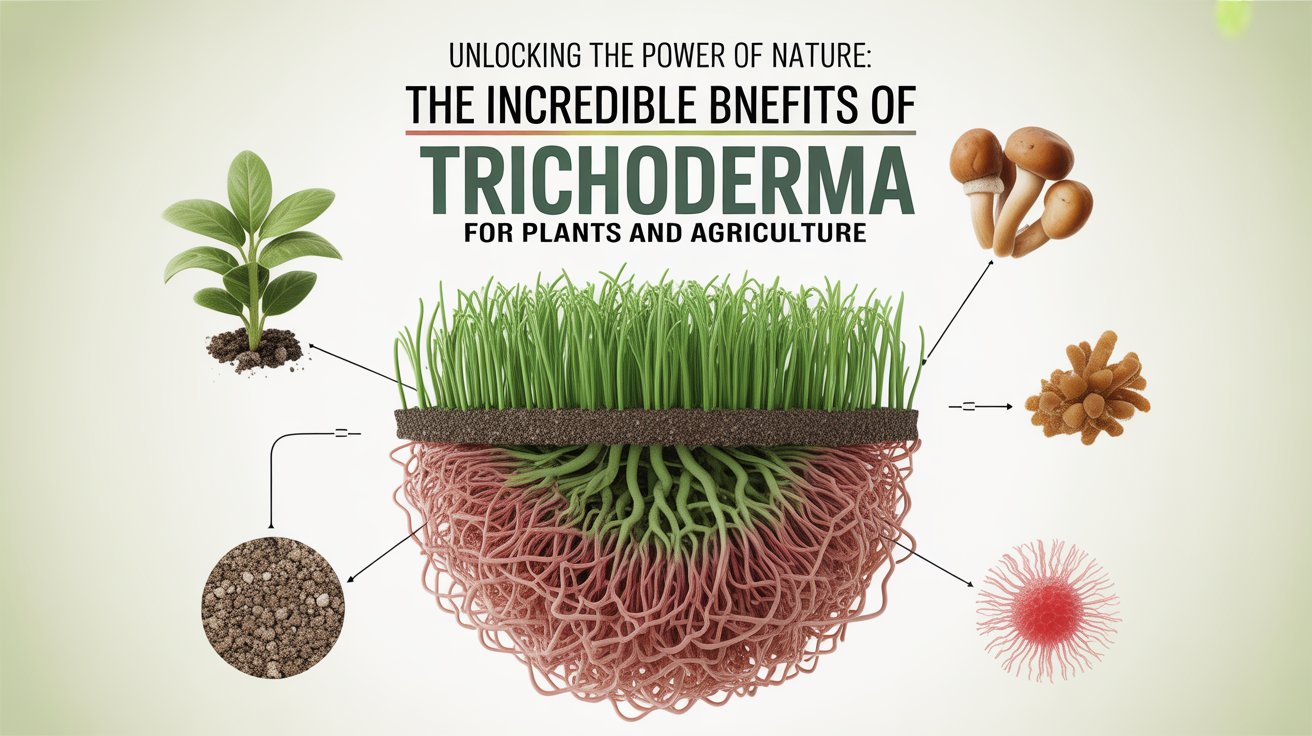
Trichoderma is an extraordinary, naturally occurring fungus affecting modern sustainable farming in a truly positive way. As a bio-fungicide, bio-fertilizer, and plant growth promoter, it provides a natural and environmentally safe alternative to chemical products. Its advantages go beyond disease control; it also improves soil health, promotes plant growth, and increases crop productivity overall.
Trichoderma is also rich in beneficial microbes which colonize the root zone while fitting nicely into the root microbiome to act as a protective barrier against damaging pathogens. It also increases nutrient uptake by plants and root growth while building resistance to environmental stress. Whether in cereals, vegetables, fruits or pulses, the Trichoderma benefits are stronger roots, healthier soil, and better yields, naturally and sustainably.
Farmers who use Trichoderma see observing and improvements in reduction in chemical fertilizer and pesticide.Whether through root protection against fungal attacks, or building the soil and root ecosystem, the Trichoderma benefits is what makes this fungus the most trusted and recognized bio-agent in both organic and modern day agriculture.
Introduction: What is Trichoderma and Why Should You Care?
Trichoderma is a naturally occurring beneficial fungus that grows in soil and plant roots, recognized for its extraordinary plant protection and plant growth promotion. It is a bio-fungicide, bio-fertilizer, and soil amendment, making it one of the most powerful, sustainable agriculture tools available.
The benefits of using Trichoderma are tremendous; it helps to suppress plant pathogens, boosts soil health, and enhances the plant’s resistance to environmental stress. Farmers and gardeners around the world are using Trichoderma instead of chemical pesticides because of the potential for it to easily enhance both yield and soil health without harming the environment. When you use Trichoderma, you are not only protecting your crops, you are enhancing the soil for future sustainability.
Understanding Trichoderma and Its Importance
The significance of Trichoderma is based on its biological activity and symbiotic relationship with plants. This fungus undergoes a colonization process within the root zone (rhizosphere), where it builds a barrier against plant pathogens as it releases enzymes which solubilize organic material and make nutrients available.

Given those strong characteristics, Trichoderma has a crucial role in sustainable agriculture, aiding in the balance of soil microflora and improving the sustainability of soil fertility over the long-term. The benefits of Trichoderma stretch beyond disease management alone, it is foundational for organic and regenerative farming.
Trichoderma Benefits for Plants
1. Encourages Root Growth:
- Encourages root growth and branching.
- Improves nutrient acquisition from the soil.
- Improves drought and stress tolerance.
2. Defense Against Soil-Borne Disease:
- Mitigates disease-causing fungi such as damping-off, wilt, root rot, etc.
- Provides an organic inoculant for seedlings and young plants.
- Decreases dependence on chemical fungicides that are harmful.
3. Promotes Vigorous Growth:
- Synthesizes enzymes and plant hormones for rapid, healthy growth.
- Increases chlorophyll content and photosynthesis.
- Creates better flowering and fruiting.
4. Increases Microbial Activity in Soil:
- Increases the increase of beneficial microbes in soil.
- Aids in decomposing organic matter for nutrients more available in plants.
- Improves plant rooting healthy through aeration and texture of soil.
Role in Modern Farming Practices
Sustainable farming must be compatible with your production, and Trichoderma will help with that balance. The modern farmer is faced with issues in agriculture that include soil degradation, excessive chemical uses, and rising input prices, and Trichoderma can be a reliable natural solution.
How Trichoderma Supports Modern Farming:
- Natural Bio-Fungicide - Provides an effective solution to control soil-borne diseases, such as wilt, root rot, and damping-off, without any synthetic chemicals.
- Improves Soil Fertility - Helps with the breakdown of organic matter and improves healthy soil microorganism activity.
- Encourages Root & Plant Growth - Acts to stimulate root branching and nutrient uptake to develop more robust plants.
- Eco-Friendly Alternative - Non-toxic for humans, animals, and the environment; decreased reliance on synthetic chemical inputs.

Enhance Plant Growth Naturally with Trichoderma
Commonly referred to as the farmer's secret weapon, Trichoderma is a naturally occurring soil fungus that epitomizes protection, nutrition, and sustainability regarding plant management. It is found in the rhizosphere (the area, zone, or region of the plant....roots) and interacts symbiotically with plant roots. Once Trichoderma is added to soil, it inhabits the root surface very quickly and in doing so, it establishes a protective biological shield against saprophytic fungi and plant disease pathogens in a natural or intrinsic way. The physical barrier makes it necessary to use fewer chemical fungicides which contributes to better human health and ecological balance.
While it is certainly deadly against the cause of disease, Trichoderma uniquely promotes substantial root and shoot growth. Trichoderma synthesizes a large number of plant-growth-promoting substances, such as auxins, gibberellins, and cytokinins, that induce rapid cell division and elongation. These growth-promoting substances develop a stronger root system that is able to absorb significantly greater amounts of soil water and nutrients.
Stimulating Root and Shoot Development
- One of the most impressive advantages of Trichoderma for plants is that it improves root and shoots growth.
- Somatic hyphae colonize the root zone (rhizosphere), allowing plants to grow deeper, stronger root systems.
- It produces growth hormones, such as indole acetic acid (IAA), cytokinins, and gibberellins, that induce rapid cell division and stretching.
- Roots increase water and nutrient uptake, allowing plants to tolerate drought or transplant shock more easily.
- At the vegetative growth stage, blue or green shoot production and leaf expansion occur that creates healthier and more vigorous crops.
H-3 Increasing Crop Productivity
- Increases nutrient mobilization of important minerals, such as phosphorus, zinc, and nitrogen.
- Promotes photosynthetic efficiency so that flowering plants can turn more sunlight into food.
- Reduces the impact of yield loss caused by nutrient uptake or a soil borne disease.
- Works in conjunction with organic manure and fertilizers to increase their effectiveness.

Supporting Sustainable Growth
- Supports the sustainability of soil health by building beneficial soil microbial activity and diversity in the rhizosphere.
- Efficiently decomposes organic matter, converting it into crop residues, and producing nutrients that improve soil fertility.
- Reduces reliance on chemical fertilizers and fungicides while decreasing soil and water pollution.
- Enhances the structure of soils and level of aeration, allowing roots to 'breathe' and absorb water more efficiently.
- Facilitates natural nutrient cycling, allowing continual access to minerals such as nitrogen, phosphorus, and potassium.
The Role of Trichoderma in Disease Control and Pest Management
Trichoderma serves as an exceptional contributor to sustainable agriculture, providing several benefits of Trichoderma to support plant protection and natural soil improvement, helping crop performance. As a biological champion, it limits harmful soil-borne diseases, and pathogens, while strengthening plant resistance. The following sections will elaborate on how Trichoderma serves important roles in biological disease suppression, environmentally-friendly pest management, and stimulating plant immunity, our three pillars of natural plant protection.
Biological Disease Suppression
The outstanding ability of Trichoderma to serve as a natural bio-fungicide for plants represents one of the most significant Trichoderma benefits. Trichoderma is a safer and more sustainable alternative to harmful chemical fungicides. It is an effective agent against pathogenic fungi for plants.
Trichoderma will quickly colonize the root zone and establish a firm establishment around the plant roots as soon as it enters the soil. It will create a biological wall of protection for plant roots and will enter a process termed biological antagonism, in which it competes with disease-causing fungi for nutrients and space and thus inhibits their growth and spread.

Eco-Friendly Pest Management
In addition to fungi, Trichoderma can also aid in the management of some soil-borne pests as it improves soil health and environmental health, helping plants to defend themselves. Trichoderma, however, interacts in a more functional way with the environment than any pesticide that is chemical in nature, and it protects beneficial organisms and pollinators.
Key Trichoderma Benefits in Pest Management:
- Inhibits nematodes that infect roots by producing enzymes.
- Increases root health, which reduces the likelihood of pest attacks.
- Decomposes pest eggs and organic materials that harbor pest’s larvae.
- Improves soil biodiversity, which helps to keep pest populations in check by natural processes.
Enhancing Plant Immunity
A crucial benefit of Trichoderma is its ability to trigger Induced Systematic Resistance - a biological process where plants build up internal defenses against future attacks.
How Trichoderma Boosts Plant Immunity:
- Promotes the production of defense enzymes, such as peroxidase and chitinase.
- Enhances root and shoot development by promoting the release of growth hormones (auxins, gibberellins).
- Triggers systemic resistance pathways, allowing plants to recover from stress quickly.
- Increases the uptake of nutrients (N, P, K, and micronutrients), resulting in vigorous growth.

Sustainable Soil Health: How Trichoderma Improves Soil Quality
The foundation of every successful agro-system is healthy soil, which is the living substance that feeds plants from the ground up. However, the constant cycle of farming, combined with chemical fertilizers and pesticides, ultimately disrupts this delicate ecosystem. This is where Trichoderma represents a natural method to improve soil health. Trichoderma is a beneficial fungus that, through its unique life cycle, suppresses destructive pathogens and positively impacts promoting biological processes in the soil.
Trichoderma forms a protective and active environment in the rhizosphere (the root zone), where roots can thrive and effectively take up nutrients. Through its biological activity, Trichoderma breaks down complex organic matter into more available nutrients for plants, improves aeration, and promotes a diverse community of microorganisms, transforming the soil into a biologically active and nutrient-dense ecosystem.
Enhancing Soil Fertility
Fertile soil is rich in life, and Trichoderma acts as a natural soil activator. Here are some key benefits for soil fertility.
- Breaks down organic matter - Transforms deceased plant material into nutrient-rich humus.
- Releases nutrients - Nitrogen (N), Phosphorus (P), and Potassium (K) can now be more accessible to plants.
- Positively modifies soil structure and aeration - Creates improved root zones for healthy plant growth.
- Balances soil microflora - Increases beneficial microbes and suppresses harmful microbes.
Improving Nutrient Absorption
Even if nutrients exist in soil, plants often access them efficiently. Trichoderma solves this by forming a beneficial relationship with plant roots almost like a nutrient transporter. It benefits plants for nutrient absorption like:
- Promotes root development - Increases surface area to absorb oxygen, nutrients, and water.
- Creates organic acids - Effectively dissolves minerals trapped in the soil.
- Increases nitrogen fixation - Works in conjunction with bacteria to make nitrogen available.
- Facilitates uptake of the following micronutrients - Iron, Zinc and Manganese will be more available to plants.

Long-Term Soil Sustainability
- Promotes the decomposition of organic matter, providing stable humus to the soil.
- Strengthens root-soil interactions, enhancing the stability of both the plant and the soil.
- Increases the aeration and porosity of soils, which will help reduce erosion and compaction.
- Increases beneficial microorganisms to provide continuous soil fertility.
- Enhances ability to retain water and reduce operational water needs over time.
- Encourages enzyme activity in the soil, which promotes nutrient availability and recycling.
A Cost-Effective Solution for Farmers and Gardeners
Trichoderma provides one of the most affordable and sustainable options for plant health and soil fertility. Its ongoing protections, low cost, and natural disease resistance is why it is being adopted by farmers and gardeners around the globe. The positive attributes of Trichoderma go far beyond alternatives to costly chemical fungicides. The application of Trichoderma improves soil structure, enhances nutrient uptake, and establishes continuous protection for plants.
Trichoderma spores proliferate rapidly, offering protection for your crops for the entire growing season with only one application. Trichoderma formulations (powder, liquid, or granules) can easily be applied through seed treatment, mixed into soil, or applied through root dipping - making it usable for both small farmers and large growers.
Affordable Plant Protection
Chemical fungicides can be expensive, have a short lifespan, and be harmful to the environment. Trichoderma, on the other hand, is an inexpensive, environmentally safe, and sustainable solution.
It protects your plants long-term by establishing a natural barrier around the roots, and thereby suppresses the effects of some soil-born pathogens like wilt, root rot, and damping-off - all significant issues that lead to considerable crop loss.

Increasing Profitability
Healthy plants produce more in a dependable and consistent manner that can lead to higher profits for growers. When used consistently over time, Trichoderma allows for stronger root systems, improved nutrient assimilation, and better overall plant health. With improvements to productivity and less spent on chemical fungicides, growers can expect greater returns on their investment (ROI).
Trichoderma generates the following profit-enhancing benefits:
- Decreased Input Costs: Reduces reliance on chemical fertilizers or fungicides.
- Improved Yield: Plants that are healthy and disease-free will produce more fruits and grains.
- Improved Crop Quality: Improves visual attributes such as color and size and extends the shelf life of the product.
- Soil Protection: Promotes long-term soil fertility for future crops.
Applicability Across Crops
One of the most notable Trichoderma advantages is its broad adaptability. It is effective on almost all crops including cereals, vegetables, fruits and plantation crops. It can adapt to nearly all soils and climates, making it well-suited for agriculture in India.

The Environmental Impact: Supporting Biodiversity with Trichoderma Use
The advantages of Trichoderma, a naturally occurring soil fungus, extend beyond its ability to stimulate plant growth and control diseases; it is also vital for restoring and maintaining the ecological balance of farmland systems, and thus, it is an essential component of sustainable agriculture. Trichoderma, when applied to the soil ecosystem, becomes an active agent of life just under the surface. It colonizes roots and forms symbiotic interactions with beneficial soil microorganisms, which together form a balanced and self-perpetuating ecosystem.
The network of life helps with the cycling of nutrients, improves soil structure, and establishes microbial diversity that eventually leads to healthier and more resilient crops. In contrast to chemical fungicides that disrupt soil diversity, Trichoderma promotes biodiversity through the stimulation of beneficial bacteria, fungi, and actinomycetes, which ultimately leads to a natural suppression of harmful pathogens.
Promoting Biodiversity in Farms
Healthy soil is a foundation of a thriving ecosystem, and Trichoderma plays a vital role in enriching it.
- Boosts microbial activities in the soil: Stimulates the development of beneficial microbes including Rhizobium, Azotobacter, and mycorrhizal fungi.
- Improves soil structure: Its fungal structure naturally forms soil aggregates that enhance porosity as well as aeration and water retention abilities.
- Enhances decomposition of organic matter: Transforms existing plant residues into nutrient rich humus.
- Creates balance: Reduces the load of harmful pathogens while enhancing healthy microbial populations.
Reducing Chemical Dependency
One of the most significant benefits of Trichoderma is its ability to minimize the need for harmful chemical fertilizers and fungicides. As it matters because:
- Chemical pesticides disrupt soil microflora and lead to contamination of groundwater.
- Overusing these products leads to insect resistance that impedes productivity of the soil.
- Trichoderma is one of the natural biocontrol agents that can control diseases such as wilt, root rot, and damping-off, which reduces the need for long-term reliance on synthetic chemical pest management.

Supporting Sustainable Agriculture
Trichoderma is a centerpiece of sustainable agriculture and regenerative land management.
Major Ways Trichoderma Enhances Sustainability:
- Lowers Carbon Footprint: Uses less synthetic fertilizers and pesticides, resulting in lower energy consumption and emissions.
- Increases Nutritional Use Efficiency: Enhances the nutrients taken up by the plant, resulting in less waste and improved soil health.
- Prevents Erosion and Salinity: Improves soil structure, increases water retention, and protects against degradation.
- Supports Organic Certification: 100% natural, and in accordance with organic farming principles, allowing for sustainable agriculture.

FAQs
Q-1 What is Trichoderma?
Trichoderma is a natural fungus present in the soil, and it protects plant roots from pathogenic microorganisms that can harm and kill plants. It has properties as a bio-fungicide and plant growth enhancer, promoting root growth, amending soil fertility, and increasing crop health.
Q-2 What are the main benefits of Trichoderma for plants?
The primary advantages of Trichoderma for plants are that it regulates the presence of fungal disease naturally, improves root growth and overall root development, improves nutrient uptake, improves soil health, and increases plant yield.
Q-3 Which types of Trichoderma are best for crops?
There are many species of Trichoderma with the most common ones used in agriculture being:
- Trichoderma harzianum - is great at controlling fungi that cause disease in soil.
- Trichoderma viride - promotes vigorous root growth and uptake of nutrients.
- Trichoderma asperellum - is excellent at inducing plant defense responses.
Q-4 Can Trichoderma reduce the use of chemical pesticides?
Yes, Trichoderma can greatly reduce reliance on chemical pesticides on a farm. Trichoderma acts as a natural bio-control agent, meaning that it acts to protect plants from harmful fungi and pathogens using biology.
Q-5 How does Trichoderma improve soil health?
Trichoderma promotes soil health through the decomposition of organic matter and the liberation of necessary nutrients. It boosts microbial diversity and facilitates beneficial soil organisms within a balanced, fertile ecosystem.
Q-6 Is Trichoderma safe to use with fertilizers?
Definitely, Trichoderma is safe and compatible with all organic and bio-fertilizers. It should not be used together with strong chemical fungicides, however. If you use it correctly, Trichoderma enhances fertilizers by increasing the amount of nutrients.
Q-7 Can Trichoderma increase crop yield?
Certainly. The positive effects of Trichoderma include enhancements in yield through improved root establishment, disease suppression, and abilities to withstand stress and predation. Healthier roots provide stronger plants that access more water and nutrients.
H-2 Conclusion: Embrace the Benefits of Trichoderma to Transform Your Growing Practices Today
Trichoderma is more than just another agricultural input- it represents nature's own partner in growth, offering life to the soil and strength to the plants. The advantages of Trichoderma surpass merely protected harvests from pests. The beneficial fungus works within the underground aspects of plant physiology, particularly in root zones, to improve nutrient absorption, develop tolerance to diseases, and improve crop vitality. Farmers who use Trichoderma in their everyday growing practices report improved soil health, earlier root development and more productive harvests.
By encouraging beneficial microbial activity and reducing the reliance on harmful chemical inputs into today's agriculture, Trichoderma supports farmers toward sustainable and eco-farming methods. It helps to naturally increase the immune function of plants and develop long-term viability of soil, two of the cornerstones of productive agriculture.
Using Trichoderma as a seed treatment and soil application or through precipitation systems through drip irrigation, Trichoderma allows plants to thrive naturally, maintain healthy soil organisms. When farmers involve Trichoderma to support better crop protection, they are choosing to support a future of healthy crops with reduced production costs and better quality produce.