

Which NPK Is Best for Vegetables? The Ultimate Guide to Thriving Vegetable Gardens .
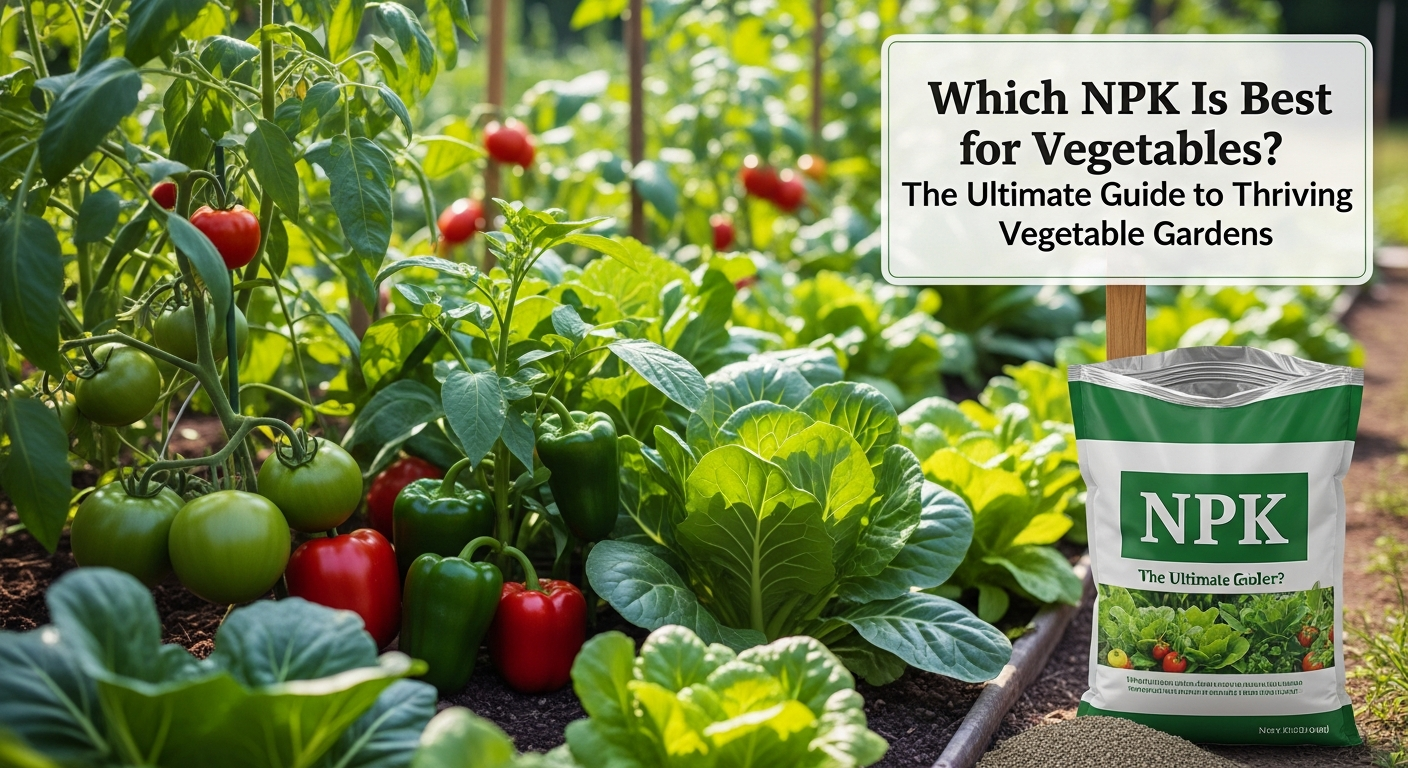
The NPK formula is the basis for the growth of vegetables and has been used in home gardens and large-scale vegetable farms for hundreds of years to provide nutrients that allow for producing healthy, strong, and nutritious vegetables. When used at all stages of growth, NPK provides plants with a complete set of elements that allows for healthy leaf and stem development, continuous flowering, and abundant fruit production. It is highly effective when applied correctly and all three NPK elements assist in the successful establishment, growth, and development of vegetables in a vegetable garden. The choice of NPK ratio will determine how well each vegetable develops, produces, and matures. For example, leafy greens like lettuce and spinach require different ratios than fruiting crops like tomatoes, bell peppers, cucumbers, and root crops like carrots and potatoes. The right NPK ratio will enable each vegetable to develop healthily and produce successfully and enjoyably.
Understanding NPK: What Do the Numbers Mean?
The first step toward a successful crop is understanding NPK (Nitrogen, Phosphorus, and Potassium) and their functions. In the same way that our diet consists of many different foods that provide different types of nutrients to the body, vegetables also need different types of nutrients in balance to grow and be productive. The numbers on the fertilizer bags show the balances between these nutrients that have the greatest effect on leaf growth, root strength, flowering, and fruit development. When farmers and gardeners understand how to interpret these numbers, they can choose the best NPK for the crops growing through each growth stage.
What NPK Nutrients Are and Why They Matter for Vegetables.
When the farmer or gardener selects the appropriate NPK balance for their crop, the crop will grow stronger, resist pests better due to their increased immune system function, and produce a higher yield. Additionally, when using the correct NPK for vegetables, nutrients are used more effectively, and plants only receive those nutrients that they need.
Summary of NPK Nutrients:
- NPK Nutrients
- N-Nitrogen, P-Phosphorus, & K-Potassium (Three Primary Nutrients for all Vegetable Crops)
- Each NPK nutrient contributes differently to Plant Growth and Development.
- Nitrogen (N) contributes to leafy growth and greenness, strengthens roots and flowers.
- Phosphorus (P) contributes to strengthening roots with stronger flowers.
- Potassium (K) contributes to improving the plant's Immune System (Fruit Quality) and Yield.
How Fertilizer Numbers Reflect Nitrogen, Phosphorus, and Potassium Levels.
Representing the quantity (percentage) in which three primary nutrients—nitrogen, phosphorus and potassium—are contained in any type of commercial fertilizer, fertilizer numbers will appear to the right of each of the three different nutrient percentages of the N-P-K order.
For example:
- N-P-K
- 10-10-10 --> 10% N, 10% P, 10% K
- 20-10-10 --> High in N; ideally suited to growing leafy vegetable crops.
Farmers can match the type of fertilizer with their crop requirements by reading the three fertilizer numbers. Leafy vegetables require much more nitrogen than their fruiting counterparts, which need more phosphorus and potassium. If growers are aware of the fertilizer number system, they will make better decisions on how to apply npk nutrients to their crops, eliminating the potential for over-fertilizing or under-fertilizing.

Understanding NPK Ratios and Their Effect on Vegetable Plants
The NPK ratio of vegetables determines the growth of vegetables throughout their life cycle. Balanced NPK ratios support overall growth, whereas targeted NPK ratios can address specific growth needs, such as leafy growth or fruit production.
- A high NPK ratio (more nitrogen) will promote rapid leaf development.
- A balanced NPK ratio will promote consistent and complete plant development.
- High potassium ratios increase the flavour, size and disease resistance of fruits.
The right NPK ratio will result in maximized yield and quality. By knowing what NPK ratios will work for vegetables, a farmer can then modify their fertilizing programme according to what type of crops they are growing, their soil condition and the stage of growth of their crops, therefore yielding healthier plants and better harvests.
Why Your Vegetable Garden Needs the Right NPK Balance
Vegetables need balanced nutrition throughout their growing stage in order to have healthy leaves, strong roots, and produce quality crops. Distributing nutrients based on their composition (N-P-K) is important in growing healthy plants without any stress or nutrient deficiencies, while at the same time avoiding plants with excessive foliage. Different vegetable crops require a different balance of nutrients due to their species or type of crop; therefore, it is important to have an understanding of the best npk mixture for your vegetable crop in order to maximise production quantity and quality, increase flavour quality, and enhance the ability of the plant to resist disease.
A balanced application of npk to the soil and plants provides optimum soil fertility, allowing the plants to absorb nutrients more efficiently due to a balanced supply of nutrients. If the nutrient component of the plant is in an optimum ratio, the speed of growth will increase, as will the pest resistance and quality of the vegetable harvested throughout the growing season.
How NPK Nutrients Drive Vegetative Growth, Rooting, and Fruiting
- NPK (N = Nitrogen, P = Phosphorus, K = Potassium) are the basic building blocks to support the growth and development of all vegetable crops. The N, P, and K elements each serve a unique function within the plant, and each will impact the performance of the plant directly.
- Nitrogen - N: nitrogen promotes leafy growth, with a darker green colour from the plant; spinach, cabbage and lettuce require nitrogen.
- Phosphorus - P: phosphorus provides strength to the root system and supports early establishment of a plant, and supports flowering and fruiting of the plant.
- Potassium - K: potassium increases the quality of fruits, provides protection against disease, and helps vegetables withstand high temperature and drought conditions.
Using the properly balanced npk application, plants will display healthy leaf, deep-rooted growth; and produce a greater quantity of fruits.
Importance of Balanced Nutrition for Healthy, Pest-Resistant Vegetables
Properly balanced NPK (nitrogen, phosphorus, potassium) levels in the soil are crucial to producing strong, resilient and high-yielding vegetables. Nutrient imbalances (too much or too little) of NPK nutrients can cause plants to be weakened and therefore, more susceptible to pests and diseases.
The advantages of having balanced NPK nutrients in the soil includes:
- Increases the durability of stem and plant structure
- Increases the ability of the plant to resist pests and diseases, as well as fungal infections
- Produces uniform-sized vegetables and better taste
- Reduces the requirement for the use of chemical pesticides
Vegetables that have received correct NPK applications will have developed thicker cell walls, which will allow for less damage by pests and longer shelf life after harvest.
Crops Most Sensitive to NPK Imbalance and How to Manage Them
Many vegetables are quite sensitive to NPK levels that are not in the correct balance. These will exhibit symptoms quickly if the plants have an unbalanced nutritional regime.
Management Suggestions:
- Test your soil prior to applying fertilizers.
- Adjust the NPK ratio in accordance with the type of crop you are growing.
- Apply all fertilizers in multiple applications.
- Monitor the plant's health on a regular basis for symptoms of nutritional deficiencies.

The Best NPK Ratios for Popular Vegetables
Different nutrient combinations are needed by vegetables for different stages of growth, and using the appropriate fertilizer will have a noticeable impact on both vegetable yield and vegetable quality. Knowing what type of NPK is best for vegetables will help promote vigorous root growth, healthy leaf production, and improved fruit production. All vegetables require nitrogen (N), phosphorus (P), and potassium (K), but the balance between these NPK nutrients will vary according to whether a vegetable is foliage (leafy), fruit, or root crop. Selecting the right NPK combination for vegetables will allow for more evenly distributed growth, improved flavor, and increased vegetable production.
Ideal NPK for Leafy Greens (Spinach, Cabbage, Lettuce)
Leafy vegetables are grown primarily for their foliage, thus foliage-type crops require high NPK ratios of nitrogen to encourage lush, green foliage. Chlorophyll, the pigment responsible for the dark green color of foliage, is sustained by nitrogen, and chlorophyll enhances the process of photosynthesis.
- Higher nitrogen levels in leafy vegetable production will produce larger, softer leaves.
- A moderate level of phosphorus will provide a strong, stable root system to support any weight associated with the foliage.
- A lower level of potassium is sufficient because fruits are not developed.
Recommended NPK Ratios are:
- 20-10-10
- 15-5-10
These recommended NPK ratios promote a rapid, tender, nutrient-rich growth cycle of leafy greens without developing bitterness.
Best NPK for Fruiting Vegetables (Tomatoes, Peppers, Cucumbers)
Fruiting vegetables require nutrient supplies that support balanced growth. This is particularly true for phosphorus and potassium, which support the processes of flowering, setting fruit, and general strength in the plant. If there is too much nitrogen available, the plant will produce an abundance of leaves, but not enough fruits.
- Phosphorus supports improved flowering and the formation of fruit
- Potassium contributes to greater size, color and disease resistance in fruit.
- Controlling nitrogen using phosphorus and potassium will help prevent excessive leafy growth.
Recommended NPK Ratios for Fruiting Vegetables:
- 5-10-10
- 8-16-24
Utilizing the correct NPK ratio for vegetables in this group will result in greater yield, greater strength to the plant, and better taste of produce.
Recommended NPK for Root Crops (Carrots, Beets, Potatoes)
Many of the nutrients needed for root vegetables are found in the ground, so they require less nitrogen and more phosphorus and potassium. Too much nitrogen leads to the growth of excessive foliage (leafy tops) with poorly developed roots.
- Lower nitrogen helps reduce the likelihood of forked or misshapen roots
- Phosphorus helps to establish a stronger root system.
- Potassium aids in improving the size, firmness, and storage quality of the root.
The Recommended Ratios of N–P–K are:
- 5–10–10
- 10–20–20
This recommendation allows for the greatest opportunity for root development, as well as producing a more uniform crop.

Organic vs. Synthetic Fertilizers: Which Provides the Best NPK for Vegetables?
Healthy vegetable crops rely on a consistent amount of NPK nutrients to aid in producing good quality vegetables with high yields of good flavour; therefore, it is important to choose the type of NPK Fertiliser very carefully as there are two main types available: Organic and Synthetic. The difference between using organic fertiliser and synthetic fertiliser is not only the rate of release of nutrients into the plant, but also their effect on the health and structure of your soil and that they are suited to certain types of vegetables.
Organic NPK Sources and Their Benefits for Soil Health
Organic fertilisers come from natural sources like compost, farmyard manure, vermicompost, etc. Organic fertilisers have a slow release of nutrients into the soil, allowing the soil's structure to develop, and they increase the overall microbial activity in the soil over time.
The advantages of organic NPK sources are:
- Promotes long-term fertility and structure of the soil
- Increases the ability of the soil to hold water and provides better aeration for the roots
- Supports beneficial soil microbes
- Reduces the chances of nutrient burning in vegetables
- Improves the flavour and nutritional value of the vegetables harvested.
Organic NPK sources work particularly well for growing leafy vegetables or any other long duration crop since these types of crops benefit from gradual nutrient release and consistent growth intervals. Although organic fertilizers typically contain lower levels of NPK than synthetic fertilizers, the benefits to the soil created by the use of organic fertilizer far outweigh the lower levels of NPK, making Organic Fertiliser an ideal product for Sustainable Vegetable Farming.
Synthetic Fertilizers—Fast Results and Precise NPK Ratios
Artificial fertilisers have the ability to supply plants with a consistent concentration and ratio of nitrogen, phosphorus and potassium as found in many artificial fertilisers such as 10-10-10, 19-19-19 and 5-10-10. They dissolve rapidly into the soil and provide immediate access to these nutrients for the plant(s) and therefore provide an excellent source of nutrition to the plants at the time of maximum demand.
Advantages to using synthetic N-P-K fertilisers include:
- Rapid nutrient availability to all leafy green vegetables,
- Precision: the ability to control the nutrient ratio exactly,
- The ability to quickly correct any nutrient deficiencies,
- High yield return in crops that require a short growing season,
- Ease of application and measurement.
Synthetic/N-P-K fertilisers tend to work best for fruit vegetables like tomatoes, peppers, cucumbers, and beans. These crops require the uptake of nutrients quickly during the flowering and fruit set stage(s) to maximise production and survival rates.
Which NPK Option Is Better for Different Vegetable Crops?
The best N-P-K ratio for vegetable crops will depend on the type of vegetable, growth stage and the condition of the soil. Many farmers achieve beneficial results when they use both an organic and synthetic fertilisation programme.

How to Test Your Soil and Adjust Your NPK Accordingly
Soil Types Differ for Different Vegetables – There Are Different Types of Soils with Different Nutrient Needs Based on the Vegetable Type Each vegetable plant requires different amounts of nutrients, but the soil conditions will vary from garden to garden; therefore testing your soil will tell you if there are any nutrients already present in the soil, and which nutrients your vegetable requires. This information provides you with the necessary information to determine which NPK formulation will work best for the vegetables in your garden, and to avoid over or under fertilizing your plants with fertilizers.The initial assessment of soil is the most critical step for healthy plant growth and nutrient balance, in addition to possibly increasing your harvests of vegetables. If the nutrient levels are established at the time of planting, growers and gardeners can match the appropriate nutrients at the appropriate times. For example, healthy plant roots develop better when they are supplied with adequate amounts of potassium and phosphorus; this results in healthier flowers, more robust plants, and increased harvests, as well as contributes to preserving the health of your soil over time.
Using a Soil Test Kit to Measure NPK Levels at Home
Testing your soil at home using a soil test kit allows you to measure the amount of Nitrogen (N), Phosphorus (P) and Potassium (K) present in your growing medium conveniently and hassle free.Home soil test kits allow for quick assessment of NPK for growing crops and vegetables.
Follow these steps to test the soil using a home soil test kit:
- Collect a sample of soil that is 3-5 inches deep in your garden
- Remove stones, roots, debris from the soil sample
- Combine the soil sample with the soil test kit solution according to instructions provided with the kit
- Compare the results (color changes) from the soil test kit to determine the NPK composition of your soil.
Home soil testing can help you:
- Prevent unnecessary applications of fertilizers.
- Select the proper NPK ratio to provide the optimum nutritional needs of the plants you are growing
- Reduce your costs for fertilizers while increasing your efficiency of fertilizer applications.
- Provide the proper balance of nutrients allowing for healthier, more productive and uniformed grows for your vegetables.
- Testing your soil on a regular basis ensures that your crops will be provided with balanced nutrition during their growth cycle.
Interpreting Soil Test Results for Vegetable Gardens
The first step in selecting an appropriate fertilizer based on a soil test is interpreting the results. Soil tests will give you a nutritional profile of your garden soil by showing the number of nutrients present at very low, low, moderate, and very high levels. This will help you decide on the right NPK values to use on vegetables planted in your vegetable garden.

How to Adjust NPK for Vegetables Based on Soil Deficiency or Excess
After determining deficiencies or excesses of nutrients within the soil using analysis, use the information gathered to make necessary modifications through an effective fertilizer strategy. Using the correct npk ratio specific to each vegetable allows the crop to receive just what it needs; nothing more and nothing less.
- Soil Conditions & Corresponding Recommendations to Adjust Nutrient Deficiencies
- Low Nitrogen: For leafy vegetables, apply a fertilizer with a higher nitrogen content.
- Low Phosphorous: For root or flowering crops, use fertilizer with a higher phosphorous content.
- Low Potassium: To increase potassium levels of fruiting vegetables such as tomatoes or peppers, use fertilizer with a higher potassium content.
- Excessive Nutrient Levels: To decrease excessive nutrient levels, reduce the amount of fertilizer applied and increase the amount of organic matter added to the soil.
Recommended Methodology:
- Use small, split applications of fertilizer over time.
- Water adequately follows each application of fertilizer to aid nutrient absorption.
- Test soils every four to six weeks to determine whether improvements to soil quality have occurred.
Troubleshooting Common Problems: Signs of Imbalanced NPK in Vegetables
Nutrient imbalance affects all plant life. Vegetable crops exhibit symptoms before shows, "visible plant symptoms" are the first signal to a nutrient problem, and when the ratio of npk nutrients becomes out of balance - whether due to too high a concentration or too low a concentration, this disruption directly affects how well vegetables grow, produce yield and also what type of quality is produced. When farmers and gardeners can recognize the various symptoms of nutrient imbalance on vegetables they can choose what type of NPK; this ensures a more successful harvest - a product that has better quality and taste
Symptoms of Nitrogen Deficiency and Excess in Crops
In vegetable crops, nitrogen promotes leafy growth; however, an imbalance of nitrogen causes visible damage to the crop.
- Nitrogen deficiency symptoms
- Older leaf yellowing
- Slow plant growth, weak stems
- Small leaf size, reduced yield
- Overall plants are pale green in color
Nitrogen excess symptoms
- Excessive leaf growth, little to no flower or fruit production
- Weak, soft stems that are susceptible to insects and diseases
- Delayed maturation of fruit
- Poor taste/poor storage quality
Farmers often create an imbalance of nitrogen in vegetable crops by utilizing an incorrect fertilizer ratio and failing to perform soil tests. Choosing the right N-P-K ratio will allow farmers to maintain a healthy vegetative growth of their crops while creating optimal fruit production.
Phosphorus Shortage Signs in Vegetable Plants
Phosphorus is an essential nutrient for root development, flower development and transferring energy within the plant structure.
Common Symptoms of Phosphorus Deficiency Include:
- Poor root growth
- Deep green or purple colored leaves
- Fewer flowers and fruit
- Weak or stunted growth
Phosphorus deficiency can be especially problematic for vegetable crops (tomato, pepper, root crops), as they are highly susceptible to this deficiency. If you notice that the crop did not produce many flowers or fruits, it may indicate phosphorus deficiency and therefore the need to evaluate the appropriate NPK product (fertilizer) for your crops at this growth stage.
Potassium Deficiency Effects on Yield, Taste, and Plant Strength
Potassium is an important nutrient for strength, disease resistance, quality of fruit, etc.
Symptoms of Potassium Deficiency:
- Yellow and/or brown edges on leaves (scorched)
- Weak and/or lodging stems
- Poorly shaped and/or small-sized fruit
- Reduced sweetness, flavor, and shelf-life
Crops that are grown with low potassium levels tend to be more susceptible to stress, insects, and poor quality harvests. Utilizing a balanced supply of potassium through an NPK fertilizer, will increase your yield weight, improve your crop's taste, and improve the overall durability of your vegetable crops.

FAQs:
Q1. Which NPK is best for vegetables overall?
A balanced NPK like 10-10-10 or 15-15-15 works well for most vegetables when soil nutrients are unknown.
Q2. What is the best NPK for leafy vegetables?
Leafy vegetables grow best with higher nitrogen, such as NPK 20-10-10, to promote healthy leaf growth.
Q3. What are the best NPK nutrients for fruiting vegetables like tomatoes?
Fruiting vegetables need more phosphorus and potassium, with ratios like 5-10-10 or 8-16-24 for better flowering and fruiting.
Q4. How often should I apply NPK for vegetables?
NPK should be applied every 3–4 weeks during active vegetable growth, based on soil condition.
Q5. Can using the wrong NPK harm vegetables?
Yes, incorrect NPK can cause poor growth, leaf burn, low yield, and reduced vegetable quality.
Conclusion: Choosing the Best NPK for Lush and Productive Vegetable Gardens Starts Here!
The healthy production of a vegetable garden starts by finding the proper nutritional balance for the plants. Knowing what NPK (Nitrogen, Phosphorus, Potassium) to use for the vegetables you are growing will help you obtain the proper mix of Nitrogen which promotes leaf growth; Phosphorus promotes development of strong roots and flowering; potassium helps improve quality of fruits and promote overall strength of the plant. Additionally, using the proper npk for your plants at the time of growth will help you achieve uniform growth, help your crops withstand stress, and provide you with the quality of harvests that you desire.
Additionally, Soil Health and Plant Symptoms will allow growers to pre-plan the addition of the required Npk nutrients to the plants before the plants begin to show signs that there is an issue that will affect the farmer's potential to produce a quality yield. Regular soil tests, timing the application of fertilizers appropriately and obtaining NPK ratios specific to each crop type will ensure that growers maintain balance; thus allowing maximum production levels of their crops while minimizing wasted nutrients. Regardless if you are growing leaf crops, roots or fruits, providing the plants with the proper nutrients will be easy to see in your plants' growth patterns and the overall production levels.
By correctly implementing an NPK strategy on your vegetable gardens; you are improving the amount of product which you will be able to harvest this year; and you are establishing a means for maintaining the long-term fertility of the soil, providing for sustainable farming practices. Get started with a well-balanced nutrient plan today so that your vegetable gardens can continue to reward you season after season with healthy plants, tasty products, and adequate numbers to harvest every season!