
Trichoderma in Soil: The Natural Solution for Healthier Crops and Higher Yields
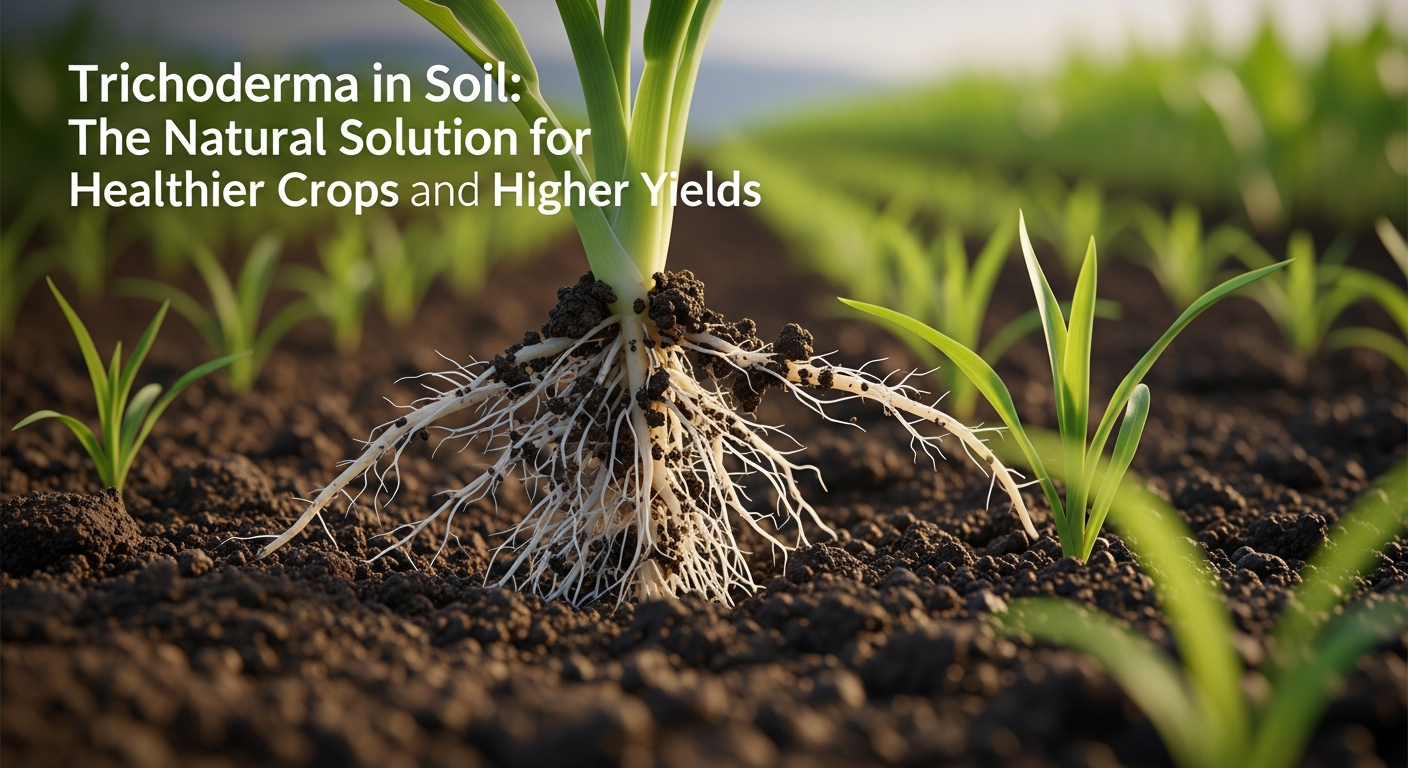
Trichoderma is a naturally-occurring beneficial soil fungus, Trichoderma has existed for generations in healthy agricultural soils and has continued to support crop growth and soil balance. Trichoderma in soil is abundant with beneficial microbes and natural enzymes that provide complementary biological benefits to crop plants. Trichoderma aids in building healthy root systems, increasing nutrient availability to crops and protecting crops against injurious soil-borne pathogens Because of its many biological benefits, Trichoderma can be utilized easily and efficiently, making it a safe product for long-term use in traditional and modern agricultural systems. Trichoderma promotes improved microbial activity and soil structure leading to increased production for crops throughout the growing cycle without creating harm to the environment. Trichoderma provides long term benefits to field crops, vegetables, fruits and plants in the horticultural industry, and when applied to the soil, Trichoderma promotes improved root health, increased yield levels and more robust and resilient crops season after season.
Understanding Trichoderma in Soil and Its Role in Agriculture
Soil is much more than just dirt; it is a thriving ecosystem and one way to sustain this ecosystem, Trichoderma, is the key player that keeps your soil, crops, and farm productive and healthy. Naturally, Trichoderma is found in the soil of healthy and fertile areas. Historically, Trichoderma has been improving crops for many generations, long before any modern or commercial agricultural practices were in place. By enhancing soil biology and safeguarding the roots of plants, Trichoderma supports sustainable farming practices while also producing healthy and abundant crops.
What Is Trichoderma and How It Lives in Soil
Trichoderma is a beneficial fungus that naturally occurs in the soil, particularly in and around the roots of plants (rhizosphere). It survives by feeding on organic matter and interacting closely with the roots of plants to obtain nutrients.
Trichoderma's natural habitat is within the soil system:
- Where it is introduced to the soil system, it rapidly becomes established in the region of the plant's roots;
- Where there is organic matter present, it will feed off of that organic matter and/or the plant's roots and any organic matter secreted from the roots;
- Where there is a moist (ideally with moisture that is suitable), well-aerated environment, trichoderma produces more of itself via asexual reproduction (multiplication);
- Forms protective barriers around and between the roots of the plants.

Because Trichoderma has an inherent ability to adapt to many different soil properties, it is able to remain active in the soil during all phases of plant development during its life cycle.
Trichoderma as a Beneficial Soil Microorganism
Trichoderma is one of the most effective beneficial microorganisms for agriculture because of the many benefits it offers to the plants in your crops and to the soil. Unlike the harmful fungi, Trichoderma supports plant health by helping improve the quality of the soil.
Trichoderma's Key Benefits are as a Soil Microorganism:
- Suppress Soil-Borne Pathogens
- Help Improve Root Growth and Branching
- Increase Fertilizer Use Efficiency for Nutrient Use (Especially Phosphorus).
- Stimulate the Plants' Ability to Create Natural Defenses Against Diseases
Therefore, the presence of Trichoderma in the soil is a natural alternative to Chemical Fungicides or Soil Conditioners when Growing your Crops.
Why Trichoderma Soil Health Matters for Crops
Healthy Soil = Healthy Crops! The most significant contributing factor to soil fertility is the activity of Trichoderma in the soil. When the Soil Biology is Balanced, crops will absorb nutrients more efficiently and have a greater ability to withstand Stress (Environmental &/or Cultural).
The Importance of Trichoderma Soil Health:
- More Robust Roots = More Effective Water and Nutrient Uptake
- Less Root Disease = Higher Crop Survival Rate
- Improved Soil Structure Helps Sustain Soil Fertility for the Long-Term
- Ability to Decrease Dependence on Chemical Inputs

The Science Behind Trichoderma in Soil Ecosystems
Soil is a live active system; Trichoderma fungi have been identified as one type of microbe that interacts positively with many types of pathogens and microorganisms found in soils near plants. Trichoderma supports the health of soils, enhances plant resistance, provides a natural defense mechanism for farms to remain sustainable while producing food through the enhancement of yields, and helps farmers continue via improved soils over extended periods due to enhanced yields.
Root Colonization and Microbial Interactions
The primary role of Trichoderma as fungi in soil is to colonize plant roots. Trichoderma grows rapidly and efficiently upon initial application, adhering to the root surface of the plant where it eventually produces a protective layer to support continued healthy root development.
Trichoderma's role is as follows:
- Rapidly colonizes the rhizosphere (roots)
- Competes with pathogens and fungi for soil resources
- Provides beneficial interaction between the plant roots and Trichoderma
- Supports increased root branching and root hair formation

The close association between Trichoderma and healthy root systems promotes improved nutrient uptake from the soil, which in turn supports improved strength of developing plants from day
Mechanism of Action in Disease Suppression
Trichoderma is an example of a type of fungus that exists naturally in the environment and grows on the surface of soil. It has many traits that make it a good protector of plants, especially by reducing the negative effects caused by soil-borne diseases. Trichoderma can use a number of methods to protect crops and keep them healthy without damaging other useful microbes or organisms in the soil.
Major methods of disease suppression:
- Mycoparasitism; it will directly attack and kill harmful fungi.
- Antibiosis; it will produce and release compounds that inhibit the growth of pathogens.
- Competition; it can grow much faster than disease causing microbes and hence, will out compete them for space and nutrients.
- Induced Resistance; when Trichoderma comes in contact with plant tissue it can stimulate the plant to produce its own defense response.
These four methods combined offer a unique biological alternative to chemical fungicides.
Improving Soil Biology and Structure Naturally
In addition to controlling plant diseases, Trichoderma has an equally important role in improving the overall quality of soil. Trichoderma promotes the growth of beneficial microbes and improves the structure of soil by increasing the number of healthy microbes and improving the structure of soils, resulting in healthier crops and improved yields.
Examples of how Trichoderma improves soil quality:
- Higher levels of microbial diversity
- More rapid decomposition of organic materials
- Better nutrient cycling of phosphorus (the most common nutrient recycling problem)
- Greater levels of soil agglomeration and aeration

Key Benefits of Using Trichoderma in Soil for Crops
Trichoderma is a beneficial fungus that supports soil health, allowing crops to take root better. Trichoderma is found all around the root area of the crops. The presence of Trichoderma in soil not only enhances the overall quality of the crops but also protects plants from pests and diseases. By taking advantage of the natural relationship between Trichoderma and the soil ecosystem, Trichoderma soil solutions promote environmentally friendly farming practices and yield improvements across many types of crops.
Disease Suppression and Root Protection
One of the most significant advantages of applying Trichoderma to soil is that it provides protection to plant roots from various soil-borne pathogens. Trichoderma surrounds plant roots with a protective shield that prevents disease-causing fungi from attacking newly germinated and established plants.
How Trichoderma protects plant roots:
• It suppresses disease-causing pathogens such as Fusarium, Pythium, and Rhizoctonia
• It competes with disease-causing fungi for moisture, nutrients, and space
• It produces enzymes that break down disease-causing pathogens and their remains
• It builds up plant defense systems early on in the life cycles of the plants
This natural form of disease control reduces crop losses and decreases reliance on chemical fungicides.

Enhanced Nutrient Uptake and Root Growth
Trichoderma has been shown to increase the bioavailability of important plant nutrients, such as phosphorus, nitrogen, and micronutrients, which increases nutrient absorption by plants through the stimulation of root growth and microbial activity in the root zone (or rhizosphere) of the plant. This stronger root system also enables improved water and nutrient uptake by the plant, particularly under stressful or hardscrabble conditions.
Specific benefits include the following:
- Improved uptake of phosphorus, nitrogen, and micronutrients.
- Induction of lateral root formation and root hair development.
- Increased diversity and activity of soil microorganisms.
- Improved water uptake during periods of drought.
Increased Plant Growth and Yield Potential
By combining pathogen protection with improved nutrient uptake, trichoderma soil treatments represent a synergistic contribution to healthier plant growth and increased yield potential. With improved growth uniformity, maturation and harvest quality, plants with trichoderma enhance grower's profitability.
Benefits to crop performance include the following:
- Faster germination and growth development during early growth stages (early vigor).
- More abundant flowering and fruit setting.
- More consistent yields across all areas within the field (fewer variations in yield).
- Improved quality of the harvest (higher market value).

How to Apply Trichoderma on Soil for Best Results
The application of Trichoderma to your soil in the most effective manner is critical for receiving maximum benefit from the product, as well as improving your land’s overall health and crop productivity. By applying trichoderma correctly, farmers will be able to establish a beneficial population of microbes within the soil, which can offer protective benefits to plant roots, assist with nutrient absorption, and aid in increasing the health and overall growth of crops. Similar to the requirement for proper nutritional application for crops, Trichoderma must also be applied at the appropriate time, in the correct manner, and under proper soil conditions to see optimal results.
Soil Application Through Compost or FYM
One of the best and easiest ways to apply trichoderma is via the application of compost or farmyard manure; organic materials provide moisture and food for the rapid growth and even distribution of trichoderma in the soils.
1. How Does This Method Work?
- When trichoderma is mixed with either compost or FYM, it colonizes the soil slowly over time, forming a protective barrier around the plant roots while increasing the overall balance of microbial activity within the soil.
2. Best Practices When Using This Method
- Mix trichoderma fully with compost or FYM before applying
- Distribute trichoderma evenly over the field (or planting area)
- Incorporate lightly into the top layer of the soil prior to irrigating
3. What Are the Benefits of Using This Method?
- Increases soil activity of trichoderma
- Increases the decomposition of organic materials within the soil
- Increases the long-term fertility of the soil

Seed Treatment and Root Dipping Methods
Seed treatments and root dips give vegetables, nursery plants, and transplants early protection by putting Trichoderma into the soil near roots.
1. For seed treatment:
- Preparation of seed coating with Trichoderma solution.
- Seed coated with Trichoderma slurry and shade-dried before sowing.
2. For root dip:
- Prepare a Trichoderma solution with clean water.
- Taking transplant seedling for 15-30 mins into trichoderma solution prior to planting.
Benefits:
- Protection of young roots from being diseased from soil-borne pathogens.
- Encourages development of large healthy roots for new transplants.
- Allows trichoderma to colonize in soil around young plants sooner.
Dosage, Timing, and Moisture Requirements
How Much, When, and Amount of Moisture the Soil Requires is Important for Trichoderma Success. Trichoderma is an Organism – It Needs to Be Treated as One; Poor Application Conditions Will Weaken its Effectiveness.
1. When to Apply:
- The best time to apply is during the early morning or late evening when air temperature is low.
- Avoid applying Trichoderma during periods of extremely hot and/or dry weather.
- Do not apply Trichoderma in conjunction with chemical fungicides.
2. How to Provide Adequate Soil Moisture:
- The soil must be moist, not too wet.
- Post-Application Irrigation:
- A light rainfall/moisture after Application is Beneficial for retaining and distributing Trichoderma throughout the Soil.
Remember to Keep Soil Moist, as this Factors with Trichoderma to ensure Multiplication and Form a Stable/Beneficial Population of trichoderma around roots of Young Plants!

Trichoderma Soil vs Chemical Treatments: A Sustainable Choice
As society continues to recognize the value of sustainable and natural farming practices, Trichoderma is becoming a viable alternative to chemical fungicides. Chemical treatments provide immediate control of plant diseases; however, they are often detrimental to beneficial microorganisms and the soil's long-term fertility. Trichoderma supports natural biological systems in pest control, soil building, and long-term crop production.
Environmental Benefits of Trichoderma in Soil
Using Trichoderma as part of your agricultural system creates a healthy environment by maintaining the balance of microorganisms in the soil and reducing the amount of pollution released into the environment. Chemical pesticides do leave behind residues that contaminate the soil and water, but Trichoderma will naturally break down and be less harmful to the environment.
The environmental benefits of Trichoderma in Soil include:
- Protecting the beneficial microorganisms found in soil
- Preventing soil and groundwater from becoming contaminated
- Minimizing chemical residues found in crops
- Naturally Increasing the soil structure and aeration
Trichoderma helps keep farms productive and prevents environmental harm by supporting living soil.
Reduced Chemical Dependency in Farming’
The most significant benefit of using trichoderma on your soil is the decrease in your reliance on chemical pesticides and fungicides. By naturally suppressing unwanted pathogens, trichoderma allows for a reduction in the number of times chemical sprays must be applied each season and the amount of those chemicals that must be applied.
How does trichoderma reduce the use of chemicals in agriculture?
- It competes with harmful fungi
- It produces enzymes that help degrade the harmful pathogen
- It helps develop your plant's natural defenses to fight off disease
- It provides long-term protection for your crops in the root zone

Long-Term Soil Fertility and Crop Safety
Healthy soil is essential for a productive farm, and Trichoderma is one of the most important tools you have available for building and keeping fertility in your soil. The continued use of chemicals can make your soil hard and reduce the ability to provide nutrients. Trichoderma helps to provide better nutrient cycling and healthier root systems.
The following benefits are achieved through the use of Trichoderma in soil.
- It helps to improve the ability of the roots to absorb nutrients
- It helps to enhance the breakdown of organic matter
- It supports stronger root systems and healthier crops
- It allows consumers to have safe, chemical-free foods to eat
By developing and maintaining good fertile soil year after year, trichoderma helps to create a stable yield and safe crops for both conventional and organic farming methods.
Troubleshooting and Best Practices for Trichoderma in Soil
The use of Trichoderma in the soil is one of nature's best ways to enhance Crop Health & Soil fertility; however, the use of Trichoderma is highly reliant upon correct conditions and practices.
Crops require correct environments to grow, similarly Trichoderma requires suitable soil and careful handling. Learning proper soil conditions, handling methods, and common mistakes, ensures that applications of Trichoderma in soils produce consistent disease control, increase root strength, and yield healthier crops.
Ideal Soil Conditions for Trichoderma Growth
Soil conditions are critical to Trichoderma efficiently establishing and reproducing in soil as Trichoderma colonizes plant roots in a short time frame, and once established, it supports plants through their entire growing season.
Essential soil conditions to be met for successful establishment and colonization of Trichoderma in soils:
- Soil Water Content: Moist (slightly damp) but well-drained soil will support fungal growth
- Soil PH Value: Trichoderma functions its best between PH values of 5.5 and 7.5
- Soil Organic Matter: Soil with compost or organic residues contain food sources for Trichoderma
- Soil Physical / Temperature: The optimum range for soil temperatures for Trichoderma active colonization is 20°C [68°F] to 32°C [90°F].
The significance of proper soil conditions allows Trichoderma to fully compete with damaging pathogens around the roots of the plants and also produce a shielded zone around the roots of the plants.
Compatibility With Fertilizers and Pesticides
Although many pesticides or fertilizers and organic products can be successfully applied together with Trichoderma, incompatible combinations may hinder or limit their effectiveness. Understanding pesticide/fertilizer compatibility with Trichoderma allows producers to supply nutrients while maintaining the health and viability of Trichoderma in the soil.
1. Agricultural Inputs Compatible with Trichoderma:
- Organic manures and compost;
- Vermicomposts and Bio-Fertiliser products;
- Most synthetic fertilizers when applied separately from Trichoderma; and
2. Agricultural Inputs that should be avoided or managed:
- Chemical Fungicides - kills Trichoderma spores; and
- Copper products applied to foliage;
- Strong Disinfectants applied to soil.
3. Best Practices:
- Timing - Apply Fungicides 7 to 10 days prior to applying Trichoderma. Fertilize 2 to 3 days after or before applying Trichoderma.

Common Mistakes Farmers Should Avoid
Many Common Mistakes Made When Farmers Apply Trichoderma to Soil. The majority of these common mistakes result in poor quality products failing to achieve their full potential. Failure to resolve these common application errors will result in minimal or non-existent benefits to the grower when using Trichoderma soil treatment products.
1. Common mistakes include:
- Application of Trichoderma to dry or waterlogged soils;
- Mixing Trichoderma with chemical fungicides directly; and
- Using water that is too hot to prepare Trichoderma solution;
- Application during the hottest parts of the day's sun;
- Using expired Trichoderma or improperly stored Trichoderma.
2. Actions to take to avoid/common errors:
- Early morning or late evening, Apply Trichoderma;
- Moisten the Soil Before and After application of Trichoderma;
- Store Trichoderma in a cool, shaded area.

FAQs:
Q1. What is trichoderma in soil used for?
Trichoderma in soil is used to control soil-borne diseases, improve root growth, and enhance overall soil health.
Q2. Is trichoderma soil safe for all crops?
Yes, trichoderma soil is safe and effective for vegetables, fruits, cereals, pulses, and horticultural crops.
Q3. How often should trichoderma be applied to soil?
It is generally applied once every 20–30 days or at critical crop growth stages for best results.
Q4. Can trichoderma on soil replace chemical fungicides?
Yes, in many cases trichoderma on soil can reduce or replace chemical fungicides through natural disease suppression.
Q5. Does trichoderma work in all soil types?
Trichoderma works in most soil types but performs best in moist, well-drained soils with good organic matter.
Conclusion: Transform Your Soil and Crop Performance With Trichoderma Today
In today's world of agriculture, Trichoderma is one of the most effective natural soil enhancement products and natural crop production products currently available. Trichoderma is naturally present within the soil and contributes significantly to the development of strong root zones for plants and also inhibits many organisms that cause diseases and increases the availability of essential nutrients. By establishing solid root zones of Trichoderma within the soil, Trichoderma establishes sustainable health and resilience for soil and plant growth over time. Chemical fertilizers typically serve as a short-term solution for plants.
When applied correctly, Trichoderma provides an environment where numerous microorganisms thrive and thereby increases the structural integrity of soils. Trichoderma improves the ability of plants to survive environmental conditions (stress) such as high temperature, moisture loss, and other external factors. In addition to enhancing plant growth and health, Trichoderma offers a viable alternative to the use of synthetic fungicides or pesticides by providing permanent solutions for improving plant health and productivity.