
Trichoderma harzianum: A Natural Solution for Sustainable Agriculture
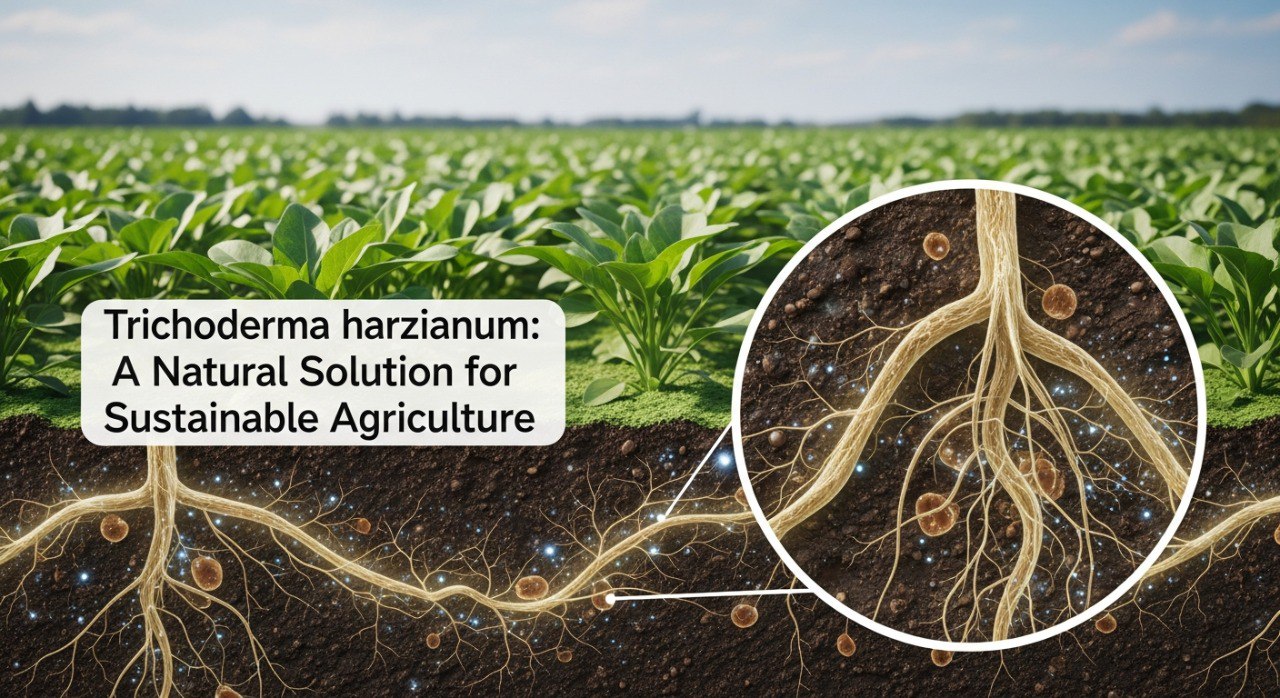
Trichoderma harzianum, a fungus occurring naturally, helps create stronger plants and improve soil quality. Trichoderma harzianum has proven effective at controlling pests due to its strong ability to combat many of the same diseases that cause damage to crops. It can also promote root development, helping to increase the uptake of nutrients by the plant's roots, and to enhance plant health in all aspects of plant growth. Farmers looking for ways to decrease chemical fungicide use are finding increasing success using Trichoderma harzianum products.
Trichoderma harzianum has many uses in agriculture. It is used to promote growth and health of all types of plants, from fruits and vegetables to grains and flowers. When used as a component of sustainable agricultural practices, Trichoderma harzianum creates an environment where there are beneficial organisms that support soil health and promote crop production.
Understanding Trichoderma harzianum in Agriculture
Agricultural growers have been utilizing Trichoderma harzianum as a form of biocontrol for many years due to its potential to enhance soil and plant health while protecting the crops against diseases, thus maximizing yield potential.
Trichoderma harzianum possesses many natural properties that enable it to function within symbiosis with the plants, which allows it to be a valuable tool for growers today.
What is Trichoderma harzianum?
Trichoderma harzianum is a member of the Trichoderma genus, which includes many species of organisms that are known for their ability to support plant growth and for providing protection from numerous plant diseases.
Key Characteristics:
- Mechanisms of Action: Trichoderma harzianum competes against pathogenic organisms through the production and secretion of antifungal substances.
- Biobased Fungicide: As a biopesticide, Trichoderma harzianum lowers the requirements of growers to use synthetic pesticides.
- Root Establishment: By affecting root growth and increasing nutrient uptake, Trichoderma harzianum increases the health and vigor of roots.
Why Trichoderma harzianum Is Important for Crops
The positive impact that Trichoderma harzianum can have on the soil and the production of crops is enormous; it provides numerous advantages such as providing a support system to increase the resistance of plants from diseases and assisting them in growing during adverse weather conditions, thereby increasing the overall productivity and health of crops grown today.
Advantage of Trichoderma harzianum for crops
- Disease prevention Trichoderma harzianum will protect against diseases that occur in the root, such as root rot, wilt, and blight.
- Provides stress protection Increases plant strength and enhances the ability of plants to withstand drought, heat, and soil salinity.
- Increases nutrient absorption Enhancement of root development enhances the ability of plant roots to absorb essential macro-nutrients – nitrogen, phosphorus, and potassium.
Trichoderma harzianum Uses in Agriculture
The potential applications of Trichoderma harzianum in agriculture are many and varied. The range of crops that can utilize the benefits of Trichoderma harzianum is broad, covering fruits and vegetables through grains and ornamental plants. Trichoderma harzianum's role in reducing the reliance on chemical inputs in the form of synthetic fertilizers has led to its popularity as an avenue for increasing crop production, while promoting the growth of healthier and more resilient crops.
Examples of common uses for Trichoderma harzianum include:
- Soil Enhancement: The introduction of Trichoderma harzianum to the soil enhances the activity of the microorganisms already present in the soil.
- Seed Coating: Trichoderma harzianum can be applied to seeds to protect them from soil-borne pathogens and improve the establishment of new seedlings.
- Soil Nutritional Value: The introduction of Trichoderma harzianum to compost and organic matter enhances the efficiency of decomposition and adds nutrients to the soil.
- Folate Spraying: Trichoderma harzianum can be applied to plant foliage as a preventative measure against leaf diseases, and as a means of enhancing overall plant health.

How Trichoderma harzianum Works in Soil Ecosystems
Trichoderma harzianum is a very useful fungus in our soil ecosystems. It interacts with soil microbes and plants to help make available nutrients, suppress harmful soils/bacteria and increase soil health. Its use in agriculture is essential for anyone looking to improve plant health and sustainability.
Root Colonization and Plant Interaction
The main function of trichoderma harzianum in soil is to colonise plant roots by protecting them and assisting in nutrient uptake. Trichoderma harzianum helps stimulate root growth and protects your crop from soil borne disease-causing pathogens, such as Fusarium and Pythium.
Major Benefits of Trichoderma harzianum
- Healthy Roots - Trichoderma harzianum enhances root development resulting in a strong, deep root system able to access more nutrients and water.
- Available Nutrient Uptake - Trichoderma harzianum will enable a crop to convert more Nitrogen, Phosphorus and Potassium into available nutrients for optimum plant growth.
- Plant Protection - Trichoderma harzianum stimulates natural plant defence systems by increasing the production of disease-fighting compounds in the roots.
Why It Matters: A healthy root system = Healthy Crops, greater drought resistance, and increased crop yields.
Mycoparasitism and Pathogen Suppression
Trichoderma harzianum is an important agricultural fungus, which suppresses pathogenic fungi through mycoparasitism, offering an effective means of controlling disease in crops. Trichoderma harzianum is effective against a variety of soil-borne pathogens (e.g., nematodes, bacteria, fungi) due to its competitive nature. Through mycoparasitism, Trichoderma can compete with and eliminate many soil-borne pathogens.
How does Trichoderma cause pathogen suppression?
Trichoderma competes with the pathogens for limited resources:
- Trichoderma produces antifungal compounds.
- Trichoderma attacks the hyphae of pathogens and consumes their nutrients to kill them.
- Trichoderma out-competes pathogens by using their limited resources (nutrients) and habitat.
Trichoderma Mycoparasitism Characteristics:
- Natural Disease Resistance
- Reduced chemical fungicide
- Improved health and Yield Potential of crops

Enzyme and Metabolite Production
Trichoderma harzianum is another of the important features that contributes to soil health and nutrition of plants. T. harzianum is used to improve the amount of decomposed organic materials in the soil to support healthier plant growth through the addition of nutrients.
Key Enzymes Produced by T. Harzianum.
- Cellulase and Hemicellulase - The Enzymes will decompose organic material to cellulose providing additional nutrients and nutrients; enrich soil with nutrients, and provide nutrients and nutrients;supporting nutrient availability through higher microbial communities around organic materials
- Chitinase - The enzymes that break down both the chitin found in fungal and insect cell walls, and reduce the number of pathogens in the soil can improve Plant Growth and Soil Quality; while further reducing the population of insect pathogens
- Protease - T. Harzianum Enzymes are enzymatic action that forms amino acids when they decompose organic protein to form nitrogen, which supports the availability of Nitrogen for Plant Growth
- To Support Plant Growth: Trichoderma harzianum provides metabolites, similar to those that support Plant health through increased Plant resistance to pathogens and other stresses.
What is it that T. Harzianum enables to Support Soil and Plants?: The production of enzymes, similar to other decomposers, allows for the dissolution of organic material in the soil, which supports healthier crops through the addition of nutrients from decomposed organic material.
Key Benefits of Trichoderma harzianum for Crop Production
TRICHODERMA HARZIANUM has various benefits in sustainable farming. Its ability to boost crop production and protect against pests and diseases is why farmers are using TRICHODERMA HARZIANUM as a natural alternative to the use of chemicals in agriculture. With the continued development of its biological properties by mankind, TRICHODERMA HARZIANUM will continue to improve on the productivity of farms while minimizing its impact on the environment.
Improved Crop Yield and Growth
The Primary Reason for Using TRICHODERMA HARZIANUM is to IMPROVE CROP YIELDS AND INCREASE GROWTH RATE. The Plant GROWTH PROMOTER (PGP) is colonized in the root zone of the plant and enhances the plant’s ability to directly take in nutrients from the soil, especially Phosphorus (P) AND Nitrogen (N), which are the two most important nutrients for the growth of healthy crops.
Some of the other benefits of TH are:
- A healthy root system can provide better support for the plant when anchoring and absorbing water/nutrients
- Greater Plant Growth Rate & Vigor
- Higher Crop Yield resulting from a greater return from less input
- Ability to Tolerate Environmental Stress such as Drought and Disease

Soil Health Enhancement
Soil is the foundation of crop production, and Trichoderma harzianum plays an important role in maintaining healthy soils. It helps create a balance of beneficial microorganisms in soils through its activity as a biofungicide, and it improves water retention, soil structure and continues to decompose organic matter.
Benefits:
- Improved water and retention capacity of soils
- Increased natural organic matter and soil fertility
- Increased diversity of Beneficial Microbial Communities
- Increased carbon storage in soils and continued soil productivity during agricultural production
Environment-Friendly Disease Management
Trichoderma harzianum is one of the most environmentally friendly ways to manage soil borne disease. It offers a naturally occurring alternative to chemical fungicides. Trichoderma harzianum uses enzymes to degrade the cell wall structure of pathogens and mycoparasitism (feeding on other fungi) to protect your crops from disease-causing organisms such as Fusarium, Rhizoctonia and Pythium. It is a key component of sustainable and organic farming.
Benefits:
- Reduction in reliance on chemical fungicides and, accordingly, healthier and safer crops.
- Improved crop resistance to crop stress and increased disease resistance.
- Enhancement of your ability to manage plant pathogens in a manner that supports your biological control methods.
- Suppression of a wide range of soil borne pathogens while not harming beneficial microbes.
Trichoderma harzianum Is Used For Disease Control
The economic potential of Trichoderma harzianum as a natural, biological agent for controlling fungal diseases in crops has made it one of the most studied and in-demand natural products in agriculture today. Trichoderma harzianum is able to inhibit the growth of some soil-borne pathogens such as Fusarium, Rhizoctonia, and Pythium.
When applied to either soil or plant surfaces, Trichoderma harzianum serves as a buffer against these pathogens, helping to prevent the establishment of plant diseases and supporting healthier plant growth.
Control of Soil-Borne Plant Diseases
Trichoderma harzianum is known for its effectiveness as a biological control for a wide range of soil-borne pathogens including Fusarium, Rhizoctonia, and Pythium. These diseases can cause severe crop losses, particularly when crops are grown in poorly managed soils. By applying Trichoderma harzianum to soil, farmers can establish their own natural defence mechanism against soil-borne pathogens, thus reducing or eliminating dependence on synthetic fungicides.
Trichoderma harzianum offers the following benefits:
- Trichoderma competes with soil-borne pathogens for space and nutrients in the rhizosphere.
- Trichoderma is a mycoparasite that preys upon other fungi and reduces their abundance and activity.
- Trichoderma prevents pathogen invasion and establishment within plant roots and therefore promotes better growth and endurance of the plant.

Strengthening Plant Defense Mechanisms
Trichoderma harzianum enhances plant defence mechanisms as well as the control of disease; thereby, creating increased resilience in crops to the effects of both stress and disease. This process is conducted through the enhancement of the plant's systemic resistance, thus helping the plant to create its own defence against a variety of types of threats.
Examples of this include:
- Induced Systemic Resistance (ISR): Trichoderma primes plants for the activation of their immune systems when invaded by pathogens.
- Enzyme Induction: Trichoderma stimulates the plant's production of defence enzymes, for example, chitinase, which attack and degrade pathogen cell walls.
- Stress Tolerance: Trichoderma-treated plants have a higher tolerance level for drought, salinity, and rapid temperature change.
Resistance Management in Crops
Trichoderma harzianum is significant in helping to manage the development of resistance to chemicals by preventing the establishment of a resistant strain of a pathogen. By decreasing the over-use of chemical fungicides, over time, this natural product will maintain the effectiveness of these synthetic products.
Using Trichoderma harzianum has multiple benefits, including
- Reduced reliance upon chemicals: This reduces the need for synthetic fungicides and allows farmers to use more sustainable methods to grow crops.
- Reduced pathogen adaptation: Trichoderma out competes the pathogens, thus reducing the pathogen's chances of developing adaptations that make them resistant to treatment.
- The fungal colonization of the soil by Trichoderma will help improve soil health, as well as continue to protect against many diseases in the future.
Sustainable Agriculture Benefits of Trichoderma harzianum
The usage of Trichoderma harzianum provides the agricultural sector with sustainable solutions and by addressing population growth and food security while moving towards more sustainable and environmentally friendly agricultural practices; it provides ways to improve soil health without compromising the environment, to help with sustainable agriculture practices, and to protect crops against pathogens.
The biological control properties of T.h. will help the agriculture sector both reduce dependence on chemicals and improve productivity over time.
Reducing Chemical Fungicide Dependency
One of the biggest benefits from using T.h. in agriculture is its effect on reducing or eliminating the need for chemical fungicides. T.H. can naturally suppress soil-borne diseases, thus protecting crops while at the same time eliminating the potential negative impacts of synthetic chemical fungicides.
Some key benefits of T.h.
- Biological Disease Control: T.h. outcompetes pathogenic fungi for nutrients and space, thus inhibiting their growth.
- The absence of Residue: T.h. does not leave any residual chemical residues in either soil or on food products as many chemical fungicides do.
- A Sustainable Solution: T.h. will continue to contribute towards developing a healthy, circular ecosystem, which supports healthy plant and microbial communities in soil.

Supporting Organic and Natural Farming
Soil fertility enhancement and Natural Disease Protection are two major aspects of how Trichoderma harzianum supports the use of organic/natural farming methods. Trichoderma harzianum is an important component of organic pest control because it enables farmers to produce healthy, high yielding crop without using chemical inputs that may harm the environment.
Some of the Major Benefits of Trichoderma harzianum include:
- Organic Certification - Trichoderma harzianum has been approved for use in Organic Farming; therefore it helps organic farmers comply with Organic Certification Standards.
- Soil Health - Trichoderma harzianum increases the breakdown of organic matter and improves nutrient cycling resulting in a healthy, rich scale of microorganisms in the soil.
- Plant Stress Reduction -Trichoderma harzianum enhances the root systems of plants; therefore enhances the overall vigor of those plants reducing plant stress associated with both drought and nutrient deficiencies.
Role in Integrated Pest Management (IPM)
Trichoderma harzianum has a critical function in Integrated Pest Management (IPM). By using Trichoderma harzianum as a biological control agent combined with other biological agents, we can utilize a more sustainable and viable means for managing crop pests and diseases.
The Benefits of Trichoderma harzianum IPM:
- Biological Control: Trichoderma harzianum occurs naturally in the soil and helps to suppress soil-borne pathogens
- Increased Resilience to Pest Pressure: Trichoderma harzianum improves the plant's ability to resist pests,
- Reduction in Use of Chemical Control Methods: when used in combination with other control methods, enables more comprehensive pest management strategies .
Application Methods of Trichoderma harzianum in Agriculture
Trichoderma harzianum offers an effective alternative for controlling pathogens or promoting growth and health in soils. It provides farmers with a means to improve their productivity without the use of synthetic chemicals, as well as to meet the demands of modern consumers who are increasingly looking to buy sustainably produced foods. The versatility of T.
harzianum allows for its application in many different ways from treating seeds and applying to soils to using during production in nurseries.
Seed Treatment with Trichoderma harzianum
Using T. harzianum to treat seeds is a well-established method of using this beneficial fungus to naturally protect seeds from diseases before softening in soil and to assist with early stage seedling vigor.
T. harzianum Seed Treatment Benefits Include:
- Disease suppression - protects seeds from soil pathogens such as Fusarium and Rhizoctonia.
- Increased germination - improves seedling emergence and establishment resulting in healthier plants.
- Development of stronger roots - promotes increased early root development enhancing the plant's ability to withstand environmental stresses in the early part of its life cycle.
Seed Treatment Procedure: Soak seeds in a water and T. harzianum mixture for a minimum of 3 hours, coating seed surfaces accurately for maximum benefit.

Soil Application and Drenching
The use of Trichoderma harzianum in the soil has a synergistic effect that enhances your plant’s natural microbial balance and consequently creates a healthier root zone. Applying Trichoderma harzianum to your soil as an application method has several benefits to improving soil fertility and structure while facilitating plant growth.
The following are some benefits of the soil application of Trichoderma harzianum.
- Increased Root Health: The increased colonization of plant roots with Trichoderma harzianum allows the roots to become larger in diameter and deeper in the soil profile
- Reduced Soil Pathogen Damage: By reducing the incidence of plant pathogens that occur in the soil, Trichoderma protects your crop against damage.
- Increased Soil Fertility: Trichoderma will also aid in the breakdown of organic matter, thereby improving the soil’s ability to produce.
Nursery and Transplant Treatment
Trichoderma harzianum is one of the best products to use for nursery/transplant treatments because young plants are very sensitive to pathogens and environmental stress during that growth stage. Using Trichoderma harzianum on your seedlings and transplants will give them a strong start which translates into increased growth rates and decreased levels of transplant shock.
Benefits of using Trichoderma harzianum for your nursery/transplants:
- Root Protection: Trichoderma harzianum protects your roots from root rot and other root-related diseases that typically affect young plants during transplanting.
- Quick Establishment: Plants that receive Trichoderma harzianum appear to acclimate to their new growing conditions and soil very quickly.
- Disease Resistance: After transplanting, Trichoderma harzianum will enhance the plant's natural ability to defend itself from soil-borne diseases.
FAQs:
Q1. Trichoderma harzianum is used for which crops?
Trichoderma harzianum is used for a wide variety of crops including vegetables, fruits, cereals, pulses, and ornamental plants.
Q2. Is Trichoderma harzianum safe for food crops?
Yes, Trichoderma harzianum is completely safe for food crops and is widely used in organic farming systems.
Q3. How often should Trichoderma harzianum be applied?
It should typically be applied every 20-30 days or at key stages of crop growth for optimal results.
Q4. Can Trichoderma harzianum replace chemical fungicides?
Yes, Trichoderma harzianum can replace or reduce the use of chemical fungicides by naturally suppressing plant pathogens.
Q5. Does Trichoderma harzianum improve soil fertility?
Yes, Trichoderma harzianum improves soil fertility by enhancing nutrient cycling and promoting beneficial microbial activity in the soil.
Conclusion: Choosing Trichoderma harzianum for Sustainable Farming
The beneficial fungus Trichoderma harzianum has been an extremely important tool in the development of sustainable agricultural practices, with its eco-friendly, natural solutions helping to raise crops and soils. Trichoderma harzianum plays an essential role in increasing soil fertility while simultaneously providing an increase in root growth and a decrease in the incidence of harmful pathogens. Trichoderma harzianum has reduced the need for chemical inputs and has become a foundational component in many modern agricultural practices. It can also be found in multiple types of crop production across many crop types, including vegetables, fruits, grains, and ornamental plants.
With ongoing challenges within the agricultural community, like rising input costs, soil degradation, and climate change, Trichoderma harzianum will help farmers implement sustainable practices while producing increased yields, healthier plants, and better soil with less negative impact on the environment. By supporting Trichoderma harzianum in the present, farmers are committing to creating a greener future where sustainable agricultural practices and increased productivity are achieved together.