

Why You Should Add Seaweed to Your Salads: A Complete Guide
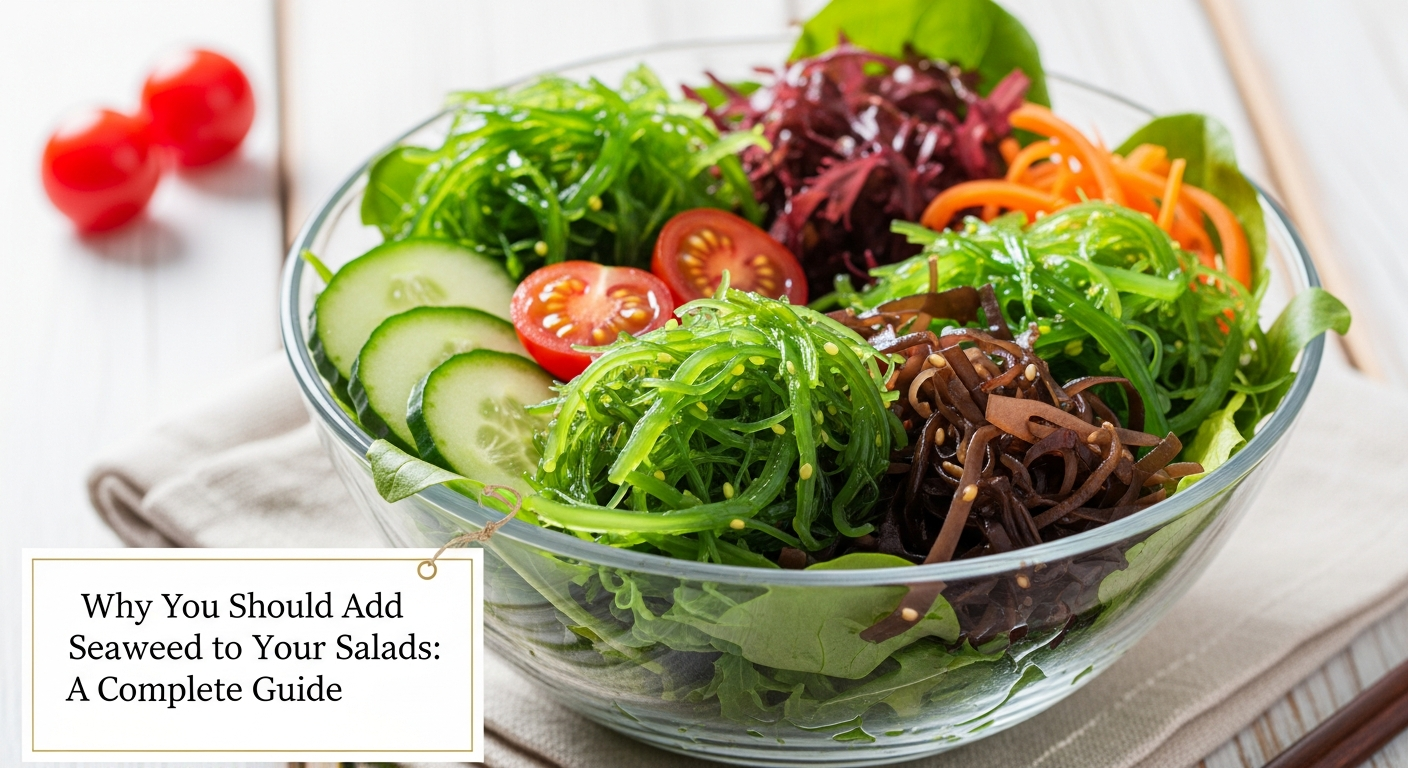
Through Seaweed, a naturally nutrient-dense marine plant, people around the world have been consuming it for generations as part of their traditional diets. Adding Seaweed to your salad will provide not only added flavour but also many unique nutritional benefits, thereby improving the overall quality of your daily meals.
Seaweed is rich in minerals, vitamins and other nutrients essential for a healthy body. The antioxidants, fibre and plant compounds found in Seaweed will promote overall health, while its plant-based, easy-to-digest and absorb nutrients provide a nutritious and versatile addition to fresh salads and meals.
Additionally, all Vegetables grown using Seaweed Fertiliser benefit from increased nutrient density due to the use of Seaweed Fertiliser, the most natural and environmentally-friendly method to boost the nutritional density of any crop. In addition, this type of Sustainable Farming Practices improve the health of the soil and grow cleaner and more nutritious vegetables than traditional farming methods.
The Nutritional Powerhouse: Health Benefits of Seaweed for Salads
Seaweed is one of the most nutrient-dense foods available today. It has long been used in various areas along coastlines and is now a recognized superfood. Seaweed added to salads gives you access to all essential minerals, vitamins and protective compounds that help keep your body functioning at its best.
Seaweed has even more value as it typically comes from crops being grown with seaweed fertilizer for vegetables, which naturally promotes greater growth and nutrient density.
Rich Vitamins and Minerals
Seaweed contains essential vitamins and minerals that are commonly lacking in our everyday diets. Seaweed's addition to salad allows us to obtain concentrated nutrition with minimal weight.
Key Nutrients Found in Seaweed:
- Iodine: For healthy thyroids and metabolic function.
- Calcium & Magnesium: For strong bones.
- Iron: For healthy blood circulation.
- Potassium: For heart and muscle health
- B Vitamins: For energy metabolism.
Vegetables grown with seaweed fertilizer tend to absorb more trace minerals from enriched soil, which enhances the nutritional value of a seaweed-diet.
Antioxidants and Protective Compounds
Seaweeds have many things to offer in addition to their basic nutritional profiles. In addition to being full of antioxidants, seaweed contains lots of health-supporting bioactive and nutritious ingredients.
Some of the Health-Protection Factors include:
- Neutralizing free radical activity
- Improving immune system health and function
- Using skin/cellular support
- Reducing inflammation naturally
- Providing support for gut health when eaten frequently
Seaweed is known as a "functional food" that is more than just a food source, which is particularly true when combined with salads made from fresh vegetables.
Low-Calorie, High-Nutrition Food
One significant benefit for using seaweeds in salads compared to other types of food is that seaweeds have a low-calorie content and a very high amount of nutrients per calorie. As a result, they are highly recommended for people who want to stay healthy and for dieters who want to manage their weight.
Here are Some Reasons Seaweeds Are Excellent Options for Salads:
- Low fat content and calorie
- High fiber Content = Often makes you feel full
- Easily digestible; feels light in the stomach
- Flavors naturally enhanced without using heavy coating of dressing
- Matches beautifully with vegetables grown with the help of seaweed-based fertilizer
Enjoying Seaweed gives you all the nutritional benefits of a healthy diet and will help you maintain a healthy balance between taste and nutritional value.

Popular Types of Edible Seaweed Perfect for Salads
There are many different edible kelps and sea.vegs to add to your salad that will enhance and nourish the salad with additional flavor, taste, and nutrition. When adding seaweed to salads, understanding how different types of seaweed behave when soaked, mixed and paired with other vegetables is important. Also, many types of seaweed used for salad production are linked to sustainable farming practices.
This is because veggies grown using Seaweed fertilizer will generally yield a healthier and better tasting vegetable and thus make the salad healthier and more Eco-Friendly!
Wakame – The Classic Salad Seaweed
If you have something very popular in Asian foods, you probably have some knowledge of wakame. It is considered one of the most commonly used seaweeds for salads and has a soft texture that is very easy to combine with fresh and raw veggies. Once re-hydrated, it has a mild and slightly sweet flavour.
Reasons Why Wakame Works Well with Salads
- Soft and tender once soaked
- Mild flavour does not overpower other ingredients
- High in Iodine, Calcium, Magnesium
- Light on the stomach and easy to digest
- Combines nicely with Cucumber, Sesame, and Leafy Greens.
Vegetables cultivated using Seaweed Fertiliser will generally taste even better when included in wakame salads, as both share a mineral-rich profile.
Nori – Light and Savory Strips
Nori has traditionally been used as a wrapping for sushi. However, it can also be used to enhance the flavors of salads by being shredded into long thin strips that have a crunchy texture when they are dry-roasted. Nori's roasted, umami flavor gives depth to salads while not adding any weight.
Why Nori Is Great Salad Topping
- Crunchy texture when shredded into strips.
- Enhanced Flavors for Simple Salads
- Excellent Source of Protein and Vitamin B12.
- Low Calorie, Low Fat.
- Versatile Salad Topping for Grain-Based Bowls and Salad with Vegetables.
Nori is an excellent choice as an addition to salads that contain seasonal/fresh produce from plants grown in seaweed fertilizers, helping to create nutrient-dense plant-based meals.
Dulse and Kombu – Bold and Mineral-Rich
Dulse and kombu are more strongly flavored seaweeds. They add bold coastal flavors to salads. Kombu is usually soaked in water or lightly cooked, but dulse can be eaten raw or lightly toasted.
Characteristics
- Dulse has a chewier texture and salty, smoky flavor.
- Kombu has a thicker consistency and has a lot of natural umami.
- Both are packed with iron, potassium, and trace minerals; perfect for heartier salads or warm salads made from vegetables.
- A small amount of either type of seaweed can provide a large amount of flavor and nutrition.
Dulse and Kombu are also great complementary ingredients to root vegetables and greens grown
in seaweed fertilizers, enhancing both flavor and nutrition.

Taste and Texture: How Seaweed Elevates Salad Flavors
Aside from being a great source of nutrition, seaweed also helps to flavor and texture salads. Adding seaweed to salads can create depth, balance, and a wonderful mouth feel that regular lettuce cannot compare to.
The addition of seaweed can take a plain, boring salad and turn it into a gourmet meal with twice the nutritional value and enhance the flavors of the vegetables harvested using seaweed fertilizer.
Natural Umami Boost
Seaweed's most appreciated quality is its natural umami flavor. Umami is the primary taste that adds flavor to many foods and gives them an appealing taste without an overwhelming flavor.
What does Using Seaweed do for Salad?→
- Produces a milder natural salty and savory flavor.
- Reduces reliance on using excessive salt and/or artificial flavoring agents.
- Enhances the natural sweetness of raw vegetables.
- Balances the sourness of salad dressings such as lemon and vinegar.
Seaweed Fertilized Vegetables will have enhanced mineral availability, making it easier to blend with the umami taste of Seaweed and create salads that are well-balanced and taste marvelous.
Crunchy and Chewy Textures
The texture of seaweed contrasts nicely with the different textures found in salads, making salads more appetising and enjoyable. The benefits of the textures of seaweed in salads are:
- Crunchy seaweed flakes add a slight crunch to the salad.
- Chewy seaweed strips give the salad a toothsome chew.
- Seaweed complements the soft, tender, and delicate textures of many types of greens, including lettuce and spinach
- Variety: Seaweed brings different textures, which bring additional texture to salads, making salads more enjoyable and filling.
In addition to the benefit of increased texture, seaweed fertilizer-based salads produce vegetables that have enhanced firmness and freshness.
Flavor Pairing with Vegetables
Seaweed works exceptionally well with a variety of different types of vegetables. It adds freshness and enhances the flavour of many vegetables. Some of the best vegetable pairings:
- Cucumber and Tomato: The coolness of cucumber balanced with the flavour of tomato.
- Carrot and Beet: The sweetness of both vegetables works well together.
- Green Leafy Vegetables: the flavour profile of the green leafy vegetables becomes much deeper.
- Avocado: The creaminess of the avocado blended with savoury seaweed provides a unique taste experience.
Many of the vegetables grown using seaweed fertilizer tend to absorb more trace minerals than vegetables that were not grown in a seaweed fertilised environment, which contributes to richer flavours of the combined ingredients.

How to Prepare Seaweed for Fresh and Flavorful Salads
Seaweed is a true food and should be enjoyed for its fresh flavor, texture, and health benefits through the appropriate preparation of seaweed. There are many ways to prepare dried seaweed for salads as described herein. The main difference is when purchasing dried seaweed, you should purchase a high quality, such as that grown from seaweed fertilizer on vegetables. If you have the desire to eat seaweed in your salad, it is easy to create a good tasting, healthy salad, provided the seaweed is properly prepared.
Rehydrating Dried Seaweed
Most seaweed you'll find in edibles (salads) is sold in dried form and must be rehydrated before using. Rehydrating dried seaweed allows the seaweed to return to its original form of texture and ocean-type saltiness.
How to Rehydrate Dried Seaweed for Salads
- Rinse the dried seaweed with cold water to eliminate surface contaminants
- Soak in a clean container filled with cold water for 5-10 minutes
- After soaking, watch as the seaweed increases in size by as much as four-fold
- Drain the seaweed and press gently to remove excess moisture.
Why Rehydration is Important
Improves texture by making seaweed soft and pliable, and reduces saltiness. Enhances the natural taste of seaweed for use in fresh salads.
Cutting and Seasoning Tips
After hydrating, the seaweed must be cut correctly so it can mix well with other ingredients in your salad.
Cutting Techniques:
- Use either a sharp knife or kitchen scissors.
- When cutting, you should make sure that you cut it into bite-size strips so that it will be easy to eat.
- In order to present nicely, keep them all uniform in size.
Seasoning Techniques:
- You can use either light lemon juice/rice vinegar for flavoring
- You can add sesame/olive oil.
- Use fresh vegetables grown using seaweed fertilizer; use sesame seeds/garlic/mild spices to add flavor.
Why Simple Seasonings Work Best:
They maintain the natural flavor of the seaweedThey maintain the freshness of the product and do not overwhelm the product's natural flavors. They enhance the product's overall natural flavor and create a harmonious flavor combination with the vegetables and greens.
Storage Best Practices
Proper storage will allow for the seaweed to remain fresh, safe, and flavorful; dry or cooked preparation for salads.
Storing Dry Seaweed
Store in airtight containers.
- Store in a cool and dry area and out of direct sunlight
- Do not store it with moisture.
- Storing Prepared Seaweed
- Refrigerate in a sealed container.
- Use within 2-3 days for maximum freshness.
Do not freeze, because the freezing process will change the texture of the seaweed.

Seaweed in Food and Agriculture: A Sustainable Link
There are two major uses for seaweed in the modern food system: It supports both sustainable agriculture practices and the creation of healthier diets through the addition of nutritional and flavor benefits to food. Seaweed has become increasingly popular in many countries as a way to improve crop quality in agriculture, and its application as a food source adds nutritional value and deliciousness to food.
Therefore, there is a very strong connection between the farmer, or agricultural producer, and the consumer, through the use of seaweed in fertilizers to grow vegetables, and through the use of seaweed as an ingredient in salads and other healthy meals.
Seaweed Fertilizer for Vegetables
Seaweed Fertilizers provide one of the most successful and environmentally friendly means to promote natural growth of vegetables. The application of Seaweed Fertilizers to soil increases the number of trace nutrients within the soil and provides vegetable plants with natural stimulating agents to produce healthy, vigorous plants.
The Benefits of Seaweed Fertilizers in Vegetable Production:
- Promotes Root Growth: Provides greater root development and plant absorption of nutrients.
- Enhances Resistance: Increases the plant's ability to withstand environmental extremes (i.e. Heat waves, drought, etc.) and increased levels of stress.
- Long-Term Growth: Promotes balanced, healthy development without the use of synthetic fertilizers.
- Provides Soil Structure: Increases microbial activity in soil.
Vegetable crops produced with Seaweed Fertilizers tend to be more uniform, stronger and nutritionally superior to crops grown using traditional methods of vegetable production. Thus they are best suited for direct human consumption.
Seaweed Fertilizer Vegetables and Crop Quality
Seaweed affects the quality of vegetables that your customer receives in addition to the quantity of produce grown. The natural compounds in seaweed are responsible for improving the flavour, texture, and life of something that is grown using a seaweed fertilizer.
The following improvements have been seen in quality:
- Leafy Greens have a Brighter Colour, Freshness
- More Crunchier and Firmer Vegetables
- Increased Nutrient Density of Produce
- Less Chemical Residue on Crops
Seaweed Fertilized Vegetables are a favourite among producers who grow very high-quality produce for people who eat salads and fresh food and are therefore, very valuable to produce.
From Farm to Fork Sustainability
The relationship between agricultural seaweed and seaweed in food highlights a circular and holistic approach that builds a sustainable food cycle. Vegetables that are grown with a seaweed-based fertilizer lead to cleaner ways of growing and consuming vegetables and build healthier diets.
Ways that Seaweed Supports Farm-to-Fork Sustainability
- Less reliance on synthetic fertilizers
- Promote the belief that the way that we grow vegetables will lead to healthier ways to grow and produce vegetables
- Cleaner and safer vegetables for us to eat
- Ability to keep up with consumer demand for seaweed as an addition to salads and healthier foods

Best Salad Recipes Featuring Seaweed as a Star Ingredient
The rich mineral profile, light texture and refreshing taste of seaweed makes it one of the hottest new ingredients in today's kitchen as a health food superfood. Seaweeds are a source of flavour for salads, but they also provide essential nutrients such as iodine, calcium, magnesium and antioxidants when added to your salads. Seaweed fertilised produce is fresher and more nutritious due to the addition of seaweed.
Wakame Cucumber Salad
A fresh, crunchy salad that has a light and refreshing taste. Wakame is one of the most easily digestible seaweeds and pairs beautifully with thick slices of crisp cucumber.
Why This Salad Works:
- Wakame is soft and can be eaten raw
- Cucumbers are an excellent source of hydration and provide a tender crunch
- Low in calories, high in mineral content
Salad Ingredients:
- Wakame seaweed, rehydrated
- Fresh cucumber slices
- Sesame seeds
- Rice Vinegar or Lemon Juice
- Light Soy Sauce or Salt
It is a delicious salad that is perfect for vegetable farmers, as the minerals produced with using Seaweed Fertiliser provide the added health benefits of this salad.
Nori Vegetable Toss
The Nori vegetable toss is a great everyday salad that is fast & flexible. With the addition of Nori sheets you will be able to include the mild ocean flavor of the Nori without it overwhelming your fresh vegetables.
Why This Salad Works
- Nori contains a lot of antioxidants and high in Iodine
- Works great with raw vegetables as well as those that have been lightly cooked
- Quick & easy to prepare and customize
For Ingredients
- Shredded Nori sheets
- Carrots, bell peppers, lettuce
- Olive Oil, or Sesame Oil
- Fresh Lemon Juice
Cracked Pepper or Herbs If you take sea vegetables and grow your vegetables with them you will maximize the nutrition of this basic salad.
Dulse Citrus Salad
Dulse citrus salad brings you sweet, tangy and savoury flavour combinations. Dulse seaweed has a chewy texture and naturally salty taste that combines well with citrus fruit.
Why This Salad Works
- Dulse is rich in Iron and Potassium
- Citrus helps to improve the absorption of minerals
- Great for energy and good for immunity
For Ingredients
- Dulse seaweed flakes or strips
- Segments of oranges or grapefruit
- Mixed Greens
- Honey or citrus dressing
Nuts or Seeds for Crunch : This salad demonstrates how a sea vegetable can be added to an everyday green salad and create a substantial meal rich in nutrients.

Sourcing Quality Seaweed for Salads
When you're thinking about adding seaweed to your salad, knowing which type of seaweed to use can be very important, because the quality of the seaweed will affect its flavours, potential hazards to your health, and its nutrient content. To get the most benefit from eating seaweed in your salad, you want to find seaweed that has been harvested from clean waters and is free from contaminants.
Just like when you fertilize your vegetables with seaweed, the quality of the seaweed you use in salads can directly impact the amount of nutrition you get from them. The certifications, types, and harvesting methods will all help determine the best seaweed selection for a salad.
Organic and Food-Grade Certification
When purchasing seaweed for salad, consumers should always be aware of purchasing seaweed that has been certified as either food-grade or organic. The certifications show consumers that the seaweed has been produced without harmful contaminants and is safe for consumption.
Why Certification is Important
- Seaweed must be harvested from clean and non-polluted waters
- Seaweed must be safe for direct consumption
- Seaweed must be free of toxic heavy metals and industrialized residues
- Seaweed must be manufactured in an appropriate manner using safe sanitation practices
What to Consider
- Whether seaweed is certified organic
- Whether seaweed is labelled as food-grade
- What the seaweed contains as well as where it originated from
Dried vs Fresh Seaweed
When purchasing seaweed for salads, make sure the seaweed is certified by an organic or food-grade certification. These certifications verify that the seaweed you purchase is safe for consumption and has been grown without harmful chemicals or polluting substances.
The Importance of Certification
- Confirms the seaweed has been harvested from a clean, unpolluted environment
- Guarantees the seaweed is safe to consume directly
- Free from heavy metals and contaminants from industry
- Processed in a clean manner
What to Watch for
- Organically certified
- Labeled as food grade
- Described on the label with sources of the ingredients
Sustainable Harvesting Practices
Similar to the objective of quality, it is equally as important to consider sustainability when obtaining food products such as seaweeds. It is essential to engage in responsible harvesting and harvesting means to ensure a sustainable marine environment, and that source will continue to have seaweed available for food, in the future.
Key Sustainable Practices for Harvesting of Seaweeds
- Harvesting only mature seaweeds
- Only harvesting seaweed when their root systems remain intact to promote growth
- Avoiding harvesting species from over-harvested areas
- Observing all appropriate local and regional environmental guidelines
Why is Sustainability Important?
- To protect marine biodiversity
- To preserve the natural nutrient cycles of marine environments
- To promote and maintain eco-friendly food systems
- To keep with sustainable farming methods, including seaweed based fertilizers for the food grown on farms.

FAQs
Q1. Is seaweed for salads safe to eat daily?
Yes, food-grade seaweed is safe for daily consumption when eaten in moderate amounts.
Q2. Does seaweed taste fishy?
No, seaweed has a mild, savory umami flavor rather than a fishy taste.
Q3. Can dried seaweed be used directly in salads?
Yes, dried seaweed can be sprinkled directly or lightly rehydrated before adding to salads.
Q4. Is seaweed linked to agriculture?
Yes, seaweed is widely used in agriculture as a natural soil conditioner and plant nutrient source.
Q5. Are vegetables grown with seaweed fertilizer safe?
Yes, vegetables grown with seaweed fertilizer are safe, natural, and often more nutrient-rich.
Conclusion: Make Your Salads Smarter with Seaweed
Seaweed's beet salad is one of the easiest ways to improve both nutrition and sustainability. It contains vital minerals, antioxidants, and plant compounds that have many health benefits, so the flavor of umami added to salad is definitely a bonus! High-quality, food-grade seaweeds are great for salads, as they are nutritious, help create a better vegetable experience, and taste good with fresh vegetables.
Also, seaweed supports sustainable agriculture; it uses the nutrients from the ocean to enhance vegetables that are then grown using natural methods instead of using harsh chemicals. Therefore, by using seaweed as an ingredient in your salads, you are encouraging everyone to eat cleaner—and using the same natural ingredients that supported your vegetables will keep your environment healthy. )