

Orchid Mycorrhizal Fungi and Mycorrhiza in Orchid Agriculture
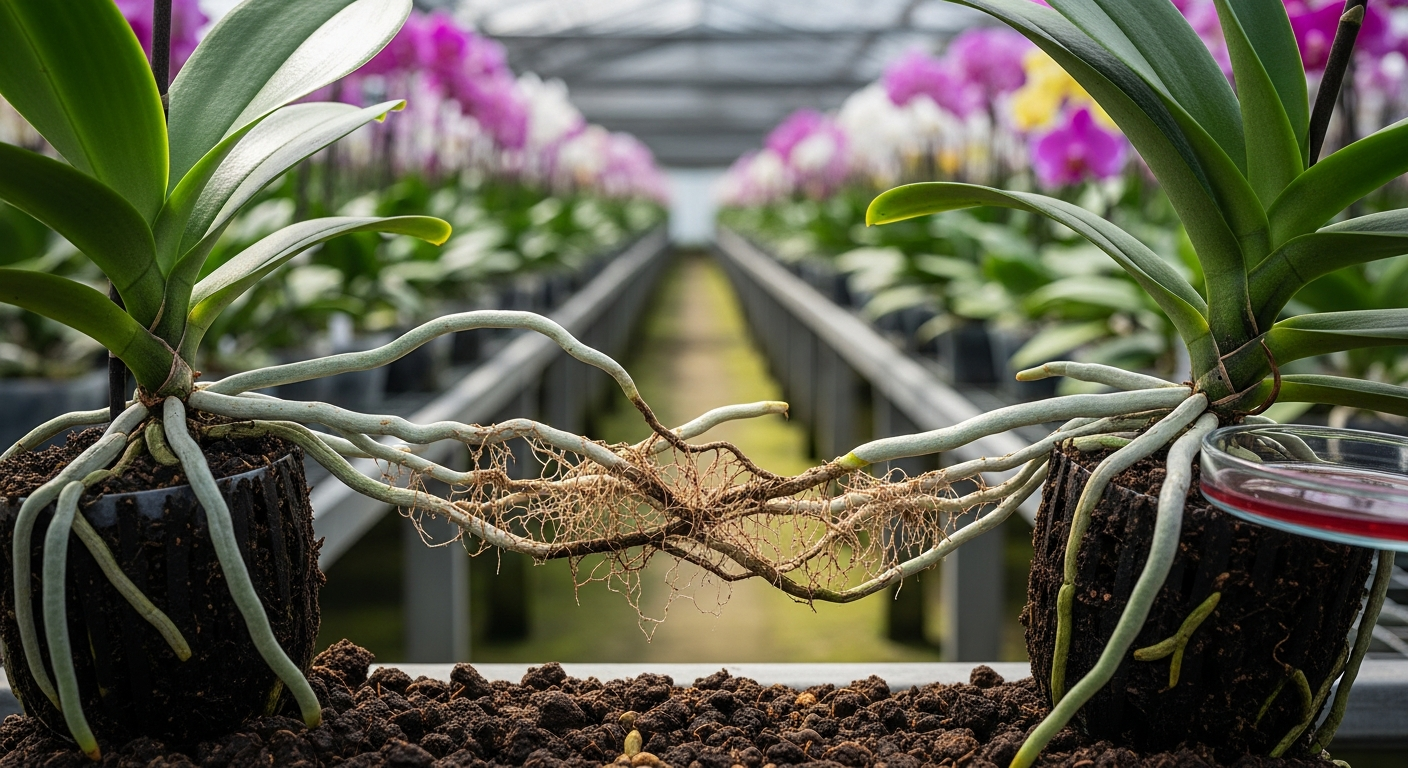
Beneficial soil fungi, known as orchid mycorrhizal fungi, are especially created to support the survival of orchids through an association with the roots of orchids.
The nutrients (nitrogen, phosphorus, carbon compounds, and water) are only available through this specialized association with orchid mycorrhizal fungi. Therefore, and for this reason, the relationship between the orchid mycorrhizal fungi and the orchids is essential for producing the healthiest orchids.
Orchid mycorrhizal fungi supply nutrients to orchids easily and gently, which makes this supply especially important for orchids, as they have fragile root systems, and rely on mycorrhizal fungi to germinate their seeds and establish their initial roots.
Therefore, whether you are using orchid mycorrhizal fungi with orchids grown in nurseries or using these fungal species for commercial floriculture, you will produce stronger, healthier, and more productive orchids, with increased flowering and an environmentally friendly and sustainable way to grow orchids.
Orchid Mycorrhizal Fungi and Mycorrhiza Explained
The relationship between orchids and fungi in the plant kingdom is among the most complex relationships for all types of plants. Due to the nature of this relationship, orchid mycorrhizal fungi are vital for the survival and cultivation of orchids. In comparison to other crops, orchids rely more on their relationship with mycorrhizae for not only nutrient acquisition, but also seed germination, early growth, and continued health of their roots throughout their lives.
Understanding how mycorrhizae function in orchids can provide orchid growers with greater plant strength, improved flowering, and a sustainable method for producing orchids throughout the entire lifecycle of the orchid in nurseries and commercial agriculture operations.
What Are Orchid Mycorrhizal Fungi in Agriculture
Orchid mycorrhizal fungi are specific fungi that have been adapted to colonise orchard roots and provide nutrients to orchards that they cannot obtain efficiently through their own root systems.
Characteristics:
- Allow orchid seeds to germinate in nature
- Act as a source of carbon, nitrogen and mineral nutrients for young plants
- Act as a support structure for root systems and provide nutrients for the orchid plant through the root system
- Act as a protective mechanism against root stress and create an environmental imbalance in the orchid root zone
Importance of Orchid Mycorrhizal Fungi to the Orchards:
Orchids produce dust-like seeds that are so tiny they have no nutrient reserves. As a result, in order for orchids to achieve a successful germination, they require an association with a mycorrhizal fungus. When orchids are inoculated with mycorrhizal fungi for orchid production in agriculture, the fungi provide the plant with greater survival rates; faster establishment times; and healthier root systems.
Orchid Mycorrhiza and Types of Mycorrhiza in Orchids
Orchids form partnerships with a specialized group of mycorrhizae that are distinct from mycorrhizae associated with other common crops. Examples include:
- The orchid mycorrhizae (OrM) type; these are the most specialized fungi associated with orchid roots
- Rhizoctonia-like fungi; these are also commonly found associated with orchids
- Mycorrhizal fungal coils; these structures develop in the interior of orchid root cells

Orchid Roots, Mycorrhiza, and Soil Interaction
Orchid roots differ in structure from other crop root systems. More specifically, they have unique relationships with fungi in the soil. Some common characteristics of orchid root systems and their interaction with mycorrhizae are:
- Thick and spongy root systems that efficiently absorb moisture and nutrients from the environment
- Mycorrhizal infection of the root cells occurs without injuring or harming plant tissues
- Extending beyond the root system, links are formed by fungal networks to reach additional moisture and nutrients.
Orchid Mycorrhizal Fungi in Seed Germination and Growth
Orchids depend on mycorrhizal fungi to provide support throughout its life cycle. Unlike crops, seeds of orchids are exceedingly small and contain no stored nutrients, therefore relying upon mycorrhizal fungi to germinate and grow. In addition to providing support as a seed sprouts and grows, the relationship between fungi and the plants is critical for determining the amount of nutrients absorbed by the plant, the amount of starch and sugars stored and the overall health and vigor of the plant.
Orchid Seed Germination With Mycorrhiza
To be successful, everyone growing orchids from seed to blossom must understand how mycorrhiza works with regard to the different types of orchids. Orchids depend on mycorrhizae to germinate. Because orchid seeds are so tiny, they cannot germinate without mycorrhiza. Mycorrhizal fungi supply nutrients needed to activate the orchids' germination.
How Mycorrhizae Support Orchid Seed Germination:
- Mycorrhizal fungi will penetrate orchid seeds, which initiates growth and development by:
- Giving carbon (energy), nitrogen and minerals
- Stimulating cell division and protocorm formation, and
- Allowing for the successful germination of orchid seeds in both natural and controlled (greenhouse) environments.

Mycorrhiza-Driven Nutrient Uptake in Orchids
Once they germinate, orchids use orchid mycorrhizal fungi to support their growing needs. In most cases, the roots of the plant have more capabilities of securing the plant in place than sucking up nutrients; therefore, the mycorrhiza provide the orchid with essential nutrients.
Through this relationship with the fungi, orchids receive; the key nutrients that orchids require for their growth and development.
The primary nutrients supplied to orchids from the mycorrhiza;
- Nitrogen promotes growth of leaves and shoots
- Phosphorus is primarily concerned with root and flower development
- Micronutrients provide for an integral part of the plant's Metabolism
- Water uptake is increased as a result of enhanced capacity of the root system
Advantageous Aspects of Orchids Grown in Mycorrhiza;
- Greater Root System Development
- Larger and More Vibrant Leaves
- Superior and Longer Lasting Flowers
- Greater Resistance to Environmental Stresses
Through the mycorrhizal relationship, Orchids have developed their own "natural fertilization" process; therefore, improving the orchid's ability to thrive.
Orchid Mycorrhizal Fungi and Seedling Survival
The orchid seedling is very sensitive and fragile. Mycorrhiza greatly increases a seedling's successful establishment. The mycorrhizal fungi Helps to sustain the flower by maintaining nutrient levels and acting as a stabilizer for the young plant.
How Mycorrhiza Can Benefit the Establishment of the Orchids:
- Increased Resistance to Drought and Transplant Stress
- Improved Availability of Roots in the Potting Material
- Reduced Pathogenic Microbial Threats to Seedlings
- Supports Gradual, Balanced Growth of the Orchids
Mutual Benefits of Orchid Mycorrhizal Fungi and Mycorrhiza
In addition to providing nutrients to orchids through the symbiotic relationship between orchids and mycorrhizal fungi, it is important to note that orchids will derive more benefits from this partnership than they will from using traditional fertilizers. Mycorrhizae are critical for the germination of orchid seeds, the development of seedlings, and the ability of the plant to survive in nutrient-deficient soils. The understanding and promotion of this mutualistic relationship will lead to improved establishment of plants, better consistency of flowering, and superior quality of crops.
Nutrient Exchange in Orchid Mycorrhizal Fungi
The role of orchid mycorrhizal fungi in supplying essential nutrients to orchids is critical since these fungi allow for improved absorption of certain nutrients by the orchid compared to the plant's root system alone.
Some Examples of Nutrients Supplied by Orchid Mycorrhizal Fungi:
- Nitrogen (for leaf and shoot development)
- Phosphorus (for the development of roots and flowers)
- Carbon (for the germination and early growth stages of orchids
- Water and Micro-nutrients (for optimal health of the orchid)
The Benefits That Orchids Provide the Orchid Mycorrhizal Fungi:
- Sugars that are formed during photosynthesis.
- A safe, stable root habitat for the fungus.

Mycorrhiza Supporting Orchid Adaptation
Mycorrhiza allows orchids to adapt in adverse conditions such as low-nutrient growing media, fluctuating moisture levels, and environmental stressors.
Mycorrhiza Enhances Orchid Adaptation By:
- Increasing tolerance of orchids to nutrient-depleted growing media
- Increasing root establishment of orchids in bark, moss, and other inert growing media
- Increasing the tolerance of orchids to drought and extreme temperatures;
- Increasing the likelihood of orchids blooming and being around for longer periods of time;
Adaptation of Orchids is Beneficial to Growers:
Orchids grown with a mycorrhiza fungus are quicker to establish and can develop larger roots, ultimately resulting in healthier cycles of growth, especially important in commercial nurseries or under controlled conditions.
Orchid Mycorrhiza for Sale and Cultivation Value
The ability to purchase mycorrhizal fungi for orchids has changed modern orchid cultivation because growers can now incorporate beneficial fungi into their propagation and product development methods.
Benefits of Cultivation with Commercial Orchid Mycorrhizal Products:
- Quicker germination of seed and establishment of seedlings
- Higher survival rates through transplanting;
- Healthier root growth and increased nutrient uptake;
- More flowers and an increased rate of uniform plant productivity
Cultivating Orchids Using Orchid Mycorrhizal Fungi
Orchids are grown in a way that is uniquely different from other crops because most orchids rely on their symbiotic relationship with their mycorrhizal fungi for the ability to absorb nutrients, germinate their seeds, and remain healthy over time. Unlike other crops, the roots of an orchid are very fine and have sensitivity to certain types of chemical reactions. As a result, mycorrhizal fungi are essential for the health and growth of an orchid plant from the moment of its first growth.
Using Orchid Mycorrhiza for Sale in Farming
By using commercial orchid mycorrhizal products, growers can directly inoculate their orchid plants with the appropriate types of mycorrhizae that are native to the region where the orchids were grown.
Advantages of Using Commercial Orchid Mycorrhiza Products
- Increased Germination and Early Seedling Establishment
- Increased Nutrient Absorption from Low-nutrient Substrates
- Healthier Roots and More Vigor in Plant Development
- Increased Flowering and Blooming Intervals
Proper Application Methods
- At the time of seed sowing into either sterile or semi-sterile media.
- When transplanting to provide direct root contact with the mycorrhizal fungi.
- As a root dip for young orchid plants.

Soil, Media, and Mycorrhiza Management
Appropriate growing mediums as well as environmental conditions will keep the orchid's mycorrhizal fungi alive and well. THE orchid is grown in bark, coco chips, sphagnum moss, or specially-formulated substrate, so the medium will support aeration to the roots and the fungi's activity.
Key techniques to manage the medium:
- Select well-drained, airy substrates to assure no root or
- Do not pasteurize the medium after applying the mycorrhiz
- Keep moderate moisture, which is the optimal moisture level for fungus
Do not apply more than the maximum amount of chemical fertilizers allowed, as excessive amounts can adversely affect the health of the fungus.
Sustainable Orchid Agriculture With Mycorrhiza
A sustainable way of supporting orchid agriculture by utilising mycorrhizae is to increase plant resilience and decrease the need for chemicals. Orchids that are mycorrhizal are less dependent on fertilisation and are more tolerant to environmental stresses such as dry conditions, changes in temperature, and transplant shock.
Benefits of Sustainability:
- Decreased reliance on synthetic fertilisers
- Reduction in the risk of plant death due to environmental conditions
- Increase in eco-friendly practices associated with growing orchids
- Increase in the numbers of species in an environment of controlled growth
The Importance of Mycorrhizae for Sustainable Orchid Farming:
Orchid growers can grow high quality orchids using fewer inputs and by supporting the natural relationship between roots and fungi, thereby preserving the natural balance in the ecosystem, which benefits large scale orchid nurseries, conservation efforts, and exports.
Cultivating Orchids Using Orchid Mycorrhizal Fungi
Unlike most crops, orchids do not receive their nutrients from fertilizers alone. Instead, orchids develop mutually-beneficial relationships with mycorrhizal fungi, which supply nutrients throughout the entire life of an orchid, beginning with the germination of seeds and continuing until the plant reaches maturity. The combination of mycorrhizal fungi with orchid plants creates healthy plants with strong root systems and abundant blooms. By focusing on a connection with these beneficial fungi growers are able to promote the most robust root system, healthy and vibrant orchids, and abundant flowering of the plants.
Using Orchid Mycorrhiza for Sale in Farming
Today, commercial orchid farming relies on high-quality orchid mycorrhiza (fungal inoculants) for a reliable source of pest control and to help maintain its production capability and level of success.
Beneficial Results of Commercial Orchid Mycorrhiza:
- Helps with increased seed germination and seedling establishment
- Improves nutrient uptake from low nutrient growing medi
- Creates a stronger root system with less risk of transplant shock
- Promotes better growth and flowers.
Correct Application Method of Commercial Orchid Mycorrhiza:
- During potting or transplanting
- Root-Dip method for young plants
- Mixed into growing media directly
Soil, Media, and Mycorrhiza Management
Effective management of both the media and the environment is required to properly utilize mycorrhizae in the cultivation of orchids. Because orchids are generally cultivated in either bark, moss or specialty growth materials, care must be taken to ensure the compatibility of the fungus used as well as to ensure the moisture content remains balanced.
Best Practices for Media Management:
- Use a well-ventilated growing medium
- Maintain moist but not overly wet growing conditions
- Avoid using chemicals that kill the beneficial fungi found in the medium
- Make certain that the fungi roots (endophytes) have continuous contact with their host roots.

Sustainable Orchid Agriculture With Mycorrhiza
Orchid farming has become increasingly reliant on sustainability. With this as a foundation, the use of mycorrhiza will provide orchids with improved plant health, decreased reliance upon chemical inputs, and increases in the long-range effectiveness of these crops.
Ways that Mycorrhiza supports sustainable orchid agriculture:
- Reduction in reliance upon synthetic fertilizers.
- Increased ability of the orchids to deal with environmental stresses that are common in tropical areas.
- Partnership with organic/ecologically friendly practices in the production of orchids.
- Increased longevity of the orchids and their blooming cycles.
The long-term advantages of utilizing orchid mycorrhizal fungi on the production of orchids enable the growers to produce better quality plants and at the same time maintain balance with the ecosystem; therefore, achieving commercial success, while ensuring the longevity of the sensitive species.
Orchid Mycorrhizal Fungi in Conservation and Restoration
To be successful, orchids must survive in their natural ecosystems and artificial environments through both conservation and restoration efforts to ensure their long-term survival. Unlike other agricultural crops, which will survive without dependents or have a dependence on mycorrhizae during part of their life cycle, orchids are dependant on mycorrhizae throughout the entirety of their life cycle, particularly at the time of germination and during their early growth stage. Therefore, it is becoming increasingly important for us to understand and implement orchid-specific mycorrhizal associations when attempting to preserve endangered orchid species, restore their natural habitats, and support their sustainable production through nurseries and conservation programs globally.
Mycorrhiza in Endangered Orchid Conservation
Due to habitat loss from human encroachment, climate change and overcollection, many orchids are facing the threat of extinction. We must rely on orchid mycorrhizal fungi to conserve these species, as orchid seeds cannot germinate without assistance from mycorrhizal fungi.
Primary Roles of Mycorrhizae in Conservation Activities:
- Allows the germination of seeds in laboratory and natural settings
- Provides early nutritional support of seedlings until photosynthesis starts
- Increases survival of reintroduced orchids back to their natural home
- Increases the ability of vulnerable orchids to survive the stresses present in their natural environment
Why Mycorrhizae are Important for Endangered Orchids:
Without the correct mycorrhizal fungal partner, orchid seeds stay in a dormant state in their natural soil. Therefore, we are dependent on identifying and isolating the native orchid mycorrhizal fungi in conservation programs so as to successfully propagate and re-establish many rare orchid species.

Agricultural Nurseries and Conservation Programs
Many commercial orchid nurseries and conservation centers are using mycorrhiza in propagation systems as a way to create better-quality and more sustainable plants. Growers are now able to purchase commercial orchid mycorrhiza, making it possible for them to utilize biological methods rather than relying exclusively on synthetic products.
Benefits that nurseries and conservation projects can experience include:
- More rapid and uniform development of seedlings
- Stronger roots and increased success when transplanting
- Less reliance upon chemical fertilizers
- Greater consistency of flowering and longer life expectancy of plants
Research Advances in Orchid Mycorrhiza
Scientific advances have expanded our understanding of the relationship between orchids and fungi, which enables us to create better methods of conserving and farming orchids. Technology and microbiological advances will allow more practical applications for mycorrhizae in the orchid growing systems.
Key Research Advances in Mycorrhizal Research for Orchids:
- Identification of fungi specific to orchids
- Developing mycorrhizae that are compatible for tissue culture
- New protective formulations for sale on the market
- Research into the stress-adaptive abilities of orchids in relation to climate change
- Combining the use of mycorrhizae with sustainable systems of floriculture.
FAQs:
Q1. What are orchid mycorrhizal fungi and why are they essential?
Orchid mycorrhizal fungi are beneficial fungi that support orchid seed germination, nutrient uptake, and long-term plant survival.
Q2. Can orchids grow without mycorrhiza?
Most orchids cannot germinate naturally without mycorrhiza and show weaker growth without fungal support.
Q3. Is orchid mycorrhiza for sale safe for commercial farming?
Yes, commercially available orchid mycorrhiza is safe and widely used in nurseries and floriculture operations.
Q4. How does mycorrhiza improve orchid root health?
Mycorrhiza enhances root development, nutrient absorption, and resistance to stress and disease in orchids.
Q5. Are orchid mycorrhizal fungi useful in conservation projects?
Yes, they are essential for propagating endangered orchids and restoring natural orchid populations.
Conclusion: The Agricultural Importance of Orchid Mycorrhizal Fungi and Mycorrhiza
Mycorrhizal fungi associated with orchids are essential for both the production of commercially grown orchids as well as the restoration of endangered orchid species in agricultural systems designed to conserve what remains of Earth's orchid biodiversity. By associating with the roots of orchids, these fungi create an ideal environment for germination and nutrient absorption, which is critical to the propagation of high-quality, hardy orchids produced in nurseries or through flower-based crop systems.
By utilizing the services of orchid mycorrhizal fungi, both agricultural and sustainable development and conservation programs promote sustainable agricultural production while lowering the need for synthetic chemicals and increasing the likelihood of successful cultivation of both cultivated and endangered orchid species. As the trend toward using sustainable and green practices continues to grow, so too will the importance of orchid mycorrhizal fungi in achieving a successful and sustainable future for the production and distribution of orchids around the globe.