

Unlocking the Power of Mycorrhiza Soil: Transform Your Garden with Nature’s Secret Ally
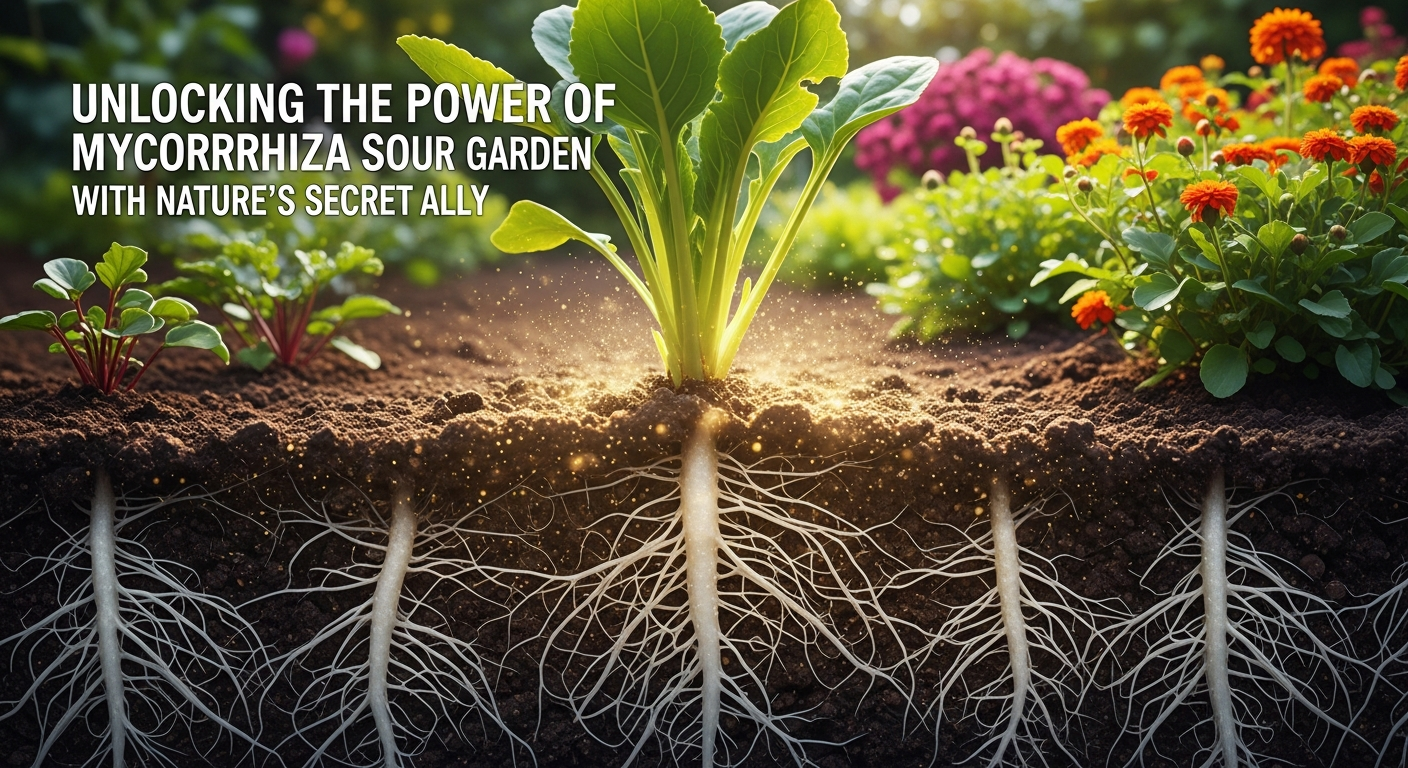
For countless centuries, mycorrhizal soil has provided plants with a rich source of nutrients and support, while helping to shape and build the earth's ancient soils. Like many of the crops we grow today, the presence of these beneficial micro-organisms creates an environment where crops can thrive.
When beneficial fungus establishes a symbiotic relationship with plant roots, it aids in the absorption of nutrients (such as phosphorus, nitrogen, and various trace minerals) much more efficiently than the roots can do so without the aid of the fungus. These connections provide for optimal nutrient absorption.
Additionally, these beneficial fungi are capable of enhancing soil structure, promoting better plant health, and supporting a plant's ability to successfully develop roots from day one. Therefore, adding mycorrhizal fungi to your garden to maximize your success when growing vegetables, flowers, fruit trees, or houseplants can provide amazing results. Many gardeners may wonder how much mycorrhizal fungus to use; it is important to know that only small amounts of it will yield large benefits for plants in such a short amount of time because of enhanced root systems and improved overall growth.
Understanding Mycorrhiza Soil: What Makes It Special?
Mycorrhiza soil is made up of living biological organisms, which includes fungi that help plants grow healthy and strong. Just as babies are fed nutritious foods during their early development so that they can grow and develop normally, so too will Mycorrhiza Soil help improve the root systems of plants.
Mycorrhiza works for all stages of a plant's lifecycle, including seedlings and young plants, and also mature plants, so it is safe and effective, and can have a long-term benefit on the health of soils. A single cupful of this enriched soil contains thousands of spores from beneficial fungi, which will create an underground root-fungal relationship to support and encourage your plant's growth.
What Is Mycorrhiza Soil and How Does It Work?
Mycorrhiza soil is made by mixing soil or a grow mix with mycorrhizae. Mycorrhizae link with plant roots to improve plant growth.
1. Mycorrhiza Soil Includes Beneficial Fungal Spores
Mycorrhizae spores come to life when they find a developing plant root.
- They attach to the root's outer covering
- Create a system of root-like fibers (hyphae)
- Improve the ability of plants to find essential nutrients in the soil.
- Mycorrhizae provide more access to key nutrients such as phosphorus for plants.
2. Mycorrhiza Creates a Nutrient Transport System.
Similar to how mycorrhizae extend the root systems of plants:
- Instead of having to reach down to get water or nutrients, mycorrhiza can grow far away from the plant's root and obtain locked nutrients and water.
- Mycorrhiza improves the soil's aeration properties
- Mycorrhiza provides numerous other important benefits to both indoor and outdoor plants, including:
Increasing Biological Activity and Health of Soil Life
As humans require good digestion to utilize the nutrients in food, mycorrhizae support and stimulate biological activity within the soil by:
- Supporting beneficial bacteria in the soil.
- Facilitating the breakdown of organic matter in the soil.
- Promoting natural soil re-growth.
The Symbiotic Relationship Between Plants and Mycorrhizal Fungi
Mycorrhizal fungi and plants are mutually beneficial partners in nature.
1. Nutrient Exchange and Food
Plants produce carbohydrates through photosynthesis for mycorrhizas. Mycorrhizas provide plants with additional food by supporting the growth of phosphorus, nitrogen, magnesium, calcium and trace minerals.
2. Mycorrhizal Root Colonization Creates Stronger Plants
Mycorrhizal fungi will colonize the roots, providing an added layer of protection. By colonizing plants with mycorrhizas the plants are able to increase the development of their roots while also increasing their ability to absorb the nutrients in soil and to create plants that are more tolerant to drought.
3. Protecting Plants From Environmental Stress
Soil mycorrhizas are an excellent example of how mycorrhizas naturally boost the immune system of the plants. They can aid the plant in surviving environmental stresses, such as heat stress, drought, low soil fertility, transplant shock and the effects of selected soil-borne diseases.

Why Soil Mycorrhizae Are Essential for Modern Gardening
Mycorrhizal Fungi are important for sustainable gardening because they can naturally increase the strength of your plants without using any chemicals.
1) Decrease Use of Chemical Fertilizers
Mycorrhizae help the plant absorb more nutrients from the soil, which means gardeners will not need as many chemicals applied to their gardens. This is a great choice for:
- Organic farms
- Eco-friendly home gardens
- Long-term preservation of the soil.
2) Improved Growth in Bad Soil Conditions
Mycorrhizal soils can improve the quality of:
- Sandy soils
- Clay soils
- Soils with High Salt Content
- Soils that have been over-used
3) Support for Healthy Root Development
The roots of a plant grow better when they have mycorrhizal fungi attached to them because this allows the plant to:
- Go deeper into the soil.
- Get nutrients that are not readily available in the upper soil layers.
- Develop more vigorous roots that can survive longer.
4) Providing Plant Resilience in Changing Weather Patterns
Mycorrhizal fungi will help the resiliency of plants during:
- Periods of extreme heat or drought, such as summer heat waves.
- Periods of uneven rainfall and/or rainless periods.
- Periods of low water supply.

The Science Behind Mycorrhizal Fungi and Plant Health
Mycorrhizal Fungi are one of the most powerful partners for soil that nature has created to support the growth and health of plants through increased strength, resilience, and nutrition. They grow as mycorrhiza in the soil and have a symbiotic relationship with plant roots helping them absorb more nutrients; give their immune systems a boost; and increase and strengthen all functions of the soil ecosystem. Mycorrhizae in soil act very much like a support network under the ground and create a web of microscopic threads that increase dramatically the way plants access water and essential nutrients. These two partners working together beneath the surface of the soil result in producing soils that are healthier; produce more; and help plants withstand challenging conditions.
How Mycorrhizae Improve Nutrient Uptake and Root Growth
By attaching themselves to roots of plants and spreading out their presence over an extensive network of fungal filaments called 'hyphae,' Mycorrhizal fungi serve as an extension of the plant root systems that help the plant absorb vital nutrients that would otherwise remain unavailable. Mycorrhiza greatly increases plants' ability to absorb nutrients (especially in low to very compressed soil) making the plants healthier, more vigorous and able to thrive.
- Mycorrhiza can increase the effective root area of a plant by up to 100-fold.
- Helps obtain previously unreachable nutrients from very deep into the soil.
- Encourages young plants (during the time of critical first growth) to germinate and become established.
- It assists growers with knowing how much mycorrhizal fungus to seed into soil based on the size of their seed/plant.
What Mycorrhiza Does for Plants
Mycorrhizal fungi excrete enzymes from the hyphae that can convert soil minerals into forms available for plant use. They also act as a protective barrier against disease and harmful microbes that could harm the roots of plants. Transplants from seeds and new plants will experience less transplant shock and faster establishment of roots.
Phosphorus & Nitrogen Absorption Through Fungal Networks
Phosphorus is one of the hardest nutrients for roots to naturally access, but mycorrhizal fungi can help dissolve bound phosphorus and move it directly to the root. In sandy or nutrient-depleted soils, nitrogen availability is increased dramatically using fungal absorption networks.

Here are some key points:
1. The association between mycorrhizal fungi and plants help solve the problem of phosphorus lock up in alkaline or clay soils.
2. Mycorrhizae improve nitrogen use efficiency and, as a result, can help reduce fertilizer costs.
3. The addition of mycorrhizal fungi improves available levels of micronutrients such as zinc, iron and copper to plants.
4. Finally, the establishment of mycorrhizal fungi can help correct nutrient deficiencies through natural means.
Fungal hyphae serve as highways for nutrients. They transport both phosphorus and nitrogen directly into the root zone of the plant, enabling plants to survive in nutrient-poor soils while decreasing their reliance on synthetic fertilizers. Also, if growers have a better understanding regarding the appropriate amount of mycorrhizal fungi to incorporate into their soil, they will have greater success establishing more efficient fungal growth and thus experience the long-term consistent benefits of having mycorrhizal fungi present in their soils.
Mycorrhizal Role in Strengthening the Soil Microbiome
The continued existence of healthy soils is entirely reliant upon the symbiotic existence of millions of microorganisms that work collectively within healthy soils. Mycorrhizal fungi serve as the structural architects of the entire soil ecosystem and are instrumental in improving the soil structure, diversifying the soil microbiological population and stabilizing organic matter. Mycorrhizal fungi form networks of mycelia that connect and bind soil particles together into aggregate-like formations, which create more aerated and moisture retentive soils with good rooting capabilities.
The Major Benefits of Mycorrhizal Fungi:
- Creates living, healthy soil by increasing the number of beneficial microbial species present, thus creating a healthy microbial community within it.
- Improves soil quality by increasing the amount of water retained in the soil, decreasing soil erosion potential, and enhancing the soil's texture.
- Protects crops from disease-causing organisms by encouraging competition among beneficial fungi and thereby decreasing their prevalence.
- Converts an unproductive or dead soil into a productive and sustainable environment for producing crops.
What Does This Mean for You? Mycorrhizal fungi form an important part of creating and maintaining an environment where plants grow well and produce food that is nutritious and plentiful for humans and animals. Mycorrhizae form a strategic partnership with plants and are considered the "gold standard" for restoring degraded landscapes and increasing the productivity of crops naturally through organic means
Key Benefits of Using Mycorrhiza Soil in Your Garden or Farm
Mycorrhizal Fungi Is A Type Of Fungi That Forms A Living Bridge Between The Soil And The Roots Of Plants Though Mycorrhizal Fungi Can Help The Plant To Absorb More Nutrients, Retain More Moisture And Are More Resilient In A Variety Of Environments(A Well-Prepared Soil Is Practically A Living Organism).
Mycorrhizal Fungi Provide A Number Of Different Benefits That Are Each Unique To Their Type And Function Therefore, The Mycorrhizal Fungi Of The Soil Will Provide The Plant With All The Necessary Functions For Optimal Development As Well As Healthy Soil And Future Productivity.
Increased Plant Yield and Faster Growth
Mycorrhiza Boosts Plant Growth: Mycorrhiza Soil helps increase the ability of plant roots to absorb available nutrients and water. These improvements in the root system create larger and stronger stems, larger leaf count and ultimately larger harvests.
How It Works : The soil mycorrhizae allow the roots of the plant to increase their ability to expand through the soil, which helps the plant to create a strong root system in its early life.
Benefits of Mycorrhizae:
- Up to three times the normal amount of root surface area, thus providing greater opportunity for the plant to find nutrients and water in a greater depth of soil.
- Mycorrhizae provide the plants with better access to important nutrients, especially phosphorus, nitrogen, and several important micronutrients.
- Mycorrhizae provide faster establishment when transplanted, as roots can adapt much faster than normal.
- Mycorrhizae enable greater numbers of flowers and fruits from vegetables, annual and perennial flowering plants, as well as fruit trees.

Enhanced Drought Resistance and Water Efficiency
Mycorrhizae (Fungal very rapid growth and establishment of mycorrhizal networks), provides a similar result as mycorrhizae in the example of Foxtail & Barnyard Millet above.
Why do mycorrhizae protect plants? In the same fashion that Barnyard millet sows the seeds for healthy gastrointestinal tracts, mycorrhizae enable plants to survive conditions that would otherwise be stressful to them; conditions such as high temperatures (100 degrees plus) or reduced moisture availability.
Specific Advantages of mycorrhizae:
- Tiny hyphae (roots of Fungi) pull moisture from lower soil levels & provide a source of moisture for growing plants.
- Plants can go without water from 20% – 30% longer intervals than they would need to if they were not associated with mycorrhiza.
- Roots of plants will absorb more moisture when they are grown in association with fungal mycorrhiza.
Soils that are sandy, dry or otherwise poor in nutrients, can still retain their structure & hold moisture, resulting in a soil type that will remain stable during periods of prolonged drought.
A Sustainable and Chemical-Free Gardening Solution
Mycorrhizal soil provides an eco alternative to heavy chemical fertilizers. Gardener will enjoy healthier plants, soil, and the environment by using Mycorrhizae.
How mycorrhiza works. (Inspired by the clarity of purpose in the millet)
The various benefits of using Mycorrhiza are:
- The mycorrhizal soil nurtures growth in plants naturally.
- Mycorrhizal soil reduces the use of chemical fertilizers by up to 50% while also improving soil's ability to support healthy plant life naturally via biological activity.
- Mycorrhizal soils continue to improve soil health by supporting stable aggregates of soil that provide long-term structures for soils and improvements in organic gardening methods as well as regenerative farming techniques.
Edible plant use: Mycorrhizal soil is completely safe for pets, children and adults to consume as well as work with when caring for their plants.

How to Apply and Incorporate Mycorrhiza Soil for Maximum Results
Mycorrhizal soil is a simple but powerful way to promote healthy plant growth, create better soil structure, and develop strong root systems. The optimal way for mycorrhizal fungi to grow is through direct contact with the roots of plants; this allows the fungi to colonize the roots rapidly and form a network of nutrients underground. The proper application of mycorrhizae to new seedlings, repotted houseplants or large garden beds will give the plants maximum benefit from this live product. Even a small amount of mycorrhizal soil applied properly will greatly increase a plant's ability to absorb nutrients, retain moisture, and be more resilient to environmental stresses.
How Much Mycorrhizae to Add to Soil for Best Results
The nutritional value of each kind of millet is different, and this difference will affect how much mycorrhizal fungus is needed to support the cultivar when grown. When mycorrhizal fungus establishes a symbiotic relationship with the roots, it will grow and spread outwards. Therefore, it is important that the initial inoculation be located close to the root zone, as a small quantity will produce significant results if allowed to develop freely.
- Mycorrhizal fungi will self-perpetuate through root growth, so starting with less than the maximum number of species is advisable, as they will multiply naturally.
- More is not necessarily better; however, applying too much will not necessarily lead to a larger population.
- You should focus on achieving direct root contact to maximize "colonization" of the mycorrhizal fungus.

Application Methods for Pots, Beds, and Farmlands
The various types of millet correlate to the different stages of a baby's growth process, and likewise, each different type of garden requires a different way to apply Mycorrhizae to the soil. Whether planting in small nursery pots or in large ag fields, the same goal is achieved; encouraging the fungi to make contact with the roots of the plant.
1.Potted Plants (Indoors and on Balconies)
Potted plants receive some of the most significant benefits from soil mycorrhizae since the potted plants are typically planted in very small amounts of soil.
To apply Mycorrhizae to a potted plant:
1.Sprinkle the Mycorrhizae into the planting hole according to the manufacturers recommendation.
2. Place the plant in the hole gently so that its roots come into contact with the Mycorrhizae.
3. Water the plant lightly to activate the fungal spores.
There are several advantages to using Mycorrhizae for potted plants, including:
• Improved ability to hold nutrients
• Faster root development
• Reduced transplant shock
Mixing Mycorrhiza Soil with Compost or Potting Media
The spread of Mycorrhizal fungi in the uppermost layer of soil facilitates the establishment of Garden Bed.
Steps:
- When preparing a bed for planting, amending the top 2 - 3 inches of the soil with the Myc or other Mycorrhiza products.
- Adding further Mycorrhiza products into the hole where seedlings were transferred.
- No chemical fertilizers should be applied in the first 1-2 weeks.
Benefits:
- Increased Harvest
- Expanded Root Depth and Strength
- Improved Drought Resistance
Use of Mycorrhizal fungi within Suitable Farmland (Large Scale Agriculture)
In sustainable agriculture it has been shown, through research and practical applications, that mycorrhizae are able to substantially reduce the need for chemical inputs.
Methods:
- Coating seeds with Mycorrhizal powder prior to planting. May be used alone or in conjunction with Fertilization or Seed Coating.
- Broadcasting on soil surface prior to planting. Suitable for Uniform Application of Mycorrhizal spores onto previously prepared soil.
- Dipping seedlings into Mycorrhizal solution before planting.
Benefits:
- Increased Phosphorous uptake from Soil
- Increased Yield and Reduction of Fertilizer Requirements
- Continued Improvement of Soil Quality
Combining Mycorrhizal Soil with Compost or Potting Mix will enhance Soil Nutritional Value and increase overall Soil Health by enabling the even distribution of Fungi and by providing various sources of Nutrients and Bacteria required for Long-Term Soil Health.

Troubleshooting and Best Practices: Getting the Most from Mycorrhizal Amendments
The most effective use of mycorrhizal amendments is to use them correctly, which requires a basic understanding of how they behave in the soil. Just as with other beneficial organisms that provide benefits to the plant and require a carefully monitored environment, mycorrhizae must have a proper environment and the correct application method for successful colonization of the root zone of the plant. Regardless of whether they are granular, powder, or liquid, knowing how much to add, when to apply, and how to care for the soil following application helps to ensure that plants remain healthy and grow vigorously over the long term.
Common Mistakes to Avoid When Using Mycorrhizae
1. Dry soil inhibits fungal development and prevents roots from attaching to the mycorrhizal fungi.
- Mycorrhizal fungi need an active, moist root zone for establishment.
- For this reason, always moisten soil prior to and immediately after the application of mycorrhizal fungi.
- Dry soil conditions may significantly delay or completely impede the growth of mycorrhizal fungi.
2. Avoid covering mycorrhizal fungi too deeply in the soil, as they must be in contact with the original plants' roots to thrive.
- When applying mycorrhizal fungi, place them adjacent to the root mass of either a seed or seedling or in close proximity to the planting hole.
- Overmixing mycorrhizal fungi in the soil dilutes their effectiveness and reduces colonization.
3. Over-dosing mycorrhizae is common among inexperienced gardeners.
- Many gardeners are of the mistaken belief that a greater quantity of mycorrhizae means higher effectiveness.
- However, mycorrhizae work primarily through direct contact with the roots of the host plant, not through the total quantity of mycorrhizae present.
- A recommended dose will benefit the plant in terms of establishing a beneficial relationship with the fungus.
- Using more than the recommended amount does not hurt the plant, but it also does not provide any additional benefits.
4. Systemic fungicides kill mycorrhizal fungi.
- Therefore, do not use systemic fungicides with mycorrhizal fungi during planting.
- If a systemic fungicide is necessary, apply it 2-3 weeks prior to or post-application of mycorrhizal fungi.
5. Mycorrhizae cannot live without plant roots.
- The mycorrhizae need plant roots to live off of and multiply.
- Therefore, do not apply mycorrhizae to an empty soil bed weeks before planting will occur.
Fertilizers & Pesticides Compatible with Mycorrhiza Soil
Utilizing compatible fertilizers and pesticides will help ensure that your soil mycorrhiza continue to support your plants for many years to come.
1. Stay Away From Harsh Synthetic Pesticides
- The application of harsh synthetic pesticides will destroy the natural fungal networks present in healthy soil.
- Fungicides such as neem oil or herbal extracts should be your first choice, a better alternative.
- It is also better to avoid applying root drenches of synthetic pesticides.
2. Use These Products Without Hesitation
- Compost, vermicompostd
- Fertilizers derived from ocean plants
- Humic and fulvic acid
- Bio-fertilisers, Azospirillum, Rhizobium, PSB
These products support and enhance the growth of soil-fungal systems and improve the performance of mycorrhizal fungi
3. Apply Fertilizers After a Delay
- Fertilizers should be applied to plants about 10 to 15 days after the initial application of mycorrhiza. This delay allows the mushrooms ample time to colonise the roots before the addition of nutrition.

How to Maintain Healthy Soil Biology for Long-Term Benefits
Soil ecosystems support the growth of soil mycorrhizae in each year, by providing the food for them and allowing them to continue reproducing without required repeated applications when soil is biologically active.
1. Add Organic Matters to the Soil on a Regular Basis.
Beneficial microbes are fed by organic matter.
The structure of compost, leaf mold and manure creates structures that create a rich habitat for the fungi that live in the network.
2. Limit Disturbance to Soil (Low or No-Till)
- In a tilled soil, fungal hyphae have been destroyed.
- Try mulching instead of digging.
- The ability of fungal hyphae to connect with and transport nutrients is maintained by the long hyphae being preserved.
3. Maintain Soil Moisture Levels Consistent.
- Fungal activity will require consistently moist soils.
- Avoid overly-dry soils for prolonged periods.
- Mulching the soil will help to keep the soil consistently moist for the survival of fungi.
4. Use Crop Rotation and Diversity in Planting.
- Fungi receive food from different sized root systems at different times.
- Using crop rotation to maintain soil biology fitted.
- Fungi multiply faster with diverse root systems.
5. Reapply Mycorrhizae as Required.
- Mycorrhizae populations will fall over time due to adverse soil conditions or use of chemicals.
- Every 1 2 years mycorrhizae should be re-applied (its an extra cost) to ensure highest performance in growing mycorrhizal crops in pots, and when planting new crops in gardens, mycorrhizae should be re-applied.
- It is important to calculate the total quantity of mycorrhizae required based on the plant size before adding to the soil.
The Future of Gardening: Why Switching to Mycorrhiza Soil Is a Game Changer
Soils with mycorrhizal fungi have recently become an essential aspect of contemporary horticulture. Mycorrhizal fungi offer a means of naturally supporting the plant's growth, producing abundant and healthier plants that are stronger and more resilient. As a result of the growth of Sustainable Gardening, soil mycorrhizae provide Living Solutions (e.g. mycorrhizae) to assist with improving the availability of essential nutrients in the soil, enhancing the ability of plants to develop strong root systems, and minimizing reliance on chemical inputs (e.g. nitrogen fertilizers). Therefore, soils containing mycorrhizae are a tremendous asset to anyone who is interested in having a healthy, environmentally friendly garden with optimal productivity.
Mycorrhiza Soil in Organic & Sustainable Farming
The beneficial fungi in mycorrhizal soils create a unique 'living soil' that supports soil structure improvement and microbial diversity enhancement. Mycorrhizal fungi are able to facilitate nutrient uptake for growing plants due to their natural root extensions (hyphae), and therefore, in a natural way, support the development of healthy plants without the use of synthetic fertilizers.
Mycorrhizae soil is very important to organic growers; mycorrhizae soil can promote long-term soil health and soil erosion reduction, as well as improved water retention and increased yields from crop harvests while also being kind to the environment.
1. Improves the Accessibility of Natural Nutrients
By accessing essential nutrients including phosphorus, zinc, calcium, and nitrogen, mycorrhizal fungi enable growing plants to absorb nutrients through more efficient methods than applying chemical fertilizers.
2. Increases Plant Establishment and Stability
The extensive roots that mycorrhizae form help provide plants with support, especially during dry spells or droughts.
3. Helps Growers Move Toward Environmental Sustainability
The healthy life-cycle of mycorrhizal soil means that, as long as they are properly maintained and kept in healthy soil environments, their use will allow growers to develop healthy, regenerative agricultural systems.

Reducing Chemical Inputs Naturally
Transitioning to utilizing mycorrhiza-based soil significantly reduces chemical pesticide and fertilizer usage whilst helping to develop the ability of the plant to naturally defend against pests and pathogens. Mycorrhizal fungi create a boost to the plant's immunity and help develop the efficiency of nutrient absorption and improve the overall health and life of the soil which allows the plant to thrive without the use of harsh chemicals.
The use of mycorrhiza soil is rapidly being adopted in the low-input farming sector. Farmers are creating a farming model where Mother Nature will do the majority of the farming while farmers continue to reduce their reliance on chemicals.
The mycorrhizal network provides the following agricultural benefits to the garden:
1 – Helps Protect Plants From Disease
Plants that have strong mycorrhizal root systems have reduced risk of developing soil-borne diseases. Mycorrhizal fungi provide a barrier of protection around plant roots reducing the chance of becoming infected with fungal pathogens. This applies to many plants such as tomatoes, peppers, roses, and many fruit trees.
2 – Reduced Chemical Fertilizer Use
Mycorrhizal soil provides access to the nutrients that already exist in the soil, helping plants effectively utilize those nutrients and thereby reducing how often and how much fertilizer must be applied. This is helpful for gardeners that prefer to grow in a chemical-free manner.
3 – Increased Water Efficiency Results in Less Water Usage
Mycorrhizal root systems can store water for longer periods of time, thereby decreasing water needs through irrigation. This is beneficial to gardeners in areas that are prone to drought, as well as to gardeners growing in containers. This saves time, effort, and resources.
Restoring Soil Health Through Fungal Partnerships
Modern agricultural practices have caused soil to become overworked, compacted and depleted of nutrients. In creating a new ecosystem from damaged soils, Mycorrhiza Ventures is reintroducing mycorrhizal fungi as "beneficial." When they are reintroduced into the soil, these beneficial organisms promote an increase in organic matter (fertility) and rebuilds the biological balance in soils for sustainable soil stocks.
As a result, the use of mycorrhizal fungi in the restoration of drylands, abandoned gardens and exhausted agricultural lands.
Rebuilding Soil Structure and Pore Space
- Mycorrhiza creates tiny channels that increase movement of air and water through the soil.
- The tiny microorganisms in mycorrhizae also break up compacted soils, restoring their ability to hold moisture and retain nutrients.
- They are particularly appropriate for clay soil and waterlogged soils.
Increasing Microbial Diversity in the Soil
- Soil health depends on microbial activity, and mycorrhizal fungi help increase the microbial population in the soil.
- They increase population density of beneficial bacteria, earthworms and other microorganisms.
- Mycorrhizal fungi help create a balanced food web that supports long-term soil health.
Supporting Plant Health in Low to Degraded Soils
- Mycorrhizal fungi connect to nutrients found in lower soil horizons, where plants cannot reach them.
- They help establish vegetation, enhance landscaping projects and support organic farming practices.
- Gardeners can achieve successful results when they understand how to use mycorrhizae as soil amendments to stimulate plant growth.

FAQ's
Q1. What is mycorrhiza soil and why is it beneficial?
Mycorrhiza soil contains beneficial fungi that attach to plant roots and improve nutrient absorption, root growth, and overall plant health.
Q2. How much mycorrhizae to add to soil for new plants?
Usually 1–2 teaspoons per plant root zone or 1–2 tablespoons per gallon of soil is enough—only a small amount is needed.
Q3. Can I use soil mycorrhizae with chemical fertilizers?
Yes, but avoid high-phosphorus fertilizers as they can reduce fungal activity; use mild or organic fertilizers instead.
Q4. How long does mycorrhiza stay active in soil?
Mycorrhiza can stay active for the plant’s entire lifetime if roots are alive and the soil remains undisturbed.
Q5. Do all plants respond to mycorrhiza soil?
Most plants benefit, but a few species—like spinach, beetroot, and members of the cabbage family—do not form mycorrhizal relationships.
Q6. Can I mix mycorrhiza with compost or potting mixtures?
Yes, mixing it into compost or potting soil helps fungi reach the roots quickly and enhances soil performance.
Q7. Is mycorrhiza soil safe for organic gardening?
Yes, mycorrhiza soil is 100% natural, safe, and widely used in organic and sustainable gardening practices.
Conclusion: Experience Thriving Plants—Make the Smart Switch to Mycorrhiza Soil Today!
Using mycorrhizae as an addition to the soil of your garden or farm is one of the most intelligent and sustainable additions that you can make. Mycorrhizae produce their own nutrients through the process of photosynthesis and also have a symbiotic relationship with the root system of plants. This means that they will help improve growth and many other things associated with the plant, including nutrient absorption and structure of the soil; however, they will also provide long-term benefits to the plants because of the relationship.
The most astonishing aspect of mycorrhizal soil is the ability to change totally depleted, compacted, or nutrient-poor soils to living, dynamic, fertile ecosystems. By reintroducing "good fungi," you create a healthy "food web" within the soil, thus returning biological diversity to the soil. This also helps to return organic matter and create a fertile environment for plant growth. Whether you cultivate your own yard or run a large-scale crop farm, adding soil mycorrhizae can greatly reduce your reliance on synthetic fertilizers and allows for improved long-term health for the soil you work.
With a small amount of inoculation, once you learn the correct amount of mycorrhizae to use in the soil, you will give your plants an excellent natural way to give them a boost throughout their entire lifecycle. You will see faster root establishment, better yields, and plentiful quantities of plants that you have helped to grow.