
Importance of Trichoderma in Agriculture for Healthy Soil and Crops
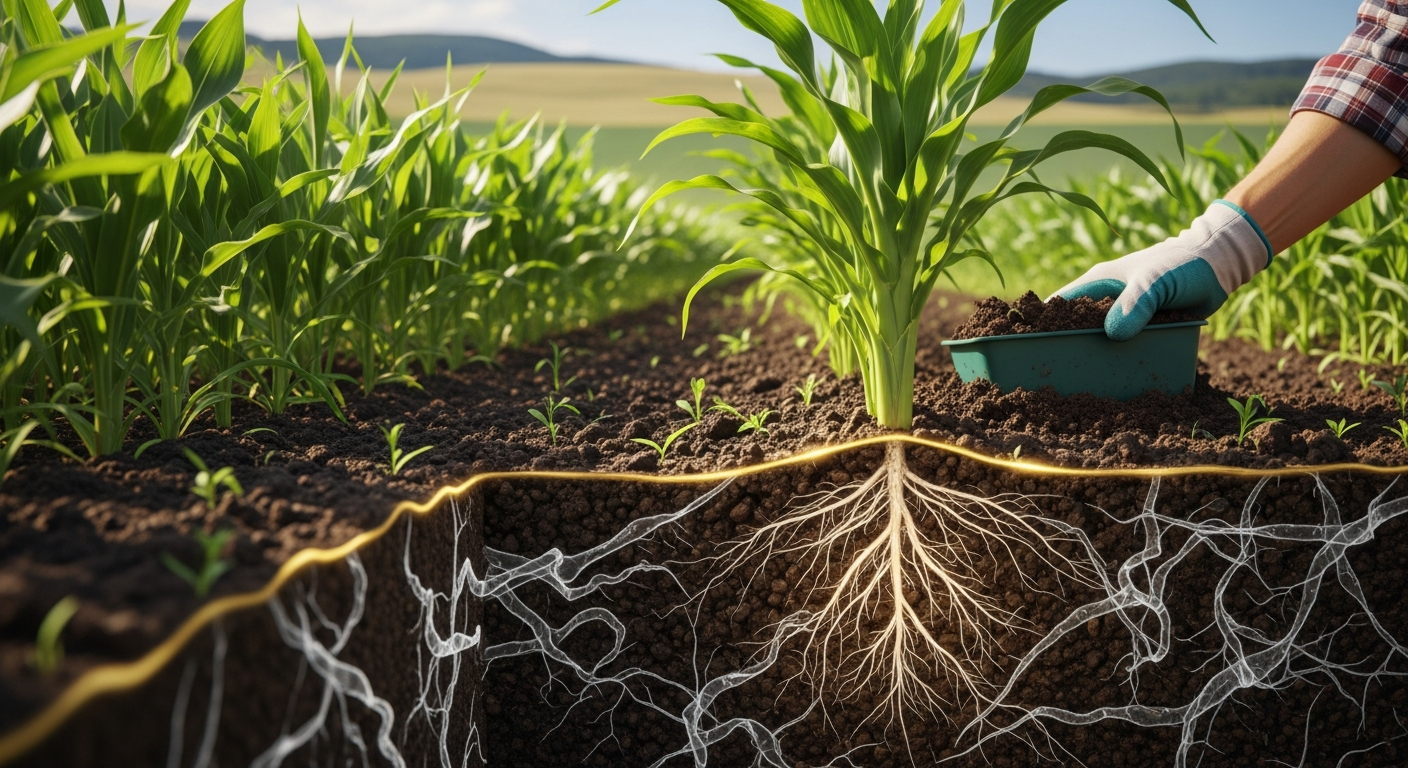
Trichoderma is a beneficial microorganism that occurs naturally in the soil of agricultural fields and has been supporting crop production and soil health for hundreds of years. Trichoderma has been recognized as important by farmers and researchers alike due to its critical role in the protection of plants, increasing soil fertility, and helping to maintain a balanced soil ecosystem.
Trichoderma, being rich in beneficial microbial activity, works in the immediate vicinity of the roots to promote root strength, improve absorption of nutrients by the plant, and to inhibit the growth of disease-causing soil-borne microorganisms. When discussions of beneficial microorganisms and Trichoderma are made together or when Trichoderma is described along with beneficial bacteria in agricultural contexts, the purpose is to show that it is one of many beneficial microorganisms that work in conjunction with other beneficial microbes to support the crop naturally without adversely affecting environmental conditions of the soil.
The many advantages of Trichoderma as a natural product contribute to its being an important tool in Sustainable Agriculture, with applications ranging from grain crops (cereal and pulse crops) to vegetable, fruit, and horticultural crops, as it improves crop health and yield and reduces reliance upon chemical fungicides. The same way that millets supply nourishment to the human body, Trichoderma provides nourishment to both crops and soil, and provides the foundation for producing healthier crops and for long-term agricultural productivity.
Understanding Trichoderma Bacteria and Its Importance in Agriculture
Modern Agriculture has been greatly impacted by Trichoderma Bacteria. By improving Soil Health, helping to Protect Crops from Disease, and supporting Sustainable Farming, the benefits of Trichoderma Bacteria in the Agricultural Setting are Significant. Although it is Technically a Fungus, Trichoderma is normally Classified as a "Beneficial Microbe" and is often Incorrectly referred to as "Trichoderma Bacteria" in farming Applications due to its location and Type of Activity as a Microbe in the Soil.
By having an Understanding of how Trichoderma Works and the Reasons Why it is Important, Farmers can make Better Choices for Healthy Products and Long-Term Soil Fertility.
What Is Trichoderma Bacteria in Farming Systems
In The Agricultural Setting, Trichoderma Bacteria are the Beneficial Microbial activity of Trichoderma in the Soil Ecosystem. The Bacteria Live on the Root System of Plants (Rhizosphere) and Actively Protect Plants from Other Disease while also Improving the Growth Environment for Plants.
Trichoderma Bacteria Provide Vital Assistance to Farmers in the Following Ways:
- Colonize the Root Zone to Create a Physical Barrier Against disease
- Naturally Suppress Soil-Borne Diseases
- Help to increase Nutrient Availability for Plants
- Stimulate Root Development and Increase the Vigor of Plants
Trichoderma Bacteria Provide Farmers with an Alternative to the Chemical Fungicides, Which Provides Safety in Use Throughout Multiple Seasons of Planting/Cropping.
Key Characteristics That Show the Importance of Trichoderma
Trichoderma provides an abundance of unique biological properties that provide crops and soil with direct benefits. The presence of these traits has made Trichoderma one of the most trusted forms of biological inputs in agricultural practice.

Different Species of Trichoderma Used in Agriculture
Depending on the type of crop, the condition of the soil, and the requirements of the farmer and the farming operation, there are different species of Trichoderma that are used. Each of these species has particular benefits, thereby making Trichoderma a versatile solution for many problems in Agriculture.
Trichoderma
- Has wide usage for Disease control
- It has good effectiveness with vegetables, fruits, and Nursery Crops.
Trichoderma viride
- It promotes healthy Root development.
- It's commonly used with Cereals, Pulses and Oilseeds.
Trichoderma asperellum
- Helps Improve Stress Tolerance.
- It is primarily used in Horticulture and for High value crops.
Importance of Trichoderma in Soil Health and Fertility Management
The foundations for productive farming and healthy soil are both created by Trichoderma and allow farmers to create healthy productive soil for their crops without negatively impacting contamination or nutrient cycling of their soils through the use of Trichoderma. Trichoderma's support also includes the protection of root systems from disease-causing organisms, providing an extended lifetime of balance in biological and physical conditions, and therefore allowing for sustainable farming practices that provide ongoing, healthy crop production without degrading either the quality of soil or productivity of crops through the use of Trichoderma.
How Trichoderma Improves Soil Microbial Activity
Trichoderma interacts with the indigenous microbiome in soils and is consistently promoted to be an important partner of microbial life, as it creates a balance of beneficial fungi and bacteria. Trichoderma also plays an important role in increasing the biological activity within the root zone.
What Are the Main Ways That Trichoderma Increases Microbial Activity?
- Encouraging the growth of beneficial soil microbes
- Suppressing the growth of pathogenic fungi through natural competitive mechanisms
- Producing enzymes that degrade organic matter
- Increasing the number of root-microbe interactions in the rhizosphere
Why Is This Important?
The increased amount of beneficial microorganisms in the soil leads to healthier plant roots, more efficient uptake of nutrients from the soil and enhanced resistance to disease.
Role of Trichoderma in Nutrient Availability
A major practical benefit offered by Trichoderma is that it helps to make nutrients more accessible to the plants. The function of Trichoderma is to break down the more complex nutrients found in the soil into a more usable form for plants, which in turn aids with the improvement of fertilizer application efficiency.
Trichoderma also provides fertility benefits to the soil through:
- The solubilization of phosphorus and micronutrients
- The improvement of nitrogen fertilizer use efficiency
- A faster breakdown and decomposition of organic matter
- Decreased nutrient lock-up

Long-Term Soil Fertility Through Trichoderma Use
Continual use of Trichoderma will allow for an improved soil structure, organic matter and a biologically resilient soil. Chemical inputs will only provide short-term solutions to the soil's health; however, Trichoderma will build healthy soil year after year.
Benefits for Long-term Fertility:
- Increased aggregation and structure of the soil
- Increased organic carbon in the soil
- Reduced disease pressure due to soilborne pathogens
- Less dependency on synthetic fertilizers and fungicides
Key Takeaways:
As Trichoderma keeps the soils in an active and nutrient-balanced state, it provides sustainable production and can be expected to create healthy crops over multiple growing seasons.
Importance of Trichoderma in Plant Growth and Root Development
Trichoderma has a prominently positive effect on the health of air and plant growth in agricultural systems and on the resilience of crops. Trichoderma provides positive benefits to farming soils as a benefactor to plants through its colonisation within the root zone, and also provides enhancement to nutrient uptake, vaccine against soil-borne plant pathogens, and overall strength to the plant in its entirety. Trichoderma acts as a natural partner for all stages of crop growth through its ability to help protect the crop during preparation, establish a successful growing environment and develop into an economically viable farming practice through ongoing high-level sustainable yields.
Root Colonization by Trichoderma Bacteria
After being added to the soil, Trichoderma (or as is commonly known to farmers, Trichoderma) quickly spreads throughout the plant's rhizosphere (the area immediately adjacent to the stem and leaves) where it forms a protective coating on the surface of roots and in the surrounding soil. This coating provides physical protection for roots from attacks by soil-borne pathogens and thus protects the young plant as it first begins to grow and develop.
The key benefits of colonisation of roots by Trichoderma are the following:
- Establishes a physical defence barrier from soil-borne fungi.
- Competes with soil-borne plant pathogen microbes for available space and nutrients.
- Provides an increased surface area and greater branch density of the root system.
- Improved nutrient and water uptake.
Why It Matters:
The establishment of strong colonisation of roots by Trichoderma immediately protects a young plant upon establishment of colonisation and establishes a foundation for developing into a closely related, strongly developed, and sustainable crop.
Plant Growth Promotion Through Trichoderma
While Trichoderma provides additional benefits beyond protection, it also has a major influence on the promoting of plant growth by producing and releasing a variety of enzymes, organic acids and growth stimulating compounds; therefore improving soil nutrients, while accelerating plant growth rate and strength.
Mechanisms through which Trichoderma promotes growth include:
- The production of hormones that promote plant growth
- Increased available phosphorus and micronutrients
- Improved seed germination and emergence speed and vigor
- Increased uniformity of growth across the entire field.

Improved Stress Tolerance in Crops
One of the significant but lesser known benefits of Trichoderma is its ability to enhance the tolerance of crops to environmental stresses. Trichoderma increases root system stability and provides enhanced internal defense to protect plants allowing them to withstand adverse environmental conditions.
Some of the advantages provided by Trichoderma that enhance crop stress tolerance include:
- Greater protection from drought and heat stress
- Less injury from soil salinity
- More rapid recovery from diseases
- Improved yield variability under changing weather patterns
Agricultural Advantage:
By utilizing Trichoderma to treat crops, farmers are provided with an agricultural product that is much more resilient and consequently more dependable, which is especially critical during difficult growing seasons.
Trichoderma Bacteria as a Natural Biocontrol Agent
Today’s Farmer is focused on managing plant diseases without negatively affecting soil health. Trichoderma bacteria (or beneficial microbes) are an important, natural biocontrol product for agriculture. Trichoderma protects plants from Soil Borne Diseases and helps maintain a healthy balance in the ecosystem. As a naturally occurring organism in the soil, Trichoderma supports sustainable growth in plants, enhances rooting structure and promotes soil fertility for longer periods of time.
Disease Suppression and Pathogen Control
Trichoderma is a very popular pathogen suppressor through its strong ability to suppress the disease caused by pathogens using fungal pathogens (sometimes referred to as "disease-fighting fungi"). Trichoderma rapidly colonizes after application to soil or roots; this rapid colonization prevents other fungi from attacking plant roots via the pathogen.
How does Trichoderma manage diseases?
- Natural Enzymes-Trichoderma produces natural enzymes that digest pathogenic fungi;
- Competition-Trichoderma competes with pathogenic fungi for living space and food; and
- Protection-Trichoderma creates a protective barrier around the stem/root of the plant.
This is why this matters:
Trichoderma is listed as a viable option to reduce the loss of crops and the need for chemical fungicides; the true value of Trichoderma is in the sustainable farming ecosystem.
Trichoderma vs Harmful Soil Pathogens
Microorganisms are present in soil, both helpful and harmful. Trichoderma suppresses soil-borne diseases by inhabiting the root zone before harmful fungi infects the crop.
The main soil-born pathogens that Trichoderma can manage include:
- Fusarium
- Pythium
- Rhizoctonia
- Sclerotium
The main actions of Trichoderma consist of:
- It directly attacks the pathogenic fungi (mycoparasitism)
- It produces antifungal compounds
- It colonizes the rhizosphere quickly.

Eco-Friendly Crop Protection With Trichoderma
Trichoderma is one of the most significant eco-friendly options available for environmental stewardship. Trichoderma is a safe alternative to chemical pesticides for protecting crops and does not leave behind toxic residues or harm beneficial organisms in the soil.
Benefits of Trichoderma for the environment include:
- Trichoderma is non-toxic to soil organisms, earthworms and beneficial insects.
- Crops do not contain chemical pesticide residues when treated with Trichoderma.
- Crops can be grown using Trichoderma with both organic and natural growing systems.
- Stability of long-term soil health and crop durability is created with Trichoderma
Farmers choose Trichoderma for:
- Less reliance on chemical fungicides
- Support for sustainable and regenerative farming methods
- Natural improvement in crop quality and quantity.
Importance of Trichoderma in Sustainable and Organic Farming
Trichoderma, when used in sustainable and organic farming practices are regarded as an important part of maintaining crop protection against disease while also providing healthy soil and protecting environmental balance. Trichoderma acts as a natural protector of crops, promotes the growth of crops, and maintains healthy soil and promotes a resilient ecosystem. By maintaining the relationship of Trichoderma with soil microorganisms, Trichoderma contributes to long-term benefits of sustained food production and improved resilience, making Trichoderma an integral part of sustainable and organic farming.
Reducing Chemical Inputs Using Trichoderma
The major challenge for many farms today is the excessive use of chemical fungicides and insecticides for crop protection. Trichoderma can assist the farmer in reducing their reliance on these chemicals by providing the farmer with natural protection against disease-causing soil microorganisms, and in turn allowing the plant to produce stronger natural defenses against disease-causing soil-borne pathogens.
Trichoderma's role in helping farmers reduce chemical herbicide and insecticide applications:
- By competing with soil-borne disease-causing fungi in the root zone of the plant;
- Through the production of enzymes that degrade disease-causing soil-borne pathogens;
- By increasing plant immunity resulting in less incidence of disease;
- Reducing the need for the application of chemical fungicides and insecticides;
Because of these factors, by utilizing Trichoderma you will create healthier soils, lower the farmer’s input costs and produce safer food for the consumer while still producing equivalent or greater yields than they produced without the use of Trichoderma.
Role of Trichoderma in Organic Agriculture
Biological inputs are an integral part of organic farming practices, and trichoderma is one of the most trusted brands for organic production. Trichoderma acts upon the soil environment, making it a natural fit for use in organic farming systems that do not use chemicals.
Trichoderma's Role in Organic Agriculture
- Natural Biofungicide
- Provides Increased Nutrient Availability from Organic Materials
- Encourages Strong Root Growth
- Increases the Microbial Diversity of Soil
Crops Best Suited to Trichoderma
- Vegetables & Fruits
- Cereals & Pulses
- Spices, Plantations, Horticultural
Trichoderma has become an important component for many organic farmers and is readily available to organic growers, as it fits perfectly into the sustainable organic farming concepts of soil regeneration.

Environmental Benefits of Trichoderma Bacteria
Trichoderma is a type of fungus but is often associated with beneficial microorganisms and discussed in conjunction with some types of Trichoderma-related bacteria within agricultural applications due to the many positive ecological effects of Trichoderma. The use of Trichoderma benefits the restoration of the natural ecological balance and preserves our planet’s natural resources.
Some environmental benefits include:
- Less chemical runoff from agricultural fields into nearby bodies of water
- Enhanced quality of the soil structure organic matter
- Protection for beneficial insects/invertebrates, other organisms and the health of the soil
- Lower carbon footprint vs. chemical inputs
How to Apply Trichoderma Bacteria Effectively in Agriculture
Proper utilization of Trichoderma helps improve nutrient uptake and protect roots. Correct application will ensure Trichoderma is able to effectively colonize the soil and therefore protect root systems while increasing nutrient absorption; thus Trichoderma is an excellent partner for your crops and long-term soil health when used as prescribed.
Soil Application of Trichoderma
Soil is the preferred and most efficient method of introducing Trichoderma into the root zone (rhizosphere), where Trichoderma has many benefits including the suppression of soil-borne pathogens as well as the enhancement of total soil health.
Best Practices for Preparing and Applying Trichoderma
- Mix Trichoderma with organic matter such as compost, FYM or vermicompost.
- Apply Trichoderma when soil is prepared and/or near the plant’s root zone.
- Lightly water the soil shortly after applying Trichoderma to help activate the spores.
Benefits of Soil Application of Trichoderma
- Balances soil microbial populations.
- Encourages root system growth and size.
- Reduces root rot and droopiness by disease.
Seed Treatment With Trichoderma
Using seed treatment allows Trichoderma to colonize (attach) to the roots of a new seed almost immediately after germination. This is particularly useful for seed crops, such as cereals, pulses, vegetables, and oilseeds.
How to Treat Seeds:
- Mix Trichoderma powder with a limited amount of water
- Uniformly coat the treated seeds, then shade-dry before planting.
- Plant the treated seeds on the same day as coating.
Advantages of Trichoderma Seed Treatment:
- Higher germination rates
- More vigorous root development
- Less seedling death
Dosage, Timing, and Moisture Requirements
Proper Dosage and Timing of Applications gives Trichoderma the best opportunity to be successful in crops. An improper application or excessive application can result in diminished effectiveness.
Timing Applications
- Seeds can be treated at the time of seeding, transplanting, and early growth stages.
- Avoid applying during peak day-time hours.
- Early morning or evening are the best times to apply.
Moisture Requirements
- Soil should be moderately moist (not dry or saturated) for best results.
- Slightly irrigating the soil before and after application helps with colonization.
Why Is This Important?
When Trichoderma receives ample moisture and the correct timing to grow throughout the year, the crop will continue to receive long-term protection provided by the applied Trichoderma.

Future Importance of Trichoderma in Modern Farming Systems
The climate is changing, and farmers face many challenges to their farming system because of depletion of soil fertility and increased input cost; Trichoderma has the potential to play an ever-growing role within a modern agricultural system. The way so many people view Trichoderma today will change over the next few years, going from simply being considered one of many tools available for those who wish to manage diseases, to providing the foundation to build a durable soil, increase crop production and minimize/regulate the use of synthetic pesticides.
Climate-Resilient Farming With Trichoderma
Many farmers are seeing their crop production drastically impacted by the stress placed on the plants due to erratic weather created by climate change (drought, heat, etc.). Trichoderma provides a protective mechanism for crops to adapt to these stresses by helping to promote healthy root systems, which enhances moisture retention capability.
There are several specific ways Trichoderma assists in the development of climate-resilient agriculture, including (but not limited to):
- Increased length of roots and branching
- Improved ability to absorb nutrients and water under stress
- Improved resistance to soil-borne disease as a result of climate extremes
- Increased ability of plants to recover from drought and flooding.
Trichoderma supports crop production by creating and maintaining a healthy environment in the root zone where the crops can grow and produce regardless of the adverse effects of environmental stress.
Research and Innovations in Trichoderma Use
Recent research has uncovered how Trichoderma interacts with plants and soil microorganisms, as well as the benefits of using combinations of trichoderma with other beneficial organisms like bacteria. These studies will lead to improved performance of both the trichoderma and its partner organism in a variety of agricultural production systems.
Recent innovations in the use of trichoderma in agriculture include the following:
- Multiple-strain formulations of trichoderma
- Biosolids produced with trichoderma
- Trichoderma seed coatings and conditioner applications
These innovations have greatly improved farmers' ability to control plant diseases and enhance the growth of their crops, while at the same time increasing the health of the soil with a minimal amount of adverse impact to the environment.
Global Importance of Trichoderma for Food Security
The rapid increase in the global population is forcing the world to focus on providing food for this growing population. The use of Trichoderma in the production of food provides a natural way to increase plant- and animal-based food production and also provides the ability to maintain soil fertility for future generations. The worldwide benefits of utilizing trichoderma include:
- Greater yields of crops while using reduced levels of chemical
- Long-term improvement of soil health
- Safer food for consumers with lower amounts of chemical residues
- Increased support for locally produced organic and sustainable agricultural products.

FAQs:
Q1. What is the importance of trichoderma in agriculture?
Trichoderma improves soil health, protects crops from diseases, and enhances overall plant growth naturally.
Q2. Is trichoderma bacteria safe for crops and soil?
Yes, trichoderma bacteria is safe, eco-friendly, and beneficial for both crops and soil microorganisms.
Q3. Can trichoderma replace chemical fungicides?
In many cases, trichoderma can reduce or replace chemical fungicides by naturally suppressing plant pathogens.
Q4. Which crops benefit most from trichoderma?
Vegetables, cereals, pulses, fruits, and horticultural crops benefit greatly from trichoderma application.
Q5. How often should trichoderma be applied?
Trichoderma is typically applied every 20–30 days or at key crop growth stages for best results.
Conclusion: Embracing the Importance of Trichoderma for a Greener Agricultural Future
Trichoderma has become an increasingly important contributor to agriculture today because of the beneficial attributes that this non-pathogenic fungus possesses in providing natural ways to enhance soil health and to protect crops from disease as well as enhance plant growth.
In addition to supporting farmer’s growing practices, Trichoderma works in harmony with the existing soil ecosystem and enables farmers to reduce their reliance on synthetic chemical-based fungicides, helping them sustain crop yields throughout the growing season and to provide products that meet consumer demands while supporting farmer’s sustainability goals.
Agriculture’s transition toward sustainable farming will primarily rely upon the utilization of biological products, such as Trichoderma, to provide continued long-term soil fertility and plant resilience. Furthermore, Trichoderma provides an all-natural alternative; thus, it is one of the critical components in developing a cleaner and more sustainable agricultural future through healthier soils and more resilient crops.