

Unlocking the Power of Humic Acid for Your Garden: Why Every Gardener Should Use It
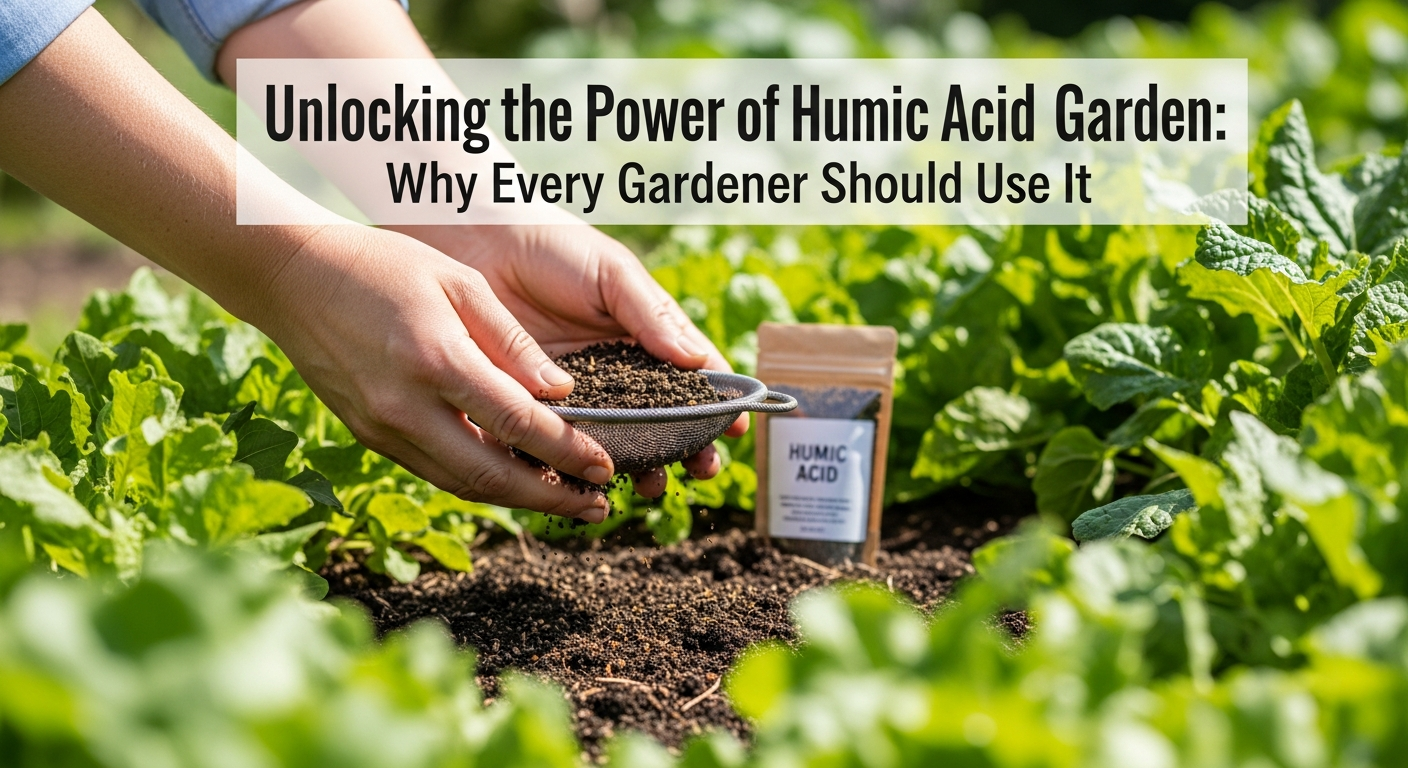
Humic acid, which is produced as a result of the gradual breakdown of plant and soil matter naturally over time, has been a traditional way to enhance soils through increased growth of the plants on them. Humic acid is a rich source of carbon, minerals and bioactive compounds and can be used in gardening to support healthy plant development by improving the physical structure of soil, enhancing the uptake of nutrients and providing for more vigorous growth in the garden. Plant growth, in farming, is dependent on having a nutrient-rich growing medium. So too is it true in your garden that humic acid is the nutrient-rich ingredient that provides the growing medium with all the nutrients it needs to support plant growth in the home.
The greatest benefit to using humic acid fertilizers in your garden is the enhanced availability of nutrients to the garden that doesn't rely on synthetic fertilizers. By binding nitrogen, phosphorus and potassium, for instance, to the humic acid, it has a longer residence time in the soil and provides greater availability to the root systems of the plants than without humic acid. The enhanced availability of these nutrients supports stronger rooting systems in the plants, shorter growing times for the plants, and unreasonable reductions in inputs (fertilizers) to the production processes. Humic acid contributes to deeper and improved root growth in vegetables, flowers, herbs or any type of plant for greater yields and better quality.
When you improve the texture of the soil through the addition of organic matter (humic acid), the water retention capability of the soil increases, the microbial activity of the soil increases and the long-term fertility of the soil increases through the application of organic matter into the soil, humic acid is an excellent additive to your garden.
What Is Humic Acid and How Does It Work in the Garden?
A naturally occurring organic material, humic acid comes from the natural decomposition of dead plant tissues and microorganisms over a long period of time. This material has become very popular as an effective organic additive to support farmers in their efforts to produce higher quality crops. In addition, humic acid benefits all plants by enhancing the overall structure of soils, increasing root growth, and assisting in plant nutrient uptake. Humic acid has a beneficial effect on degraded soil and promotes the establishment of a balanced growth environment for crops.
Understanding Humic Acid and Its Role as a Natural Soil Amendment
The use of humic acid promotes soil revitalization and soil fertility and is one of nature’s premier soil amendments used by farmers and gardeners.
Key Features:
⬥Aerates and Structures Soils
⬥Contributes to naturally Increasing Organic Matter Content in Soils
⬥Improved Water-Holding Capability in Sandy Soils
⬥Compacts Heavy Clay Soils
⬥Provides Long-Term Soil Conditioning Capabilities
Humic acid is referred to as the "mother" of fertile soil because it replenishes carbon compounds essential in supporting the establishment of healthy root systems and the establishment of beneficial microbial life. Application of humic acid to fields or gardens develops ideal growing medium characteristics that promote the better establishment of crops. Due to the ability of humic acid to significantly enhance the overall environment of soils, as well as the nutrition level of crops, the use of humic acid in garden applications is one of the greatest benefits.

How Humic Substances Improve Soil Performance in Agriculture and Gardens
Humic acids (humic acid, fulvic acid and humin) are three types of humic substances that together can improve the efficiency of soil ecosystems and produce improved agricultural growth.
The three major roles of humic acids in agricultural soils are as:
- Increased microbial activity supporting beneficial bacteria
- Facilitation of nutrient conversion into plant-available formats
- Enhanced cation exchange capacity (CEC) of the soil, allowing for greater retention of nutritional elements
- Improved efficiency of fertilizer use by increasing available plant nutrients
Performing the above functions enhances the development of a balanced, healthy soil ecosystem. Humic acids provide biological catalysts that increase soil efficiency. A major benefit of humic acid is its ability to increase CEC, allowing the soil to retain greater amounts of essential nutrients instead of being lost to leaching. The nutrient retention benefits of CEC are particularly important for nitrogen, phosphorus, potassium and other important nutrients because plants access these nutrients more effectively when present in a smaller volume and retained in a specific place. In addition to improving nutrient retention, the humic acids promote the breakdown and delivery of nutrients to the plant's root zone by increasing microbial life and beneficial bacteria in the soil. Overall, humic acids can greatly increase the productivity of agricultural land, including farms, orchards, and home gardens.
Why Humic Acid Fertilizer Is Essential for Healthy, Productive Plants
The benefits of using humic acid fertilizers for plant health are improved root system development and improved tolerance for environmental stressors.
Benefits of Humic Acid Fertilizer to Plants
- Promotes efficient uptake of nutrients.
- Supports the formation of Strong and Deep Root Structures
- Increases the Quality & Yield of Agricultural Crops.
- Enhances Drought, Heat, & Salinity Tolerance in Plants
- Maximizes the Benefit of Organic and Chemical Fertilizer Applications to Plants
Humic Acid acts as the conduit between the Nutrient Source (Soil) of a Plant and the Nutrient Needs of a Plant. Humic Acid acts as a "Truck" to carry Nutrients to the Roots of the Plant at a more efficient rate when compared to all other forms of organic matter. By Providing Increased Access to Nutrients Already Available in the Soil, Humic Acid will Promote Leaf Health, Increase Stem Strength, and Encourage Healthy Plant Growth during times of Environmental Stress. Humic Acid is Also a Valuable Long Term Input to Maintain the Productive Potential of a Garden/Farm. Humic Acid Can Be Applied by Irrigation, Soil Drenching, and/or Sprayed on the Leaf Surface. No Matter How Humic Acid is Applied, It Will Assist in Plant Growth During Every Stage of Development.
The Top Benefits of Using Humic Acid for Your Garden Plants
When applied to garden plants, humic acid can provide agricultural advantages because it improves the natural ability of soil to support plant growth through improving nutrient retention, soil structure and water holding capacity as well as improving the health and vitality of plant growth itself. Whether the crops being cultivated are edible or decorative (e.g. vegetables, herbs, ornamentals), by using humic acid fertilizer as part of the growing process you will receive continuing benefits for the long-term health and vitality of both your soil as well as your plants. Consistently applying humic acid will result in a garden that produces more crops, has improved environmental resilience, is naturally richer in organic matter and supports healthier plants.
Enhanced Soil Fertility and Increased Nutrient Availability
One major benefit of utilizing humic acid fertilizers is its capability of enriching soils with many nutrients that are absolutely essential to plant growth.
The following is a brief list of some of the primary benefits associated with using humic acid when fertilizing your garden:
- It allows for more cation exchange capacity (CEC). Humic acids are able to prevent the leaching from the soil of plant nutrients such as nitrogen.
- Increase the availability of micronutrients to plants as they grow.
- Increase the soil's ability to retain and supply water, thereby allowing plants to grow better.
- Increase the overall level of microbial activity in the soil, which provides plants with additional nutritional support.
Humic acid acts as a natural magnet for nutrient molecules. As humic acid binds with plant nutrients, it prevents these nutrients from leaching out of the soil (e.g., during heavy rain or irrigation).
Due to this ability of humic acid to hold nutrients in soil and prevent them from leaching away, many gardeners observe:
1. Greener leaves
2. Stronger stems
3. More uniformity in plant growth
4. Increasing levels of soil fertility over time, thereby increasing the production of the garden from year to year.
Stronger Root Development and Faster Plant Growth
Roots play an important role in a plant's growth, health and vitality; consequently, the importance of root health cannot be emphasized enough. To that end, humic acid is used as an amendment to improve plant roots and promote healthy root system development.
What are some benefits of using humic acids in the garden?
- Encourages initial root growth
- Encourages deep roots to penetrate more deeply into the soil
- Allows for increased surface area for nutrient uptake from the soil
- Promotes improved overall plant health and higher level of growth
- Provides increased resistance to environmental and soil stresses, such as heat, drought, etc.

The process of stimulating and developing healthy roots is greatly enhanced by the application of humic acid(s). Humics work to trigger the natural biochemical processes in the plant to encourage root growth in the early stages of plant development, and, as such, provide the plant with a means of developing deeper and wider roots that can efficiently and effectively take up nutrients and moisture from the soil. Plants that are treated with humic acid fertiliser develop larger, healthier foliage, produce more flowers and/or fruits, and will establish a high level of health and vigour throughout the season of growth. The majority of gardeners who use humic acids as fertilizer find their plants establish themselves quicker and have better health than those treated with conventional fertilisers.
Organic, Sustainable Solutions for Healthier Garden Plants
Humic acid is a natural material found in healthy soils that helps support environmentally friendly gardening practices and decreases our reliance on synthetic fertilizer products.
Benefits Of Humic Acid
- All-natural and completely safe for use on edible crops
- Decrease Your Total Use Of Fertilizers
- Ensure the Long-Term Health of Your Soil and Lands
- Is A Great Way To Support Eco-Friendly Gardening Methods
- Aligns With The Principles Of Organic Agricultural Practices
The humic acid is derived from natural sources such as leonardite and peat moss, and therefore fits perfectly into a sustainable gardening and organic farming system. Humic acid feeds the soil's ecosystem from the ground up instead of providing add-on synthetic inputs. Humic acid improves soil conditioning, increases microbial populations and improves the effectiveness of plants’ natural defense systems so that they can withstand disease, pests, drought, and stress. For organic and environmental-minded gardeners, humic acid is a sustainable, natural alternative to artificial fertilizers and plant growth stimulants.
How to Apply Humic Acid in the Garden: Methods and Best Practices
When utilizing humic acid in your garden, you will greatly enhance the development of the root system, increase the quality of soil, and enhance the absorption of nutrients from the soil by all types of garden plants including vegetables, flowers, fruit plants, and law res. Proper application of humic acid will improve soil structure, stimulate the activity of beneficial microorganisms, and aid in the increased resistance of plants to drought conditions and other environmental stresses. Choosing the best method and time to apply humic acid to your garden will ensure that your garden is able to achieve the full potential of humic acid fertilizer.
Foliar Spray vs. Soil Application—Which Works Best?
Applying humic acid correctly will have a huge effect on how well your plants use it, similar to how important it is to select the proper food for your child at each stage of his/her digestive development.
Soil Applications (Best for root development)
- This method works deep within the soil and has long-term benefits.
- It increases microbial activity.
- It improves soil structure and moisture retention.
Soil application is the preferred method for newly planted beds, lawns, fruit trees, and crop fields.
Foliar Application (Best for fast response from plants)
- The nutrients are absorbed immediately through the leaves.
- This application is helpful for plants during stress or drought or if they are lacking nutrients.
- This method improves overall plant vigor, chlorophyll production, and overall plant growth.
This application is best for vegetables, flowers, and fast-growing herbs.
Soil application is the preferred method of applying humic acid to achieve long-term results of improving nutrient retention and improving overall soil health by applying it directly to the root zone. In comparison, foliar application provides quicker visual results, as plants become greener and more vigorous in a short time. Many times, farmers and gardeners utilize both methods together to receive the best of both.
Correct Dosage Guidelines for Vegetable Beds, Lawns, and Ornamental Plants
The correct millet is essential for healthy growth among the various age categories; likewise, using the proper amounts of humic acid will help promote a healthy balance in plant growth and prevent an excessive build-up of humic acids.
Recommended Dosage Guide
1. VEGETABLE BEDS
Liquid Humic Acid
10 - 20 ml per litre of water
2. Granular Humic Acid
2 - 3 kilos per 100 sq. ft.
3. LAWN
Liquid
1 - 2 Litres per 1,000 sq. ft.
4. via spray equipment
Granular
3 - 5 Kilos per 1,000 sq. ft.
5. ORNAMENTAL PLANTS AND FLOWERS
Liquid
5 - 10 ml per litre (applying every 2 to 3 weeks)
6. Powder
1 - 2 g per plant mixed with the soil around the base

Various garden areas have different requirements for nutrient input. For example, vegetable beds typically require a consistent supply of nutrients, while humic acids are very effective in improving soil health, strengthening your plants' root system, and supporting consistent nutrient levels. Alternatively, lawns can greatly benefit from long-term moisture retention through the use of granulated products; this is particularly true for dry areas.
When and How Often to Apply Humic Acid for Maximum Results
The importance of timing in the growth process cannot be understated; Humic acid should always be applied in accordance with the stages of growth of a specific plant (#when to use humic acid). There is a specific application schedule for using Humic Acid, much like there is a specific schedule for using different types of millet depending on the Stage of Development of the baby.
Milk & Humic Acid Application Guidelines :
- Humic acid should be applied at the early stage (Seedling) of a child's development to provide maximum roots.
- Repeatedly applying Humic during periods of active growth will help to promote healthy plant growth.
- Apply prior to fertilization to ensure that your plants retain the nutrients being applied.
- By applying before drought-prone months, you can create more efficient use of available moisture in the soil.
Application Tips by Season :
- Spring - Activate the soil and encourage new roots to develop.
- Summer - To cope with excessive heat stress and enable plants to retain moisture.
- Monsoon - To enhance nutrient absorption during rapid growth periods.
- Fall - To strengthen the plant prior to winter dormancy.
Regular Low-Dose Applications of Humic Acid: The most effective method for using Humic acid will be a series of repeated applications during each growing cycle. Early application provides a strong foundation, and during mid-seasons, you will see how the plants are managing extreme temperatures, nutrient deficiencies, and other environmental stressors. A strategic schedule of applying Humic acid will allow the gardener to enjoy the strongest and healthiest plants with the maximum amount of soil fertility available throughout the year.
Humic Acid vs. Other Soil Amendments: What Sets It Apart?
While every type of amendment can fulfill specific roles, none can do all these things (increased nutrient uptake), improve the texture/structure, and provide long-term support to your soil like humic acid (in the form of HH/HHCa). Compost, manure & biochar are excellent sources of nutrients, but they are all primarily organic materials that improve soil organic matter but not the actual nutrient capacity. Humic acids work within the soil (on a microscopic level) to increase the availability of nutrients, support high concentrations of microbes and to create better chemical interactions with the soil. The key is that Humic Acid is available in a more concentrated form than other products, thus providing peak performance in both small garden settings as well as large scale agriculture settings. Below we will explore how Humic Acid provides greater value than any single soil amendment & why it's still an excellent choice for farmers, especially with today's growing environmental awareness.
Comparing Humic Acid with Compost, Manure, and Biochar
While compost, manure, and biochar are all useful for adding bulk organic matter to soils, humic acid fertilizers allow for faster plant uptake of nutrients. They also aid in nutrient availability better than compost or manure alone.
- Compost adds bulk organic matter to soils, while humic acid is most effective at enhancing the rate of plant nutrient uptake and increasing nutrient access.
- Compost and manure provide essential soil nutrition; whereas Humus improves nutrient absorption due to a higher concentration of microbial activity.
- Humic acid does not require as high of an application rate as compost and manure do to achieve optimal results, as we see with biochar and manure.
In conclusion, although compost, manure, and biochar are all beneficial ways to enhance the chemical properties of the soil and increase the quantity of organic matter in the soil, humic acid fertilizer works at the level of the soil "chelation" enabling the soil to have greater nutrient density while at the same time, creating more root systems. By using humic acid fertilizer, you can expect to see rapid improvement in both short and long-term results for all gardeners and farmers.

Unique Chemical and Biological Properties of Humic Acid
The unique molecular structure of humic acid and its ability to interact with soil, nutrients, and microbes has contributed to its popularity among gardeners.
- Here are just some of the reasons why humic acid is gaining popularity as a product for gardening.
- Humic acids have a complex carbon chain (C2H2O), which helps bind nutrients together, providing a longer-lasting source of nutrients.
- Humic acids have the ability to significantly increase soil cation exchange capacity compared to other methods of increasing soil nutrients (e.g., the addition of fertilizers).
- Using humic acids increases the activity of beneficial soil microbes, thus enhancing the overall biodiversity of soil microbes.
- Stabling the buffers capacity of soil by providing an ideal pH level for the growth of crops (ideal for plant growth because of the increased amount of available nutrients).
In summary, humic acid is unique in terms of how it converts nutrients that are locked away in the soil into forms that plants can utilize. Because of its negative charge it attracts and binds to positively charged nutrients such as calcium, potassium, magnesium, iron, etc., thus enhancing the use of these fertilizers by ensuring a constant supply of these nutrients is available to the plant during its growing period and it will assist with faster breakdown of organic matter by stimulating biological activity in the soil (thus providing an ideal environment), thus providing a fertile, productive area for plant roots to thrive.
How Humic Acid Supports Long-Term Soil Regeneration
Humic acid is essential for healing and regenerating depleted soils over the long term in addition to promoting healthy plant growth.
- Gradually reinstates the amount of organic carbon in soil;
- Increases the amount of air available to the soil;
- Decreases soil compaction;
- Increases the infiltration of water into the soil; and
- Decreases susceptibility of soil to drought.
Rebuilds naturally fertile soil and encourages an ecosystem that repairs damage caused by chemical fertilizers or erosion, by acting like a "soil medicine" for the long term. Humus is capable of loosening compacted soils so that roots can extend deeper into the soil, thus giving them greater access to both nutrients and water. Over time, soils treated with humic acid will become more fertile, more porous, and more active biologically—thus enhancing the yields of crops produced immediately using humic acid as well as increasing the long-term productivity of the land.
The Science Behind Humic Acid: Understanding Its Impact on Soil Health
Healthy soils form the basis of productive gardening and farming. Humic acid converts poor soils to nutrient-rich growing conditions. Humic acid for the garden acts as a natural soil conditioner at the micro level by supporting micro-organic species, enhancing soil matrix and increasing nutrient availability. All of these processes cause plants to develop deeper roots, absorb increased amounts of nutrients, and be better suited to withstand environmental stressors. Using a humic acid fertilizer will create sustainable/long-term soil strength and sustainability regardless of whether one is cultivating fruits, vegetables, or ornamental flowers.
Improved Soil Microbiome and Increased Biological Activity
The humic acid has a great role in enhancing the good, helpful microbes that facilitate nutrient cycling, the growth of roots and they also provide a food source for bacteria and fungi in the soil, nitrogen-fixing organisms, and creating an environment for beneficial microorganisms to thrive.
Some Benefits of Humic Acid
- Promoting the growth of beneficial bacteria and fungi.
- Assisting nitrogen-fixing organisms in the soil.
- Promoting the breakdown of organic matter to become nutrients available for plant use.
- Creating stronger root zones by enhancing the ability for roots and microbes to work together.
- Increasing the amount of diversity of disease resistance by different microbes in nature.
The humic acid creates a better environment that allows beneficial microorganisms to thrive and produce. It creates an environment that provides sufficient carbon for the beneficial microorganisms, along with providing the air in the soil to promote microbial activity, allowing for the breakdown of the organic material into smaller nutrients so that the plants absorb nutrients from the growing medium more easily. This also assists in building a more vigorous root system, protects the plant from root diseases caused by soil-borne diseases, and increases nutrient movement to the roots of the plant. Creating a microbial community through the addition of humic acid into the growing medium is very beneficial in both agriculture and gardening
Enhancing Cation Exchange Capacity (CEC) for Better Nutrient Retention
The management of moisture is extremely important for plant health in both gardening and farming environments. The amount of moisture retained in the soil is greatly benefited by the use of humic acid in the soil.
The benefits of humic acids include:
- Improved moisture retention in sandy soils
- Improved drainage in heavy clay soils
- Reduced water loss to drought
- Enhanced growth of deeper and more effective root systems
- Increased drought tolerance of all crops.
When applied to soil, humic acid will bind soil particles together to create a 'crumb' structure, which holds water but also allows excess moisture to pass through. The 'balance' of moisture retention and drainage in this way helps to provide a more constant supply of water to plant roots, thus increasing plant drought and heat tolerance. For gardeners who wish to reduce their irrigation usage or farmers who are restricted to limited water resources, the use of humic acid on gardens has the potential to greatly increase the efficiency of soil moisture use and plant survival.

Better Water-Holding Capacity to Support Resilient Garden Systems
Maintaining a good balance of moisture in your soil is very important for plant growth in both gardens and farms. The addition of humic acid will greatly enhance the soil’s ability to hold onto moisture.
Essential Benefits
- Sandy soils will have increased capacity to retain moisture.
- The amount of water that the soil drains will increase dramatically.
- Plants will experience less stress due to lack of water during prolonged periods of drought.
- Roots will develop a stronger, deeper, and therefore more effective root system.
- Drought tolerance will be enhanced for crops and will also increase.
Humic acid also binds soil particles together creating a ‘crumb’ or ‘granular’ structure which provides a way to hold moisture; yet allows for excess moisture to drain away. This balanced structure also gives plants the ability to consistently obtain water through their roots, providing greater drought and heat stress tolerance for plants. Humic acid can improve the efficiency of soil moisture and plant survival significantly if used for garden applications for those that are trying to conserve water or farmers that rely on limited water supplies.
Troubleshooting Common Questions About Humic Acid for Gardens
Much like fertilizers, soil conditioners, and the use of humates in gardening; There are many common inquiries/ misconceptions when it comes to using humic. As gardeners/farmers want to increase the effectiveness of their humic; The most common areas of concern for gardeners/farms regarding the use of Humates are (1) proper use; (2) dose; and (3) compatibility with other products. Being able to understand all these aspects of using Humate will allow you to realise the maximum benefits from their use of humic fertiliser to promote soil health and give plants the best chance to thrive with the optimum amount of nutrients. Below you will find (in no particular order) a few areas of confusion regarding how to best use Humates.
Is Humic Acid Safe for Edible Plants, Soil, and the Environment?
When correctly utilized, humic acid is a safe and naturally occurring substance that can be safely applied to all varieties of edible crops.
- Key Points: 100% naturally occurring and non-toxic when applied to vegetable, fruit, herb, and field crops.
- Helps promote beneficial soil bacteria and micro-organisms rather than killing them.
- Decreases dependence on chemical fertilizers, thus allowing for greater sustainability in food production.
- Improves the structure of soils and reduces the probability of erosion and nutrient run-off.
- Can be used safely as an alternative to chemical fertilizers over an extended period of time in both organic and conventional agriculture.
As a product of natural decomposition of plant material in soils/organic matter, humic acid represents one of the safest means of attaining agricultural results on the market today. Humic acid is applied in a manner consistent with how soils operate in nature, not against them. It is completely safe to use on edible plants. It will not leave any residuals that are detrimental to human, animal, or plant health. Many farmers have relied upon humic acid for producing crops and plants that are healthier, cleaner, and therefore less needy for chemically manufactured plant nurture (fertilizers).
Avoiding Overuse and Misapplication of Humic Acid Products
It is important to remember that although humic acid is generally considered safe; however incorrect application may reduce your effectiveness or create waste.
Key Points
- There will be no added benefit to your plants if they are over-fertilized. So when you over-fertilize, you won't harm your plant, but there will be no benefit.
- All label instructions regarding concentration and dilution should be followed.
- When applying foliar sprays, over-application may leave dark residue on the leaves of your plants.
- Many users do not fully understand the words "percent humic acid," which leads to the wrong dosage being applied.
- Granular formats of humic acid and liquid formats will use different application rates.
Over-application is a very common mistake of gardeners. Humic Acid gradually works to enrich and improve soil, adding too much humic acid will not hasten its action on the soil. This error is often made when the user fails to read the product label and understand what the concentration of the product is: liquid humic acid at 10% concentration is NOT the same as granular Humate at Ninety percent concentration. Applying small, consistent doses as directed by the manufacturer will produce healthy plants without the wasted product.

Using Humic Acid Safely with Fertilizers, Pesticides, and Compost
Humic acid interacts positively with the majority of fertilizers used in agriculture and, when properly mixed, can provide a safe and effective long-term application.
- The key component of Humic acid is that it can be mixed with other agricultural inputs (fertilizers NPK + micronutrients, compost tea) and increase the efficiency of fertilizer use by enhancing nutrient absorption.
- Humic acid can be safely combined with compost, manure, and organic soil mixes; however, do not mix it in the same tank with strong acids or alkaline products due to the risk of chemical precipitation.
- Humic acid can also help alleviate plant stress from pesticide applications when applied as a drench to the soil.
Humic acid is commonly combined by vegetable, horticultural and crop farmers/gardeners to improve the performance of crops as part of their nutrient program. Humic acid improves access to nutrients in soil and makes fertilizers work harder and utilize the nutrients provided by them more efficiently. Additionally, combining humic acid with compost and/or organic materials and fertilisers will increase bacteria populations and further improve the soil.
FAQ's
Q1: What is humic acid and why is it beneficial for gardens?
Humic acid improves soil structure, boosts nutrient uptake, and supports stronger, healthier plant growth in the garden.
Q2: Can humic acid fertilizer replace regular fertilizers?
Humic acid fertilizer cannot fully replace regular fertilizers but makes them more effective by enhancing nutrient absorption.
Q3: How do I apply humic acid in my garden?
You can apply humic acid for garden use as a soil drench, mix it into the soil, or use it as a foliar spray depending on your plant needs.
Q4: How often should humic acid be applied?
Apply humic acid every 2–4 weeks during the growing season for best results.
Q5: Is liquid or granular humic acid better?
Liquid humic acid works faster for quick absorption, while granular forms provide long-term soil improvement.
Conclusion: Transform Your Garden’s Potential—Start Using Humic Acid Today!
Humic acid is one of the best natural gardening tools available for those wanting to improve their garden with healthier soil, stronger plant growth and larger yields. It contributes to the long-term fertility and vitality of your growing areas by providing improved soil structure, improved nutrient absorption and increased beneficial microbial activity in and around your plants. Whether you are growing vegetables, fruit or ornamental plants, the addition of humic acid will improve the health of your plants and their ability to resist stress, thus helping each plant get the most out of its potential.
Humic acid fertilizer, in agriculture, has a tremendous buffering capability as it makes nutrients more readily available for the crops you grow, decreases the amount of fertilizer wasted and increases the effectiveness of any fertilizers you put on your soil. The moisture holding capacity of humic acid, the ability of humic acid to retain moisture, and the increase of soil carbon from the use of humic acid make it an integral part of sustainable and regenerative farming and gardening practices. Farmers all over the world have experienced greater yields with less use of chemicals, demonstrating the cost-effectiveness and eco-friendliness of humic acid as a soil enhancer.
When you incorporate humic acid into your gardening or agricultural routine, you are investing in healthier plants and more fertile soil, which will continue to pay off with increased productivity over time. Each season you will see greater improvements from the use of humic acid, stronger roots and increased plant vigor.