
Unlocking Plant Potential: Why Trichoderma for Plants is a Game-Changer in Gardening and Agriculture
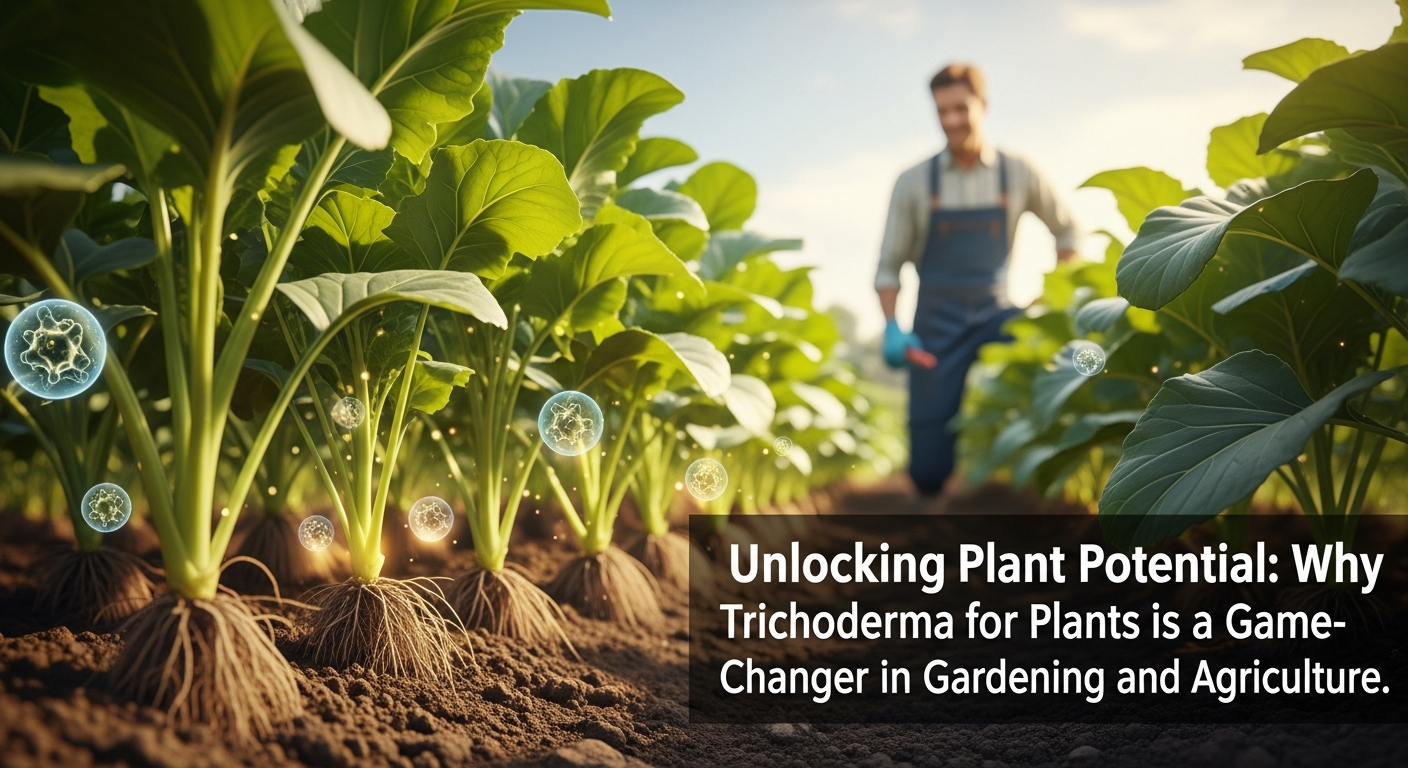
A naturally occurring soil fungus known for its potency, Trichoderma (Scientific Name) has been used in agricultural and gardening practices for generations to help provide a better growing environment for plants and improve the overall health of soils. Trichoderma offers an abundance of beneficial microbes, enzymes, and bioactive compounds that encourage stronger plant growth through support of root formation, improved nutrient absorption, and protection against disease-causing soil pathogens. Farmers and gardeners use Trichoderma as a viable, dependable, organic substitute for synthetic fertilizer. In doing so, growers produce healthier and more nutritious foods. In addition to promoting soil structuring, Trichoderma also stimulates the growth of soil microorganisms and enhances the plant's natural defense mechanisms. These three functions form the basis for a sustainable agricultural system.
Whether used on vegetable and fruit crops, ornamental and field crops, or all three, Trichoderma promotes life within the soil and increased vitality for all plants. It represents a very important tool for any grower seeking a long-term solution for their plants' health and higher production of ecologically sustainable farming practices.
Understanding Trichoderma: Nature’s Beneficial Fungus
Trichoderma is a naturally occurring soil fungus with exceptional capabilities for protecting crops, enhancing the health of the soil, and providing an environmentally friendly form of sustainable agricultural practice. It acts in a very discreet manner within the root zone of plants, enabling them to grow stronger while protecting them from soil pathogens. Trichoderma has emerged as the leading biological tool for modern growers seeking a natural, effective, and long-lasting agricultural solution.
What Is Trichoderma and Why It Matters in Agriculture
Trichoderma is a type of advantageous fungus that can be found in healthy soils, compost, and organic materials that are broken down. As one of the key aspects of protecting crops, Trichoderma is able to outcompete disease-causing fungi, enhance the availability of soil nutrients and support root system development of crops.
Why is this important?
- Provides natural disease management for soil-borne pathogens.
- Enhances nutrient uptake and improves soil structure.
- Increases the overall yield of crops without the use of chemical residue.
To provide maximum benefits for sustainable agricultural systems, farmers are utilizing Trichoderma to enhance soil fertility on a continual basis and to reduce the need for the use of chemical fungicides.
Species of Trichoderma Used in Farming
Trichoderma species differ in terms of benefits. Farmers choose the best Trichoderma for their crops, soil type, and level of disease attack.
Commonly Used Trichoderma Species In Agriculture
- Tharzianum has the best ability to prevent disease and protect roots
- Tviride is good at helping soils recover and is an excellent way to increase the nutrient level of compost
- Tasperellum is one of the most resilient Trichoderma species, and works well in conditions of high stress
- Tkoningii aids in releasing nutrients to plants through organic decay.
All species of Trichoderma are very fast colonizers, and have a very high level of ability to antagonize pathogens. The Trichoderma genus has great application for supporting plant growth in Fortune

How Beneficial Soil Microbes Support Crop Growth
Just as certain strains of beneficial bacteria support human digestion, some beneficial forms of soil microbes (Trichoderma) will help support plants' ability to absorb nutrients better and produce healthier plants. Trichoderma will make itself at home in the rhizosphere (the root zone of plants) and create a well-nourished and healthy environment around crops.
How Soil Microbes Improve Plant Growth
- Convert Nonfeedable Nutrient Sources to a Plant Usable Form
- Prevent Pathogens from Damaging Roots
- Increase Water Retention and Air Flow in the Soil
- Encourage Stronger Root Branching and Faster Plant Growth
These microbes are essentially “living” fertilizers and protections for plant growth by assisting farmers in maximizing crop yield while using very few chemicals. Trichoderma indicates that there is fertile and actively growing land that has a balanced microbial activity.
The Science Behind Trichoderma’s Impact on Plant Growth
Trichoderma is one of the most effective beneficial fungi in agricultural soils. Trichoderma has many benefits for plants, including promoting plant growth and increasing plant health and soil health. There are several mechanisms by which Trichoderma promotes nutrient uptake by the plant, maintaining the root system, and improving overall plant productivity; therefore, Trichoderma is one of the foundations of sustainable agriculture.
Trichoderma’s Mechanism of Action in Soil
As a rapid colonizer of the root zone, Trichoderma acts in competition with pathogenic fungi for substrate and for resources (water & nutrients). Trichoderma primarily works by decomposing organic material using its own enzymes to make it available to plants, as well as enhancing the structure of soil for plant root development and increasing the amount of available nitrogen & phosphorus to plants (nutrient solubilization) via increased fungal associate activity.
The following key functions of Trichoderma support plant growth through the following:
- Production of enzymes that dissolve pathogenic fungi & bacteria
- Increased solubilization of nutrients and their availability to plants
- Enhancing the population of beneficial microbes of soil and providing Trichoderma growth-enhancing benefits
- Forming a physical and microbial barrier at the root zone which protects plant roots from pathogens.
Trichoderma's biological function helps create healthier and faster-growing plants. As a result, it answers the following question: *Is Trichoderma good for plants?* Yes; Trichoderma is an effective means of converting soil into a biologically rich, protective habitat for plants.
Root Colonization and Plant–Microbe Interaction
The ability of Trichoderma to establish a symbiosis with plant roots increases both the quality and quantity of roots. The colonizing action of Trichoderma allows plants to absorb moisture more effectively, and to build stronger immune systems against insect attack.
Major Benefits
- Stimulates root development (branching and elongation)
- Allows plants to resist periods of drought and other stressful conditions
- Supports the growth of beneficial microorganisms
- Indirectly increases photosynthetic rate by improving root efficiency
How Does It Benefit Plant Growth
As root microorganisms colonize, they provide the foundation from which plants grow, allowing them to utilize the nutrients available to them in a manner that maximizes their total yield.
Biological Control Agent Against Soil-Borne Pathogens
Through its natural cycle of creating a parasitic relationship with harmful fungus such as Fusarium, Pythium, Rhizoctonia, and Sclerotium, Trichoderma is able to suppress these pathogenic fungi in various plant systems. The parasitic relationship allows Trichoderma to outcompete and parasitise these pathogenic fungi, as well as produce substances that inhibit or destroy their growth. This capability provides farmers with a more environmentally safe alternative to traditional synthetic fungicides.

This natural ability to defend against pathogens is a key reason for the global adoption of the use of Trichoderma as a growing medium and/or as a product for plant growth in agriculture.
Key Benefits of Using Trichoderma for Plants
Several new and improved Trichoderma strains are available. All strains are beneficial for improving plant health. Examples of how Trichoderma helps improve plant health include strengthening roots, increasing the natural immune system of plants, improving the overall fertility of the soil being used, and providing farmers with an alternative to chemical fertilizers and chemical pesticides; therefore, it's an excellent option for sustainable agriculture and gardening. All of these benefits are effective at all stages of crop and therefore easy to implement into any agricultural practice.
Natural Disease Resistance and Immunity Boosting
Trichoderma forms a protective barrier around the roots of plants and shields these roots from pathogenic fungi such as Fusarium, Pythium, Rhizoctonia, etc.
- Trichoderma stimulates the natural defense response of the plant, boosting the plant's ability to defend itself.
- Trichoderma creates an environment that inhibits and prevents pathogenic fungi from invading the root systems of plants.
- Trichoderma enables plants to recover from the effects of stress and pathogens more rapidly.
- Due to the level of disease pressure on vegetables, fruits, cereals, and nursery crops, Trichoderma is especially valuable in these areas.
- A lot of farmers are asking "Is Trichoderma good for my plants?" This is why the answer will always be yes to that question.
Improved Nutrient Uptake and Soil Fertility
- Trichoderma improves the living conditions of the soil by decomposing organic materials, which increases the accessibility of plant essential nutrients.
- Trichoderma Provides plant essential nutrients such as nitrogen, phosphorus, potassium, and micronutrients.
- Trichoderma Supports Stronger root development leading to increased water absorption and nutrient uptake.
- Trichoderma Helps to Balance The Microflora of the soil and promotes beneficial microorganisms.
As a result, Trichoderma plants will grow better (green), develop roots quicker and will have greater crop power.
Keywords: Trichoderma = Better plant growth promotion for all phases of plant growth!
Sustainable Agriculture Benefits and Reduced Chemical Use
Trichoderma reduces the reliance of agriculture on chemical fungicides and fertilizers, allowing for continued improvements with long-term stability through benefits of improved soil health.

Trichoderma is the way to lower input costs to maintain good yields and support strong plant growth.
How to Apply Trichoderma: Methods and Best Practices
There are several effective ways to apply Trichoderma to your plants. Each application method has a separate function to increase plant health. These applications increase beneficial microbes in the soil, enhance root development, and increase the ability of the plant to withstand stresses. To ensure that you achieve the greatest results from your use of Trichoderma for your plants and to maximize the long-term benefits to your soil, you must learn how to properly apply it to your plants using either a powder form, liquid form, or granular form.
How to Use Trichoderma for Plants in Powder, Liquid & Granules
The Trichoderma products are classified into three categories: powder, liquid and granules for use in agriculture. Understanding appropriate Trichoderma application will enhance root colonization and suppress diseases.
Trichoderma Powder, is a concentrated form of Trichoderma and has a very long shelf life.
Trichoderma Powder is best used when you want to:
- Coat seed
- Mix seed with soil
- Activate composted material.
Trichoderma Powder has the following benefits:
\✔ High spore concentrations which promote rapid colonization
✔ Inexpensive to apply on large farming operations Ag.
General Recommended Usage Rates for Trichoderma Powder: Soil Applications = 2-4kg per acre; Seed Treatment = 5-10gram/kg of seed.
Trichoderma Liquid is the easiest way to dilute Trichoderma and to apply it to the soil or to the foliage.
Trichoderma liquid is an excellent application method for gardeners and drip irrigation.
- Trichoderma Liquid is best used when you need to:
- Drench the soil.
- Apply to the foliage by spraying.
Use as a seedling medium in trays for propagation.
General Recommended Usage Rates for Trichoderma Liquid: Soil Drench =2-5ml per litre of water; Spray = 2ml per litre of water.
Trichoderma Granules is a slow-releasing spore from the granule that is intended for long lasting prevention of soil diseases in agricultural fields.
Trichoderma Granules are best used when you plan to Use the Trichoderma Granules as Soil Applications on:
- Crop fields.
- Nursery Conditions.
Constructed Grow Boxes. General Recommended Usage Rates for Trichoderma Granules:Soil Broadcast = 10-20kg per acre.

Seed Treatment for Stronger Germination
The use of Trichoderma for seed treatment provides the earliest protection from soil-borne pathogens and promotes healthy seed germination. Seed coating, in addition to protecting against pathogens, assists with root development during the germination process, which is critical to farmers who practice sustainable agriculture.
How It Works
- Trichoderma protects seeds from damping-off fungus.
- Promotes rapid root growth.
- Improves nutrient intake from day 1, allowing plants to reach their full potential.
- All seeds sprout at the same time.
How to Apply
- Use 5 - 10 grams of Trichoderma per kilogram of seed.
- Mix with a small amount of water to form a paste.
- Apply the paste evenly to all seeds; shade dry for 30 minutes.
- Immediately plant to ensure the greatest benefit.
Reasons for Using This Method
Trichoderma treatment provides early crop growth assistance, giving crops a strong start and preventing losses.
Soil Drenching, Root Dip, and Compost Enrichment
Methods Listed Below Will Allow Trichoderma To Reach The Plant's Root Zone. Once The Trichoderma Is Established In The Root Zone, It Will Provide A Protective Barrier Between Pathogenic Fungi And The Plant And Promote Healthy Growth In The Plant.
Soil Drenching
The Soil Drench Method Directly Applied Trichoderma Into The Root Zone.
Benefits:
- Management Of Pathogenic Root And Wilting Diseases
- Improvement Of Beneficial Soil Microbe Populations.
- Increased Available Nutrients
How To Use:
You Can Place 2–5 Ml (ml) Of Liquid Trichoderma Into Each Litre Of Water And Pour Around The Base Of The Plant.
- Root Dip Treatment For Seedlings
The Root Dip Method Provides A Strengthening Action For Young Nursery Plants Prior To Transplanting.
Steps Involved:
- Prepare A 1 Litre (L) Liquid Solution Of 10 Grams (g) Powdered Trichoderma OR 10 Millilitres (ml) Of Liquid Trichoderma.
- Properly Soak The Roots Into The Solution For 20-30 Minutes.
- Immediately Transplant The Seedling.
Benefits From Root Dipping:
- Reduction Of Transplant Shock To Your Plant
- Promotion Of Better Root Development For Your Plant
- Protection Of Your Plant's Root System From Soil-Borne Disease Causing Organisms.
Compost Enrichment
The Addition of Trichoderma To The Composting Process Assists In Accelerating The Rate Of Decomposition And Increasing The Nutritional Value Of The Compost.
Method Of Enriching Your Compost With Trichoderma:
- -Mix 50 - 100g Of Trichoderma Per Ton Of Compost.
- -Regularly Turn Your Compost To Help Activate The Trichoderma.
How Trichoderma Works:
Trichoderma Has The Ability To Decompose Organic Materials At An Accelerated Rate, Making Nutrients More Readily Available To The Plant(s). This Is Another Benefit Of Using Trichoderma On Your Plants.
Comparing Trichoderma to Chemical Alternatives: A Safer Choice
Although agricultural Chemical fungicides have been in use for many years, they can be detrimental to soil microbes, decrease soil's long-term productivity, and leave behind toxic residue on plants. Conversely, Trichoderma is safe for the soil and therefore is healthier for plants. Trichoderma strengthens plant roots and thereby allows them to grow better both from inside and outside the soil.
Problems with Chemical Fungicides in Agriculture
While chemical fungicides provide quick effects, they have long-term negative consequences on the farming environment.
Important problems with chemical fungicides:
- Killing helpful bacteria.
- Chemical fungicides kill both beneficial (helpful) and harmful organisms, which reduces overall soil health.
- Decrease in soil fertility due to prolonged chemical use.
- Prolonged usage of Chemical fungicides leads to soil that is compacted, low in nutrients, and thus crops become reliant on increased amounts of chemicals to sustain themselves.
- Creates a population of fungi that are resistant over time.
- Over time, the fungi will become resistant to the chemical fungicides used to kill them.
- Chemical fungicides deposit chemical residues on foods.
The deposits of chemical fungicides on the food will create food safety problems for humans and animals.
Farmers who use sustainable cultivation practices are now switching to utilizing Trichoderma as a safer and sustainable option for their crops, because of the damages they have caused to soil life from using chemical fungicides; reducing the quality and quantity of their yields and increasing their production costs.
Eco-Friendly Pest & Disease Control with Trichoderma
Trichoderma is a natural defense against soil-borne pests and diseases.
Trichoderma inhibits bad fungi (as in Trichoderma) while fostering beneficial microbes and enhancing the immune systems of both plants and soils without injecting toxic chemicals into the environment.

As such, Trichoderma provides natural, environmentally friendly pest and disease control alternatives to conventional chemical methods, while contributing to the development of sustainable soil fertility.
Residue-Free Crop Production and Soil Health Preservation
The primary reason for farmers to select biological control products is the desire for clean, safe, and residue-free produce. Biological control products are effective for protecting crops using natural methods instead of relying upon potentially harmful chemicals, which may remain on harvested crops and soil after application.
Trichoderma supports clean agriculture through;
- No toxic residues on harvested crops;
- Safe applications of Trichoderma on vegetable, fruit, grain, or fodder crops;
- Safe applications of Trichoderma will not harm soil, water, or beneficial insects;
- Safe use of Trichoderma does not harm many earthworms, bees, and many organisms in the soil;
- improving soil structure for long-term crop growth through building a soft, porous, nutrient-rich soil base;
- Supporting the certification of organic farming and assisting farmers in growing high-value organic produce.
Troubleshooting: Common Issues When Using Trichoderma
Trichoderma applied to plants provides multiple benefits in addition to improving soil, undertaking plant immunity, and assisting in natural growth. However, there may be instances when agricultural professionals do not receive the anticipated benefits as a result of environmental factors, errors made while applying Trichoderma, or incompatibilities caused by other agricultural chemicals. Being aware of these potential challenges allows you to correctly use Trichoderma and realise all the benefits it can offer as a bioagent.
Why Trichoderma Isn’t Working (Temperature, Moisture, Soil pH)
The beneficial fungus Trichoderma requires an orientation in the right environment in order to survive and colonize the root systems of plants. When not provided with an optimal environment, Trichoderma will stop functioning or slow its growth.
Key Factors Affecting the Performance of Trichoderma
1. Temperature
The preferred temperature range for Trichoderma is between 20C to 32C (68F to 89F). When exposed to extreme temperatures (either extremely hot or cold), Trichoderma spores can die, preventing them from growing.
2. Soil Moisture
Trichoderma will not be able to grow well in dry soil because it does not have enough moisture to multiply and distribute itself into the surrounding soil.
3. Soil pH
The ideal soil pH for Trichoderma growth is between 5.5 and 7.5. When either the soil is too acidic or too alkaline, Trichoderma will not be able to colonize.
Troubleshooting Guide for Trichoderma

Compatibility with Pesticides and Fertilizers
A majority of farmers do not know that they are mixing Trichoderma with chemical pesticides that kill beneficial fungi. This is one of the main reasons that Trichoderma fails to work as well.
Chemicals That Decrease the Effectiveness of Trichoderma
Chemical Fungicides
These are designed to kill beneficial fungal spores on-contact, and as such will kill any beneficial fungi present when first applied to the soil.
- Copper-based Pesticides
Highly toxic to microbial inoculants.
High Salt Chemical Fertilizers
The use of high salt chemical fertilizers and the use of Trichoderma together as a combination will result in decreased fungal colonization.
Compatible Agricultural Inputs
- Organic Fertilizers (Manure, Vermicompost)
- Biocontrol, Neem Cake or Organic Pest Control Products
- Biofertilizers (PSB, Azospirillum, Azotobacter)
Application Mistakes Farmers Should Avoid
Even the best Trichoderma products will fail to flourish without proper application. By avoiding the following common mistakes, you can increase the chance of enhancing root colonisation and improving overall plant health.
Common Mistakes and Remedies:
- Using Hot/Chlorinated Water
Hot water kills spore viability. Always use room-temperature, non-chlorinated water.
- Applying Trichoderma in Bright Sunlight
UV radiation diminishes viability of fungal spores.
Apply early morning or late evening to avoid this.
- Overwatering Afterwards
Water excessively limits oxygen availability to the fungus to allow growth.
Keep the soil moist, but not soaking.
- Appling Right after Application of Chemical Sprays.
Chemical residues in or on the soil can kill any Trichoderma applied afterwards.
Always maintain a minimum five to seven days between these applications.
- Improper Amounts
An under-dosed application will yield weak and unsatisfactory results, whereas an over-dosed one will waste product.
Always adhere to recommended doses based on CFU's.
Selecting the Right Trichoderma Products for Agriculture
The various formulations of Trichoderma products, which include powder, liquid, and granule, provide distinct advantages when it comes to enhancing soil health and protecting crop from pathogens. Choosing the appropriate Trichoderma product is critical for optimizing Trichoderma for plants performance, promoting robust root colonization, as well as sustaining the long-term health of benefactor soils.
The ideal Trichoderma product should have a high spore count, be pure, and have a strain that corresponds to crop specific needs
How to Identify High-Quality Trichoderma Products
A high-performance Trichoderma product will improve a plant's immune system, strengthen its roots, and attack and enhance soil diseases. When assessing whether a Trichoderma product is good for plants, farmers must consider a variety of factors that may affect the plant and product. The answer to the question of whether a Trichoderma product is good for plants depends upon its quality.
The following are major factors that will help ensure your Trichoderma product is of high-quality
A high spore count (CFU) means a higher CFU translates to faster colonisation of roots and greater protection.
- Fresh Date of Manufacture
- Trichoderma is a living organism, which means it loses its effectiveness once it has expired.
- All products that have agriculture certifications have undergone an evaluation to ensure their quality and effectiveness.
- Chemical fungicides are toxic to Trichoderma and should be avoided in Trichoderma products.
- Quality products typically have clear and easily identifiable labels that identify the strain, the date of manufacture, dosage requirements, and the batch number.

Recommended Trichoderma Strains for Crops
Trichoderma species can offer different benefits based on the type of crop and soil the species are grown on. Choosing the best Trichoderma strain for specific disease management and root development will maximize your yield.
The Best Trichoderma Strains to Use in Agriculture
Trichoderma Harzianum is:
- An effective suppressor of soil borne diseases
- An enhancer of plant immunity
- Good for seedlings, vegetable, fruit and nursery crops
Trichoderma Viride is:
- Good for developing roots
- A fungicide that works against Fusarium
- Best used on cereal, pulse and oilseed crops
Trichoderma Asperellum is:
- A stress reliever from heat and drought
- A soil health promoter
- The most suited for high value horticulture crops (e.g. roses, orchids, etc)
Where Farmers Can Buy Certified Trichoderma Biofungicides
Farmers get successful results in their fields with the help of trusted suppliers through the delivery of fresh spores of Trichoderma that are still active.
Recommended Sources for Purchasing Trichoderma Products
Government Agricultural Input Centers
- Certified biofungicides that have been approved by the government.
- They can make bulk purchases from them.
Krishi Seva Kendras or Local Agri Shops
- Farmers living nearby can easily buy from these locations that stock products appropriate for their crop types and soil types.
Manufacturer's Websites
- The manufacturer’s website will typically offer you some of the freshest and most authentic strains available.
- Manufacturers test and label all of their products before offering them for sale.
FAQs
Q1.Is Trichoderma Good for Plants?
Yes, Trichoderma improves plant immunity, root health, and overall growth naturally.
Q2. How to Use Trichoderma for Plants Effectively?
Apply it through seed treatment, soil drenching, compost mixing, or root dipping based on the crop stage.
Q3. Can Trichoderma Replace Chemical Fungicides?
Yes, in many cases it provides long-term natural disease control without harming soil health.
Q4. How Long Does It Take for Trichoderma to Work?
Trichoderma typically shows results within 7–14 days as root colonization begins.
Q5. Is Trichoderma Safe for All Types of Crops?
Yes, it is completely safe and effective for vegetables, fruits, cereals, pulses, and horticulture crops.
Conclusion: Transform Your Garden or Farm Today by Harnessing the Power of Trichoderma for Plants
For farmers and gardeners seeking to cultivate healthier, more resilient crops, trichoderma has emerged as one of the greatest allies. As opposed to chemical fungicides that ultimately degrade the soil environment, trichoderma will strengthen the soil ecosystem. Trichoderma will act to prevent root disease and improve long-term plant health. The ability of trichoderma to increase nutrient uptake, increase root vigor, and enhance overall crop performance will make trichoderma a standard component of sustainable agriculture today.
By integrating trichoderma into your regular cultivation practices (seed treating, soil applications, compost enrichment), you will create a natural form of protection for your crops that is continually in operation below the surface of the earth. Not only will this practice reduce your dependency on synthetic chemicals, but it will also provide the opportunity to nurture healthier, greener, and more productive crops throughout the growing period of each plant.
Whether you are managing a small garden in your backyard or operate a large commercial operation, now is the best time to recapture this eco-friendly option. Begin applying trichoderma within your production systems today, and you will see the incredible improvement it can make—healthier roots, increased yield, disease-resistant crops, and improved soil—all without the use of chemicals or fertilizers.