

Ericoid Mycorrhiza: A Powerful Tool for Sustainable Agriculture
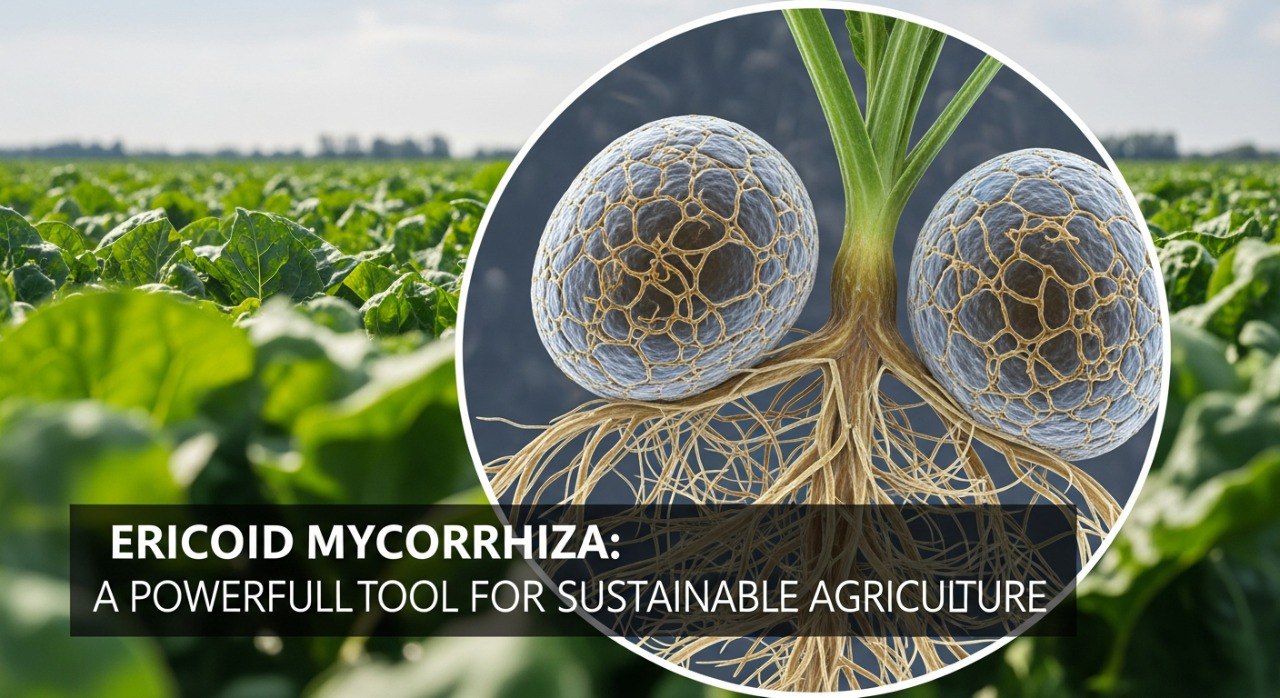
Plant partners with ericoid mycorrhiza are symbiotic with one another through mycorrhizal associations found associated with ericaceous forest ecosystems, low soil nutrient levels.
The benefits of this mycorrhizal relationship between ericoid mycorrhiza fungi and plants include improved availability of nitrogen, phosphorus and trace minerals from soils considered low in nutrients, increased ability of these plants to thrive in environments which present difficulties for traditional farming practices. In addition, these advantages help farmers use fewer synthetic fertilizers and, therefore, enhance the overall sustainability of agricultural practices.
Whether your crop is a fruit-bearing shrub such as blueberry or a flowering shrub such as heath, products for sale related to enhancing the soil and enhancing crop production with ericoid mycorrhiza fungi offer an eco-friendly method to enhance soil fertility and increase crop production.
Understanding Ericoid Mycorrhiza and Its Agricultural Importance
Ericoid mycorrhizae are critical not only for supporting the growth of plants, but also for supporting the growth of these plants in acidic, nutrient-poor soils. Such soils are often encountered in heathland ecosystems and other similar ecosystems of certain types of forests.
The association between fungi and their plant host is very beneficial because it provides for better nutrient uptake by the plant and helps maintain the health of both the fungi and the plant.
What Is Ericoid Mycorrhiza?
An ericoid mycorrhiza is a specific type of mycorrhizal association in which a fungus colonizes the roots of plants belonging to the Ericaceae family. Examples of these plants include blueberries and cranberries.
The following important points can be made with regard to an ericoid mycorrhiza:
- They form a symbiotic association with plants
- They are typically found in acidic soils with little or no available nutrients
- The mycorrhiza helps the plant gain access to otherwise unavailable nutrients, such as nitrogen, phosphorus, or trace minerals
- They provide the necessary support for plant survival and growth in nutrient-limited environments.
How Ericoid Mycorrhizal Fungi Colonize Roots
Ericoid mycorrhizal fungi develop symbiosis with the plants they grow on by growing their hyphal strands into the plant root cells and establishing a network that helps the fungi and plant exchange nutrients efficiently.
Steps for Mycorrhizal Colonization of Roots Include:
- Mycorrhizal Fungi Attach To Root Hairs And Form A Network, Additionally Hyphae Form Inside The Root Cells
- Fungi use Their Hyphae To Enter The Cell Walls Of The Roots And Gain Access To The Nutrients Within
- The Plants Feed The Mycorrhizal Fungi Sugars And Other Organic Material In Exchange For Nutrients
- The Mycorrhizal Fungi Enhance Water Absorption And Health Of The Roots
Difference Between Ericoid Mycorrhiza and Other Mycorrhiza
Ericoid Echipmeds are Different Than Other Types of Echip Ericoid Echip medias are unique and distinct from other feitas porque eles are only associated with plants growing in very Acidic, Low Nutrient Soils. Compare these médias to several other common types of chip
Key Differences:
- Ericoid Echip are only found in the acidic, low nutrient soil environment; whereas AM Echip can be found growing in different types of soils.
- Ericoid Fungi primarily develop Less Aggressive (aggressive) Types of Factual Relationships when Colonised than the Deep Roots colonisations associated with AM Fungi.
- Understanding these differences helps individuals choose the right mycorrhizal type for specific crops grown in acid soils as well as those transitioning toward more Sustainable Farming Techniques.

Role of Ericoid Mycorrhiza in Ericaceous Crop Production
Ericoid mycorrhiza fungi play a vital role in supporting the successful growth and production of the ericaceous crops. Ericaceous crops include berries such as blueberries and cranberries, as well as flowering plants such as Heather. These crops grow on acidic soils and often produce high yields due to their relationships with ericoid mycorrhiza fungi.
Crops That Depend on Ericoid Mycorrhiza
Certain types of crops mainly depend upon ericoid mycorrhiza for growing optimally in acidic soils with a low nutrient content.
- Blueberries need to use mycorrhizal fungi to grow well in the acidic nature of the soil.
- Cranberries get their nutrients from mycorrhizal fungi within the low-pH environment of their production area.
- Heathers develop a good relationship with ericoid fungi that helps them get minerals from the soil.
- More examples of ericaceous (heath-like) plants include azaleas and rhododendrons.
Improving Yield in Acid-Loving Crops
Ericoid Mycorrhizae (ECM) play an important role in increasing nutrient uptake in plants, thus resulting in the increased yield of acid-loving crops.
- Increased Phosphorus Levels: Helps produce energy and grow plants.
- Higher Levels of Nitrogen Fixation: Necessary for flowering and follow-up growth.
- Improved Root Development: Provides plants with more extensive, deeper-rooted systems.
Stress Tolerance and Root Health
The use of Ericoid Mycorrhizal Fungi Increase the Tolerance to Stress and, therefore, it is essential for the Growth of Ericaceous-Crops that are affected by Environmental Factors such as Drought and Poor Soil Conditions.
- Use of Mycorrhizae to Improve Water Uptake for the Drought Affected.
- Increase Resistance to Soil Borne Diseases-Improved Plant Immunity.
- Promote Healthy Root Systems for Good Plant Establishment

Soil Health Benefits of Ericoid Mycorrhiza in Agriculture
Ericoid mycorrhizae provide a key biological component to enhance the health of soils in agriculture, particularly for agricultural producers managing soils with high acidity or low nutrient concentrations. Ericoid mycorhizae create a symbiotic relationship between plants and fungi. They facilitate the transfer of nutrients from soil to plant and also help to improve the ability of soils to grip and hold together, which improves overall cohesion.
Organic Matter Breakdown in Acidic Soils
One of the primary advantages of ericoid mycorrhizae is their ability to promote the decomposition of organic material in highly acidic (high pH) soils, which tend to decompose more slowly because of their lower ph. The promotion of organic matter decomposition via ericoid mycorrhizae also provides the building blocks for plant growth by releasing key nutrients such as N, P and C based compounds into the soil. Ways That Ericoid Mycorrhizae Facilitate Organic Matter Decomposition
The two most important functions of ericoid mycorrhizae in the decomposition of organic material are:
- Increased rate of decomposition of organic material (i.e. leaf litter, plant residue);
- Enhanced conversion of organic N into forms that can be utilized by plants.
- Enhanced levels of microbial activity that result in further breakdown of large, complex organic materials.
Enhanced Phosphorus Solubilization
Phosphorus is a crucial element to support plant growth; however, phosphorus often exists in a way that makes it unavailable for use by the plant, particularly in acidic soils. The mycorrhizal association of ericoid fungi assists in overcoming this constraint by producing organic acids and enzymes that can solubilize phosphorus, thus providing accessibility to phosphorus for plant root systems.
How ericoid mycorrhizae facilitate phosphorus solubilization:
- Organic acids are produced by ericoid fungi, resulting in the dissolution of mineral-bound phosphorus.
- Phosphorus can be made available in soils where significant amounts of iron or aluminum are found.
- Chemical phosphorus fertilization can be decreased because of reduced reliance on chemical phosphorus sources.
- Plant development will be enhanced in phosphorus-deficient soils.

Improving Soil Microbial Diversity
The ability of ericoid mycorrhiza fungi to improve microbial diversity in soil is another benefit derived from the mycorrhizal association between ericoid fungi and plant roots. The establishment of mycorrhizal associations results in stimulation of the proliferation of beneficial representatives in soils as well as beneficial soil species. Recognition of the increasing diversity of microbial communities is expected to contribute to improving soil health and productivity by establishing a healthy, stable soil microbial population.
How ericoid mycorrhizae facilitate the improvement of soil microbial diversity:
- Nitrogen-fixing microorganisms are stimulated within ericoid mycorrhizal associations.
- Increased numbers of soil fungi participate in breaking down organic materials.
- The establishment of healthy, balanced ecosystems of fungi and beneficial microbes allows for the maintenance of soil structure and continuity for future planting.
- Organic material and nutrients are cycled through continued association of ericoid mycorrhizal fungi with plants.
Using Ericoid Mycorrhiza in Sustainable Farming Systems
The role of ericoid mycorrhiza is to promote soil health and thus support sustainable farming on nutrient-poor and acidic soils. These soils are commonly present in high elevation ecosystems and among certain plants such as blueberries and cranberries. These fungi form a mutualistic relationship with plant roots and improve nutrient uptake from the soil.
The fungi also provide protection from disease and environmental stressors. When utilized, ericoid mycorrhiza can reduce dependence on synthetic fertilizers, lower soil erosion, and enhance soil fertility over time, making ericoid mycorrhiza an integral part of environmentally-friendly agricultural practices.
Inoculation Methods for Field and Nursery Crops
Ericoid mycorrhizal fungi are essential for successful crop production. The method of applying ericoid mycorrhiza to the soil or plant roots will depend on the type of crop being grown and its soil conditions. The objective will always be to establish a vigorous mycorrhizal fungal network that supports plant growth.
Inoculation Techniques:
- Seed Coat - Mycorrhizal Spores will be coated on seeds before planting to encourage early colonization of the plant with fungus.
- Root Dip - For plants produced in a nursery, soaking the roots in an ericoid mycorrhizal inoculum prior to transplanting allows for a good establishment of the mycorrhiza prior to entry into the new soil.
- Soil Mixes - By mixing mycorrhizal fungi into the soil at the time of planting, it increases the dispersion and contact with the roots.
- Fertilizer Blends - Some ericoid mycorrhizal inoculum is pre-blended with fertilizers for a more practical method for farmers to use.

Choosing Compatible Fertilizers
Fertilizer application in a growing environment using mycorrhizal fungi requires special consideration so as not to inhibit the fungi's ability to thrive.
Mycorrhizae Supportive Fertilizers:
- Compost and manure, both organic fertilizers, have a positive impact on the culture of mycorrhizae and will not interfere with their development.
- Fertilizers that are low in phosphorus (P) are a good choice for use with mycorrhizae because high phosphorus levels can reduce the ability of mycorrhizae to grow and function normally.
Fertilizers to Avoid:
- Higher phosphorus synthetic fertilizer products may negate the benefits of using mycorrhizae.
- Most broad-spectrum chemical fertilizers do not support healthy soils or established mycorrhizal networks.
By choosing environmentally compatible fertilizer products when growing plants with ericoid mycorrhizae ensures the mycorrhizal fungi will provide continuous support for maximum yields and improvement in soil health over the long term.
Availability of Ericoid Mycorrhiza for Sale
As more farms use sustainable methods, the supply of ericoid mycorrhizae products for sale to commercial and home growers is on the rise.
Where to Buy Ericoid Mycorrhizae:
- Ericoid Mycorrhizal Inoculants are available from many sources in the form of pellets, powders or in a liquid form.
- Several suppliers offer mycorrhizal inoculants that are species-specific to crops that prefer acidic soils.
Advantages of Purchasing Ericoid Mycorrhizae for Sale:
- High-quality inoculants allow for greater success and less time spent on colonization.
- Mycorrhizal inoculants can be designed specifically for certain crops and farming scales.
Purchasing ericoid mycorrhizae from established suppliers will provide purchasers with the correct kind of inoculants applicable for the soil type and crop being grown on their property.
Common Challenges and How to Fix Poor Mycorrhizal Activity
The experience of Ericoid Mycorrhiza is instrumental in providing the missing link for plant nutrition on acidic, depleted, and nutrient-deficient soils; however, the use of these helpful organisms may be challenging for many gardeners or farmers. Understanding how to identify poor colonizing of mycorrhiza, and implementing effective solutions to overcome these deficiencies, can significantly enhance not only plant health but also overall soil health.
Symptoms of Poor Mycorrhizal Colonization
Poor colonization can result in decreased growth and health, as well as compromised root structures.
Signs that indicate Possible Poor Mycorrhiza Colonization include:
- Poorly developed or shallow roots.
- Slow plant growth and development, even after applying fertilizer.
- Yellowing of the leaves and/or the lack of healthy foliage.
- A higher level of disease infection, compared to other similar crops (in the same area).
These signs are typical indicators that the plant is experiencing a problem with the colonization of its roots, which will likely lead to a decreased ability to grow and develop.
Mistakes That Harm Mycorrhiza
Many of the practices that farmers engage in will negatively affect their ability to have effective Ericoid Mycorrhizae and how effective these fungi can be in general.
Here Are Some Mistakes That Should Be Avoided:
- Too Much Phosphorus: Excessive phosphorus may hamper mycorrhizal activity.
- So Much Tilling: If tillage is to be performed too deep, the mycorrhizal network can be destroyed.
- Fungicides Overuse: Fungicides, in general, have negative effects on the beneficial fungi like Mycorrhizae.
If farmers avoid these things, they can help ensure that Mycorrhizal fungi remain beneficial and active in their crops.
Corrective Soil Management Practices
Proper soil management is an important practice to increase healthy mycorrhiza and improve plant growth.
Best Practices to Support Mycorrhizae:
- Reduce Chemical Inputs: Make use of organic fertiliser instead of chemical fertilisers to stimulate fungal growth.
- Increase Organic Matter: Add compost/mulch to enhance fungal growth.
- Maintain Soil pH: It is crucial that the soil be kept within the ideal range, acidic, pH 4.5 -6.5, for Ericoid Mycorrhizae.

Future of Ericoid Mycorrhiza in Agriculture and Biofertilizers
There has been an increasing demand for sustainable farming, and ericoid mycorrhizae can play a crucial role in improving soil fertility and crop yield. Ericoid mycorrhizal fungi are specialized types of mycorrhizal fungi that thrive in acidic soils. Farmers who wish to use less synthetic chemicals will find ericoid mycorrhizal fungi valuable in agricultural systems that employ low-input and environment-friendly practices.
Farmers can use ericoid mycorrhizae in conjunction with biofertilizers to reduce their reliance on synthetic chemicals as well as improve long-term soil health.
Role in Climate-Resilient Farming
Ericoid mycorrhizae are essential for building climate-resilient agricultural systems, especially those affected by drought and poor soil fertility.
Key How Ericoid Mycorrhizae Foster Resilience:
- Enhancing plants' ability to take up water increases their drought-tolerant capabilities
- Allowing plants to thrive in nutrient-poor soils
- Reducing the amount of irrigation water and synthetic fertilizers neede
- Assisting plants in coping with environmental stressors
Importance of Climate-Resilient Agriculture: Ericoid mycorrhizae representatives of an eco-friendly method of increasing crop growth and resilience in the context of a climate-changing landscape. Farmers can use ericoid mycorrhizae to assist them in adapting to unpredictable weather conditions in the future.
Integration with Biofertilizer Technologies
Combining ericoid mycorrhiza with biofertilizer technology provides the opportunity to create a sustainable agriculture system with enhanced nutrient cycling and creation of healthier soils.
Benefits of Mycorrhiza Use with Biofertilizers:
- Increases Nutrient Uptake - Enhances Microbial Diversity
- Reduced Need for Chemical Fertilizer
- Improves Soil Texture, Aeration and Structure
- Provides Organic Producers with Natural Plant Growth Enhancement Products
Importance of Integrating Mycorrhiza with Biofertilizer Technologies: Biofertilizer manufacturers have begun to distribute and sell ericoid mycorrhiza to farmers, allowing farmers to improve their soil health and agricultural production while minimizing negative impacts to the environment through the use of natural, lower-cost solutions.
Research and Market Growth Trends
Ongoing research on ericoid mycorrhiza in Agriculture continues to expand the understanding of the full potential of ericoid mycorrhiza as a component of Sustainable Agriculture and provides insight into future industry growth, as well as the potential for increased adoption.
Current Research and Adoption Trends:
- Increased Development of Mycorrhizal Inoculants for the World’s Wide Variety of Crops
- Increased Investment in Biofertilizer Production Technology
- Increased Demand for Sustainable Agriculture Products
- Increased Consumer Interest in Eco-Friendly Agricultural Practices.

FAQs:
Q1. What is ericoid mycorrhiza used for in agriculture?
Ericoid mycorrhiza enhances nutrient uptake, improves soil fertility, and helps crops grow in acidic, nutrient-poor soils.
Q2. How is ericoid mycorrhiza different from other mycorrhiza?
Ericoid mycorrhiza specifically associates with plants in acidic soils, unlike other types that mainly support crops in neutral to alkaline soils.
Q3. Can ericoid mycorrhiza reduce fertilizer use?
Yes, ericoid mycorrhiza improves nutrient absorption, reducing the need for chemical fertilizers in farming systems.
Q4. Is ericoid mycorrhiza suitable for all crops?
No, ericoid mycorrhiza is best suited for plants that naturally grow in acidic soils, such as blueberries and heathers.
Q5. Where can farmers find ericoid mycorrhiza for sale?
Farmers can find ericoid mycorrhiza for sale through agricultural supply companies, biofertilizer distributors, and online marketplaces.
Conclusion: Advancing Agriculture with Ericoid Mycorrhiza
The use of ericoid mycorrhiza will help create sustainable agriculture through increased crop production, improved soil quality, and the increased ability of farmers to grow their crops without relying on synthetic fertilizers.
Ericoid mycorrhizal fungi thrive in acidic habitat and form a close association with the roots of certain plants such as blueberry, heather, and other plants that prefer acidic soils. The association between mycorrhizal fungi and the roots of plants allows for an increase in nutrient absorption and increased stress tolerance, while at the same time, changing how agriculture is managed where soils are less than conducive to farming.
As farmers transition their farming practices towards sustainability and away from the use of synthetic fertilizers, ericoid mycorrhizal fungi provide an environmentally friendly solution to decreasing the amount of chemical fertilizer that farmers are using while maximizing crop production. The integration of ericoid mycorrhizal fungi into farming systems for organic agriculture, conservation, or high-value crop production will promote ecological sustainability for years to come. Therefore, the use of this natural product will build the resiliency of the agricultural community while at the same time protect our earth and generations to come.