

Understanding the Definition of Mycorrhiza: A Key to Healthier Plants and Sustainable Agriculture
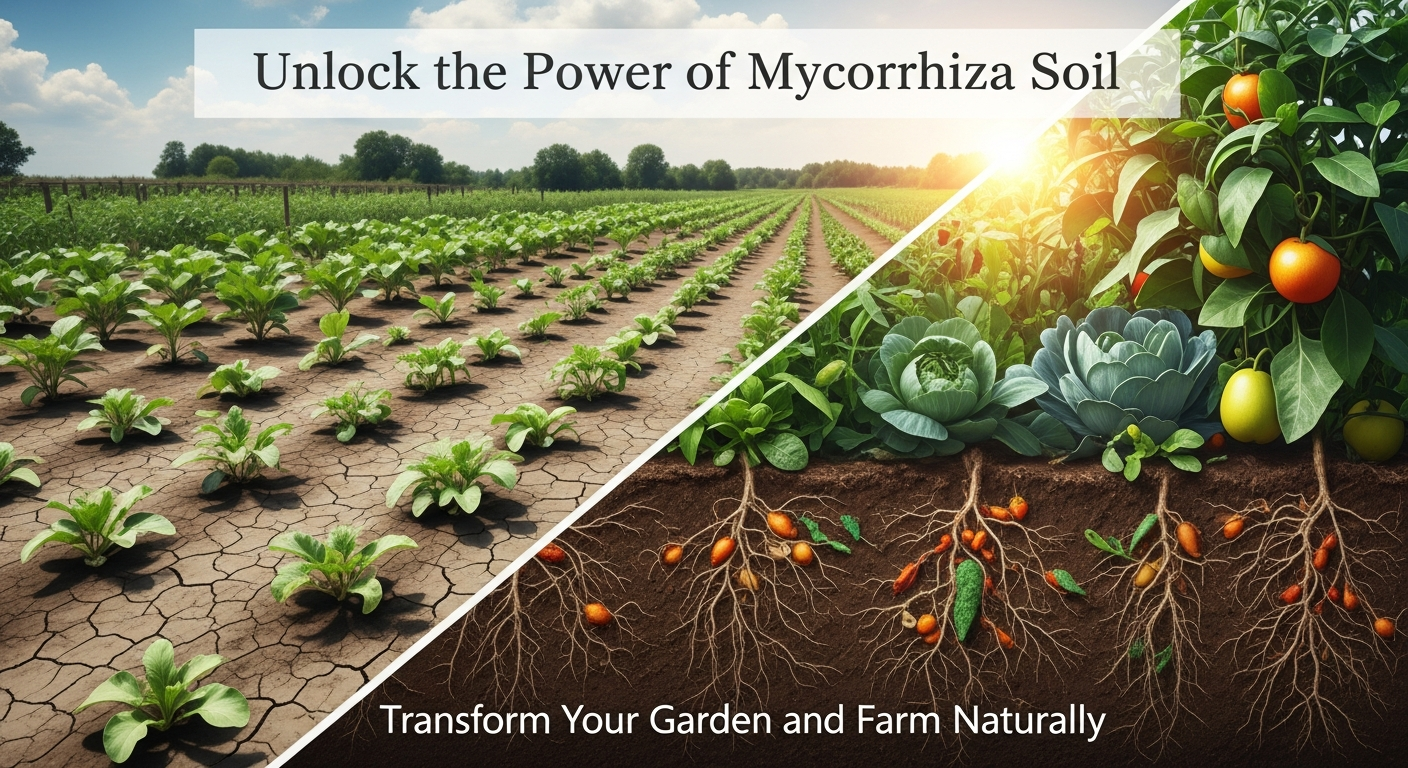
Throughout history mycorrhiza helped supply plants with nutrient and water through it's association w/ fungi & plant root (January 2019) the mycorrhiza relationship provides many nutrients (Phosphorus, Nitrogen, Micronutrients, Water), The mycorrhizal relationship also promotes healthier roots systems which means that plants are able to absorb nutrients at a greater rate. The mycorrhizal relationship can enhance productivity and produce increased growth rates in all species of plants, thus improving yields and profits for farmers. In agriculture's perspective, understanding how all plant roots benefit from mycorrhiza is critical to producing healthy crop plants and creating sustainable agriculture.
What is Mycorrhiza? The Basic Definition Explained
Mycorrhiza is an important part of soil health and plant nutrition because it creates a natural connection between the roots of plants and certain types of fungi that live in the ground. Mycorrhiza is important to the life cycle of a crop. Mycorrhiza helps crops by increasing the amount of water and nutrients they can absorb and by supporting root strength. The relationship between a plant and its fungus can be found below ground and may go unnoticed, but this relationship is one of the most significant ways in which biological systems are sustaining both modern-day and traditional farming practices.
Understanding the True Meaning and Definition of Mycorrhiza
The mutually beneficial association (symbiosis) between soil fungi and plant roots is referred to as mycorrhiza.
- Plants send carbohydrates (energy) to the fungus and in return, the fungus will use that energy to help the plant take up moisture and nutrients from the soil much farther than the roots of the plant could reach by themselves.
- By using the extended root system created by mycorrhiza, a plant is able to reach a much larger area of soil than it could without mycorrhiza. The more times a plant's roots are able to reach different parts of the soil, the more able it is to access the phosphorus, nitrogen, zinc, and other essential micronutrients that are typically either stored or locked within the soil and are not readily available to plants.
Why it matters to agriculture:
- Makes it possible to improve nutrient-use efficiency without needing to increase the amount of fertilizers used.
- Provides support during the early phases of plant establishment.
- Serves as the basis for sustainable and regenerative agriculture
How Mycorrhizal Fungi Form Symbiotic Relationships With Plant Roots
Mycorrhizal fungi attach directly to the roots of a plant immediately following the germination or transplantation of that plant.
- The fine filament-shaped fungal threads, known as hyphae, extend into and around the root zone of the plant to create an extensive system of underground fungal networks that transport both nutrients and moisture to the plant roots directly.
- Mycorrhizal fungi continue to grow gently and respond to the plants' needs throughout the entire growth cycle of the plant in a continuous and steady manner, in contrast to chemical fertilizers
- This leads to improved root strength, improved soil structure, and improved resistance to various abiotic stresses such as drought, heat, and poor soil.
The principal characteristics of the mycorrhizal- fungal: plant root relationship include:
- Direct nutrient transport between the mycorrhiza and the roots of the plant
- Increased moisture uptake in dry weather conditions
- Increased soil aggregate stability and aeration
Why This Fungi-Root Association Matters in Agriculture
In agriculture, mycorrhiza-root relationships are critical for maintaining long-term soil fertility and crop yield
- While the overapplication of chemical fertilizers adversely affects soil organisms, the mycorrhiza-replacing fertilizer attempts to restore biological equilibriums lost through chemical fertilizer usage.
- By promoting natural nutrient cycling, mycorrhiza fertilizers help to reduce the reliance on large amounts of synthetic fertilizers while providing greater yield stability across seasons.
- Therefore, mycorrhiza fertilizer would be highly advantageous to farmers interested in decreasing overall costs and improving soil quality while adapting to an ever-changing climate.

The Different Types of Mycorrhizal Associations
The classification of mycorrhizal associations is based upon the nature of the interaction between fungal partners and plant roots. Each type plays a distinct role in terms of exchanging nutrients, protecting roots and improving the soil environment. As such, an understanding of the different mycorrhizal types allows farmers and producers to select the appropriate mycorrhiza fertilizer or inoculant for the crops, trees and soil types to grow. Each crop has unique nutrient requirements; likewise, each mycorrhizal type aids plant growth within specific agricultural and natural ecosystem environments.
Ectomycorrhiza and Its Importance for Trees and Forestry Crops
The ectomycorrhizal type of mycorrhiza forms a protective fungal layer around the root of the plant, as opposed to penetrating directly into the root cell.
- This type of mycorrhiza is most often found with trees and woody plants and is therefore critical to the forestry, the orchard and plantation crop industries.
- The ectomycorrhizal fungi enable the tree to access nitrogen, phosphorus and water from the lower layers of soil while protecting the roots from environmental stressors and pathogens.
- They increase soil structure by stabilizing organic matter, which leads to greater long-term productivity in the forested environment.
Examples of Common Crops Supported by Ectomycorrhizal Fungi:
- Trees in the forest (e.g. pinus, beech, eucalyptus)
- Fruit trees grown in orchard
- Agroforest and agroforestry systems
Benefits of Ectomycorrhizal Fungi to Crops:
- Provides significant protection for roots
- Increases nutrient uptake from poor-quality or low-nutrient-density soils
- Increases the opportunity for long-term survival and continued growth of trees.
Endomycorrhiza (Arbuscular) and Its Role in Agricultural Crops
- The most common type of mycorrhizal agricultural use today is endomycorrhiza or arbuscular mycorrhiza(AMF).
- AMF grows inside the cells of a plant`s root, providing an extremely efficient nutrient exchange between the fungus and the plant.
- Endomycorrhiza provides some benefits such as improving the amount of phosphorus taken up by plants and improving water efficiency.
- Because of the benefits provided by AMF, many companies have utilized this type of Mycorrhiza as an ingredient in their Mycorrhiza Fertilizers.
These added nutrients are especially useful for crops grown in regions where soil conditions prevent efficient water absorption, or prevent efficient use of phosphorus.
Common Crops Being Grown Using AMF Include:
- Cereal Grains (Wheat/Rice/Maize)
- LVV Vegetables and Pulses
- Fruits/ Oilseeds/ Agricultural Produce
Additional Benefits of AMF Include:
- Faster Root Development Through Amending Soil
- Increased Drought Tolerance of Plants
- Higher Yields For Crops, Reduced Fertilizer Use
Specialized Forms: Orchid and Ericoid Mycorrhizas Explained
- In addition to AMF, there is a group of Mycorrhiza in which the fungus must form specific associations with the roots of plants to survive and thrive, particularly in acidic or low nutrient conditions.
- The best examples of this type of Mycorrhiza in agriculture are orchid Mycorrhiza and ericoid Mycorrhiza .
- These two types of Mycorrhiza have become important for Conservation of Biodiversity (by providing alternative methods of supporting vegetation) and for providing an alternative form of Crop for plantation growing.
Using Orchid Mycorrhiza During Early Growth Stage is essential for Germination and Establishing a healthy Root System; therefore, it's important to identify what plant species you may want to introduce into your landscape, as the plant and the Mycorrhiza will need to have a specific relationship in order to thrive. Ericoid Mycorrhiza Supports the Following Types of Plants: Tea, Coffee, Blueberries.
Where Orchid Mycorrhizae and Ericoid Mycorrhiza are Least Commonly Found but are
Necessary for Conservation are:
- Tea and Coffee Plantation
- Specialty Horticultural Production
- Ecosystems where Conservation Practices are Currently Being Done.
Other Benefits of Using Orchid Mycorrhiza and Ericoid Mycorrhiza are:
- Land Degradation (Loss of Nutrient Fertility) Decreased Through Support of Mycorrhizal Partner
- Access to Nutrients in Organic Rich Acidic Soil

The Role of Mycorrhiza in Soil Health and Ecosystem Functioning
Mycorrhiza are critical to the health and balance of ecosystems in agricultural soils. The term ‘mycorrhiza’ refers to a symbiotic relationship between fungi and plant roots, in which both organisms derive benefit by providing increased nutrient and water uptake for plants, with fungi providing carbohydrates as well. As a result, the mycorrhizal relationship serves to maintain a stable soil structure, to provide an excellent source of nutrients available to plants, and to preserve the longevity of an ecosystem. In a farming system, mycorrhiza serves as a natural soil engineer by providing a medium for continued productivity and resiliency within the soil and biome over time.
Improving Soil Structure Through Fungal Networks
Mycorrhizal fungi create vast underground networks of filamentous structures, known as hyphae, which connect soil particles and aid in the formation of a stable soil structure.
The fungal threads function as a natural adhesive; thus, the formation of stable soil aggregates produces greater aeration, increased water infiltration, and the ability for plant roots to penetrate and grow into the soil.
- How mycorrhiza helps to build soil structure.
- Hyphae provides an adhesive that connects soil particles and limits soil compaction.
- Promotes the ability of soil to support significant root growth
- Increase the ability of sandy or degraded soil to retain moisture.
- Decreases soil loss from wind and water erosion.
- Impacts of Mycorrhizae in Agriculture
Mycorrhiza-dominant soils remain loose, with ample air space and are easier to work with from a farming standpoint, especially when utilizing mycorrhizal fertilizers when planting crops.
Supporting Soil Fertility and Long-Term Nutrient Cycling
Mycorrhiza helps to facilitate the cycling of nutrients in the soil and unlocks nutrient reserves that would otherwise remain inaccessible to terrestrial vegetation. It has been discovered that the fungal hyphae can extend much further from the root zone than was previously thought, enabling them to access phosphorus, nitrogen, zinc, and several other micronutrients found within the deeper portions of the soil profile.
Some important benefits of Mycorrhiza as it relates to soil fertility include:
- Conversion of bound phosphorus into a form available for plant uptake;
- Better nitrogen use efficiency and less nitrogen loss to the environment through leaching/rainfall;
- Increased uptake of micronutrients (such as zinc, copper, iron) that are essential for healthy plant growth;
- Promotes continuous nutrient recycling through organic matter in soils.

Enhancing Biodiversity and Strengthening Ecosystem Services
By interacting with a wide variety of organisms, including bacteria, earthworms, insects, and other beneficial organisms, Mycorrhiza serves as an essential component of a robust soil ecosystem. This interaction leads to a significant increase in soil biodiversity, which is essential for developing stable and productive agricultural systems.
The wide variety of ecosystem services provided by Mycorrhiza are numerous, but a few examples include:
- Assisting in the establishment and maintenance of soil microbes and beneficial organisms
- Helping plants withstand stresses caused by disease or competition;
- Providing a means of sequestering carbon in soils used for agricultural production;
- Creating self-sustaining, self-regulating ecosystems.
For agricultural producers, this is especially important. Agricultural land that has a high level of activity from Mycorrhizae will be more resilient to crop stress, resulting in better yields and less reliance on chemically-enhanced plant growth due to its improved efficiency of nutrient cycling.
How Mycorrhizal Fungi Benefit Plant Growth
Mycorrhizal fungi are an important part of both traditional and modern agriculture, because they provide a system of mutual benefit to both the plant and the fungus. The term mycorrhiza refers to the type of arrangement that allows the mycorrhiza to significantly expand the area in which the plant accesses water and nutrients by making use of fungal fine root filaments known as hyphae. By establishing a relationship with mycorrhizal fungi, plant roots will grow stronger at all points of their growth cycle including seedling, flower and harvest. If plants that are supported with proper soil management or fertilizer have mycorrhiza growing with their roots, then the plants will be stronger, healthier and more resistant to stress whether in ideal growing conditions as well as under stressed or less than ideal conditions.
Enhanced Nutrient Uptake and Improved Plant Nutrition
By allowing plants greater access to the nutrients throughout the entire plant's root system, Mycorrhiza has been shown to significantly enhance the ability of a plant to absorb nutrients from the soil. The fine root filaments of the fungi (hyphae) are paired to the plant roots, and the increased surface area covered by these hyphae (the soil environment explored by the roots of the plants) allows for more nutrients available to the plant during the growth process.
- Using mycorrhiza, farmers can obtain higher levels of phosphorus, nitrogen, zinc, iron, copper, and magnesium to grow their crops.
- Farmers will benefit from a reduced loss of nutrients due to leaching.
- Fertilizers are most effective when combined with mycorrhiza.
Why is this Important?
Farmers using mycorrhizal fertilizers will need to use fewer chemical inputs and will be able to produce healthier and more balanced crops than those without the addition of mycorrhiza. Therefore, they will be able to produce more yield for a given area.

Better Water Absorption and Drought Resilience
Mycorrhizae enhance water uptake from soil by extending the surface area available for absorbing moisture in tiny pores that the root system does not access alone; thus, increasing the ability of plants to obtain and hold water during extended periods of drought.
- Increases the drought tolerance of crops grown on rainfed (non-irrigated) and dryland (irrigated) farms.
- Reduces the effects of water stress in plants during heat waves.
- Helps plants survive during early life stages.
- Maintains the yield stability of crops through varying climates.
- Mycorrhizal benefits to farmers.
- Crops receiving mycorrhizal support perform better under low irrigation conditions and are therefore required components of climate-resilient agriculture.
Stronger Root Health and Increased Crop Growth
Mycorrhiza enhances root development, thereby promoting plant health and productivity.
By protecting the plant's roots and assisting in nutrient delivery to the growing plant, mycorrhiza develops deeper rooting structures that are more efficient for plants to utilize.
- Promotes quicker establishment of root systems after planting/transplanting.
- Provides additional resistance to soil-borne pathogens.
- Promotes uniform growth of crops and results in stronger stems.
- Resulting in greater above-ground crop biomass and yields.
Long-term use of Mycorrhiza fertilizer creates better soil aggregate structure due to healthy root systems and sustained yield improvements in the same field over successive harvester
Why Understanding the Definition of Mycorrhiza Matters for Gardeners and Farmers
A clear understanding of the function of mycorrhiza helps gardeners and farmers appreciate that the health of plants is not solely dependent on nutrients, but also on the biological connections that live within the soil through mycorrhizae or symbiotic relationships formed by fungi and plant roots. In this relationship, mycorrhizae assist plants in the absorption of water and minerals and, in exchange, plants feed mycorrhiza with carbohydrate energy. This natural process is a vital aspect of sustainable agricultural practices because it provides improved soil fertility and a means for plants to develop a more robust root system, therefore reducing farmers' reliance on the use of chemical fertilizers. An understanding of mycorrhizae will allow farmers to make informed management decisions for their crops and the soil, resulting in healthier plants, better yield, and enhanced long term soil resiliency.
Using Mycorrhiza Fertilizer to Boost Sustainable Agriculture
Mycorrhiza fertilizer is an organic source of beneficial fungi that are applied to the soil in the vicinity of plant roots. Unlike chemical fertilizers that promote temporary shortages of nutrients, the introduction of mycorrhiza to a soil enhances the natural nutrient delivery capacity of that soil.
The primary benefits to agriculture include:
- Natural improvement of phosphate and micronutrient uptake.
- Strengthened growth of roots and distribution of root mass.
- Reduced application of chemical fertilisers at high rates.
- Increased crop resistance to drought and other stresses.

Organic Gardening Tips for Increasing Mycorrhizal Activity
Organic gardening improves optimum soil conditions that support mycorrhiza (beneficial fungi) development naturally, as mycorrhizal fungi grow in vegetation rich soils; thus, to create these rich living soils, organic gardeners require to prevent chemicals from coming into contact with the soil and to support the living components of the soil.
Tips to Promote Mycorrhiza Using Organic Gardening Techniques:
- Use compost, vermicompost, and organic mulch frequently
- Use very little phosphorus fertilizer (phosphorus tends to inhibit mycorrhiza)
- Diversifying your crops increases the number of different mycorrhizal networks in the soil
- Less soil disturbance will protect mycorrhizal hyphae.
Importance of Organic Practices for Mycorrhiza:
Mycorrhiza depend on living plant roots and organic matter for their continued existence and growth. Therefore, by utilizing Organic practices, mycorrhiza will remain present during the entire season and continue to enhance nutrient cycling naturally while increasing the health of the plants.
Soil Management Strategies That Support Mycorrhizal Growth
Soil management plays an important role in sustaining healthy populations of mycorrhizal fungi within garden and farm systems. Because these fungi coexist and interact with plant roots, the physical and mechanical structure of the soil can affect the beneficial relationship between plants and their mycorrhiza.
The following are some effective soil management practices to help build and maintain a healthy population of mycorrhizal fungi in the soil:
1. Maintain adequate moisture levels in the soil.
2. Minimize deep tilling operations so as not to disrupt healthy mycorrhizal networks.
3. Practice crop rotation in order to enhance the diversity of your soils.
4. Prior to planting or transplanting, add a product containing mycorrhizal fungi.

FAQs:
Q1. What is the definition of mycorrhiza in simple terms?
Mycorrhiza is a natural partnership between plant roots and beneficial fungi that helps plants absorb nutrients and water more efficiently.
Q2. How does mycorrhiza fertilizer help improve crop yields?
Mycorrhiza fertilizer strengthens root systems and increases nutrient uptake, leading to healthier plants and higher crop yields.
Q3. Which crops benefit most from mycorrhizal fungi?
Most crops benefit, especially vegetables, cereals, legumes, fruit trees, and plantation crops, except a few non-mycorrhizal plants.
Q4. How long do mycorrhizal fungi stay active in soil?
Mycorrhizal fungi can remain active in soil for years as long as living plant roots and favorable soil conditions are present.
Q5. Does chemical fertilizer reduce mycorrhiza effectiveness?
Yes, excessive use of chemical fertilizers, especially high phosphorus inputs, can reduce mycorrhiza activity and benefits.
Conclusion: Embrace the Power of Mycorrhiza for Thriving Plants and a Sustainable Future
By comprehending and applying the advantages of mycorrhizae (naturally occurring fungi in soil) to their operations, agriculture professionals are able to conduct their operations in harmony with nature, rather than at odds with it. By utilizing the association between mycorrhizal fungi and plant roots, farmers and gardeners increase their ability to absorb nutrients, enhance the structural stability of their root systems, and improve the overall health of their soils; as such, all of these factors contribute to healthy crops and productive farmland. By becoming familiar with mycorrhizae, through an understanding of what constitutes mycorrhizae, and how they play a role in supporting plant growth, those engaged in agriculture can transition away from reliance on short-lived solutions and invest in a long-term commitment to preserving soil fertility.
Within the realm of modern agriculture, many of the primary issues faced by farmers today are related to an increase in the rate of destruction of soil resources (soil degradation), the spiralling rises of production costs and effects of climate. With these challenges, mycorrhizae has the potential to be the answer, as it provides a natural, low-cost and easy means to achieve sustainable crop production with minimal chemical inputs applied to soil, while at the same time, providing greater water efficiency and supporting long-term soil ecosystem health. The use of this biological method over time will enable us to rebuild soil ecosystems, representing a more sustainable and viable approach for your farm.
The application of mycorrhizae represents not only a single farming method or practice, but it instead represents an evolution of agriculture toward more intelligent, regenerative methods of farming. By supporting the natural relationship of plants and mycorrhizal fungi, agricultural producers will create healthier plants, healthier soils and ultimately create a sustainable agricultural future for mankind and the planet.