

Unlocking the Benefits of Mycorrhiza for Agriculture and Crop Productivity
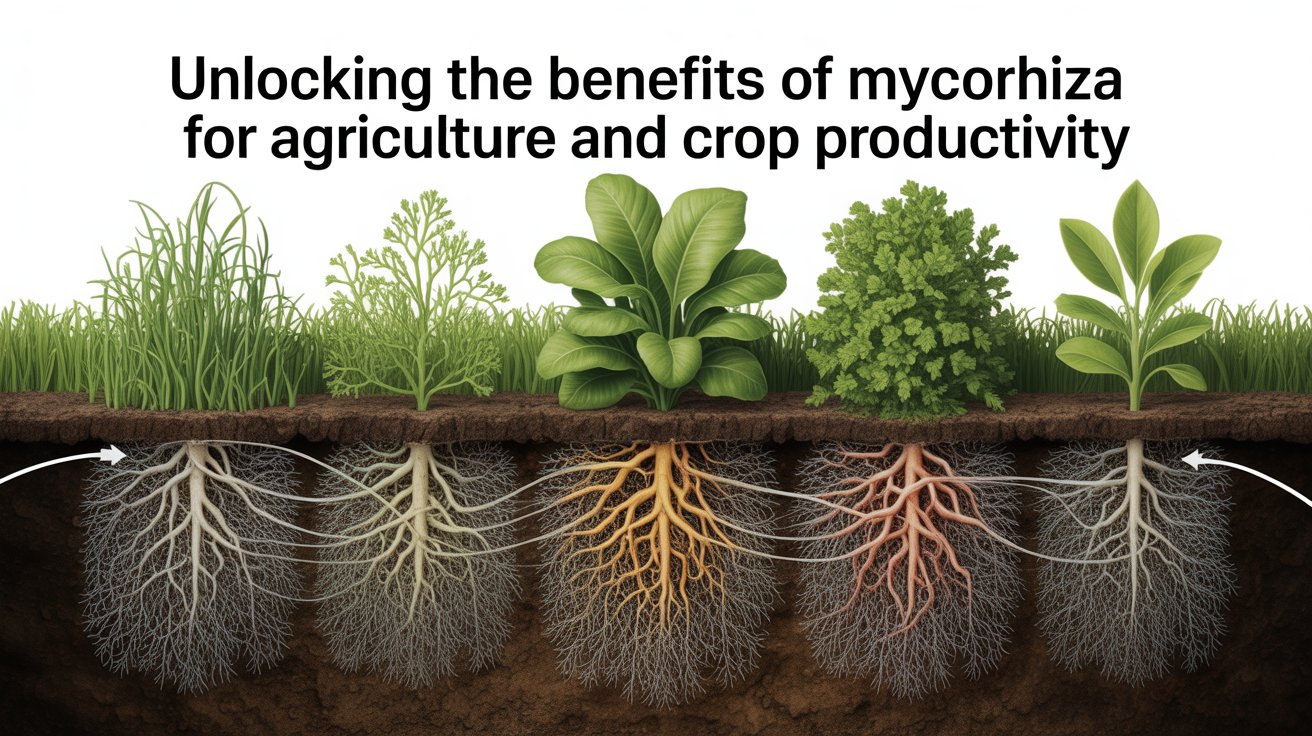
Mycorrhiza is a beneficial fungus that exists in relationship with plant roots and enhances their strength and growth naturally.
Mycorrhizae can provide many beneficial soil quality improvements each season. Mycorrhizae can help improve nutrient uptake, soil structure, and resistance to drought and disease; it helps crops uptake important nutrients like phosphorus and nitrogen while reducing the need for chemical fertilizers to achieve higher soil health in the long term.
This excess of natural fertilizer of mycorrhizae supports sustainable agricultural practices while also making for more resilient plants, and applicable to a variety of grains, vegetables, and fruits helping farmers increase productivity.
Introduction: Understanding Mycorrhiza in Agriculture
Mycorrhiza is one of nature's most important partnerships, as fungi and plant roots working together will produce stronger, more productive crops. Mycorrhizae is a living bridge between the soil and the plant, helping to facilitate nutrient uptake, water uptake, and plant health. In agriculture, mycorrhizae provide many benefits. They increase soil fertility, increase crop yield, and assist the plant in alleviating environmental stress naturally. For those farmers who want to reduce chemical usage and embrace sustainable practices, mycorrhizae is a potent, natural way to do that!
What is Mycorrhiza?
Mycorrhiza refers to a mutually beneficial relationship between fungi in the soil and roots of plants. The fungi invade the plant’s roots, generate out into the soil using a network of filaments (hyphae) affiliated with the root system, acting as an extension of the root system. The fungi provide the plant with extra nutrients and moisture beyond what the plant can absorb, and the fungi receives carbon through photosynthesis from the plant.
- Mycorrhizal fungi increase the effective root surface area for nutrient uptake.
- They aid in plant availability to important nutrients in the soil, such as phosphorus, nitrogen, and micronutrients.
- This partnership contributes to health, more robust, and more resilient species.

Importance of Mycorrhiza for Crops
The benefits of using mycorrhiza in agriculture can be seen with healthier growing crops that may rely less on synthetic fertilizers and chemicals to optimize their healthiness. The mycorrhizal fungi agglomerate into mutualistic associations that stand as a natural infrastructure of support for plants when it comes to the nutrient gradient, as well as root development. Particularly, crops such as wheat, maize, legumes or most vegetables will be positively impacted by mycorrhizal associations.
Key Points:
- Increased Nutrient Uptake: Crops can uptake more essential minerals and nutrients, particularly phosphorus and zinc.
- Improved Root Development: Mycorrhiza enhances rooting depth, which can lead to enhanced anchorage and a greater ability to utilize deep soil nutrients.
- Improved Stress Tolerance: Plants also become easier or stronger to accept ( tolerate) certain abiotic stressors such as drought, salinity, or abiotic temperature levels.

The advantages that mycorrhiza provides makes it a key feature of agricultural sustainability, allowing crops to grow more naturally and improving soil productivity over a multiyear time period,
Key Advantages of Mycorrhiza in Agriculture graphics
The advantages of mycorrhiza extend well beyond nutrient uptake, acting as a major contributor to the ecological balance in a farming system. By contributing to soil biodiversity, reducing reliance on fertilizers, and promoting plant resiliency mycorrhiza contributes to productivity and sustainability.
Main Benefits:
- Increased crop productivity: Mycorrhizal fungi improve nutrient efficiency resulting in adequate crop growth and yield.
- Reduced reliance on chemicals: Facilitated nutrient transfer reduces synthetic fertilizers and mitigates chemical dependency.
- Soil health benefits: Mycorrhiza improves soil structure and improves beneficial cycling microorganisms.
- Increased stress tolerance: Crops have improved adaptability to civil unrest, pressures, wet and dry conditions, poor soil, disease and pest pressures.

Enhancing Crop Growth and Nutrient Uptake
The advantages of mycorrhizae in agriculture are extensive and focus on increasing crop growth and uptake of nutrients. Mycorrhizal fungi establish a relationship with the root systems of plants and they aid the plant in uptaking the important nutrients, nitrogen, phosphorus, and micronutrients from the soil. This nutrient uptake is important in developing healthy roots, maintaining strong stems, and producing productive crop yields.
Mycorrhizae improves fertilizer efficiency so that crops can grow optimally with less chemical use. The additional benefits from mycorrhizae extend to soil health and structure, root structure and quantity, and tolerance to stress (water and/or environmental). Crops grow faster and produce higher yields with mycorrhizae due to better uptake of nutrients and established healthier root systems.
Improving Nutrient Absorption Naturally
A significant advantage that mycorrhizae offers is its ability to increase nutrient absorption in a natural and sustainable manner. The fungal hyphae growing out beyond the root zone are also increasing the plant area for extraction of nutrients. They allow for nutrient uptake that would not happen naturally, particularly under low soil fertility conditions and compacted soils.
The plant is much more efficient at acquiring key nutrients such as phosphorus, nitrogen, potassium, zinc and copper - all critical for healthy plant growth and development. The greatest advantage for mycorrhizae is it's ecosystem service to reduce fertilizer applications, while maintaining valuable microorganisms in the soil which are essential for maintaining soil health and biodiversity for future production.
Mycorrhizae provides key benefits for nutrient absorption:
- More natural mobilization of nutrients in soils.
- Less need for chemical fertilizers.
- Overall improved plant health and metabolism for growth.

Root System Expansion for Better Productivity
Mycorrhizae have more than just surface effects for plants; these fungi live underground, establishing expansive networks of hyphae that effectively behave as extensions of the root system (i.e., additional root systems). The hyphae significantly increase surface area to access water and nutrients from a larger volume of soil. This ultimately leads to greater health, resiliency, and productivity.
A stable root system is helpful for nutrient use efficiency, drought resistance, and pest/disease resistance. The benefit of mycorrhizal associations presents more remarkably when a plant is in an environment that would naturally yield very poor soil nutrients. Mycorrhizal associations will present the advantage of allowing additional root branching while contributing to stability, anchoring, and overall health.
Some efficacy referring to the expanded role a root system serves:
- Increased water absorption and nutrient efficiency.
- Improved stability and consistency of growth.
- Solving growing conditions where soil conditions and the composition of the soil nutrient pool was challenging.

Advantage of Mycorrhiza in Crop Yield
One of the best things about mycorrhiza for agriculture is its natural ability to improve crop yield. Mycorrhiza plays a huge role in changing how plants absorb nutrients, facilitate root growth, and improve plant vigor, all of which contribute to the quality and quantity of crops harvested. There is also a pronounced increase in crop productivity as well as resistance and efficient use of available soil resources.
Mycorrhiza also has a much different advantage in that it increases yield through improvement in soil fertility and function. A healthy mycorrhizal community improves both nutrient cycling and beneficial soil microbes; therefore sustains a continuous yield performance, for farmers who are serious about sustainable agriculture even over multi-year growing seasons as they try to cope with ecological means of increasing production for the “modern farmer”.
Key Takeaway on Mycorrhiza’s Contribution to Crop Yield:
- Increase in plant nutrient efficiency and biomass.
- Improves flowering and fruiting development.
- Enhances yield quality as well as sustainability.

Drought Resistance and Water Efficiency
Mycorrhiza is important to the survival of crops under drought stress and for the reduction of water use in agriculture overall. The mycorrhizal relationship between fungi and plant roots expands a plant's root system through a network of very small (microscopic) fungal filaments called hyphae. Hyphae are able to explore a large portion of soil space beyond just the roots of plants, which improves water absorption and retention. A major benefit of mycorrhiza is that it enhances a plant's natural drought tolerance, which has an effect of decreasing the need for irrigation systems, thus increasing the potential for a more sustainable agricultural practice in dry areas.
The mycorrhizal relationship improves the overall physical structure of the soil, ultimately allowing for more moisture retention and preventing dehydration that can occur during long dry periods. This natural adaptation not only increases plant survival but is another method for obtaining crop yield even in limited water conditions, further demonstrating the positive advantages of a mycorrhizal relationship in modern agricultural practices.
Increasing Drought Tolerance in Crops
Plants that have partnered with mycorrhiza are much better than similar plants without mycorrhiza to withstand dry and arid conditions. These fungi develop a vast network of hyphae that enable plants to extract water from much deeper and wider soil depths than normal roots are able to do. In many cases, this capability to access deep water will enable crops to persist and continue growth during repeated dry conditions when water is no longer available at or near the surface.
Key Ways Mycorrhiza Aids Drought Tolerance by Plants
- Deeper Root Exploration: The mycorrhizal hyphae penetrate much deeper and wider in the soil exploring for water that normal roots cannot access.
- Increase Water Retention: Through the fungi's influence on soil aggregation, soil can hold and retain water for longer periods of time.
- Decrease in Stress: Plants colonized by mycorrhiza wilt less and continue to grow through prolonged shortened amounts of moisture.

The benefits of the mycorrhiza to plants show how fungi partnerships increase crop resilience and lessen the negative effects of water scarcity to agricultural productivity.
Reducing Irrigation Requirements
One of the main advantages of mycorrhiza implementation in agriculture is water reduction. When mycorrhizal fungi inhabit a plant's roots, the plant uses water more efficiently. As a result, farmers will need to irrigate less frequently and conserve more resources and costs.
In trials where fields with crops receiving a mycorrhizal inoculant were compared, the irrigation frequency was reduced without loss in yield or quality. Mycorrhiza help evaluate the water use efficiency (WUE) ratio; and can produce equal or more biomass with the same amount of water, or significantly less.
Key Benefits of Reducing Irrigation Applications:
- Water Conservation: Mycorrhiza improves growing crops with infrequent watering.
- Cost Reduction: Suggesting and implementing crop irrigation rates relative to reduced energy and water costs.
- Sustainable Agriculture: Not over depleting available groundwater resources and maintaining environmentally sustainable agriculture.
Where water depletion is concerning, mycorrhizal inoculants are a completely natural and low cost way you could enhance the benefits of saving water use while increasing crop performance
Benefits of Mycorrhizae to Plants in Dry Climates
Mycorrhiza is a fundamental component of crop and soil fertility in dry and semi-arid conditions. These fungi serve to help facilitate plant adaptation to adverse environments by improving nutrient uptake, increasing moisture retention, and enhancing soil structure. The positive attributes to plants provided by mycorrhizae exceeds those of mitigation of drought conditions, as it also serves to improve photosynthetic efficiency, improve root strength, and overall vitality of the plant.
Key Benefits in Dry Conditions:
- Soil Health Enhancement: The fungal network binds together soil particles and limits erosion and evaporation.
- Improved Nutrient Accessibility: Mycorrhiza extracts and releases nutrients such as phosphorus and nitrogen that may be largely non-mobile in dry soils.
- Long-term Resiliency: Crops are more resilient to recurrent drought conditions and temperature fluctuations

Through these powerful natural processes, mycorrhiza enables sustainable farming in difficult environments. The unique collective positive benefit of mycorrhiza can drive higher water efficiencies and higher crop survival; therefore, it is an essential driver of climate smart agriculture and conserving soil.
Pest and Disease Management in Agriculture
Mycorrhizal fungi do more than facilitate nutrient uptake and improve soil health. It is also a natural defense mechanism for plants. Mycorrhizal fungi form a protective shield around roots, thus preventing fungi and pathogens from entering the plant system. As a result of this beneficial association, plants are fortified, making them more resilient to soil-borne diseases, pests, and environmental stressors. Mycorrhizal fungi can decrease the reliance on chemical pesticides when integrated into an agricultural system and help promote a healthier, more harmonious ecosystem. The benefit of mycorrhiza in pest and disease management is that it triggers the plant's own natural defense responses as environmentally friendly.
H3: Natural Defense Mechanisms
One of the major benefits that mycorrhizae offer plants is the establishment of natural defense mechanisms, which can improve crop survival and yield. Mycorrhizal fungi facilitate root strength and contribute to a biological barrier to root pathogens, such as Fusarium, Phytophthora, and Pythium. Mycorrhizal fungi can also cause the plant to produce natural compounds it can use for disease protection, including many phenolics and antioxidants, which can decrease disease attacks and increase immunity.
Natural Defense Mechanisms of Mycorrhiza:
- Barrier Formation: Mycorrhizal fungi form a physical layer at the root crown to help block infection.
- Enzyme Creation/Activation: With infected plants, additional enzymes will be produced with the mycorrhizal fungus, helping to neutralize pathogenic microbes.
- Nutritional Balance: The overall health of the plant will be maintained with better nutrient uptake, which can help prevent disease.
By relying on the benefits of mycorrhiza, Farmers can achieve disease suppression in agriculture when we can utilize the complex and multifactorial role of mycorrhiza in plant health and stewardship of the globe.
Eco-Friendly Pest Control
Mycorrhizae support environmentally safe seen through developing plant resistance and enhancing soil's beneficial microbial population. Mycorrhizal fungi create a natural symbiotic partnership and help enhance the plant immune system, resulting in lower pest attraction, both above and below ground. Mycorrhizal fungi support beneficial microbial growth that can compete with detrimental ones or suppress their growth, resulting in pest-resistant soil.
The key advantages of environmentally sustainable pest control using a mycorrhizal organism:
- Reduced reliance on chemical pesticides; mycorrhiza will advance the plant and soil resilience towards insect and pest effects.
- Improved soil health; beneficial microbes will be enhanced in the plant's rhizosphere that will assume a function of naturally reducing pest pathogens.
- Sustainable ecosystem; environmental control maintains ecological balance and sustains pollinators and soil organisms.

The novelty of mycorrhiza, in a pest control discussion, is its ability to create a natural defense ecosystem by superseding harmful pesticides with biological resilience.
Advantage of Mycorrhiza for Crop Protection
Mycorrhizae provide plants with added protections from both pests and diseases. Mycorrhizal fungi can help to develop a stronger root system for the plant and increase overall plant health that helps protect plants from external factors. Fungi are acting as a living barrier to stress factors, as both once there is avoidance of infection and once the infection is controlled.
Key Benefits for Crop Protection:
- Root Development- Increased root connectivity is associated with improved stability and disease resistance.
- Pathogen Resistance- The establishment of fungal colonies reduces the access of pathogens into plant tissues.
- Stress Recovery- Plants with mycorrhizae are observed to recover quicker from infections and environmental injury.
Yield Maintenance- Healthy plants with less disease have less loss and achieve better yields.

Farmers can utilize mycorrhiza as a natural protective mechanism for their crops, while still upholding soil health and productivity among dual ecosystems. With its combination of immunity, soil fertility, and stress response traits, mycorrhiza is emerging as one of the best sustainable asset available to farmers.
In conclusion, the value of mycorrhiza in pest and pathogen management is derived from the costs to manage crop protection biophysically while enhancing soil and crop plant health. This sustainable, natural strategy enables farmers to manage crop procedures productively and with less hazardous chemical exposure to the environment, providing all of agriculture a more agricultural future where sustainability is an objective for all.
Soil Health and Sustainable Farming
The prerequisite for sustainable agriculture is healthy soil. Mycorrhiza is essential to sustaining that health. Mycorrhiza are beneficial fungi that live in a symbiotic relationship with plants by growing in the plants' roots and improving nutrient uptake and soil fertility. The benefits of mycorrhiza include improving soil structure, retaining organic matter, and improving plant resilience. In addition, mycorrhizal fungi create an underground network of hyphae that can help plants share nutrients and water more efficiently.
In sustainable agriculture, the benefit of mycorrhiza is the reduction of synthetic fertilizers and pesticides, which can promote productivity over an extended period. The benefits of mycorrhizae to plants do not end with immediate plant growth—it extends to the soil which promotes soil biodiversity and increases the living ecosystem that sustains crops.
Improving Soil Fertility and Structure
A main advantage of mycorrhiza is its function in soil fertility. Mycorrhizal fungi enhance nutrient availability through the secretion of enzymes that degrade organic materials and liberate phosphorus, nitrogen, and micronutrients. Nutrients are taken up by the roots of plants through the network of fungus. Fertile soil, which is well structured soil encourages vigorous plant growth.
Key points:
- Improved Nutrient Cycling: Mycorrhizal networks recycle nutrients and improve accessibility to plants.
- Improvements to Soil Aggregation: The hyphae of fungi bind soil particles together, enhancing aeration and minimizing erosion.
- Sustainable Fertility: Mycorrhiza sustains nutrient levels through time without excessive nutrient removal from soils.

H3:Supporting Beneficial Soil Microbes
Mycorrhiza does not act on its own - it forms associations with other favorable soil microbes such as bacteria and actinomycetes. These microbes work to decompose organic materials, fix nitrogen and repel pathogenic microbes. Together, these functions create an ideal soil ecosystem in which we can produce healthy and sustainable forms of agriculture.
Key Points:
- Microbial Cooperation: Mycorrhiza enhances microbial cooperation to provide favorable bacteria which enhance nutrient cycling.
- Suppression of Disease: A healthy population of microbes reduces soil-borne diseases.
- Balance of the Soil Ecosystem: Microbial diversity will promote the development of healthy, resilient and fertile soils.
The benefits of mycorrhizae on plants are maximized by microbes working together with them. Mycorrhiza fungi stimulate root exudates which are attractive to beneficial microbes and allow active and potentially self-sustaining soil food web dynamics to occur. All of this leads to crops that are healthier, will grow more vigorously, and are growing the crops more naturally resistant to disease.
Reducing Dependency on Chemical Inputs
In contemporary agriculture, the biggest asset of mycorrhiza is to lessen the reliance on chemical fertilizers and pesticides. The benefits of mycorrhizal fungi enhance nutrient availability from the soil, hence crops need less material input to grow, which saves on costs and reduces soil deterioration or cumulative effects of excessive use of chemicals involved in conventional practices
Key Points:
- Natural Fertilization: Mycorrhiza improves nutrient uptake and lowers rental of synthetic fertilizers.
- Eco-Friendly Farming: Reduces pollution and the environmental impact of chemical run-off.
- Long-Term Soil Health: Prolonged use of mycorrhiza improves and builds healthy soil ecosystems that are fertile and balanced

FAQs
Q1 What is Mycorrhiza?
Mycorrhiza is a natural relationship between fungi and plant roots that aids in the more efficient absorption of nutrients and water by plants.
Q2 What Benefits Do Mycorrhizae Provide to Plants?
Mycorrhizae aid in improving nutrient uptake, increasing growth, increasing drought tolerance, and increasing resistance to pest and disease.
Q3 How Does Mycorrhiza Reduce Fertilizer Use?
Mycorrhiza increases the ability of the plant to absorb nutrients, such as phosphorus and nitrogen, and will help to create a decrease in the use of chemical fertilizers.
Q4 Can Mycorrhiza Improve Crop Resilience?
Yes, mycorrhiza will assist in strengthening the root system, therefore allowing the crops to better withstand drought, poor soils, and other environmental stresses.
Q5 Which Crops Benefit Most from Mycorrhiza?
The majority of crops, which include cereals, pulses, vegetables, and fruit trees, would benefit from mycorrhizal associations
Q6 How Do I Apply Mycorrhiza in Agricultural Fields?
Mycorrhizal inoculants may be mixed with soil, coated on seeds, or applied in the planting process to create and establish fungal networks.
Q7 What is the Advantage of Mycorrhiza in Sustainable Agriculture?
Mycorrhiza helps with soil health, reduces chemical inputs, improves crop yields, and supports a longer-term sustainable agriculture.
Conclusion: Harness the Benefits of Mycorrhiza for Sustainable Agriculture
Mycorrhiza plays a crucial role in sustainable agriculture because it promotes soil health, enhances productivity, and reduces dependency on fertilizers. This valuable fungus forms a symbiosis with plant roots that enhances nutrient and water uptake. This fungus helps crops become more vigorous, healthier, and more stress-tolerant. The benefits of mycorrhiza do not stop here; mycorrhiza also maintains soil fertility, protects against erosion, and promotes biodiversity in entire ecosystems.
A clear benefit of using mycorrhizae for sustainable agriculture is the development of self-sustaining closed loop soil systems. Mycorrhizae is not just another synthetic fertilizer that provides nutrients for a limited time, while mycorrhizae is an ongoing process for recycling nutrients, improving soil structure, and enhancing microbial activity, thus improving benefit to the environment by reducing inputs and costs.
If farmers can use mycorrhizae sustainably over time and on scale, they can improve soils for sustainable farming, and have a legitimate positive environmental impact that can pay long-term dividends.
The conservation of mycorrhiza is not just about successful agricultural or cropping systems, but also successful modern agriculture. The ways that mycorrhiza improves plant growth such as nutrient uptake, prevention of drought stress, and resistance to pathogens will all come together to achieve this for sustainable agricultural development.