

Unlocking the Secrets of Basic Amino Acids Structure in Agriculture
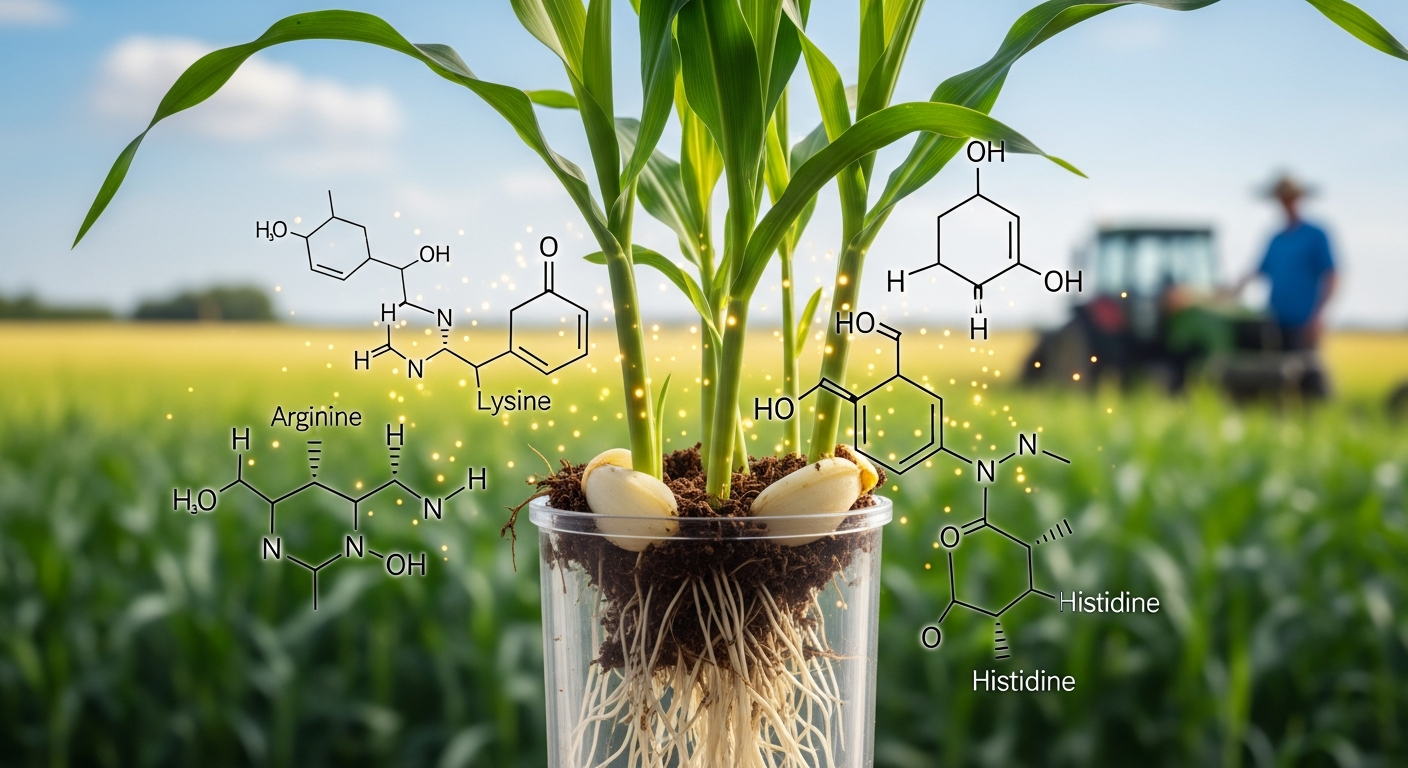
Essential amino acids, or basic amino acids, are the fundamental elements of plant proteins; they constipate traditional grains for nourishment within humans. When farmers understand how basic amino acids are structured, they can better understand how these tiny organic molecules assist in many important processes that occur in plant bodies. They also act as highly charged (positive) molecules and play a vital role in helping plants absorb nutrients, convert energy, and develop/maintain their internal biological processes. Just as a child is nourished through complete grains, basic amino acids provide foundational building blocks for every type of crop grown in fields.
Through the science of amino acids and agriculture, we can see how amino acids provide an energy source for plant growth, repair cells damaged during injury or disease, and aid plants during periods of environmental stress. The primary basic amino acids (lysine, arginine, histidine) assist with root and shoot development, nitrogen energy consumption, plant reproduction through flowering, and enhancing plant resilience to periods of heat/drought. Because of their unique metabolic structures, amino acids activate certain plant enzymes, strengthen plant cell walls, and improve nutrient transport within plants; therefore, they are an essential agricultural resource for improving agricultural efficiency without over-relying on synthetically produced chemicals or fertilizers.
From seed germination to harvesting is where the effect of amino acids will take place; from when plants use amino acids to enhance their photosynthetic process and replenish their depleted energy stores after they undergo periods of environmental stress (e.g., drought or flooding), to when plants utilize amino acids to stimulate their growth and development during both the soil-based and hydroponic growing seasons.
Understanding the Fundamentals: What Are Basic Amino Acids in Plant Science?
Basic amino acids play an important role in plant development as an organic nutrient source, providing growth supporting functions. Basic amino acids can support greater nutrient absorption, build plant metabolic systems and increase a plant's tolerance level to stress. By understanding basic amino acid structure, farmers can make educated choices when caring for crops and supplying nutritional support to their crops.
Basic Amino Acids Structure and Their Meaning for Crops
Basic amino acids, which include the amino acids lysine, arginine, and histidine, are characterized by having positively charged side chains (or branched chains), and as a result they are extremely active in promoting and supporting the metabolism of plants.
The structures of basic amino acids allow for plants to metabolize nutrients into energy and for plant health,-especially during the most critical plant life cycles (rooting and flowering)
Benefits For Crops Include:
- Greater Nutrient Transport Throughout the Plant
- Rapid Formation of New Cells and Extension of Roots
- Increased Photosynthesis and Activity of Plant Enzymes
- Enhanced Structure of Plant, Leading to Increased Ability to Withstand Stress
Why Basic Amino Acids Are Important : The positive charge on the side chain of the basic amino acids provide a more efficient use of the available nutrients by plants and decrease the amount of waste produced, thereby increasing biomass, growth, and yield. The positively charged basic amino acids also allow for better interaction with plant cells leading to greater growth and overall but less waste.
Types of Basic Amino Acids Used in Agriculture
Different essential amino acids provide distinct advantages for growth. Many amino acids are produced naturally by the plant but by applying them to the outside of the plant, the effect will be enhanced in all growing conditions as the plants will "perform" better during environmental stress (drought, heat, adverse soil conditions, etc.)
Common Essential Amino Acids Used in Crop Nutrition Include:
- Lysine - helps to develop stronger roots and aid in early development.
- Arginine - contributes to increased nitrogen metabolism and flower development.
- Histidine - aids in recovering from environmental stress and increasing nutrient absorption from the soil.
- Ornithine (only in some formulations) - aids in protein synthesis and the repair of damaged cells.
Why plants need essential amino acids :
Plants are frequently affected by environmental stresses, and the application of these amino acids helps them to achieve consistent, steady growth. Each amino acid serves a different purpose in terms of flowering and nutrient use efficiency.

Why Farmers Should Understand Chemistry Amino Acids
Farmers can benefit from an understanding of amino acid chemistry, which describes how amino acids function within the plant, using this understanding to select the best amino acids to apply (as input) to achieve the greatest benefits.
Benefits of Knowing How to Use Amino Acids For Farmers:
- To assist with selecting products with the best fit for a specific crop type.
- For improved timing of when to apply foliar and soil applications.
- Reduces the need for using harmful chemical fertilisers.
- Improves quality and marketability of their crops.
Why This Is Important:
By knowing how amino acids behave chemically (polarity, charge, functional groups, etc.) farmers can better use them in the proper manner for their crops. When applied correctly, amino acids improve crop health, increase yields and improve soil sustainability for future generations.
The Molecular Structure of Basic Amino Acids in Crop Physiology
The development, nutrient uptake, and environmental responses of plants depend heavily on the presence of basic amino acids. Their structures are unique; consequently, they efficiently improve the metabolism of plants and the productivity of crops through their unique structure. Through knowledge of the basic amino acids' structure, farmers are able to select the most appropriate inputs for producing healthy and high-yielding crops.
Chemical Bonds and Side Chains That Support Plant Metabolism
The side chains of basic amino acids (Lysine, Arginine, and Histidine), which are generally found as part of proteins in plants, respond rapidly for plant cell activity.
The following characteristics are characteristic of these amino acids:
- A specific type of chemical bond allows for more efficient activation of enzymes critical to plant survival by using basic amino acids as "active helpers".
- The ability to form a positive charge with a basic amino acid allows this type of amino acid to bind to nutrients more effectively, which is advantageous to all plant cells.
- Basic amino acids play an important role in forming and strengthening the metabolic pathways associated with plant growth and repair.

How Basic Amino Acids Interact With Plant Cells
Basic amino acids are positively charged, which is vital for the ability of plants to absorb nutrients.
Basic amino acids:
- Attract minerals (e.g., magnesium, calcium, iron) so that they can be absorbed more easily.
- Facilitate movement of nutrients within the plant, i.e., from leaf to stem.
- Improve use efficiency of nutrients—reduce the amount of fertilizer wasted.
It is important to know how basic amino acids attract and transport nutrients throughout the plant when working with modern farming to achieve optimal fertiliser and biostimulant use. When mixed with nutrients, they act as a natural carrier for improved speed of nutrient absorption and improved efficiency of nutrient utilisation.
The Importance of Positive Charge in Crop Nutrition
Basic Amino Acids can move into and support internal processes of Plant Cells quickly.
Basic Amino Acids Provide:
- Strengthened Cell Wall Structure and Strength;
- Improved Nutrient Absorption/Utilization through Activation of Associated Enzyme Systems.
- Improved Mobility of Water & Nutrients Inside the Plant.
Basic Amino Acids enter the cells of Plants quickly When Applied via Foliar Applications/Soil Applications. Due to their positive charge Basic Amino Acids will readily attach to the Negatively Charged Components of Plant Cells. This attached state facilitates the formation of Proteins, stimulating Stronger Root Development, while regulating the flow of Moisture/Nutrients through the Plant's tissues. As a result of the above interactions Between Basic Amino Acids and Plant Tissues; total Plant Resilience is Enhanced, which is beneficial for Crop Health during Adverse Growing Conditions.

Functional Groups and Their Role in Basicity for Agricultural Use
Different Amino Acid Functional Groups Have Different Effects On The Growth Of Plants. Learning About The Structure Of Amino Acids Will Assist Farmers In Understanding How The Amine Group And Carboxylic Acid Group Affects Nutrient Absorption, Stresses And Vitality In Plants. Functional Groups Are Essential Components Of The Chemistry Of Amino Acids And The Mechanism Of Action Of Amino Acids In Agricultural Systems.
How Amine Groups Support Plant Growth & Stress Recovery
Amino acids are thought to have an amine group (NH2) that makes the amino acid alkaline (a base) and necessary for the rapid growth of plants.
Points about amino acids:
- Amine groups help plants create proteins more quickly.
- Amine groups support the utilization of nitrogen and stimulate the development of root and leaf systems.
- Amine groups speed up the recovery of plants from drought stress, heat stress, transplant shock, and repair damaged tissues after being stressed.
- Amine groups stabilize individual plant cells, making crops more resistant to thermal and water stresses in addition to damaged tissue.
The amine group in the basic amino acid structure of an amino acid has a positive (+) charge and is highly interactive in the cell of a plant. It interacts with nutrients and enzymes easily and rapidly facilitates the reactions that are essential to the growth of a plant. When plants are under stress, amino acids with a strong action on their amine group allow plants to repair tissue, return metabolic processes to normal, and maintain healthy levels of chlorophyll
The Role of Carboxyl vs Amine Groups in Plant Absorption
The two different types of groups (carboxyl and amine) provide complementary methods by which amino acid uptake by plants can be enhanced efficiently.
Major Points:
- The carboxyl group helps the amino acids to solvate and disappear/tumble from within the tissues of the plant.
- The amine group activates the enzymes and also begins the chain of events leading to growth.
- When a plant receives amino acids via either the roots or the leaves, it will utilize the balanced combination of these groups to maintain the pH levels and nutrient flow within itself.
- Because both the carboxyl group and the amine group make the amino acids more accessible for the plant to take up, they aid the plant's ability to grow.
A feature of plant amino acids (or amino acid molecules) is that the carboxyl group is associated with the amino acid molecule's mobility within the plant as well as its initiation of chemical events within the plant. By having both of these features combined into one group of groups, amino acids will readily penetrate into plant cells and thereby accelerate the efficiency of the uptake, metabolism, and overall health of plants.
pKa Values and How They Influence Foliar Uptake
The pKa of amino acids determines their ability to be absorbed into plants through the leaves when foliar spraying them.
Key Points:
- The lower the pKa value of an amino acid, the more likely it will be absorbed through the leaf.
- The pKa of amino acids determines how they will behave at different pH levels.
- Correct pKa values improve the efficiency of using them as nutrients for growing crops.
- They reduce the amount of fertilizer applied and support stronger crop growth.
The pKa of amino acids is critical to knowing how they will interact with leafy crops via the leaf cuticle. Amino acid pKa values that are lower than desirable mean that the amino acid will be absorbed into the cells of the plant rather than getting stuck in the cuticle or getting into the soil. Once the amino acids are absorbed into the leaf cells, they immediately begin activating metabolic pathways, thus allowing the crops to better utilize the amino acids as a source of nutrients, even under adverse conditions.

Key Basic Amino Acids: Lysine, Arginine & Histidine in Agriculture
Amino acids are the basic building blocks of plants. Basic amino acids have an important role in how crops respond to soil and grow. They are responsible for many plant functions including root development and resistance to stress. By understanding the molecular structure of basic amino acids, farmers can apply them correctly in order to achieve better results with their crops. Basic amino acids are responsible for nutrient absorption, protein synthesis, enzyme activation and improved overall health of the plant, thus serving as some of the most important tools we can use to produce sustainable agriculture.
Lysine for Root Strength & Early Growth Stimulation
Lysine is an essential amino acid and is very important in developing strong rooting systems for agricultural crops. Lysine helps to establish plants as they germinate through the early stages of their development (cell division and protein synthesis).
One of the important benefits of lysine in agriculture is that it provides:
- Stronger deeper root systems;
- Increased efficiency of early nutrient absorption;
- Accelerated recovery from transplant injury; and
- Increased early plant strength; allowing for a stronger plant for the long term living.
The reason why lysine works so well is because the positive charge of its side amino group makes it easy for lysine to bond with soil minerals and thus facilitate the chemical interactions between amino acids and soil that allow plants to access nitrogen and other nutrients.
Arginine for Flowering, Fruiting & Nitrogen Conversion
Arginine is one of the most valuable amino acids in flowering and fruit development since it is involved in nitrogen metabolism. It allows crops to take their nitrogen and turn it into usable forms that are used for flower formation, increasing the strength of pollen, and the process that occurs to set fruit.
Advantages of Arginine for Improving Crop Performance:
- Enhanced flowering and improved quality of blooms.
- Increased number of fruit sets with decreased flower drop.
- Increased nitrogen absorption and conversion into usable forms.
- Increased production of natural growth hormones.
Reasons to Use Arginine:
As an amino acid, arginine has several amine groups which give it a very high concentration of nitrogen, thus allowing plants to grow consistently regardless of nitrogen levels in the soil.
Histidine for Stress Tolerance & Soil Interaction
Histidine helps plants resist climate stress. The ability of histidine's structure to coordinate metal ions and regulate pH makes histidine particularly useful for growing crops where the quality of the soil is poor.
Some advantages of histidine for agricultural crops include:
- Increased tolerance to heat, drought, and salinity;
- Detoxifying metals in the soil;
- Helping to activate enzymes when recovering after stress;
- Supporting overall resilience to severe climatic conditions for the crop.
Histidine is effective because:
The imidazole ring (a prominent part of the structure of a basic amino acid) is a natural buffer that helps stabilize plant cells during rapid temperature and moisture fluctuations.

Biological Importance of Basic Amino Acids in Crop Development
Agricultural plants rely heavily on basic amino acids for growth, maintenance and full functionality. Basic Amino Acids, being very small molecules with a highly specific shape due to their unique structure of basic amino acids, help with almost every process inside the plant (e.g., stemming roots to adjust root systems to climate stresses). These basic amino acids have a positive charge and, as such, are easily absorbed into the plant cell after contact. Upon entry into the plant cell, the Basic Amino Acids cause a dramatic increase in the speed of nutrient absorption into the plant cell, as well as dramatically increasing the rate of metabolic activity within the plant.
Therefore, through the application and use of Basic Amino Acids, Farmers can have a better understanding of how to apply these specific chemicals to plants to increase both Yield and Stress Tolerance of crops. All plants are at the mercy of their environmental conditions; therefore, all plants, regardless of growth stage, can benefit from the use of Basic Amino Acids.
Supporting Protein Formation in Fast-Growing Crops
One of the most beneficial aspects of amino acids is their role in creating Protein.
Benefits of Basic Amino Acids:
- Amino Acids defined as basic Amino Acids have significant effects on the new cell proliferation rate of your crop. (Especially early vegetative growth)
- Lysine, Arginine, and Histidine help increase root and stem firmness.
- By providing the plant with better resources for forming critical enzymes, you improve the overall metabolism of your crop.
Fast-growing crops require the continual production of Protein, and this production directly depends on Amino Acid structure. The inherent structure of these three basic Amino Acids are providing your crop with building blocks for strengthening the plant and increasing recovery time from environmental and/or pest-induced stress. When farmers use foliar applications of Basic Amino Acids to feed the plant, the plant can immediately absorb these Amino Acids providing a rapid energy gain and growth increase.
Enhancing Photosynthesis, Enzyme Activity & Nutrient Use
Essential and Nonessential Amino Acids (protein and non-protein) enhance the rate of photosynthesis and nutrient uptake.
Benefits of amino acids as a fertilizer:
- Amino acids promote the synthesis of chlorophyll, producing lush green, healthy plant foliage.
- It is responsible for stimulating the activity of correction factors.
- Amino acids increase the rate of nitrogen uptake, which increases the efficiency of nitrogen utilization relative to the amount of nitrogen applied.
How Amino Acids Affect Plants
Through the chemistry of amino acids, we can show us how amino acids activate enzymes, which are responsible for the process of photosynthesis and for the conversion of nutrients into a usable form of energy. The application of amino acids will also enable crops to have an increase in chlorophyll production and be able to utilize sunlight better, thus resulting in more vigorous foliage development and greater energy production. When amino acids are applied to plants, the results are less waste of fertilizer and a greater yield quality.

Their Role in Cell Division, Repair & Plant Immunity
- Basic amino acids help strengthen the internal components of plants so that they may withstand droughts, pest infestations, disease, and other types of physical or environmental stressors.
- Amino acids assist in cell division and regeneration for healthy growth.
- Repairing damaged tissue will enable a plant to recover and regenerate after periods of drought, temperatures above normal, pest damage, or other physical or environmental conditions that may have caused damage.
- Basic amino acids also help boost a plant's natural immunity and provide the building blocks for enzymes used to defend against harmful pathogens.
Cell division through division and repair require the presence of amino acids. The presence of basic amino acids allows for cellular stability under periods of stress, including drought or pest damage. Amino acids also promote tissue rebuilding after the damage caused by environmental conditions, pest damage, or an inadequate nutrient supply (nutritional imbalance). Additionally, basic amino acids support a plant's immune system by providing enzymes to block out or kill dangerous pathogens. Amino acids are necessary for maintaining healthy production of plants throughout the growing season.
Differentiating Between Acidic and Basic Amino Acids in Agriculture
The role of acidic vs basic amino acids within the plant ecosystem are different. The information about the inherent qualities of these two groups of amino acids can help a farmer select suitable inputs for appropriate growth stages. Both types of amino acid aid in plant nutrient uptake and reproduction, resiliency to stress from weather fluctuations (i.e., droughts, cold snaps) and general plant metabolic processes; however, the effect of each group differs due to their respective chemical structures.
Structural Differences That Affect Plant Absorption
Due to their distinctive chemical groups, plants absorb acidic and basic amino acids through completely different processes.
- For example, while basic amino acids utilize a positively charged side chain, acidic amino acids maintain a negatively charged side chain, thus influencing how rapidly these amino acids enter into plants.
- Understanding how these amino acids are constructed makes it easier for farmers to determine which amino acid will help to build roots, facilitate photosynthesis and heal plants under stress.
The chemical differences in charge allow for each amino acid group to have its own unique interaction with the mineral resources present in soil as well as with specific enzyme activities in plants.
When Crops Need Basic vs Acidic Amino Acids
- Plants need different types of amino acids throughout each development stage. When a plant stressed by drought, heat salinity,
- For transplant shock, acidic amino acids aid in rejuvenating plant cell structures and increasing plant growth energy.
- Basic amino acids support active plant growth by increasing nitrogen utilization efficiency and activating plant enzymes.
- When farmers appreciate the chemistry of amino acids, they can apply them to crops to achieve greater crop yields.

Choosing the Right Amino Acids for Crop Type & Soil Condition
- Crop and soil types are two important factors that help determine the best type of amino acids needed for optimal growth.
- Basic amino acids tend to do well in soils with neutral to slightly acidic pH levels because their positively charged substrates assist with nutrient uptake through improved interactions between plants and soil nutrients.
- Acidic amino acids have been shown to perform best in alkaline soils where they can assist in balancing soil chemistry by providing negatively charged substrates.
- Farmers can increase yield through the use of amino acids along with promoting root development as well as encouraging long term viability of the soil through selection of amino acids based on crop types and soils.
FAQs
Q1. What is the basic amino acids structure in agriculture?
It refers to positively charged amino acids that help plants absorb nutrients, build proteins, and grow efficiently.
Q2. Why are basic amino acids important for plant growth?
They boost root development, improve nutrient uptake, and strengthen plants against stress.
Q3. How does chemical amino acids relate to farming?
It explains how amino acids interact with plant cells to enhance metabolism and overall crop performance.
Q4. Which basic amino acids benefit crops the most?
Lysine, arginine, and histidine are the most beneficial for growth, flowering, and stress tolerance.
Q5. Can basic amino acids replace fertilizers?
No— they enhance fertilizer efficiency but cannot substitute essential nutrients provided by fertilizers.
Conclusion: Why Understanding Basic Amino Acids Structure Matters for Farmers Today
Farmers who understand the basic amino acid structure will have an advantage with their plant health and productivity because the amino acids are directly related to many of the functions that occur in a plant that are essential for growth such as the uptake of nutrients, activation of enzymes, development of roots and recovery from stress. When farmers understand the different roles of the various types of amino acids, especially the positively charged amino acids, they will be able to apply the appropriate application during the appropriate growth stage, allowing crops to grow stronger and to be able to withstand drought and heat, better utilize the fertilizers applied, thus helping to reduce waste and improve the overall efficiency of the farm.
As the climate changes and soil related issues continue to pose an ever-increasing challenge to agriculture, understanding the chemistry of how amino acids assist plants in their growth will provide farmers with better ways to manage their crops. By incorporating amino acids into their crop management programs, farmers will be able to increase crop yields, provide greater resiliency, and improve the long-term sustainability of their soils. When a farmer understands how amino acids function, each application will be more effective and enable a farmer to produce healthier crops and to continue achieving sustainable success year after year.