
Unlocking the Power of Trichoderma atroviride for Sustainable Agriculture
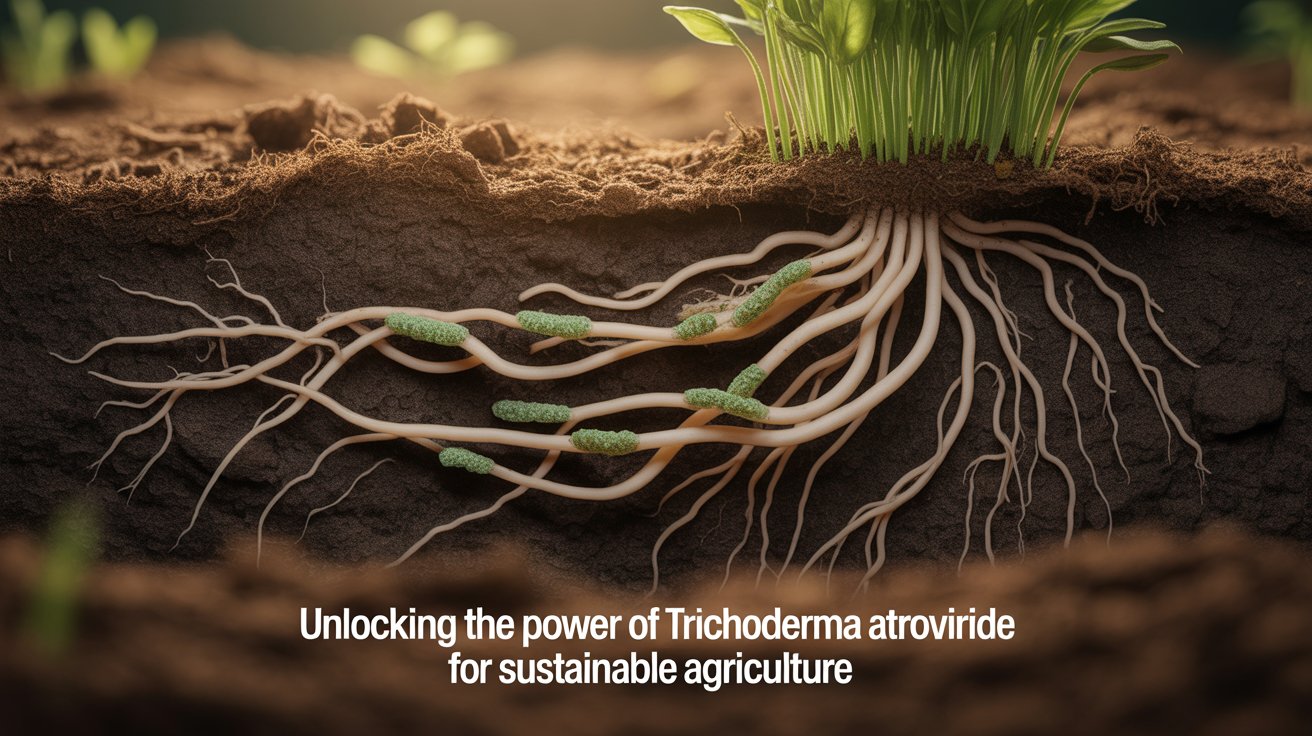
Trichoderma atroviride naturally exists as a fungus which helps improve soil health and grow stronger crops by growing on plant roots.
Trichoderma's biological activity protects plants against harmful organisms in the soil, improves nutrients from the soil to be absorbed by plants, and helps plants develop healthy roots.
Trichoderma naturally protects and enhances plant growth. Therefore, trichoderma are valuable components of sustainable farms by increasing plant resistance and yield, and promoting soil health in the long term.
It also supports healthier crops and better agricultural systems, regardless if they are vegetables, fruits, cereals or horticulture.
Understanding Trichoderma atroviride and Its Role in Agriculture
As one of the top beneficial fungi in today's agriculture the traditional group of trichoderma (trichoderma atroviride) has a major impact on improving soil health as well as protecting crops from disease. It's also part of the greater trichoderma family and has a significant role in improving plant growth, increasing the strength of roots, and keeping a balanced soil ecosystem. Additionally, trichoderma has the ability to suppress potential plant pathogens, making it an effective and environmentally friendly alternative for farmers looking for a solution to sustainable farming.
By understanding how trichoderma works, farmers can leverage the power of trichoderma to maximize the gains to plants and ultimately produce a greater yield of crops.
What Is Trichoderma atroviride?
Trichoderma atroviride is an advantageous soil fungus that has excellent biocontrol capabilities and is also capable of promoting the growth of plants. This beneficial fungus grows and associates with the roots of many species of plants, providing a barrier against harmful microbes.
Critical features include:
- As a biological control agent of many soil pathogens
- Encouraging the growth of healthy root systems and improving the overall health of the plant
- Enhancing the availability of nutrients within the soil for use by the plant
- An accepted product for use in organic and sustainable agriculture and horticulture.
Key Characteristics of Trichoderma Species
Several common characteristics of all varieties of Trichoderma contribute to their value to agriculture. These traits include the ability of Trichoderma to grow quickly, adapt well, and cogently combat plant pathogens.
Key Features:
- High rate of growth and aggressive colonization of plant roots.
- Produce enzymes that are able to decompose saprophytic fungi.
- Can compete with other micro-organisms for nutrients and limited space in the soil.
- Increased microbially diversity within an ecosystem

Importance of Trichoderma for Plants
Using trichoderma on crops is an important part of sustainable agriculture because it provides many benefits for the health of the crop and the fertility of the soil.
Here are the major benefits that trichoderma offers for plants:
- Disease resistance: It protects crops from root rot and infections from pathogens living in the soil.
- Growth promotion: It increases root length and vigor.
- Nutrient uptake: It increases the ability of roots to take up essential nutrients.
- Soil health: It supports the activity of beneficial microbes and the breakdown of organic matter in the soil.

Mechanisms Behind Trichoderma atroviride’s Effectiveness
Trichoderma atroviride has demonstrated its effectiveness as a beneficial fungus in agriculture by utilizing its various biological properties to help improve soil and root zone environments. It differs from traditional chemical controls, and utilizes the natural process of action to help control plant diseases, stimulate growth, and increase healthy soils.
Because of these various factors, Trichoderma has become recognized as a reliable and durable method for farmers who wish to protect and maximize productivity of their crops for prolonged periods.
Mycoparasitism and Pathogen Suppression
Mycoparasitism is an essential mechanism for Trichoderma Atroviride because of how it destroys harmful fungus in the soil.
How mycoparasitism works:
- Trichoderma recognizes necrotrophic pathogens in the root zone.
- Trichoderma then encircles the pathogen and creates a way to penetrate it through the cell wall.
- Enzymes within the Trichoderma break down the pathogen, thereby stopping its growth.
- Damages important pathogens like root rot, wilting, and damping-off.
Enzyme and Antibiotic Production
Trichoderma has the capability to make enzymes and antibiotics that will inhibit pathogenic microorganisms in the soil while at the same time enhancing the growing medium.
Key Functions:
- Enzymes such as chitinase and cellulase are produced by Trichoderma to degrade fungi pathogens
- Natural antibiotics are secreted to inhibit the development of pathogens
- Organic matter is decomposed which increases nutrient availability
- Microbial balance is improved in the soil

Induced Systemic Resistance in Plants
Trichoderma also helps plants by initiating their natural defenses, called induced systemic resistance (ISR).
How ISR works:
- Trichoderma physically interacts with plant roots,
- This interaction sends a signal to the plant helping to induce its defense mechanisms,
- Preparing the plant to resist future pathogen attack,
- Resulting in greater overall plant strength and resilience.

How Trichoderma atroviride Enhances Plant Growth and Health
Through natural biological processes, Trichoderma atroviride has a significant impact on crop productivity and health. It is a key member of the trichoderma species group and works in the root zone to enhance plant growth, establish beneficial root systems, enhance the availability of nutrients to plants, and promote healthy soil environments.
Trichoderma is effective in enhancing plant strength and has a long-term effect on soil productivity; therefore, it is a very important tool in contributing toward sustainable agricultural practices.
Root Colonization and Nutrient Uptake
Trichoderma atroviride promotes increased growth in plants through colonisation of plant roots, which creates a symbiotic relationship between Trichoderma atroviride and the host plant.
How Trichoderma atroviride works:
- Trichoderma grows out from the surface of the roots and colonises the root system.
- Trichoderma increases the surface area of the root system so the plant can absorb more nutrients.
- Trichoderma increases the availability and mobilisation of nutrients such as phosphorus and micronutrients.
- Trichoderma increases the efficiency of water uptake.

Plant Growth Promotion Benefits
Trichoderma for plants is commonly recognized as a growth enhancer that yields healthier and higher-yielding crops.
Some growth-enhancing characteristics include:
- Stimulating plant hormones that promote growth,
- Increasing leaf area and chlorophyll,
- Enhancing flowering or fruiting development,
- Enhancing plant vigor overall and potential yield.
Why is it important?
By enhancing the natural processes through which plants grow and develop, trichoderma atroviride can help your crops grow more quickly and out-compete their counterparts under multiple environmental conditions.
Role in Soil Microbiome Balance
To achieve sustainability in agriculture, it is essential to have a healthy soil microbiome. One of the most important components of a healthy soil microbiome is Trichoderma.
Trichoderma has many positive impacts on the soil microbiome, including:
- Competing with pathogenic – or disease-causing – microbes and suppressing their growth.
- Supporting the growth of beneficial microorganisms.
- Improving the decomposition of organic matter.
- Improving soil structure and aeration.

Applications of Trichoderma atroviride in Agriculture
Due to its potent beneficial biological properties supporting plant health and promoting sustainable soil management practices, Trichoderma atroviride is one of the most widely used species of this fungus in modern agricultural practices. Its combination with other natural phenomena such as mycorrhizal symbiosis creates synergy that enhances the associated mycorrhizal symbiosis, improving the effectiveness with which plants can take in nutrients.
The use of both mycorrhizae and Trichoderma as biological agents to establish a balanced ecosystem will improve both the ability of crops to withstand pest and disease pressure, the potential for organic farming, and create a sustainable source of soil nutrients for future generations.
Crop Protection and Disease Management
Trichoderma atroviride is one of the most valuable ways to help keep your crops protected from harmful disease-causing fungi (pathogens).
How To atroviride works:
- Competes with the disease-causing fungi in the soil for both nutrients and living space.
- Attacks and suppresses the pathogens via natural, chemical and physical mechanisms.
- Works with the plant and mycorrhiza to create a bio-barrier that will strengthen the plant.
- Forms a biological barrier that can help to protect the roots.

Use in Organic and Sustainable Farming
Trichoderma atroviride is an important tool in organic farming systems, because chemical fertilizer is usually kept to an absolute minimum.
Here are some examples of contribution to organic farming:
- Provides safe, non-toxic, chemical-free agricultural production for organic farmers
- Works to improve the symbiotic relationships with mycorrhizae, which enhance plant growth and health
- Promotes improved nutrient cycling in organic e.g. organic soil
- Provides sustainable environmental solutions/alternatives for growers
Soil Health and Fertility Improvement
Healthy soil is essential for productive agricultural systems, and Trichoderma atroviride is an important factor in improving the quality of soils.
Trichoderma atroviride has many key functions, including:
- Improving the rate of decomposition of organic materials
- Increasing microbial diversity, including mycorrhizal fungi
- Increasing the availability of key nutrients
- Improving the structure and aeration of soils

Effective Application Methods of Trichoderma for Plants
Maximizing the agricultural potential of Trichoderma requires proper application. Combining Trichoderma with mycorrhizal associations increases mycorrhizal functioning through enhanced nutrient uptake for the plant, disease and pest resistance, and improved soil health.
A variety of application techniques such as seed treatment, soil application, and appropriate rates of usage provide an effective environment whereby Trichoderma and mycorrhiza can work together to promote sustainability during crop production.
Seed Treatment Techniques
Seed treatment is a great way to use beneficial microbes (like Trichoderma) as a positive influence on plant growth right after the seed is planted.
How It Works:
- The seeds are treated with a Trichoderma formulation before the seed is planted
- so that Trichoderma has time to colonize the roots before the seedlings emerge
- This ensures the mycorrhiza will have an easier time establishing a relationship with the plant.

Soil Application and Inoculation
By using soil applications, it helps improve the soil’s health and stimulate microbiological activity found in the root systems of plants.
Methods of application
- Mixed with compost or organic manure.
- Applied directly to the soil at the root zone.
- Starter in a nursery-bed (plants).
- In the soil for plant establishment.
- Combined with mycorrhiza for enhanced results.
Benefits
- Balances soil microorganisms.
- Increases the available nutrients and their uptake.
- Provides for long-term soil fertility.
- Increases the symbiotic relationship between mycorrhizae and roots.

Dosage, Timing, and Best Practices
To ensure the highest levels of effectiveness with Trichoderma and mycorrhiza, dosing and timing must be correct.
Best practice is to:
- Apply at early crop growth stages for greater potential root colonization.
- Keep soil moist to enable microbial activity.
- Avoid using strong chemical fungicides with these products.
- Reapply these products if a long-term crop has been established.

Environmental and Economic Benefits of Trichoderma
Environmental and economic benefits make Trichoderma an effective solution for today's farmers. Trichoderma helps to create a stronger mycorrhizal symbiotic relationship when used with mycorrhiza, creating healthier plants and decreasing the need for chemical inputs.
The use of mycorrhiza in combination with Trichoderma not only provides more healthy crops but also reduces costs associated with agriculture and supports sustainable farming practices for the future.
Reduced Chemical Usage
Using Trichoderma provides many benefits, including a large reduction in the use of chemical fertilizers and fungicides.
How Trichoderma helps include:
- The natural suppression of harmful soil-borne pathogens.
- Increased availability of nutrients due to the mycorrhiza symbiotic relationship between the mycorrhizal fungi and plant roots.
- Reduced demand for synthetic fertilizers and pesticides.
- Synergy between Trichoderma and mycorrhizal symbioses increases plant immunity.

Cost-Effective Crop Protection
By using Trichoderma fungi, farmers can save money by reducing the amount of money they spend on synthetic fungicides which helps them produce better crops.
Cost savings come from:
- Lower cost of chemical fungicides
- Increased values for yield and quality of crops
- Enhanced nutrient uptake due to mycorrhiza (i.e., beneficial fungi)
- Beneficial long-term effects on soils that will reduce the cost of reapplying inputs

Sustainability and Eco-Friendly Impact
Sustainable farming relies heavily on balancing agricultural productivity & environmental health & Trichoderma has an important part to play in that process.
Trichoderma's contributions include:
- Supports natural soil ecosystems
- Enhances mycorrhizal relationships as well as other beneficial microorganisms
- Increases soil fertility while being environmentally safe
- Develops resilient climate practices for farmers

Future Scope of Trichoderma atroviride in Agriculture
The future of farming will be increasingly focused on creating alternative, sustainable, biologically, and environmentally sound methods of growing food. One important aspect of future agricultural ecosystems will be Trichoderma atroviride, a beneficial organism that helps to improve plant growth and resist disease. In combination with mycorrhizal symbioses, Trichoderma helps to optimize the existing mycorrhizal symbiotic relationships between plants and fungi, creating a highly functioning natural system for enhancing and protecting plant growth.
The rise in ecological sustainability and environmentally friendly agricultural practices means that Trichoderma and mycorrhizal associations are likely to become more common with the potential for agricultural systems to develop innovative ways of controlling pests, maintaining soil quality and increasing crop production.
Role in Integrated Pest Management (IPM)
Integrating Trichoderma atroviride into organic farm management is a job we take seriously at Tricropro Systems. We have developed and tested several different product formulations over the years, each with their own specific use and benefits.
Trichoderma is:
- A natural bio-control agent to help control many soil-borne pathogens
- An important partner in building up plant defense systems through partnership with mycorrhiza
- A viable alternative for synthetic pesticides
- A long-term solution for managing pests

Innovations in Biopesticide Development
Biotechnology advancements are paving the path for the theatre of creating Trichoderma-based biopesticides to come alive.
What we can expect:
- The formulation of advanced bio-products that have longer shelf lives
- Combination products with mycorrhizal symbioses for higher levels of performance
- Improved methods of delivery, including granules and liquid formulations
- Integration with inputs that are used in organic farming
Research Trends and Opportunities
Trichoderma atroviride continues to be the subject of scientific research that is exposing new uses for agriculture and other areas.
Key Areas of Research:
- The relationship between mycorrhizal fungi and Trichoderma
- Development of crops that can tolerate climate change
- Use of groups of microbes to maintain good soil health
- Use of Trichoderma and other fungi as part of precision and smart farming

FAQs
Q1-What is trichoderma atroviride used for?
It is used for biological disease control, improving plant growth, and enhancing soil health naturally.
Q2-Is trichoderma safe for plants and crops?
Yes, Trichoderma is completely safe and beneficial for plants, crops, and soil ecosystems.
Q3-How does trichoderma atroviride control plant diseases?
It controls diseases by suppressing harmful pathogens and strengthening plant defense mechanisms.
Q4-Can trichoderma replace chemical pesticides?
It can significantly reduce the need for chemical pesticides as part of sustainable farming practices.
Q5-How is trichoderma applied in agriculture?
It is applied through seed treatment, soil application, or mixing with organic manure for best results.
Conclusion: Embrace Trichoderma atroviride for a Greener Future
Trichoderma atroviride is one of the most effective natural products available to today’s modern farmer; its disease suppression ability, capacity to promote enhanced plant growth, and ability to increase soil fertility make this fungus a natural solution for many problems associated with agriculture.
In addition, by naturally associating with the mycorrhizal system, trichoderma aids in enhancing the already beneficial relationship between mycorrhizae and plants; resulting in a stronger bond between the two and allowing for more efficient nutrient absorption and thus better crop health.
As farmers shift to methods of sustainable and environmentally friendly production, incorporating trichoderma and mycorrhizae into their cropping systems will help reduce chemical dependence, decrease input costs, and improve soil productivity over the long-term. By utilizing trichoderma atroviride now, you are helping create a cleaner environment, more resilient crops, and ultimately a more sustainable agricultural system for the future.