

Maximize Tomato Yield with the Right Tomato Fertilizer NPK
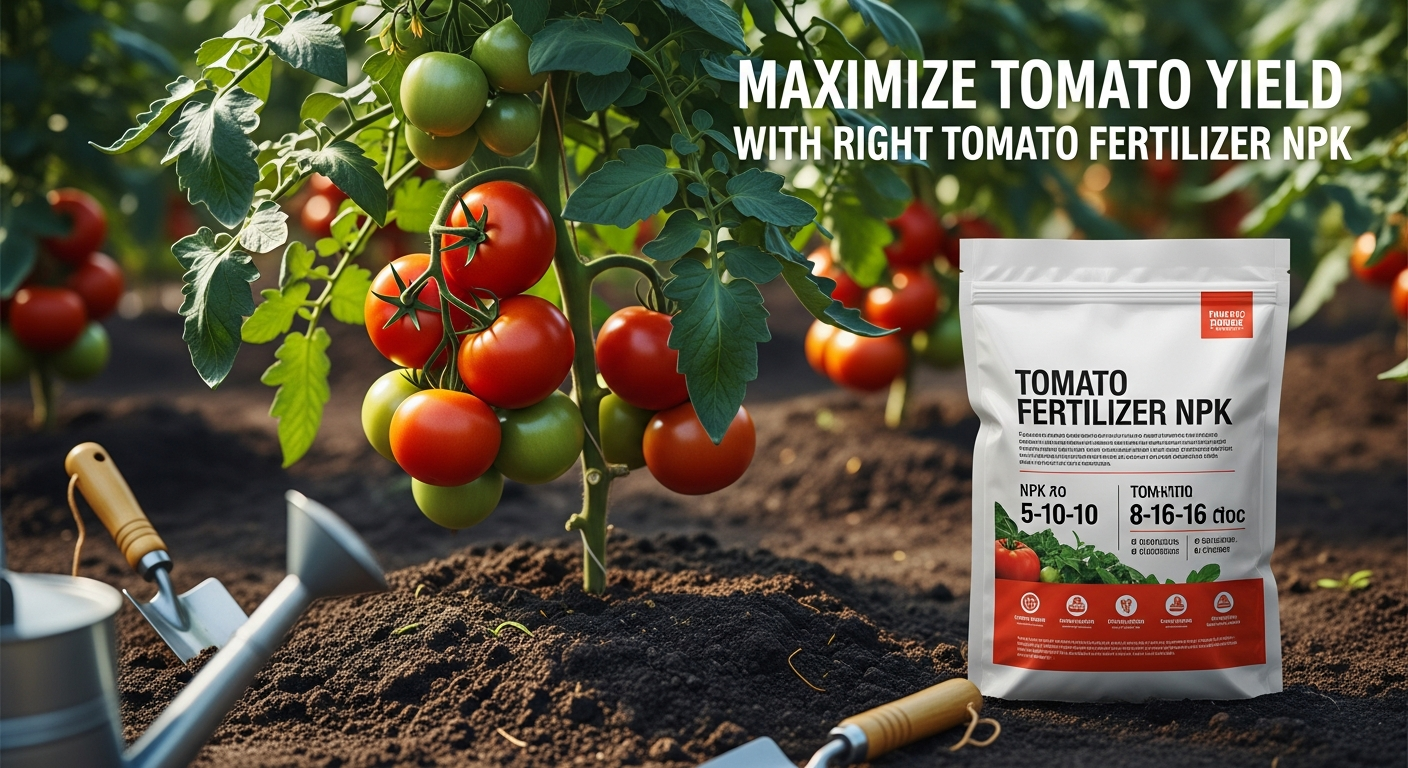
Tomatoes are one of the most widely cultivated and most widely eaten VEGETABLES, and the success of growing tomatoes with excellent yields relies heavily on the proper nutrition provided by the right tomato fertilizer NPK. The three primary NPK nutrients in the fertilizer work together to ensure each phase of growth in the tomato plants is fulfilled. The three primary NPK nutrients contain Nitrogen to allow green healthy leaves to form, Phosphorus to help develop strong roots and allow flowering to take place, and Potassium to help increase size, color, taste, and resistance to disease. When applied properly, all three nutrients are easily available to the plant, thus the popularity of NPK fertilizers among both large-scale farming and small-scale gardening operations alike. When tomato plants are provided with a balanced nutritional regimen throughout all stages of growth, there is a high probability that tomato plants will grow steadily and will not suffer from lack of nutrients or excessive stress. Careful management of both NPK ratios and the timing of application will result in higher yields, improved quality of fruits, and long-term, healthy soil. The combination of quality tomato fertilizer NPK provides for each plant to develop stronger vines with larger fruit clusters and ultimately produce a more successful harvest for the gardener.
Understanding NPK Nutrients for Tomato Plants
0. Tomato plants are considered to be heavy feeders which means they require a greater quantity of nutrients than many other crops during the entire growth cycle of the plant. An understanding of N, P and K will enable the gardener to provide the proper nutrition necessary for strong root development, healthy foliage, abundant flowers and high- quality fruit. Proper use of the right ratio of N, P and K will help prevent tomato plants from becoming nutritionally stressed throughout their growth cycle and produce better quality fruit and higher yields. The proper knowledge of nutrient requirements for vegetable crops such as tomatoes is necessary to successfully grow tomatoes under an intensive vegetable program that utilizes NPK.
What Is NPK and Why It Matters in Agriculture
NPK is short for Nitrogen(N) Phosphorus(P) and Potassium(K), the three main nutrients needed for healthy plant growth. In agriculture, NPK acts as the "base" or "foundation" of crop development through fertilization and applying specific ratios based on soil types and crop development stages of the Tomato Plant. The NPK levels will influence how well Tomato plants, Grow, Flower and Produce.
Benefits of NPK for Tomatoes:
- Builds the Nutritional base during your growing cycle of all growth stages
- Improves the rate that young Tomato Plants will become established.
- Increases the quality & quantity of Blooms and Fruits
- Increases plant resistance to Pest Damage, Disease, and Environmental Stressful Conditions

Applying a Fertilizer that has a Balanced NPK Ratio will allow Farmers to Grow Uniformly Size Plant Stands and Will Produce a Consistent Yield.
Role of Nitrogen, Phosphorus, and Potassium in Tomatoes
1. All three major nutrients (N,P,K) play an essential part in the development of tomatoes.
- N - Nitrogen (N) - stimulates healthy growth of leaf and stem tissue and is essential in the early vegetative stages of growth.
2. An excess of nitrogen may inhibit flowering and fruiting.
- P - Phosphorus (P) - promotes healthy root development and fruiting/production of flowers on a plant.
3. Normally, Phosphorus is needed most during the period from transplanting through the early growth phase.
- K - Potassium (K) - promotes larger, more colorful and flavorful fruits while building stronger plant tissues.
Also, Potassium will help a grower to produce healthy fruits and build disease resistance and keep them fresh longer after harvest. By maintaining a balanced nutrient application profile through N,P,K, a grower can create an optimal growing environment for tomatoes leading to vigorous growth and the production of superior quality fruit.
Understanding Fertilizer Labels and NPK Ratios
Fertilizers are labelled with a 3-number designation, i.e. 10-10-10, 5-10-10, etc., which shows the percentage of Nitrogen, Phosphorus and Potassium contained in the fertilizer. Correctly reading the N-P-K ratios helps growers determine which Tomato fertilizer is best to use for each of the lifecycle stages of the Tomato plant.
Common N-P-K ratios for tomato production:
- Early growth - Higher N (i.e. 10-10-10)
- Flowering stage - Higher P (i.e. 5-10-10)
- Fruiting stage - Higher K (i.e. 8-16-24)

Ideal Tomato Fertilizer NPK Ratio at Each Growth Stage
The nutrient needs of tomato plants will change as the plant develops and increase during development, therefore providing the appropriate NPK ratio for tomato fertilizer for a particular growth stage is critical to producing an optimal number of quality fruit (i.e., maximum yield and quality). As the tomato plant goes from the early vegetative stage, through flowering and fruit production; N, P, K nutrients should be provided in relation to plant development phases of growth. Providing tomatoes with the correct NPK ratio to meet their nutrient requirements will allow for consistent growth, healthy plants and regular harvests during the whole growing season.
NPK Ratio for Tomato Seedlings and Early Growth
During the seedling and early vegetative stages of tomato plants, their main focus is to create new healthy leaves and strong sturdy stems to promote overall plant health. At this time, Nitrogen plays a major role in the development of tomato plants; Phosphorus promotes the initial root system of the plant.
A) Recommended NPK Ratio for Tomato Seedling and Early Growth Stages:
- High levels of Nitrogen (20-10-10 N-P-K and 12-6-6 N-P-K) will support plant growth.
- The benefits of High Nitrogen (20-10-10 N-P-K and 12-6-6 N-P-K):
- Rapid Leaf and Stem Development
- Strong Plant Structure
- Healthy Root Development
B) Some tips to remember:
- Never apply too much nitrogen to prevent weak and leggy plants.
- Applied on a routine basis in small amounts.
- Make sure that the soil has proper drainage; this will help prevent nutrient leeching from the soil.

Applying Proper Tomato Fertilizers Based on NPK Ratio In The Early Growth Stages Will Provide A Foundation For Strong Flowering And Fruiting Development Stages Of Growth.
Best NPK Ratio During Flowering Stage
When Tomato Plants Flower
During the flowering stage of tomato plants, the nutrient needs of the plant change, as phosphorus becomes a primary nutrient needed for the development of flowers. Nitrogen levels in the nutrient solution should be slightly less than during vegetative growth so that the amount of vegetative growth does not become excessive.
Recommended NPK Ratio during Flowering Stage: Depends on the proportion of phosphorus to nitrogen.
- Recommended NPK Ratios of 10-15-10, or 12-24-12 will provide an adequate amount of phosphorus for the healthy development of flowers.
Fruiting Stage NPK for Higher Yield and Quality
- As Tomatoes Develop Fruit, The Need To Use More Potassium Will Help Produce Better Quality Fruit. More potassium will produce a greater amount of fruit, better color, flavor, and longer shelf life. Potassium will also improve the plant's disease resistance and make the plant stronger.
- Recommended NPK Ratios of 5-10-20 or 8-16-24 will provide the most potassium to produce higher-quality fruit.

Choosing the Best Tomato Fertilizer NPK Source
When you select a source of NPK fertilizer for your tomatoes, understanding what type of nutrients should be supplied to tomatoes based on their Growing Stage, as well as the type of source of NPK fertilizer you want to use, is equally important because tomatoes are heavy feeders, require an adequate supply of all three(N-P-K) throughout their Growing Stages (vegetative, flowering and fruit development). Different sources of tomato fertilizer will provide nutrients to tomatoes(throughout the Growing Stages) at different release rates(some sources take longer to release nutrients to tomatoes than others). Knowing the different release rates from different sources of fertilizer allows growers the opportunity to select the source of fertilizer that is best suited to their soil type, climate, and farming practices.
Organic Tomato Fertilizer NPK Options
Fertilizers that are organic in nature typically release nutrients over a longer period of time, however they also improve the soil structure and promote the growth of microorganisms in the soil. Therefore, Organic Fertilizers are excellent sources for people who are growing tomatoes for long-term and Sustainable Agriculture
1. Examples of Organic Sources of NPK for Tomatoes
- Manure and Compost from your farm
- Vermicompost
- Bone Meal (Phosphorous Rich)
- Neem and Oilcakes
- Poultry Manure
2. Benefits of Organic Fertilizers for Growing Tomatoes
- Improves Soil Structure and increases its ability to retain Water and Store Nutrients
- Gradual Release of Nutrients (over time)
- Reduces the risk of Fertilizer Burn
- Increases the Taste and Nutritional Value of your Tomatoes

Organic options can be used most effectively by either applying them before planting or supplementing the NPK tomato fertilizer during the flowering stage (if needed)
Synthetic Tomato Fertilizers: Pros and Cons
Synthetic fertilizer is the best option for commercial large-scale tomato growers due to the precision and speed at which the fertilizer supplies nutrients to the tomatoes and the ability to increase yield quickly.
1. Advantages
- NPK nutrients are available immediately upon application.
- The ability to achieve precise ratios of nutrients.
- Tomatoes respond quickly and grow rapidly to additional nutrients.
- Application and rate of application are easily measured.
2. Disadvantages
- Using too much synthetic fertilizer can lead to declining health of the soil as well as a reduction in the soil ecosystem.
- Using excessive amounts of synthetic fertilizers on tomatoes can lead to a nutrient burn from excessive amounts of nutrients.
- The use of synthetic fertilizers will not enhance or improve the structure of the soil.
The use of synthetic NPK fertilizers on vegetable crops should be designed with soil testing and appropriate rates of application to avoid long-term degradation of the soil.
Liquid vs Granular Fertilizers for Tomatoes
Liquid tomato fertilizer and granular tomato fertilizer each serve a different purpose when it comes to tomato production.
A) Liquid Fertilizers
- Allows for quick absorption of nutrients.
- Best suited for drip irrigation and foliar feeding.
- Should be used mostly while the plant is flowering or fruiting.
B) Granular Fertilizers
- Provide longer-lasting nutrient supply.
- Most effective when used as a basal application (base nutrient applied all at once).

How to Apply Tomato Fertilizer NPK Correctly
Using tomato fertilizer NPK properly is equally important to selecting an appropriate product. Since tomatoes have high nutrient needs, the correct application will support steady growth of the plant, a strong root system, flowering and fruit production during the season. Incorrect timing of application, or applying too much will result in excessive leafy growth with few fruit or even cause damage to the plant. When applying NPK for vegetable crops, knowing when and how to apply it allows tomatoes to uptake the nutrients without stress. Different stages of growth; planting, vegetative, flowering & fruiting, have their own nutrient requirements. By supplying tomatoes with the proper types of nutrients at the appropriate time throughout the growing cycle, you'll achieve balanced, productive, and resilient plants during the growing cycle.
Fertilizer Application at Planting Stage
Establishing a healthy tomato plant at planting time is a very important step to achieving a successful harvest. The root systems are being developed, and tomatoes require a balanced nutrition without an abundance of nitrogen.
1. Best Practices for Tomato Plants at Planting Time
- Use a starter tomato fertilizer NPK that contains moderate nitrogen and greater than usual amounts of phosphorus.
- The fertilizer should be mixed lightly into the soil so that the fertilizer does not touch the roots directly.
- After you apply the fertilizer, water the area so that the nutrients will begin to move down into the root zone.
2. Why this is Important
- Provides Maximum Root Development
- Reduced Transplant Shock
- Provides a Foundation for Early Vegetative Growth

NPK Focus
- High Phosphorous Tomato Fertilizers. (example)
Fertilizing Schedule for Field and Pot Tomatoes
There are differences in the nutrient requirements of tomatoes grown in open fields versus those grown in containers (pots). Therefore, to ensure adequate and uniform availability of all three nutrient groups (N-P-K) and to support their growth, a fertilization schedule should be organized to supply all of these nutrients consistently during the entire cycle of growth.
1. Field Grown Tomatoes
- The first application of fertilizer can take place 10 to 14 days after transplanting; then, the application should be repeated every 20 to 25 days throughout flowering and fruiting. Using split doses will enhance nutrient uptake by reducing the loss of these nutrients.
2. Container Grown Tomatoes
- In containers, the soil volume is limited, so container grown tomatoes should be fertilized every 10 to 15 days. When using liquid N-P-K, dilute the liquid with at least one-half or more water to ensure even absorption.
Monitor plants carefully for signs of nutrient deficiency.
Preventing Over-Fertilization in Tomatoes
One of the most common mistakes is over-fertilizing tomatoes, which lowers tomato yield instead of increasing it. Excess nitrogen and other nutrients result in the development of excessive leaf growth, while the number of fruits produced is greatly diminished.
1. Signs of Over-Fertilization
- Excessive dark green foliage
- Delayed flowering and fruiting
- Softer stems and increased susceptibility to insect damage
- Signs of excess salt or leaf burn in the potting soil
2. Ways to Avoid Over-Fertilization
- Always use the application rate as recommended by your fertilizer supplier.
- Make your application decisions on the results of soil testing.
- Do not feed very frequently with high nitrogen fertilizers.
- At least once per month, flush the potting soil with plain water to remove excess salts.

Common Tomato Nutrient Problems and Solutions
Because of their high nutrient requirements, tomato plants are sensitive to both nutrient deficiency and excess. It is important for growers to identify signs of nutrient deficiency early so they can select the right tomato fertilizer NPK for optimal growth and maximum yield. Even a slight imbalance in available NPK nutrients can disrupt flowering, fruit set, and fruit quality in tomato plants. Managing NPK nutrients for vegetables properly will also result in healthier plants and more regular harvests.
Nitrogen Deficiency and Excess Symptoms
Both nitrogen deficiency and excess have negative effects on tomato plant growth and development. Nitrogen is essential to the development of new leaves and stems as well as the reproductive structures of the plant.
A) Indicators of a Nitrogen Deficiency:
1. The older leaves of tomato plants become pale green or yellow.
2. Slow growth and thin stems
3. Reduced number of leaves and flowers
4. Early leaf drop
B) Indicators of a Nitrogen Excess:
1. An excessive amount of foliage growth compared to flowers.
2. The production of soft, weak stems which are susceptible to diseases and pests.
3. The production of tomatoes that are delayed in their ripening process.
4. Poor flavour and postharvest quality.

Tomatoes require moderate levels of nitrogen; however, too low of a level will weaken the plants, while too high of a level will decrease the total yield of the crop. Selecting an appropriate tomato fertilizer NPK helps ensure your tomato plants have sufficient nitrogen in their growing environment.
Phosphorus and Potassium Deficiency in Tomatoes
Both phosphorus and potassium are vital for the strength and development of roots, flowers, fruits, and protection from disease.
1. Signs of Phosphorus Deficiency in Tomato Plants
- Roots developing very slowly due to lack of phosphorus
- Purple or dark green foliage
- Very little flowering and fruit set
- Tomatoes grow very slowly in both height and width.
2. Signs of Potassium Deficiency in Tomato Plants
- Yellowing or browning at the edges of the leaves (leaf scorch)
- Stems are weak, lodging easily in high winds or from heavy rain
- Full-sized tomatoes that are small and uneven in size
- Reduced sweetness, color, and shelf life of tomatoes.
Tomato plants that are deficient in phosphorus or potassium may appear to be healthy in the early stages but fail during the flowering and fruiting stages. The use of balanced NPK fertilization can help prevent these yield losses.
Correcting Nutrient Imbalances Using NPK
Correcting nutrient deficiencies begins with identifying the symptoms and using the correct NPK ratio. The use of NPK on all vegetables in the correct ratio can help restore the health of the plant quickly and safely.
1. How to Correct Nutrient Deficiencies in Tomato Plants
- Carefully observe the tomato plant for symptoms of nutrient deficiencies
- Test the soil to determine the nutrient levels present
- Select an appropriate tomato fertilizer with the correct NPK ratio
2. Apply the fertilizer at the recommended application rate
- Water the fertilized soil to facilitate nutrient uptake.
- Recommended NPK Ratios for Tomato Plants
- Early Growth: Higher Nitrogen (e.g. 10-10-10)
Flowering/Fruiting: Higher Phosphorus and Potassium (e.g. 5-10-10 or 8-16-24)

FAQs:
Q1. What is the best tomato fertilizer NPK ratio?
A balanced ratio like 10-10-10 is ideal for early growth, while 5-10-10 or 8-16-24 works best during flowering and fruiting.
Q2. Can I use NPK for vegetables on tomatoes?
Yes, general NPK for vegetables can be used on tomatoes if the ratio matches their growth stage.
Q3. How often should I apply tomato fertilizer NPK?
Apply tomato fertilizer NPK every 2–4 weeks during active growth and fruiting stages.
Q4. Is high nitrogen fertilizer good for tomatoes?
High nitrogen is useful early on, but too much later causes excessive leaves and fewer fruits.
Q5. Are organic NPK nutrients enough for tomatoes?
Yes, organic NPK nutrients can support tomatoes, though they may act slower than synthetic fertilizers.
Conclusion: Improve Tomato Yield with the Right NPK Strategy
For a productive and healthy tomato harvest, it’s important to apply the right combination of nutrients at the appropriate time in your growing season. A properly designed NPK Fertilizer Plan will provide nitrogen (N) for seedling growth, phosphorus (P) for flowering and root development, and potassium (K) for growing larger fruit that is tastier and has greater disease resistance. The correct NPK combination for optimal tomato plant growth will interact positively to enhance flowering and the quality of the fruit produced.
When planning your planting program, you should be aware of the various phases of growth for your tomato plants, and you should adjust your timing of NPK application to correspond with these different growth stages. Nitrogen is utilized by tomato plants for vegetative (leafy) growth; however, too much nitrogen on a mature plant may decrease fruit production. To avoid these types of nutrient problems, you should consider the type of soil you’re using and the phase of growth in which the tomato plant is currently growing, and follow that information to determine an appropriate fertilizer plan to maximize tomato yield potential. Regularly monitoring your soil and using soil tests is a great way to maximize nutrient utilization and reduce the amount of nutrient waste.
By implementing the proper NPK Fertilizer Plans, farmers and gardeners can increase their tomato production and improve the overall health of their soils while doing it. When properly fertilized over time with consistent and balanced applications of NPK fertilization, healthy tomato plants will produce greater harvests than previously, resulting in more sustainable tomato farming practices year after year.