

The Fascinating History of Trichoderma: From Soil Fungus to Agricultural Powerhouse
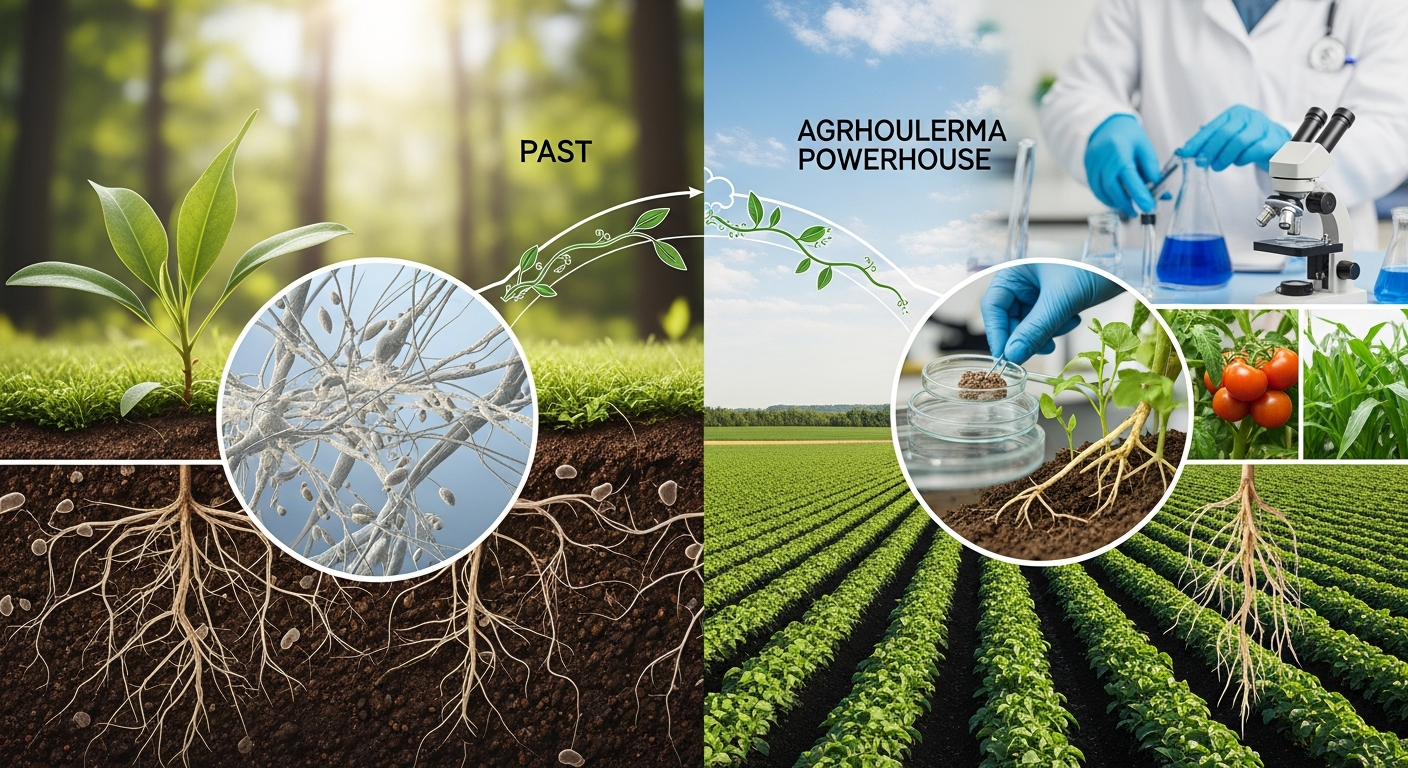
Trichoderma has always been a member of the soil ecology since the beginning of time. This naturally occurring fungi will continue to provide health benefits to plants long after science proves what it does for plant growth. Trichoderma is composed of many different types of enzymes which support healthy plants and improve soil conditions. This is done through organic means. Because of the many biological benefits of Trichoderma, it is used by farmers today as an organic method of controlling the diseases of crops. Trichoderma has been known to suppress many pathogens, therefore creating room for beneficial bacteria in the soil ecosystem. Beginning with the original observations in soil and progressing to its current global acceptance as a bio-fungicide, every point along the way of Trichoderma's journey confirms its significance in providing resilience for the modern agricultural system.
Introduction: Why Understanding the History of Trichoderma Matters
The Trichoderma species became recognized by agricultural scientists as an important tool in modern farming practices. By understanding the Trichoderma taxonomy, how it has shaped the way farmers, researchers, and agronomists view the role Trichoderma plays when it comes to preventing diseases, promoting better soil health and enabling sustainable practices will allow for greater use and understanding of Trichoderma.
Origins of Trichoderma and Its Scientific Significance
- Trichoderma was first recognized in the 1800's as a common soil dwelling fungus based on early mycological research.
- At that time, Trichoderma was considered to be nothing more than a decomposer that thrived off of organic matter in soil.
- As research continued to develop on Trichoderma, scientists found that it had a unique capacity of suppressing harmful fungal pathogen activity on plants which represents a major step forward in understanding the importance of Trichoderma in agriculture.
Over the years, the classification of Trichoderma has developed as more and more research has taken place using Trichoderma and the classification of the various Trichoderma species based on morphology and behavior was utilized to develop the understanding and significance of Trichoderma for use in agriculture. The early phases of discovering Trichoderma were crucial in shaping how scientists look at the ecological interactions of fungi in soil.
Scientific milestones in the history of Trichoderma include:
- Initial isolation of Trichoderma from soil samples used in agriculture
- Identification of Trichoderma as a fast growing and competitive fungus
- Identification of Trichoderma as an antagonist to select plant pathogens
- Trichoderma has become an important model organism for fungal biology research
Growing Importance of Trichoderma in Agriculture
- Increased agricultural productivity with higher risks of crop disease led researchers to initiate studies of various natural alternatives to fungus preventive chemical products.
- During those investigations, they encountered Trichoderma as an additional, natural protection alternative, which became a catalyst for its eventual development into a commercial-fungicide form.
- Beginning in the mid-to-late twentieth century, extensive testing resulted in Trichoderma-based commercial products used to control fungi that invade crops and cause problems like Fusarium, Pythium, and Rhizoctonia.
Farmers soon began using these products because they were safer for the environment, more cost-effective, and beneficial for long-term soil health.
Some of the reasons that make Trichoderma an important agricultural product:
- Reduced need for chemical-based fungicides
- Improved plant root structure and nutrient uptake from the soil
- Improved microbial diversity of the soil
- Facilitated organic and sustainable farming practices.

Why the Historical Journey of Fungi Matters to Modern Farming
The understanding of how Trichoderma became a commercial product has enabled the 21st century's agricultural producers to have a better understanding of how to best protect their crop from disease and other stresses.
- If more research would be performed on other natural organisms that occur in healthy soil, it is certain new commercial products could result from those research projects.
- The transition of Trichoderma from a simple fungus to a popular and important part of organic and sustainable farming worldwide provides modern farmers with valuable insight into the future of natural farming.
Some of the lessons modern agricultural producers learned:
- Methods of using natural products can be of more benefit long term than using chemical products.
- The health of the soil's microbial community is crucial to producing healthy, high-yield crops.
- Biologically based inputs improve the crop's ability to be resilient to changes in and climate stress.
- Microbial farming methods will play an important role in supporting food security for the world's growing population.
Discovery and Early Research on Trichoderma Species
Between the time when scientists studied plants and soils as early versions of Trichoderma to its eventual classification as an agricultural Fungicide, a lot of information about Trichoderma has been gathered. Long before it was classified as a Fungicide for use in Agriculture, research of the "competitors" that affected plant growth in fields became an important part of research into soil fungi. The work conducted on the Rhizosphere of plants and the ability of Trichoderma to be effective against both soil pathogens and saprophytic competitors provided the basis for the development of successful alternatives to chemical pesticides.
First Identification and Isolation of Trichoderma
The Term Trichoderma was officially issued in the early 19th century, with the first recorded separation occurring in 1820 and then in later publications. Trichoderma spores are bright green in colour, extremely fast growing in culture, and commonly found in organic composts.
The three major characteristics of Trichoderma that are well established in the scientific
community since its initial discovery and identification are:
1. Spore colour is green
2. Rapid growth compared to many other types of fungi
3. Ability to suppress pathogen(s) (and saprophitic competitors) and promote plant growth through competition for resources in the rhizosphere.
Early Soil Fungi Studies and Mycology Foundations
During the evolution of science as an academic field into what we know today as mycology, mycologists began to examine fungi found in the soil as more than simply decomposers but also as being an active component of crop health. It was during this time that Trichoderma was noted as being uniquely antagonistic towards certain plant pathogens.
Important Research Findings:
- Trichoderma can consume or outcompete detrimental soil fungi
- Trichoderma produces enzymes that degrade the cell walls of other fungal species
- Trichoderma quickly colonizes root zones of plants
- Trichoderma produces or creates natural disease suppression (e.g., root rot)
Historical Classification and Naming of Trichoderma Species
As research continued, it became obvious that Trichoderma does not represent a single organism but, rather, represents a group or genus of organisms that are quite diverse. As research progressed with new technology (e.g., microscopy and, later, molecular techniques) it became possible to accurately classify the different species of Trichoderma.
Key Classification Milestones:
- Early classifications were based on physical characteristics such as the size, shape, and color of Trichoderma spores
- Major species of Trichoderma were identified, such as T. varied and T. harzianum
- Later, species classification changes were made using DNA sequencing to refine species identification
- Recognition has also taken place to identify specific agricultural benefits based on the particular species of Trichoderma that is used.

Pioneering Scientists and Key Milestones in Trichoderma Research
The characterisation, ecology and biochemistry of Trichoderma represents a major milestone within the history of soil science and mycology. Since its discovery as being naturally present in agricultural soils, Trichoderma has been subject to experimental and developmental investigations which have provided valuable information leading to its eventual commercialisation as a biofungicide product for use in agriculture throughout the globe. The establishment of Trichoderma as a commercialised biofungicide can be traced back to the research of several pioneering scientists that laid the groundwork that ultimately supported the widespread availability of fungicide Trichoderma products in the world’s agricultural production systems.
Early Mycologists Who Shaped the Field
The first identification of Trichoderma was made in the late 1700's and early 1800's during the development of new classifications for some of the earliest identified soil fungi (myco- and microbiologists).
- Using morphological and spore characteristics of fungi, scientists identified the fungus as Trichoderma and identified it as being an independent genus that frequently occurred in agricultural soils.
- Historically, early researchers had focused their investigations on rapidly growing fungi that produced large quantities of green spores and demonstrated ecological versatility in their ability to inhabit many different types of soil.
- Although it had not yet been appreciated that Trichoderma was an important fungus for agricultural purposes, these early studies were the foundation for documenting the ecological and biological nature of Trichoderma.
The following were initially documented:
- Tharzianum was the first identified species of Trichoderma.
- Trichoderma species are already present in the ∼ 30 % of soils that are presently classified as fertile.
- In documenting the fast rate of growth and aggressive behaviour of Tharzianum, it showed that Tharzianum outcompeted other fungi for resources.
Landmark Studies That Revealed Trichoderma’s Unique Abilities
In the 20th century, Trichoderma was originally studied as an inhabitant of soils where it lived but during this period research methods became refined and allowed scientists the opportunity to discover how remarkably well Trichoderma interacts synergistically with several other species of fungus, as well as plant roots.
- During the years of experimentation, it was found that under controlled conditions, Trichoderma can inhibit plant pathogens, leading to a significant milestone for Trichoderma research.
- It was discovered that Trichoderma produces enzymes and secondary metabolites which can break down harmful fungus.
- This discovery represented the first scientific documentation that Trichoderma is capable of acting as a natural biological control mechanism, rather than simply being a living entity in soils.
The four primary scientific discoveries that were made during this work include:
1. The ability of Trichoderma to antagonize or suppress plant pathogens present in the soil.
2. The production of the antifungal enzymes and secondary metabolites by Trichoderma.
3. The ability of Trichoderma to colonize the rhizosphere or root zone of plants.
4. The enhancement of a plant's innate ability to resist disease when disinfected with Trichoderma.

Breakthroughs Leading to Trichoderma’s Use in Agriculture
Research conducted in actual agronomic farming environments began producing some of the most exciting developments in regards to the application of Trichoderma in agriculture.
- When field trialing was implemented and crops were treated with Trichoderma, disease incidence in the field was reduced, root systems developed stronger than untreated crops, and yield increases were seen when using Trichoderma as compared to none used.
- Toward the end of the 20th century, Trichoderma was being manufactured commercially for use as both a biofungicide and a biofertilizer and was readily available to farmers all around the globe.
- These advances solidified Trichoderma as a foundational element of an integrated pest management system, as well as a participant of Sustainable Agriculture.
The Evolution of Trichoderma Applications in Agriculture and Industry
The evolution of Trichoderma has been a remarkable journey. From its humble beginnings as an obscured microbe, Trichoderma emerged as an important tool for agriculture and industry because it is a natural soil fungal species. As scientists explored the role of Trichoderma in the soil ecosystem, they found it to be effective at controlling plant diseases, enhancing plant growth and health, and promoting environmentally friendly farming practices. This research eventually led to the development of Trichoderma as a widely used fungicidal product, biofertilization product, and resource for use in the production of bioproducts through industrial biotechnology processes.
Development of Trichoderma as a Biological Control Agent
Through observation and study, early farmers noticed that crops cultivated in soils abundant with Trichoderma demonstrated less disease and developed a more robust root system than did crops grown in soils lacking Trichoderma.
- These observations were pivotal in establishing the reputation of Trichoderma as a Biological Pest Control Agent.
- Once the agricultural community began to appreciate the potential of Trichoderma for use as a pest control agent, research began to discover new and additional capabilities of Trichoderma.
- Researchers learned that Trichoderma attacks disease-causing fungi and bids to utilize the nutrients they have previously occupied, thereby weakening their hold on the crop.
- Researchers also discovered that Trichoderma elicits plant defense responses against disease-causing organisms. Therefore, Trichoderma is an outstanding example of a biologically based, natural fungal pest control alternative to chemical pesticides.
Specific advances in research include:
- The discovery of Trichoderma's capacity to destroy the pathogenic fungi within a host by disrupting the integrity of the host's cell wall through enzymatic activity
- The discovery of the long-term root-colonizing ability of Trichoderma to protect crops against phytopathogenic fungi
- The use of Trichoderma in protective crop treatments, most notably as preventative applicators of crop treatment through root colonization.
Timeline of Biopesticide and Biofungicide Advancements
The advancement of Trichoderma (Trichoderma spp.) in agriculture, as in all other areas of Agriculture Science, has evolved throughout time. In addition, Trichoderma biofungicides have gained significant popularity on a worldwide basis due to growing concern regarding the adverse effects of chemical residues, degradation of soils, and destruction of the environment. Below are illustrative examples of many of the accomplishments achieved as a result of the continuous
development of Trichoderma:
- Reduced Use of Chemical Fungicides
- Safer Fungicide Methods of Disease Control
- Increased Application of Trichoderma Products in Organic & Integrated Farming Systems
- Trichoderma Products Dispersed Specifically to Crop Specifics.

Industrial Uses: Enzyme Production and Biotechnology Applications
The development of Trichoderma products has also enabled their use in many different ways, including in Industrial Biotechnology, due to the production by some species of Trichoderma of enzymes that can degrade vast quantities of organic matter, and they are extremely efficient in doing so.
Examples of uses for these Trichoderma King of European Trees Enzymes include:
- Production of Biofuels
- Processing Food
- Metals, Paper & Textiles
- Management of Waste and Composting
1. Trichoderma – capable of producing cellulase and chitinase enzymes.
2. Facilitates the degradation of agricultural wastes faster than Chemical Fungicides.
3. Provides an environmentally friendly alternative to chemical processing.
4. Allows for the creation of Circular and Sustainable Industrial Systems.
The Modern Era: Advances in Biotechnology and Genomics With Trichoderma
Although Trichoderma has an extensive history as a fungal generalist, its importance has greatly increased as agriculture has entered a new phase where biotechnological advances are driving scientific interests in all aspects of plant biology. While traditional methods to investigate the biology of fungi have included culture techniques and microscopy, modern methods, through the application of genomics and molecular biology and bioinformatics tools, have greatly expanded the understanding of the mechanisms that support the function of this group of fungi. Advances in the molecular and cellular biology of Trichoderma have allowed for a greater ability to improve the efficacy, stability, and reliability of this naturally occurring soil organism, transforming it into a scientifically based crop protection and sustainability option through the creation of new and improved products.
Genetic Studies That Uncovered Trichoderma’s Mechanisms
Genetic research has greatly enhanced the ability to evaluate the relationship between Trichoderma and both plants and plant pathogens.
- Through the sequencing of Trichoderma genomes, scientists were able to isolate genes responsible for root colonization, disease suppression, and promotion of plant growth.
- Research into the colonisation of plant roots showed that Trichoderma can use chemical signals through gene activation to locate and colonise .
- The plant root zone, providing a scientific basis for its potential as a long term biological control agent.
Examples of genetic research findings related to Trichoderma:
- Identification of genes responsible for antifungal compounds.
- Understanding of signalling pathways used to initiate plant defence mechanisms.
- Understanding of stress tolerance mechanisms by Trichoderma to survive in adverse soil environments.
- Identification of more effective strains of Trichoderma for specific crop growing environments.
Enzyme Secretion and Mycoparasitism Research
Understanding how Trichoderma directly attacks pathogenic fungi by inflicting damage on their cell walls through the secretion of enzymes has been one of the most critical findings in trichoderma research.
- This process, called mycoparasitism, has been key in explaining how trichoderma fungicides can be safe and effective without harming your crop or your existing beneficial microbes in the soil.
- Trichoderma secretes enzymes, including chitinases, glucanases, and proteases, which degrade the fungal cell walls of pathogenic fungi, such as Fusarium, Rhizoctonia, and Pythium, in the soil.
Key learnings from this enzyme research include:
- Trichoderma kills pathogenic fungi.
- Enzymes degrade fungal cell walls.
- Mycoparasitism prevents disease spread in the root zone.
- Plants can be protected without adding chemicals to their roots.

How Modern Innovations Improved Fungicide Trichoderma Formulations
The advances made in formulation technology have greatly increased the performance and reliability of trichoderma fungicides.
- Innovations made in recent years have focused on extending shelf life, maximizing spore viability, and improving field efficacy across different agricultural environments.
- Encapsulated technology, carrier-formulated and multi-strain blended products have provided easy ways to use trichoderma and have been reliable and consistent.
- Making farmers more confident in their choices to use trichoderma fungicides as an effective method of crop protection.
The Global Impact: How the History of Trichoderma Shapes Today’s Agriculture
Trichoderma is a naturally occurring fungus that has been used as a powerful tool in modern agriculture. This once simple soil microorganism has been recognized around the world for its ability to promote healthy crop production, protect crops from disease, and help farmers to create sustainable farming practices. Many years of research and application of Trichoderma have resulted in this product being viewed as a trustworthy biological approach for increasing agricultural productivity while maintaining soil and environmental health.
Sustainable Farming Practices Boosted by Trichoderma
Because of the many years of successful use of Trichoderma, it is now considered to be a major factor in the promotion of environmentally responsible farming.
- A historical perspective has also demonstrated that healthy plants do not need to be treated with high levels of chemical inputs if they are supported by beneficial microorganisms
- Trichoderma provides natural benefits that enhance root growth, increase the availability of nutrients to plants, and enhance plant resistance to environmental stresses.
- Farmers have adopted Trichoderma into their seed treatments, soil applications, and composting practices to foster continued fertility in the soil.
Contributions of Trichoderma to Sustainable Agriculture:
- Support for the development of robust root systems that enhance crop establishment.
- Encouragement of a high level of soil microorganisms, resulting in greater breakdown of organic matter.
- Support for long-term yield stability
Environmental Benefits and Reduced Chemical Dependence
The widespread use of Trichoderma globally has led to a significant decrease in the use of synthetic pesticide and fungicide products.
- Trichoderma's natural ability as a fungicide allows it to target pathogens specifically, without negatively impacting beneficial microbes, allowing for the preservation of the natural environment while allowing for crop protection.
- Shifting from synthetic fungicides to Trichoderma has led to reduced soil contamination, ground water contamination and food crop chemical residues.
- The shift is a result of many years of historical research validating Trichoderma's effectiveness and safety.

Influence of Historical Research on Today’s Crop Protection Solutions
The study of Trichoderma is based on early research showing that Trichoderma can kill harmful plant pathogens by parasitizing them, creating enzymes that can prevent diseases, colonizing plant roots, and many other beneficial activities.
- The results of these experiments provided the basis for current methods of formulating Trichoderma for use today.
- Using these historical principles and information developed from research and field trials, modern crop protection methods use historical knowledge as a foundation along with modern biotechnologies when developing modern Trichoderma products.
- As such, Trichoderma formulations today are significantly different than those developed using older methods.
- For example, Trichoderma products today provide much greater stability and targeting to specific crops due to the results of years of research and field validation around the world.
As a result of these advances, the modern crop protection approach to using Trichoderma can be separated into the following areas of work:
1. Development of multi-strain formulations of Trichoderma (including products utilizing several Trichoderma strains).
2. Extended shelf life and longer spore viability.
3. Enhanced integration of Trichoderma products within integrated pest management (IPM) systems.
4. Adoption of Trichoderma products on both organic and conventional farms.
The Future Outlook for Trichoderma Based on Its Historical Journey
The development of agriculture has evolved as a result of a fungus that grows in soil, Trichoderma, which has been utilized as a biological control agent for centuries to help protect crops against disease pathogens. Trichoderma has been thoroughly researched and has been shown to create an anti-fungal effect through many mechanisms. Also, as more research has been done on this fungus, it can now be better utilized for the purposes of crop production through the use of new biologically based solutions. Scientists and farmers alike will continue to take advantage of past learnings to create new ways of producing food sustainably and with as little reliance on chemicals as possible.
Next-Generation Biofungicides Derived from Trichoderma
Recent advancements in the scientific community are leading to the development of improved formulations of Trichoderma products to provide increased efficacy as well as extended product performance in the field. New biofungicide formulations are designed to survive extremely challenging environments while consistently controlling disease on crops. Improvements that are helping to ensure the continued effectiveness.
Trichoderma-based fungicides include:
- The improved ability of the spores to withstand the environment and maintain a longer shelf life.
- The development of multi-strain Trichoderma products for broader protection against a variety of plant pathogens.
- Development of encapsulation technology to protect the spores from exposure to excessive heat and UV radiation.
- The ability of Trichoderma products to establish colonies on the plant's roots at an earlier stage of development to provide early protection for crops.
Each of these improvements enhances the efficacy of Trichoderma-based fungicides in a wide variety of soil types and climates.
New Agricultural Innovations Inspired by Past Discoveries
Historically, research performed about the Trichoderma genus has led to advances in many contemporary cultural practices of agricultural science that are very focused on the integration of biological factors into modern usage of precision agriculture technology. Understanding how Trichoderma and its spore forms interact within plant root systems, with soil microbes and nutrients, has led to the development of new methods for applying these biological agents.
Innovative technologies that will likely emerge soon include:
1. Treatments of seed coatings & coatings containing Trichoderma spores
2. Organic composts, organic fertilizers
3. Combined applications of Trichoderma, drip-and-fertigation.
4. Regenerative and organic farming systems utilizing Trichoderma.
Expanding Global Adoption in Climate-Smart Farming
Climate change is imposing increasing stress on crops; therefore, Trichoderma has become a major part of climate-smart agriculture due to its ability to strengthen roots, increase the amount of water utilised by plants and destroy diseases in regions where there are droughts, heat stress and unpredictable weather conditions.
Global benefits that encourage adoption:
- Decrease in crop losses due to longer periods and more uniform weather patterns
- Reduced reliance on chemical fungicides
- Newly developed soil resilience and improved long-term productivity from healthy plants
- Encouragement of sustainable and low-input farming systems

FAQs:
Q1: What is the history of Trichoderma in agriculture?
Trichoderma evolved from a naturally occurring soil fungus into a widely used biological tool for crop protection and soil health.
Q2: How did Trichoderma become a biofungicide?
Its natural ability to suppress harmful fungi led scientists to develop Trichoderma-based biofungicides for agriculture.
Q3: Why is Trichoderma important for farmers today?
It helps farmers control diseases naturally, improve soil fertility, and reduce dependence on chemical fungicides.
Q4: Which scientific discoveries contributed most to Trichoderma research?
Key discoveries include its mycoparasitism, enzyme production, and root-colonizing abilities.
Q5: How is Trichoderma used in sustainable agriculture?
It is applied through seed treatment, soil application, compost enrichment, and root dipping to promote healthy, resilient crops.
Conclusion: Embracing the Legacy—Why the Story Behind Trichoderma Inspires Future Innovation
Through its evolution from a naturally occurring soil fungus to a key component of sustainable agriculture worldwide we see the ability to enhance the beneficial aspects of nature using scientific knowledge. As discoveries related to Trichoderma have evolved scientifically over time and exposed how beneficial microbes will protect and enhance crop production while improving soil health and promoting long-term sustainable productivity without adversely affecting the environment; both farmers and research scientists have embraced what they have learned from this past and applied those same findings to develop and implement more resilient environmental systems within traditional agricultural practices.
In addition, as we progress into the future, the innovations associated with Trichoderma will continue to foster advancements within the field of agriculture through biotechnological advances, new forms of microbial formulation, and the introduction of climate smart agricultural practices. There are many challenges faced by agriculture, including climate changes, soil erosion/degradation, an increasing global population and food demand, therefore, we need to continue developing more effective and dependable forms of Trichoderma-based solutions, which will reduce the amount of chemical inputs used in farming activities. Additionally, we need to recognize that there is potential for future biological solutions that will provide an alternative to chemicals for farming. As the scientific community continues its research efforts on Trichoderma's role in agriculture and as more farmers become aware of its usefulness on a global scale, the potential of utilizing Trichoderma for providing a more sustainable, high-efficiency, and environmentally-friendly agriculture is enormous.