

Unlocking Plant Potential: The Essential Role of Endomycorrhiza in Sustainable Agriculture
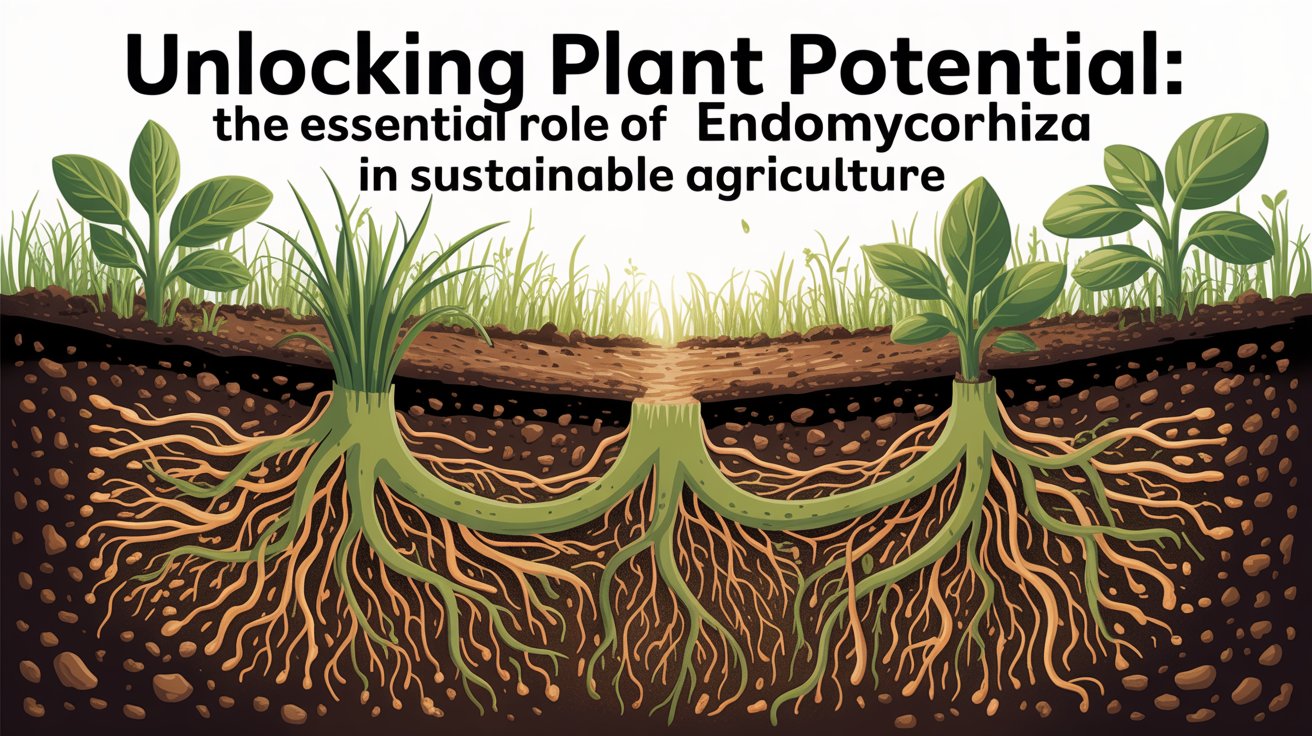
The endomycorrhiza is a naturally occurring and beneficial fungus that provides a unique and powerful relationship between the roots of plants and provides many benefits to sustainable agriculture. This symbiotic relationship between endomycorrhiza and plants has been providing healthy growth of plants and ecosystems for generations, making endomycorrhiza a vital part of contemporary agriculture.
Endomycorrhiza enhances the root system of plants, enabling them to absorb significant amounts of water and nutrients—primarily Phosphorus, Zinc and Micronutrients—from the soil; thus, the nutrients are available to plants in a more efficient manner, thereby helping plants to grow stronger, healthier and more resilient, even under adverse soil conditions.
Endomycorrhiza is considered to be safe for plants and to be compatible with the natural soil biology, making it ideally suited for organic and environmentally gentle farming systems. Endomycorrhiza promotes improved root development, increased structure of the soil, and decreased reliance on chemical-based fertilizers.
Endomycorrhiza will improve farm productivity and enhance long-term soil health. Endomycorrhiza can unlock the full potential of a plant in a natural, sustainable, and effective manner.
Understanding Endomycorrhiza: Nature’s Underground Alliance
The endomycorrhythm is a strong natural association between the advantageous fungus and the roots of the plant. It is an incredible cooperative associating with botanical roots multiculturally and globally with respect to their location, who uses this association, or why they use it. It involves nutrient absorption and plant growth and development in beneficial ways, strengthening the roots and facilitating plant health.
In the case of sustainable agriculture, endomycorrhiza has been positively recognized as a biological means to improve plant performance through supporting the production of crops while sustaining the fertility of the soil. Endomycorrhiza is commonly used as a mycorrhizal biofertilizer and will permit plants to utilize nutrients that are not readily available in the soil, making it an important component of today's sustainable agriculture.
What Is Endomycorrhiza? A Clear Definition
Endomycorrhizae are fungi that grow in association with plant roots but penetrate and/or enter into root cells to form specialized structures. This close association allows fungi and plants to share nutrients easily.
Some of the features of endomycorrhizae are:
- Fungal connivance within plant root cells
- Increase the ability of the plant to absorb phosphorus and other trace elements
- Increase the amount of water and efficiency of root system
- Endomycorrhizae are found on most agricultural and horticultural crops
Because of these characteristics, endomycorrhizae are one of the most powerful biological soil amendments available.
Arbuscular Mycorrhiza as a Common Example of Endomycorrhiza
Arbuscular Mycorrhiza (AM) is the most common type of endomycorrhiza. These fungi create arbuscules within the roots that allow for nutrient exchange.
Some reasons Arbuscular Mycorrhizae are important include:
- Over 80% of all plant species are known to contain them
- They help with the uptake of phosphorous
- They improve plant drought/salt/stress tolerance
- They are used in many different types of mycorrhizal biofertilizer

The above example of endomycorrhiza illustrates how naturally occurring fungi contribute to both plant nutrition and soil health.
How Endomycorrhiza Forms Mutualistic Root Relationships
The relationship between endomycorrhiza and plants is essentially a two-way street - both partners receive benefits from each other. The plant provides the endomycorrhiza with sugars created during the photosynthetic process, while in turn, the endomycorrhiza brings about much of the nutrients and water that the soil has to offer.
Advantages of this mutual relationship are:
- Increased root surface area due to the hyphae of endomycorrhiza
- Easier access to immobile nutrients such as phosphorus
- Improved soil structure and increased levels of microbial activity
- Reduced need for chemical fertilisers
Once endomycorrhiza is used as mycorrhizal biofertiliser, it will establish very quickly in the root zone of the plant and thus provide a long term support system for the plants growth. This natural partnership improves crop performance as well as soil ecosystems, thus producing a more sustainable and resilient form of agriculture.
The Science Behind Endomycorrhizal Symbiosis
The endomycorrhizal relationship represents a well-documented biological activity whereby plants and their associated fungi cooperate to enhance each other's success through a mutualistic relationship. Endomycorrhizal fungi provide increased nutrient availability to the plant while also strengthening the root system of the plant; thus improving overall soil quality. In many agricultural environments, endomycorrhiza is commonly utilized as mycorrhizal biofertilizer products to stimulate these natural processes at the root zone of plants.
A better understanding of how this relationship occurs can help clarify why crops will experience improved growth, tolerance to environmental stresses, and improved nutrient acquisition when endomycorrhiza is present in the soil.
Role of Fungal Hyphae in Root Colonization
Fungal hyphae are long thin strands that grow from endomycorrhizal fungi into soil and into the roots of plants. They work together with (and act like extensions of) plant roots to aid the plant’s growth.
Functions of fungal hyphae:
- Penetrating root cortex cells without damaging them
- Increasing effective root surface area
- Absorbing water and nutrients from soil pores
- Directly supplying nutrients to plant roots
By doing this, endomycorrhizae greatly increase the availability of nutrients to roots alone.
Arbuscules Formation and Nutrient Exchange Process
Arbuscules are a specific example of an endomycorrhizal fungi that form microscopic tree-like structures in a plant root cell used primarily as sites for the exchange of nutrients.
Nutrient Exchange Process:
- The fungus provides phosphorus, zinc and other micronutrients to the plant.
- The plant provides carbohydrates and energy to the fungus.
- Sustained nutrient exchange will ultimately fulfil the plant's metabolic and growth needs.
- This exchange also enhances the effectiveness of fertilisers applied, while minimizing nutrient loss.

For this reason arbuscular mycorrhizal fungi are considered by many to be the most useful of the different types of mycorrhizal biofertilisers.
Interaction Between Endomycorrhiza and Soil Microbiome
Endomycorrhiza (obligate symbiosis) functions collectively (with the soil microbial community) to create a rich and balanced environmental system (soil) for plant growth.
Examples of how the soil microbiome interacts with endomycorrhiza include:
- The stimulation of other beneficial soil bacteria and fungi
- The breakdown of organic matter to make nutrients available to plants
- The cycling of nutrients within soils
- Suppression of disease causing soil microorganisms
The interaction between native (in situ) soil microorganisms and endomycorrhiza occurs when an endomycorrhizal biofertilizer is applied to soil; such biofertilizers enhance the entire soil ecosystem’s health. This synergistic effect explains how crops treated with endomycorrhiza exhibit superior growth, greater resilience of crops treated with endomycorrhiza have higher long-term productivities under sustainable agricultural practices (systems).
How Endomycorrhiza Boosts Plant Growth and Soil Health
In contemporary agriculture, endomycorrhiza is crucial because it enhances root systems and restores ecosystems of the soil. The presence of endomycorrhiza creates and significantly expands the native root system of plants, allowing for improved access to nutrients and moisture, resulting in a high degree of efficiency in producing crops. When used as a mycorrhizal biofertiliser, endomycorrhiza will increase the yield of crop production and help to build a foundation for sustainable measuring systems within the soil over time.
A classic example of endomycorrhiza is arbuscular mycorrhiza when it demonstrates how much a beneficial natural fungal relationship can develop nutrient absorption through roots and ultimately provide crop resilience within all cropping systems, regardless of the type of cropping system.
Enhanced Phosphorus and Micronutrient Uptake
Phosphorus is an essential nutrient required for plant growth; however, it is usually limited in soils. Through the formation of vast networks of hyphae, the endomycorrhizal fungus increases the availability and absorption of this nutrient.
The benefits related to nutrients include:
- increased solubilization and absorption of phosphorus
- improved absorption of zinc, copper, and iron
- reduced reliance on chemical phosphorus fertilizers
- improved nutrient use efficiency.

Because of this ability to enhance nutrient availability, mycorrhizal biofertilizer products are extremely valuable as part of a sustainable agricultural system.
Improved Water Absorption and Stress Tolerance
Microscopic hyphae of endomycorrhizal fungi penetrate deep into the soil and give plants access to moisture from areas that plant roots could not otherwise reach. This greater moisture access increases plant survival during drought and other environmental stresses.
Stress tolerance benefits:
- Increased capacity for water uptake
- Greater drought resistance
- Reduced transplant shock
- Increased salinity and heat tolerance
One good example demonstrating how optimizing endomycorrhizae helps crop production under low water availability is that they maintain greater vigour and consistent yield under fungal symbiosis than when grown without them.
Long-Term Soil Fertility and Root Health Benefits
In addition to providing improved growth in the short term, the presence of endomycorrhiza will help develop soil fertility and an active root system over a period of time. The endomycorrhizal relationships strengthen soil physical properties as well as support the creation of a thriving microbial ecosystem in the soil.
The long-term benefits derived from the use of the mycorrhizal biofertilizer in farming practices will include:
- Increased soil aggregation and improved air movement through the soil
- Improved stability of organic matter in the soil
- Development of more extensive and stronger root systems in crops
- Decrease in erosion of soil and leaching of nutrients.
Therefore, a grower who adds mycorrhizal biofertilizer to their regular farming system will continue to improve the quality of their soils, thereby providing bigger yields and producing crops that provide sustainable agricultural benefits by protecting and improving the soil.
Endomycorrhiza vs. Ectomycorrhiza: Key Differences Explained
Mycorrhizae are a type of relationship between fungi and roots, but they can be generally divided into 2 groups: endomycorrhiza and ectomycorrhiza. Both types help improve nutrient transfer and overall health of the plant, but have different structures, range of plants that will host them, and applications for agriculture. Therefore, it is important for farmers to understand the differences in order to choose the correct type of mycorrhizal biofertilizer for their crops.
A prime example of an endomycorrhiza is arbuscular mycorrhiza (AM), which is very common in agriculture because it can be used with many kinds of crop plants.
Structural Differences in Root–Fungi Interaction
The two types of mycorrihizas, Endomycorrhiza and Ectomycorrhiza differ in the way in which the fungus interacts with the root of the plants.
Endomycorrhiza:
- penetrate the cortex of the roots
- form specialized structures known as arbuscles inside the roots.
- Nutrients are then exchanged directly within the plant cell.
Ectomycorrhiza:
- surround the outer surface of root and form a mantle
- sheath, around the outside of the root
- but do not penetrate the cells of the root.

This structural distinction makes endomycorrhiza more suitable for most field and horticultural crops.
Host Plant Range and Crop Compatibility
Another major difference between these two applications is the variety of plants which they can be associated with.
Endomycorrhiza:
- Found on more than 80% of plant species
- Go well with cereals, vegetables, fruits, and pulses
- Designed for large-scale farming applications
Ectomycorrhiza:
- Only associated with forest trees (i.e., pine and oak)
- Cannot be used as much in conventional crop farming
Endomycorrhizae are more commonly used as mycorrhizal biofertilizers in modern agricultural formulations because of their wide diversity of hosts.
Agricultural Importance of Endo vs Ecto Mycorrhiza
From the agricultural point of view, endomycorrhiza (mycorrhizal fungi) has a greater positive impact and practical application than ectomycorrhiza because of its ability to improve phosphorus and salt tolerance in crops.
Agricultural benefits of endomycorrhiza include:
- Increase phosphorus and micronutrient absorption.
- Increase drought tolerance in plants.
- Reduce the need for chemical fertilizers.
- Improve soil structure and biological balance in soil, thereby improving productivity.
There are numerous examples of successful use of endomycorrhiza, which consistently produce increased yields of crop plants (e.g., corn, wheat, vegetable crops, and fruit trees), as well as more vigorous root systems.
While ectomycorrhiza (mycorrhizal fungi) provide ecological benefits to forest ecosystems, endomycorrhiza will continue to serve as the foundation of sustainable agriculture as it is now was in the past when advanced mycorrhizal bio-fertilizer products are used to enhance crop production.
Sustainable Agriculture and the Importance of Endomycorrhiza
Sustainable agriculture is primarily concerned with increasing production and improving soil health as well as preserving natural resources through agricultural practices. One important part of sustainable agriculture is using endomycorrhizae, which naturally help improve nutrient uptake and provide increased resilience against stressors for the plant. When used in conjunction with mycorrhizal bio-fertilizer, endomycorrhizae create a living (biological) support network in the root zone of the plant, thereby decreasing or eliminating the need for synthetic fertilizers.
For example, arbuscular mycorrhizae (AM) have been shown to help improve crop nutrient efficiency and create sustainable long-term soil conditions via the cooperative efforts of fungi and the crops.
Reducing Chemical Fertilizer Dependency Naturally
The primary benefit of endomycorrhizal agricultural systems is the increase in nutrient use efficiency (especially phosphorus).
Here are four ways in which endomycorrhiza reduces dependency on fertiliser:
- Fungal hyphae expand the absorption area of plant roots
- Endomycorrhiza fungi mobilise previously unavailable phosphorus content in the soil
- Endomycorrhiza help facilitate the absorption of micronutrients
- By minimising the leaching of nutrients and waste of nutrients

Farmers’ use of mycorrhizal biofertilizers will lower the amount of chemical fertilizers they need to use while still producing high yields.
Supporting Organic and Regenerative Farming Systems
Organic farming and regenerative agriculture both use biological methods to support soil fertility. Endomycorrhizal fungi act as another mechanism for enhancing the natural relationship between soil and plants.
In organic systems, the benefits endomycorrhiza can provide include the following:
- Improved efficiency with compost and manure
- Better soil structure and aggregation
- Support for beneficial microbial communities
- Support for long-term root health
Endomycorrhiza has also been shown to increase overall vigor and tolerance to stress in plants grown within an organic vegetable farming operation without the use of synthetic fertilizers.
Environmental Benefits of Endomycorrhizal Farming
With respect to sustainable agriculture, the presence of endomycorrhiza in the environment not only enhances crop production but also enhances the environment by enhancing the stability of soil and minimizing the risk of pollution.
The benefits associated with the environment include:
- Decreased use of agricultural chemicals and fertilizer, which can result in a lowered risk of chemical runoff, thus reducing the chances of contaminating waterways.
- Sequestration of carbon in soil, providing for a lower carbon footprint.
- Lower greenhouse gas emissions related to fertilizer production.
- Increases in the biological diversity of the soil ecosystem.
The use of endomycorrhiza in a mycorrhizal biofertilizer provides for the entire soil ecosystem to be improved. Through this natural relationship, endomycorrhiza generate not only increased crop yields but also promote healthy soils and a cleaner environment, therefore forming the basis of sustainable agriculture.
The Future of Farming with Endomycorrhiza
Agriculture continues to face increasing challenges including soil degradation, climate change, and demand for food is growing rapidly year after year. The solution to meet the future needs of global agriculture is becoming ever clearer with the development and use of endomycorrhiza-based biofertilizers. By improving root system development and enhancing nutrient uptake, these naturally occurring fungal symbionts offer a sustainable, long-term agricultural practice. Current advancements in mycorrhizal biofertilization technologies have made it easier than ever before to incorporate endomycorrhiza into large scale cropping systems.
Historically, arbuscular mycorrhizae, as an example of an endomycorrhizae, has demonstrated significant and consistent increases in agricultural productivity and soil health long term. Thus, they are seen as a fundamental element of next generation agriculture.
Innovations in Endomycorrhizal Biofertilizers
With advances in biotechnology and the study of microorganisms, there are now many new ways to develop effective bio-fertilizers made with mycorrhizal fungi. This means that mycorrhizal fungi can survive much better than before, have a longer shelf life than previously possible, and they can be used in modern agricultural practices.
Innovative advancements also include:
- More than one million spores per gram of product, which will allow mycorrhizal fungi to colonize the roots of plants faster
- Multi-strain products, which will allow you to find more compatible fungi to use with all your crops
- Soluble materials available as granules or liquid formulations
- New application methods for using mycorrhizal fungi on the seed treatment of crops

These advances will allow for the effective application of endomycorrhizae in a wide variety of agricultural systems.
Role in Climate-Resilient and Sustainable Agriculture
Due to climate-related variability are crops that will have the ability to withstand dry weather, saline conditions and extreme temperatures. Endomycorrhizae increase plant performance by enhancing both the amount of water being absorbed and the efficiency of nutrient uptake when under stressing conditions.
Benefits of growing crops utilizing endomycorrhizae related to climate:
- Ability to better tolerate Drought
- Ability to more efficiently take up nutrients from degraded soil
- More robust root systems to better maintain plant stability
- Less dependence on chemical fertiliser
One example of a successful use of endomycorrhizae is the ability of the crop to maintain yield stability during periods of limited or no water, thereby increasing its usefulness as a tool for climate-resilient agriculture.
Endomycorrhiza and Global Food Security
The food supply of the planet is constantly increasing as a result of the growth of the global human population; this means that the production of food needs to increase as well in order to provide for this increase in demand. At the same time, the increase in food demand should not come at the expense of harming the environment. Mycorrhizal bio-fertilizers based on endomycorrhizal fungal species, promote both higher agricultural production and improved soil health.
Examples of the ways they contribute to global food security include:
- Increased crop yield through improved efficiency of nutrient use by crops
- Long-term soil fertility
- Reduced negative impact on the environment
- Sustainable agricultural enhancement.
By utilizing endomycorrhizae in modern day agriculture, farmers will be able to produce a more resilient, higher yielding and environmentally sustainable agricultural future and therefore provide continued global food security for future generations.
FAQs
Q1. What is endomycorrhiza in simple terms?
Endomycorrhiza is a beneficial fungus that lives inside plant roots and helps them absorb more nutrients and water from the soil.
Q2. What is an example of endomycorrhiza in agriculture?
A common example of endomycorrhiza is arbuscular mycorrhiza (AM fungi), widely used in crops like maize, wheat, vegetables, and fruit plants.
Q3. How does mycorrhizal biofertilizer work?
A mycorrhizal biofertilizer introduces beneficial fungi into the soil, which attach to plant roots and improve nutrient uptake, especially phosphorus.
Q4. Which crops benefit most from endomycorrhiza?
Most agricultural crops, including cereals, pulses, vegetables, fruits, and oilseeds, benefit significantly from endomycorrhiza.
Q5. Is endomycorrhiza suitable for organic farming?
Yes, endomycorrhiza is natural and eco-friendly, making it highly suitable for organic and sustainable farming systems.
Conclusion: Embrace Endomycorrhiza for Sustainable Farming:
Arbuscular mycorrhizal fungi (also known as endomycorrhizae) offer some of the world's best tools for sustainable agricultural practices. This is because arbuscular mycorrhizal fungi establish a mutually beneficial relationship with the root system of plants, enhancing the number of interactions of critical nutrients, like phosphorus, that support crop growth, providing structural support to the root system, and enhancing water uptake by the plant through their association with the plant.
The mutual benefit of the mycorrhizal association has allowed farmers to leverage the use of arbuscular mycorrhizal fungi as a means to improve crop productivity while using fewer chemicals when growing crops in soils with low nutrient levels or when the soils are stressed from environmental conditions.
In establishing sustainable farming systems, arbuscular mycorrhizae play an important role in ultimately helping to provide the soil with long-term soil fertility, improving soil structure, increasing microbial activity, and contributing to the establishment of a balanced nutrient cycling system within the soil.
Arbuscular mycorrhizal fungi also provide farmers with a biological resource as well as an agricultural development tool for implementing regenerative agriculture. By leveraging the natural/biological processes that exist in healthy soil rather than working against them, farmers will ultimately reduce their overall input costs, conserve resources, and set up an ongoing foundation for sustainable and productive agricultural production that has positive implications for future generations.